
In the modern digital landscape, a brand is often defined as much by its unintended moments as by its carefully curated campaigns. For global pop icon Ariana Grande, the unreleased track “Fantasize”—a leaked demo originally intended for a comedic sketch—became a pivotal case study in accidental brand evolution. While the song was never meant for commercial release, its meteoric rise on social media platforms like TikTok forced a shift in Grande’s market positioning, proving that in the age of digital immediacy, the audience often has as much say in a brand’s direction as the artist herself.

The story of “Fantasize” is not merely one of a stolen file; it is a narrative about brand resonance, the power of nostalgia, and the strategic pivot of a public persona during a transitional period in a career.
The Anatomy of a Brand Pivot: From “Positions” to “Eternal Sunshine”
Every major artist functions as a corporate entity, and for Ariana Grande, the period following her 2020 album Positions represented a plateau. Her brand identity had become synonymous with a specific blend of R&B and trap-pop. While successful, the brand was at risk of stagnation. “Fantasize” arrived at a critical juncture, serving as an unplanned pilot program for a new sonic direction.
The Sound of Reinvention
When “Fantasize” leaked in 2023, it presented a stark contrast to the whispered vocals and mid-tempo trap beats of Grande’s recent discography. The track was a high-energy, 90s-inspired pop anthem that channeled the “bubblegum” yet sophisticated era of late-90s girl groups. For the Grande brand, this was a revelation. It signaled to her team—and her audience—that there was an immense, untapped appetite for a return to high-concept, melodic pop. The data was undeniable: the song garnered millions of unofficial streams, proving that her brand equity was strongest when it leaned into theatricality and vocal power.
Bridging the Gap Between Eras
“Fantasize” acted as a bridge between the mature, understated “Positions” era and the conceptual “Eternal Sunshine” era. In branding, a “bridge product” is something that helps a consumer transition from an old identity to a new one. Although “Fantasize” was not an official product, it functioned as a “minimum viable product” (MVP) that tested the waters for a house and disco-influenced sound. The overwhelming positive sentiment surrounding the leak gave Grande the “green light” to pursue the 90s R&B-pop aesthetic seen in her hit single “The Boy Is Mine,” which was directly inspired by the “Fantasize” fallout.
Leveraged Nostalgia: The Y2K Aesthetic as a Marketing Tool
Branding in the 2020s is heavily reliant on the “Nostalgia Cycle.” Research indicates that consumers are more likely to engage with brands that evoke a sense of comfort or “better times.” “Fantasize” was a masterclass in leveraged nostalgia, even if by accident. It tapped into the Y2K resurgence that has dominated Gen Z and Millennial marketing for the past three years.
Visual Identity and Sonic Cues
The track utilized specific sonic cues—syncopated percussion, layered harmonies, and a bright, “shiny” production style—that immediately associated the Ariana Grande brand with the peak of the MTV era. This wasn’t just a song; it was a visual prompt. TikTok users immediately paired the audio with “Mean Girls” aesthetics, 90s fashion montages, and vintage makeup tutorials. By extension, Ariana Grande’s brand became the face of the Y2K revival, strengthening her relevance with a younger demographic that views the 90s through a lens of stylized romanticism.
Tapping into Gen Z’s Cultural Currency
Gen Z consumers value “discovery” and “exclusivity.” The fact that “Fantasize” was a “leaked” and “forbidden” piece of content gave it a cultural currency that a standard radio release might have lacked. In the world of personal branding, being “underground” while also being a global superstar is a difficult balance to strike. The leak allowed Grande to occupy both spaces simultaneously. It felt like an authentic discovery for the fans, creating a grassroots marketing movement that no PR budget could have replicated.
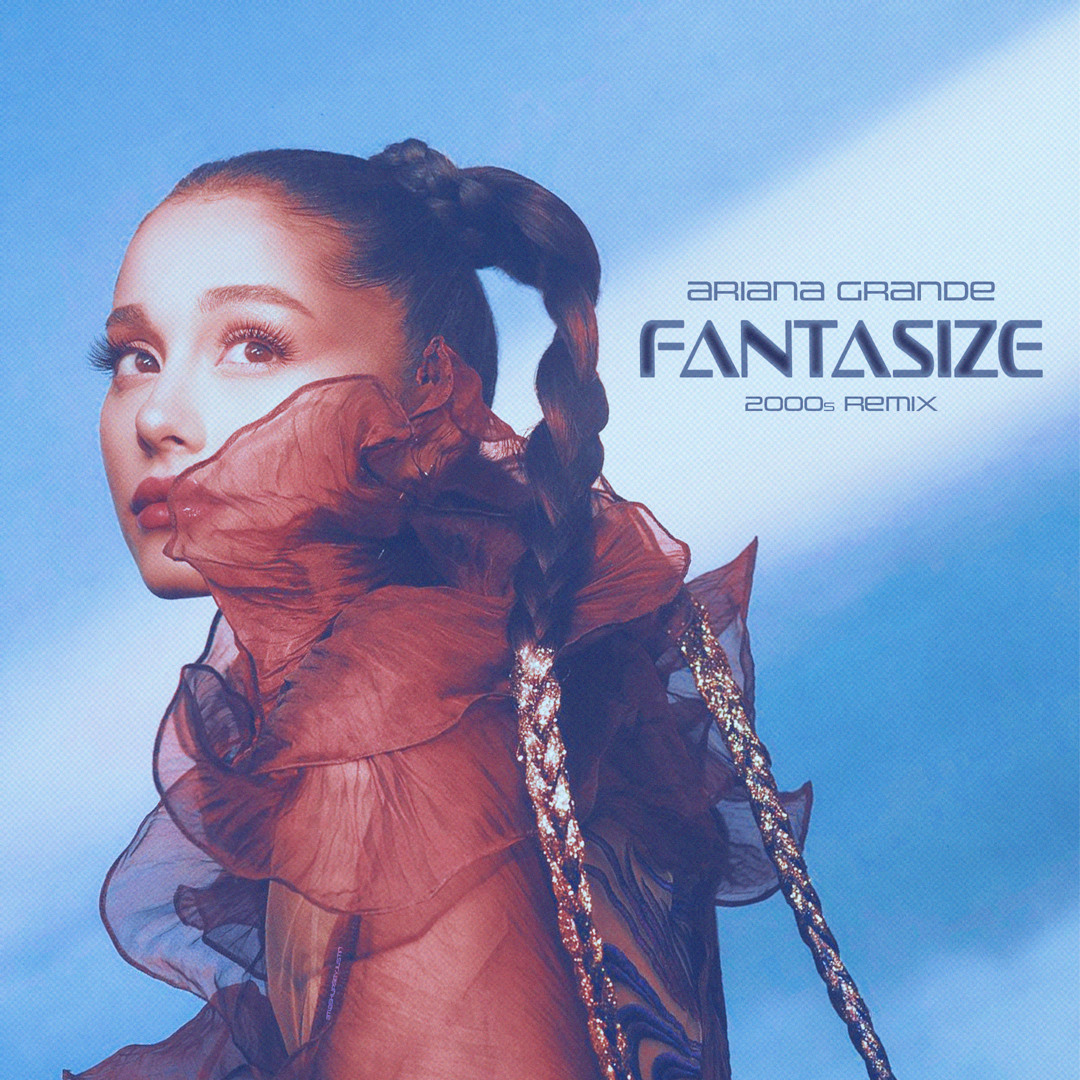
Crisis Management or Strategic Leak? The Power of Unplanned Exposure
In the corporate world, a leak is typically viewed as a security failure. However, in the music industry, the line between a crisis and a strategic opportunity is often blurred. The “Fantasize” phenomenon forced Grande’s management team to engage in high-level brand crisis management, which eventually evolved into a strategic embrace of the content.
Turning a Security Breach into a Brand Win
Initially, the response to the “Fantasize” leak followed standard brand protection protocols: takedown notices and public statements of frustration. Grande herself expressed her disappointment, noting that the song was a parody written for a television pitch. However, as the song’s popularity grew, the brand strategy shifted from “suppression” to “integration.” Grande recognized that the audience had already “claimed” the song. By acknowledging the leak and subsequently releasing a reimagined version (“The Boy Is Mine”), she demonstrated brand agility. This move transformed a potential loss of control into a show of fan-centric leadership.
Measuring the “Fantasize” Effect on Market Sentiment
Before the leak, public sentiment toward the Grande brand was focused largely on her personal life and business ventures like R.E.M. Beauty. After “Fantasize” went viral, the conversation shifted back to her core competency: music. This is a classic brand “refocusing” strategy. By leveraging the momentum of the leak, her team was able to pivot the narrative away from tabloid speculation and toward her creative process. The “Fantasize” effect proved that the best way to repair or rejuvenate a brand is to provide high-quality “product” that aligns with what the market is currently demanding.
Intellectual Property and the Value of Exclusivity
The “Fantasize” incident also raises important questions regarding the management of intellectual property (IP) and the value of a brand’s “vault.” In the luxury sector, brands like Hermès or Ferrari maintain their prestige through controlled scarcity. The music industry is beginning to adopt similar models, and “Fantasize” is a prime example of how unreleased IP can enhance brand value.
The Scarcity Principle in Music Branding
The fact that “Fantasize” remains officially unreleased (in its original form) adds to its allure. In marketing, the Scarcity Principle states that people perceive a product as more valuable if it is limited or hard to obtain. By not caving to demands to release the original demo on Spotify, Grande’s team maintained the “mythology” of her discography. This creates a “halo effect” for her official releases—fans are more likely to support official work in the hopes of seeing more “vault” content in the future.
Direct-to-Consumer Engagement Through “The Vault”
Modern branding is about community. The “Fantasize” leak allowed fans to feel like “insiders” who were part of a secret club. For a brand as large as Ariana Grande’s, maintaining that sense of intimacy is difficult. The leak provided a way for the brand to interact with its “super-fans” without the mediation of a major marketing campaign. This direct-to-consumer engagement, even if unintentional, builds deep brand loyalty. It tells the fans, “I am making things even when you don’t see them,” reinforcing the image of Grande as a prolific and dedicated artisan rather than just a commercial product.
Conclusion: The Legacy of “Fantasize” as a Brand Case Study
What was “Fantasize” for? While it may have started as a demo for a comedy sketch, its ultimate purpose was to serve as a catalyst for the next phase of the Ariana Grande brand. It was a market research tool that the artist didn’t know she needed, a nostalgia-driven marketing campaign that she didn’t have to pay for, and a lesson in brand agility that redefined her career trajectory.
In a world where brands are constantly fighting for attention, “Fantasize” demonstrated that sometimes, the most powerful marketing is that which feels organic, unauthorized, and deeply aligned with the cultural zeitgeist. It reminded the industry that at the heart of any successful brand is the product itself—and if the product is strong enough, it will find its way to the consumer, regardless of the hurdles in its path. Ariana Grande’s brand is now stronger, more versatile, and more attuned to its audience, thanks to a song that was never even supposed to be heard.
aViewFromTheCave is a participant in the Amazon Services LLC Associates Program, an affiliate advertising program designed to provide a means for sites to earn advertising fees by advertising and linking to Amazon.com. Amazon, the Amazon logo, AmazonSupply, and the AmazonSupply logo are trademarks of Amazon.com, Inc. or its affiliates. As an Amazon Associate we earn affiliate commissions from qualifying purchases.