
In the current landscape of the “streaming wars,” the conversation is often dominated by subscription-based behemoths like Netflix, Disney+, and Max. However, a significant shift is occurring in the technological ecosystem of digital media: the rise of Ad-supported Video On Demand (AVOD). At the forefront of this movement is Tubi, a platform that has transformed from a niche repository of licensed content into a technological powerhouse. For users wondering “what to watch on Tubi,” the answer lies not just in a list of titles, but in understanding the sophisticated discovery algorithms and application architecture that make its massive library accessible.
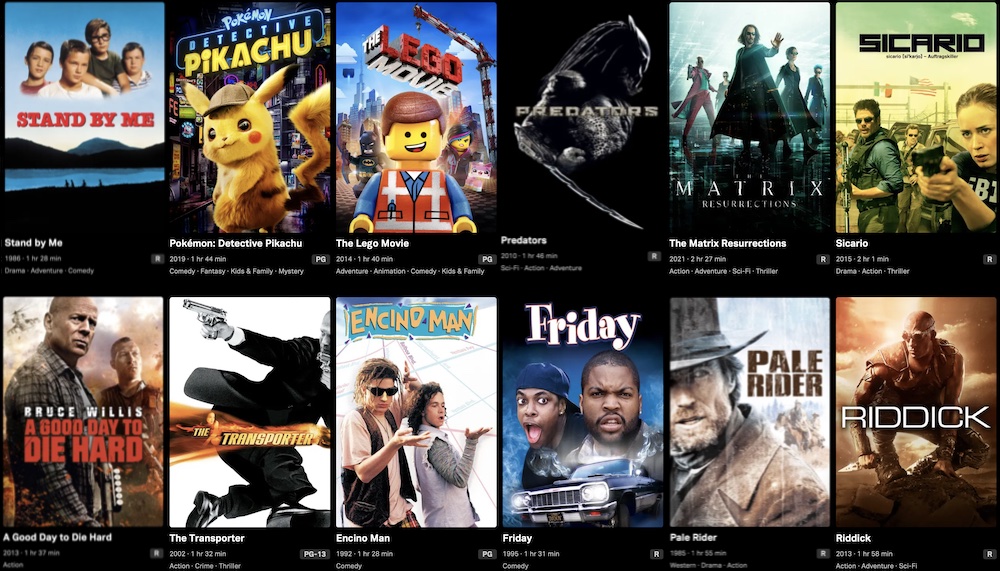
Tubi represents a unique intersection of software engineering and content curation. With a library exceeding 50,000 titles—significantly larger than many of its paid competitors—the technical challenge shifts from content acquisition to content surfacing. This article explores the technological framework of Tubi, the data science behind its recommendation engines, and how viewers can leverage the platform’s digital tools to optimize their viewing experience.
The Evolution of AVOD: How Tubi Redefined the Streaming Experience
To understand what to watch on Tubi, one must first understand the technical evolution of the AVOD model. Unlike Subscription Video On Demand (SVOD), which relies on recurring monthly revenue, Tubi’s tech stack is optimized for high-volume engagement and precision ad-insertion. This requires a backend capable of handling millions of concurrent streams without the financial cushion of subscription fees.
The Backend of Ad-Supported Video On Demand
The infrastructure of Tubi is built on a highly scalable cloud-based architecture. To deliver a seamless “lean-back” experience, the platform utilizes advanced Content Delivery Networks (CDNs) to minimize latency. When a user selects a film or series, the platform doesn’t just play a file; it orchestrates a complex handshake between the content server and the ad-server.
The technical brilliance of Tubi lies in its Server-Side Ad Insertion (SSAI). Unlike older web-based players that often stuttered when switching between a movie and a commercial, Tubi stitches the advertisement directly into the video stream on the server side. This results in a continuous bitstream that prevents ad-blockers from breaking the player and ensures that the transition is as smooth as traditional broadcast television. For the user, this means the “tech debt” of free streaming—buffering and crashes—is virtually non-existent.
Algorithmic Discovery: Why Tubi Knows What You Want Before You Do
With a catalog that spans everything from Hollywood blockbusters to hyper-niche independent cinema, Tubi’s “Content Graph” is its most valuable technological asset. The question of what to watch is answered by a sophisticated machine learning model that analyzes billions of data points.
Tubi’s recommendation engine doesn’t just look at what you’ve watched; it looks at “watch time depth” and “category affinity.” If you engage with a 1970s Italian horror film, the algorithm doesn’t just suggest more horror; it identifies the specific metadata tags—such as director, cinematographer, or even visual tropes—to surface similar aesthetic experiences. This “long-tail” discovery tech is why Tubi is often cited as a favorite for cinephiles; the software is designed to reward curiosity rather than just pushing the latest high-budget release.
Navigating the Catalog: Technical Strategies for Content Discovery
The sheer volume of Tubi can be overwhelming for the uninitiated. However, the platform provides several UI/UX tools designed to help users filter through the noise. Understanding how to interact with the app’s interface can significantly enhance the quality of your “What to Watch” shortlist.
Leveraging Advanced Search and Categorization
Tubi’s interface is built on a philosophy of “horizontal scrolling taxonomies.” While this looks simple, the underlying software categorizes content into highly specific micro-genres. To find the best content, users should look beyond the “Recommended” tab and dive into the specific technological silos created by Tubi’s metadata team.
The search function is powered by an ElasticSearch framework, allowing for high-speed indexing of titles, actors, and descriptions. One pro-tip for navigating the tech: use the “Collections” feature. These are human-curated lists that are then augmented by AI to ensure they remain updated with the latest licensing acquisitions. By following these curated paths, you are essentially utilizing a hybrid of human editorial judgment and algorithmic precision.
The Role of AI in Content Personalization
In recent updates, Tubi has begun integrating more advanced Artificial Intelligence to help users decide what to watch. This includes “Natural Language Processing” (NLP) in search queries. Instead of just searching for “Action Movies,” the system is being optimized to understand more complex queries like “gritty 90s thrillers set in New York.”
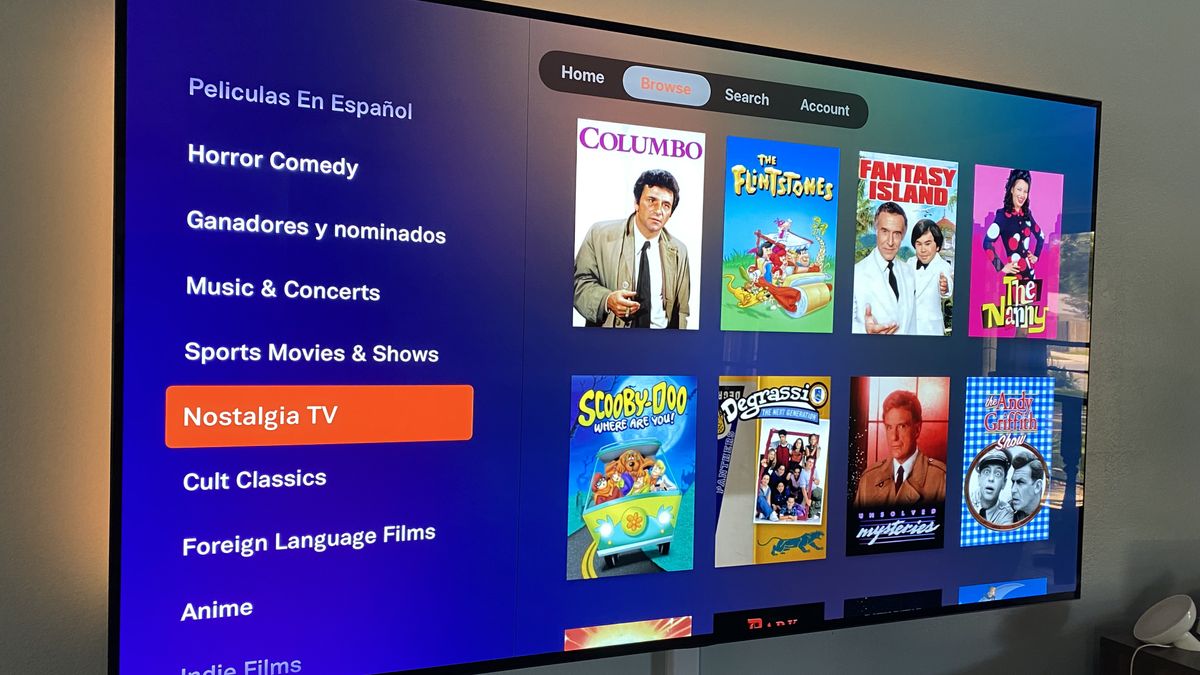
Furthermore, Tubi uses a technique called “Reinforcement Learning” to refine its home screen. Every time you skip a title or hover over a thumbnail without clicking, the software updates your user profile in real-time. This creates a personalized “Front Page” that evolves daily. For the tech-savvy viewer, this means that the more you interact with the niche corners of the library, the more “intelligent” the app becomes at surfacing hidden gems that aren’t promoted on the main banners.
Hardware and Optimization: Getting the Most Out of the Tubi App
A software service is only as good as the hardware it runs on. Tubi has prioritized wide-spectrum compatibility, ensuring that its app runs efficiently on everything from a high-end PlayStation 5 to a legacy Roku stick.
Cross-Platform Performance: From Mobile to Smart TVs
The Tubi engineering team utilizes a “cross-platform codebase” which allows for rapid feature deployment across iOS, Android, and various Smart TV OS environments (like Tizen or WebOS). However, the tech behaves differently depending on the device. On mobile devices, the app is optimized for “vertical discovery” and low-power consumption, whereas the 10-foot UI (the interface used for TVs) focuses on high-resolution imagery and easy remote navigation.
To get the best visual experience, users should ensure their hardware supports HEVC (High Efficiency Video Coding). While Tubi is free, it does support high-bitrate 1080p streaming on compatible devices. The app automatically detects your bandwidth and hardware capabilities to provide the highest possible “Profile” of the video file, ensuring that “what you watch” actually looks professional on a large 4K screen.
Bandwidth Management and Stream Quality
One of the most impressive technical aspects of the Tubi app is its adaptive bitrate streaming. In an era where data caps are a reality for many, Tubi’s player tech is designed to be “bandwidth-aware.” The application uses a series of “chunks” for video delivery; if your Wi-Fi signal drops, the software instantly switches to a lower-bitrate chunk to prevent the video from stopping entirely.
For users on limited data plans, the mobile app includes settings to toggle video quality. This technological flexibility ensures that the platform remains accessible even in regions with sub-optimal internet infrastructure, making it a global leader in the democratized distribution of digital media.
The “Tubi Original” Strategy: Technology Meets Creative Content
As Tubi has matured, it has moved from being a mere aggregator to a producer of original content. This shift is heavily influenced by data science, where “what to watch” is determined by analyzing gaps in the digital marketplace.
Data-Driven Production: Using Analytics to Greenlight Hits
Unlike traditional studios that might greenlight a project based on a “gut feeling” or a celebrity attachment, Tubi’s original programming is informed by deep-layer analytics. By analyzing the search terms that return no results or the genres with the highest “re-watch” rates, Tubi’s tech team can identify exactly what their audience is craving.
If the data shows a surge in interest for “found footage horror” but a lack of new titles in that category, Tubi can use that insight to produce original films that have a guaranteed audience. This is the ultimate synergy of tech and entertainment: using software to minimize the financial risk of content creation.
Integrating Interactive Ad Tech into Original Programming
Finally, Tubi is experimenting with the future of “Interactive Advertising” within its original content. Because they own the platform and the content, they can integrate specialized ad-units that are less intrusive and more relevant. We are seeing the rise of “shoppable” ads and “pause-menu” advertisements that use image recognition tech to display relevant products without interrupting the narrative flow.
For the viewer, this means that the “free” price tag is supported by a more intelligent, less annoying advertising experience. As Tubi continues to refine these technologies, the platform serves as a blueprint for the future of the digital economy—one where high-quality software and sophisticated data analysis provide a premium experience at zero cost to the consumer.
In conclusion, deciding “what to watch on Tubi” is an entry point into one of the most advanced streaming ecosystems available today. By understanding the tech—from the SSAI ad-delivery to the machine-learning-driven discovery engines—users can better navigate the vast digital library and enjoy a seamless, high-definition entertainment experience that rivals any paid service on the market.
aViewFromTheCave is a participant in the Amazon Services LLC Associates Program, an affiliate advertising program designed to provide a means for sites to earn advertising fees by advertising and linking to Amazon.com. Amazon, the Amazon logo, AmazonSupply, and the AmazonSupply logo are trademarks of Amazon.com, Inc. or its affiliates. As an Amazon Associate we earn affiliate commissions from qualifying purchases.