
The traditional job description (JD) was once a static document—a dusty list of responsibilities and a checklist of qualifications filed away in a human resources cabinet. However, in the rapidly evolving landscape of the technology sector, the job description has undergone a radical transformation. It is no longer just a list of tasks; it is a dynamic roadmap of a company’s technological ambitions and a reflection of the fast-paced innovation defining our digital age.
As artificial intelligence, cloud infrastructure, and cybersecurity threats reshape the global economy, the question of “what is the job description” requires a lens that views work through the prism of technical agility and continuous adaptation. In the tech niche, a job description is a declaration of a candidate’s ability to interface with machine intelligence, secure digital assets, and navigate a landscape where the tools used today may be obsolete in eighteen months.
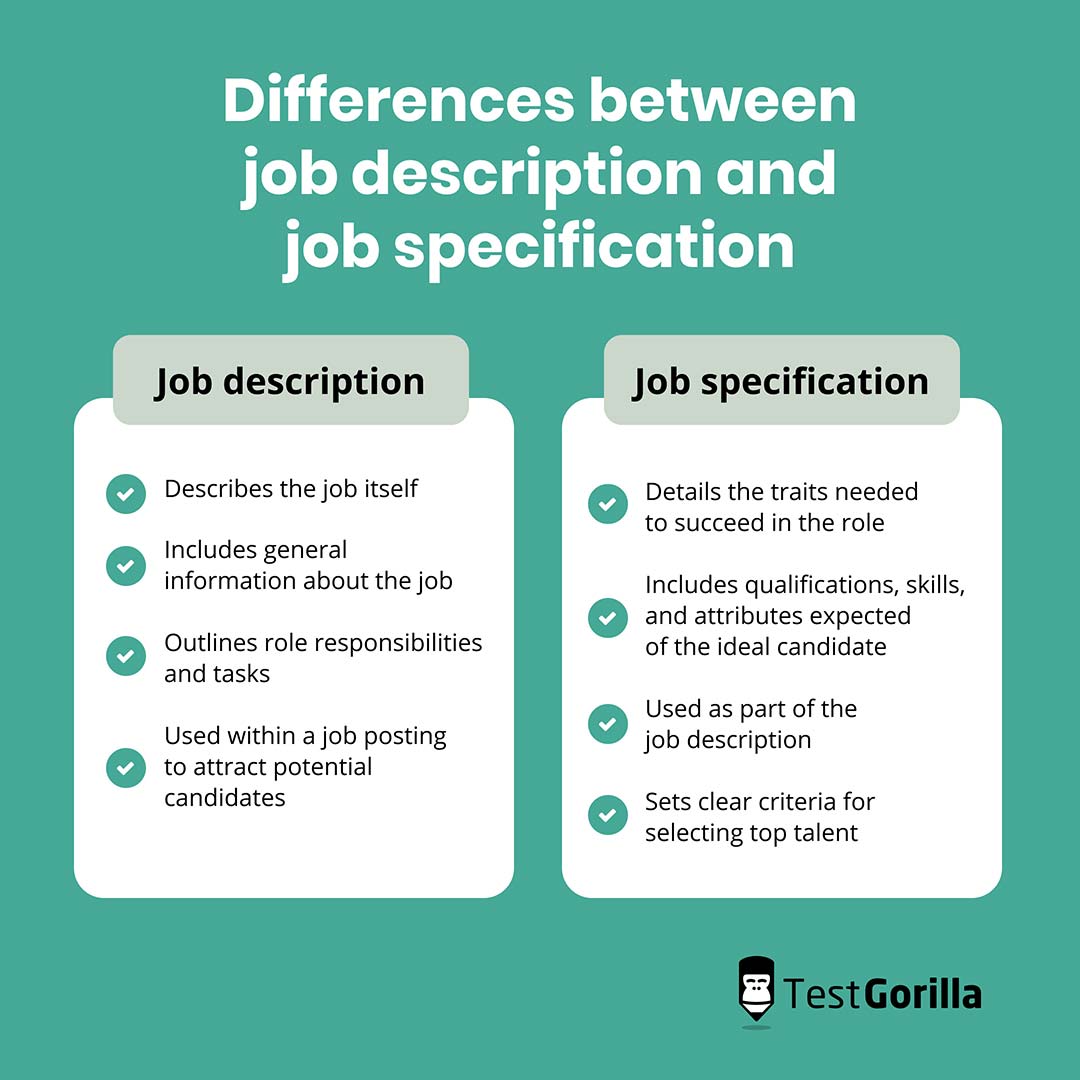
The Evolution of the Technical Job Description
The history of the technical job description mirrors the history of computing itself. In the early days of software development, a job description was largely focused on specific, siloed languages—”COBOL Programmer” or “Systems Administrator.” Today, the lines between these roles have blurred, leading to a new architecture for how we define work.
From Task-Based Lists to Capability Frameworks
Modern tech companies have largely abandoned the “grocery list” approach to job descriptions. Instead of listing twenty specific tasks, modern JDs focus on “capability frameworks.” These frameworks emphasize the ability to solve complex problems and learn new frameworks on the fly. In the tech world, the “what” of a job (the specific tasks) is often less important than the “how” (the methodology and technical logic). Employers are looking for individuals who can demonstrate a “growth mindset”—a term that has moved from a buzzword to a technical requirement in software engineering JDs.
The Rise of Hybrid Roles: Merging Development and Operations
One of the most significant shifts in the technical job description is the emergence of the “Full-Stack” and “DevOps” paradigms. Previously, a developer wrote code and an operations specialist deployed it. Now, the job description for a DevOps Engineer or a Site Reliability Engineer (SRE) requires a blend of software engineering, systems architecture, and automated testing. This fusion signifies a broader trend in tech: the expectation that every professional understands the entire lifecycle of a digital product, from the first line of code to the final user experience.
Decoding Modern Tech Roles: AI, Data, and Software Ecosystems
As we move deeper into the 2020s, the job description has become a battlefield for talent in emerging fields like Artificial Intelligence (AI) and Data Science. These descriptions are often the first place where new industry standards are established.
The AI Specialist: A New Language for Work
Perhaps no role has changed more rapidly than those involving AI. A job description for an AI or Machine Learning (ML) Engineer today looks vastly different than it did five years ago. Beyond knowing Python or R, these descriptions now require expertise in Large Language Models (LLMs), neural network optimization, and vector databases. Furthermore, a new sub-category has emerged: the Prompt Engineer. This role represents a fundamental shift in the JD—moving from writing code to “programming” AI through natural language. It challenges our traditional understanding of a “technical” job by prioritizing linguistic precision alongside algorithmic understanding.
Full-Stack Versatility in an AI-Driven Ecosystem
In the current tech climate, a “Full-Stack Developer” is no longer just someone who knows HTML, CSS, and JavaScript. The modern job description for this role now frequently includes requirements for integrating AI APIs (like OpenAI or Anthropic), managing containerized environments via Docker or Kubernetes, and ensuring front-end performance in a world of heavy client-side processing. The job description has expanded horizontally, requiring a breadth of knowledge that spans multiple layers of the technology stack.
How Automation and AI Tools Are Rewriting the JDs of the Future

Interestingly, technology is not just changing the content of job descriptions; it is changing how they are created and fulfilled. The intersection of HR technology and AI has led to a more data-driven approach to defining work.
Predictive Hiring: Using Algorithms to Define Scope
Enterprises are now using AI-powered tools to analyze billions of data points across the global labor market to determine what a job description should contain. These tools look at competitor postings, emerging skill trends, and internal performance data to “predict” the skills needed for a role to be successful three years from now. Consequently, the job description is becoming a predictive document. If an AI detects a surge in “Rust” programming language adoption within the cybersecurity sector, it will automatically suggest adding that skill to upcoming recruitment drives, even before the human managers realize the need.
The Shrinking Lifespan of Technical Skillsets
The “half-life” of a technical skill is now estimated to be around five years. This reality is reflected in the way job descriptions are weighted. We are seeing a move away from “years of experience” toward “evidence of recent projects.” A job description might state a preference for three years of experience, but the core requirements often focus on the ability to demonstrate proficiency in a tool that has only existed for twelve months. This forces the job description to be a “living document,” frequently updated to reflect the current versioning of the tech stack.
Digital Security and the Ethical Dimension of Tech Roles
In an era of frequent data breaches and ethical concerns regarding AI bias, the job description has taken on a new layer of responsibility: the ethical and security mandate.
The Security-First Mindset in Every Description
In the past, “Security” was a department. Today, security is a requirement in every technical job description. Whether you are a Front-End Developer, a Database Administrator, or a Product Manager, the JD will likely include clauses regarding “SecDevOps” or “Security by Design.” This shift acknowledges that in a hyper-connected world, every technical professional is a gatekeeper of digital security. The job description now mandates a fundamental understanding of encryption, identity management, and threat modeling.
AI Ethics and Governance: The New Essential Competency
As companies deploy autonomous systems, the job description for tech leaders and engineers is beginning to include “Ethical Oversight” and “Algorithmic Accountability.” Professionals are now expected to audit their own AI models for bias and ensure compliance with emerging digital regulations like the EU AI Act. This represents a maturing of the tech industry, where the job description balances the “how to build” with the “should we build.”
Navigating the Tech Job Market: A Blueprint for the Modern Professional
For the modern professional, understanding “what is the job description” is the key to career longevity. In the tech niche, the JD serves as a signal for where the industry is heading. To remain competitive, one must look past the specific titles and analyze the underlying technology trends embedded within the text.
The job description of the future will likely be even less about specific tools and more about the interface between human creativity and machine efficiency. We are moving toward a world of “Augmented Roles,” where a job description assumes the professional will be working alongside an AI co-pilot. In this environment, the most valuable skill—and the one that will appear at the top of every job description—is “Technical Adaptability.”

The Power of Continuous Upskilling
Because the job description is a moving target, the most successful tech professionals are those who treat their own career development as an ongoing “Software Update.” When a new technology like Quantum Computing or Edge AI begins to appear in job descriptions, the proactive professional has already begun the learning process. The job description, therefore, is not just a hurdle to clear to get hired; it is a curriculum for professional survival in the digital age.
In conclusion, the job description in the technology sector is a sophisticated synthesis of current needs and future possibilities. It reflects the convergence of AI, the necessity of robust digital security, and the demand for hybrid professionals who can bridge the gap between complex code and human-centric solutions. By understanding the nuances of these modern JDs, both employers and employees can better navigate the complexities of our increasingly digital world, ensuring that the human element remains the driving force behind the machines.
aViewFromTheCave is a participant in the Amazon Services LLC Associates Program, an affiliate advertising program designed to provide a means for sites to earn advertising fees by advertising and linking to Amazon.com. Amazon, the Amazon logo, AmazonSupply, and the AmazonSupply logo are trademarks of Amazon.com, Inc. or its affiliates. As an Amazon Associate we earn affiliate commissions from qualifying purchases.