
In the landscape of consumer packaged goods (CPG), few sectors are as fiercely competitive or as culturally significant as the frozen pizza market. When a consumer asks, “What is the best frozen pizza?” they are rarely making a purely objective decision based on chemical compositions or nutritional data. Instead, they are responding to a complex interplay of brand equity, sensory marketing, and strategic positioning. In an industry valued at over $16 billion globally, the title of “the best” is not just a culinary accolade; it is a hard-won victory in brand strategy.
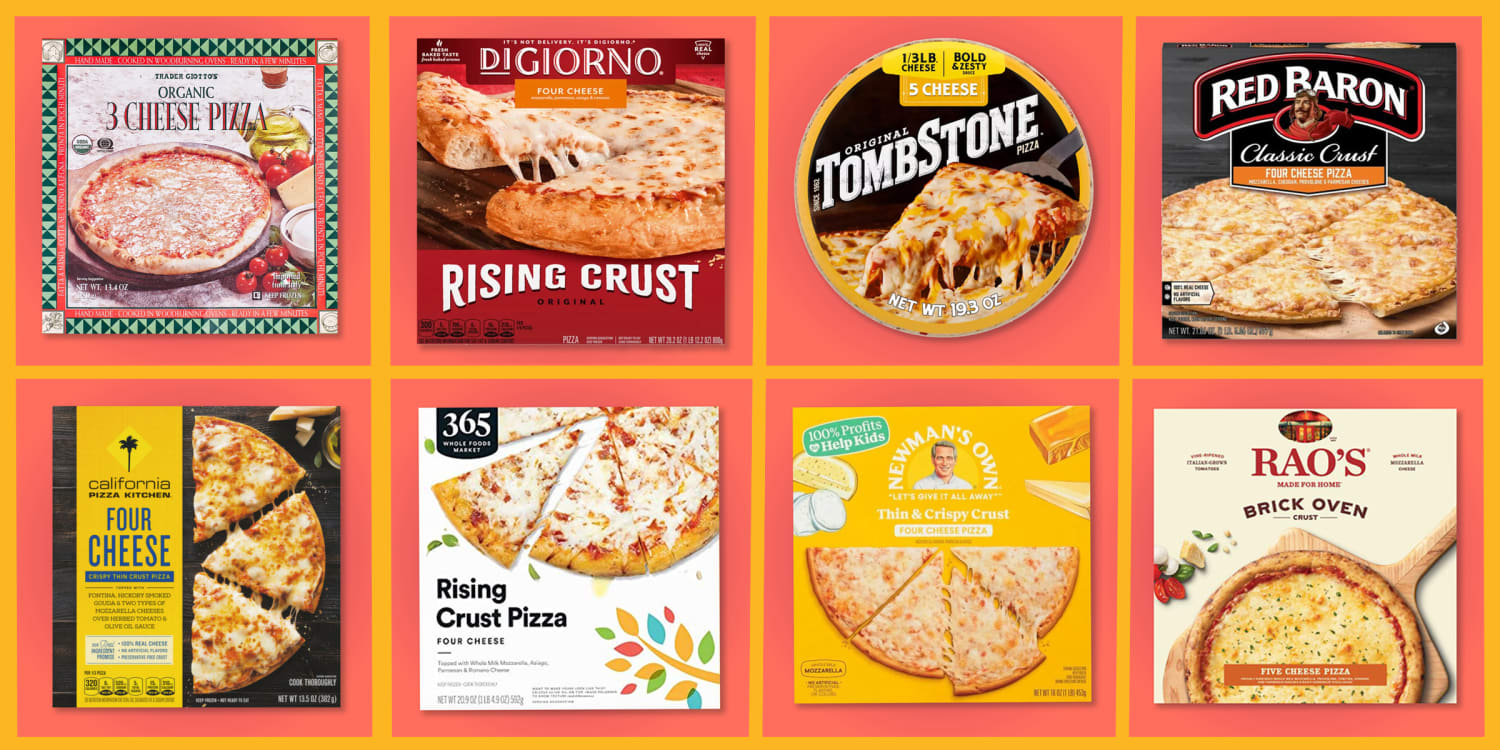
To understand why certain names dominate the freezer case while others languish on the bottom shelf, we must look beyond the crust and cheese. We must examine the corporate identities, the psychological triggers of their marketing campaigns, and the way these brands have successfully carved out specific niches in the minds of a diverse global audience.
The Architecture of Brand Perception: Why “Best” Is a Marketing Metric
The concept of “the best” is the ultimate goal of any brand manager. In the frozen pizza category, the perception of quality is meticulously engineered. Companies do not just sell food; they sell a specific promise—whether that promise is value, indulgence, health, or nostalgia.
Commodity vs. Experience: Defining the Value Proposition
At its core, a frozen pizza could be viewed as a commodity—a basic staple found in nearly every household. However, the top-performing brands move away from commoditization by creating an “experience.” Brands like DiGiorno and Screamin’ Sicilian have mastered this by moving the conversation away from “frozen food” and toward “restaurant-quality experiences at home.”
By emphasizing the “experience” through high-end packaging and bold claims, these brands justify a premium price point. When a consumer identifies a brand as “the best,” they are usually signaling that the brand’s value proposition aligns perfectly with their personal priorities. For some, “best” means the most consistent; for others, it means the most adventurous toppings.
The Psychology of Convenience Branding
The frozen pizza industry thrives on the “convenience” brand pillar. However, the most successful brands understand that convenience alone is a race to the bottom. To be perceived as the best, a brand must bridge the gap between “easy to prepare” and “pride in serving.” This is a delicate psychological balance. Brands that position themselves too heavily on “speed” risk being perceived as low-quality. Conversely, brands that focus entirely on “artisan quality” might intimidate the consumer looking for a quick Tuesday night dinner. The market leaders are those that successfully brand themselves as “High-Quality Convenience.”
Case Studies in Dominance: DiGiorno vs. The World
To analyze the “best” in the business, one must look at the titans of the industry. The strategies employed by market leaders offer a masterclass in corporate identity and competitive positioning.
The “It’s Not Delivery” Campaign: A Masterclass in Competitive Positioning
Perhaps the most iconic piece of brand strategy in the history of frozen food is DiGiorno’s “It’s Not Delivery. It’s DiGiorno.” This was a stroke of marketing genius because it didn’t compare DiGiorno to other frozen pizzas; it compared the product to an entirely different service category: the local pizzeria.
By reframing the competitive set, DiGiorno effectively raised the ceiling for what a frozen pizza could be. They stopped competing with the $3 budget brands and started competing with the $20 delivery brands. This repositioning allowed them to capture a massive market share by offering “delivery quality” at a “frozen price.” This campaign created a lasting brand equity that remains a benchmark for the industry today.
Leveraging Brand Equity in Retail Environments
Large conglomerates like Nestlé and Schwan’s use their corporate weight to ensure their brands (DiGiorno, Red Baron, Tony’s) occupy the most valuable “eye-level” real estate in the freezer aisle. But physical presence is only half the battle. They maintain their status as “the best” through consistent brand messaging.
Red Baron, for example, has leaned heavily into the “Hero of Mealtime” persona, targeting the “moms and dads who do it all.” Their branding isn’t about being gourmet; it’s about being the reliable, family-friendly choice that everyone can agree on. Their success proves that being the “best” often means being the most “relatable” to the target demographic.
Niche Disruptors and the Rise of the Premium Segment
While the legacy brands focus on mass-market appeal, a new wave of disruptors is redefining what “best” means through the lens of specialty branding and lifestyle alignment.
Health-Conscious Branding: Caulipower and the Gluten-Free Revolution
The rise of Caulipower is a fascinating case study in brand disruption. By identifying a gap in the market—consumers who wanted pizza but were restricted by health or dietary needs—Caulipower didn’t just launch a product; they launched a movement.
Their branding is clean, vibrant, and unapologetically “better-for-you.” They successfully leveraged the trend of “stealth health,” where the product feels like a treat but carries the halo of a vegetable-based crust. In this niche, Caulipower is “the best” because they have become synonymous with the category of healthy frozen pizza. Their brand identity is built on transparency and empowerment, which resonates deeply with the modern, health-literate consumer.
Authenticity and Heritage: Using Storytelling to Justify Premium Pricing
Brands like Screamin’ Sicilian and Newman’s Own use storytelling as a core component of their brand strategy. Screamin’ Sicilian uses aggressive, craft-beer-style aesthetics and “over-the-top” ingredient stories to appeal to millennial and Gen Z consumers who value “authenticity” and “boldness.”
Meanwhile, Newman’s Own leverages the “brand with a purpose” model. Their “100% Profits to Charity” mission creates a powerful emotional hook. For many consumers, the “best” frozen pizza is the one that allows them to feel good about their purchase. This philanthropic brand identity creates a competitive advantage that is nearly impossible for purely profit-driven competitors to replicate.
Strategic Distribution and Visual Identity
In the frozen food aisle, where consumers are often making split-second decisions in a cold environment, visual identity and distribution strategy are paramount.
Package Design: Communicating Taste through Visual Cues
The “best” brands are those that can communicate taste, texture, and aroma through a cardboard box. This is achieved through high-production food photography—often referred to as “the hero shot.” Brands targeting a premium market often use matte finishes, dark backgrounds, and “craft” typography to signal quality. Brands targeting families and value-seekers use bright reds, yellows, and high-contrast imagery to signal energy and affordability.
The visual identity must be a seamless extension of the brand’s core promise. If a brand claims to be “authentic Neapolitan,” but the box looks like a budget toy, the cognitive dissonance will prevent the consumer from ever labeling it as “the best.”
Private Label Strategies: The Kirkland and Trader Joe’s Factor
We cannot discuss the “best” frozen pizza without mentioning private label brands like Costco’s Kirkland Signature or Trader Joe’s. These brands have flipped the script on traditional marketing. They spend almost nothing on advertising, relying instead on the “store brand halo.”
By leveraging the trust consumers already have in the parent brand (Costco or Trader Joe’s), these products are often perceived as being of higher quality than national brands at a lower price point. The brand strategy here is “Value-Informed Quality.” They have successfully convinced the consumer that they are getting a “secret” deal—a premium product without the “marketing tax” of the big brands.

Future Outlook: Maintaining Brand Relevance in a Changing Market
As consumer preferences shift toward sustainability, plant-based diets, and hyper-localization, the brands currently sitting at the top of the “best” list must evolve or risk obsolescence.
Maintaining a “best” status requires constant innovation in brand narrative. This includes:
- Sustainability as Branding: Moving toward recyclable packaging and carbon-neutral production is no longer optional; it is becoming a core part of brand identity for the next generation of consumers.
- Digital Engagement: Brands that engage with consumers via social media—using humor, recipes, and user-generated content—build a community that transcends the freezer aisle.
- The Rise of Personalization: As data becomes more sophisticated, we may see brands moving toward “customizable” frozen pizza identities, targeting specific micro-segments of the population with surgical precision.
In conclusion, “the best frozen pizza” is a title that exists at the intersection of product quality and masterful branding. Whether it is DiGiorno’s clever competitive positioning, Caulipower’s health-focused disruption, or Kirkland’s value-driven trust, the winners in this space are the ones who understand that their most important ingredient isn’t the cheese or the crust—it’s the brand strategy. In the end, the consumer doesn’t just buy a pizza; they buy into a brand story that fits their life.
aViewFromTheCave is a participant in the Amazon Services LLC Associates Program, an affiliate advertising program designed to provide a means for sites to earn advertising fees by advertising and linking to Amazon.com. Amazon, the Amazon logo, AmazonSupply, and the AmazonSupply logo are trademarks of Amazon.com, Inc. or its affiliates. As an Amazon Associate we earn affiliate commissions from qualifying purchases.