
In the multi-billion dollar pet care industry, the question “What is the best dog food for puppies?” is rarely answered by nutritional science alone. To a brand strategist, this question represents a masterclass in market positioning, emotional triggers, and consumer psychology. When a new pet owner stands in a retail aisle or scrolls through a digital marketplace, they aren’t just looking for protein ratios or vitamin D content; they are looking for a brand that mirrors their values, promises a future of health for their new companion, and validates their identity as a responsible “pet parent.”
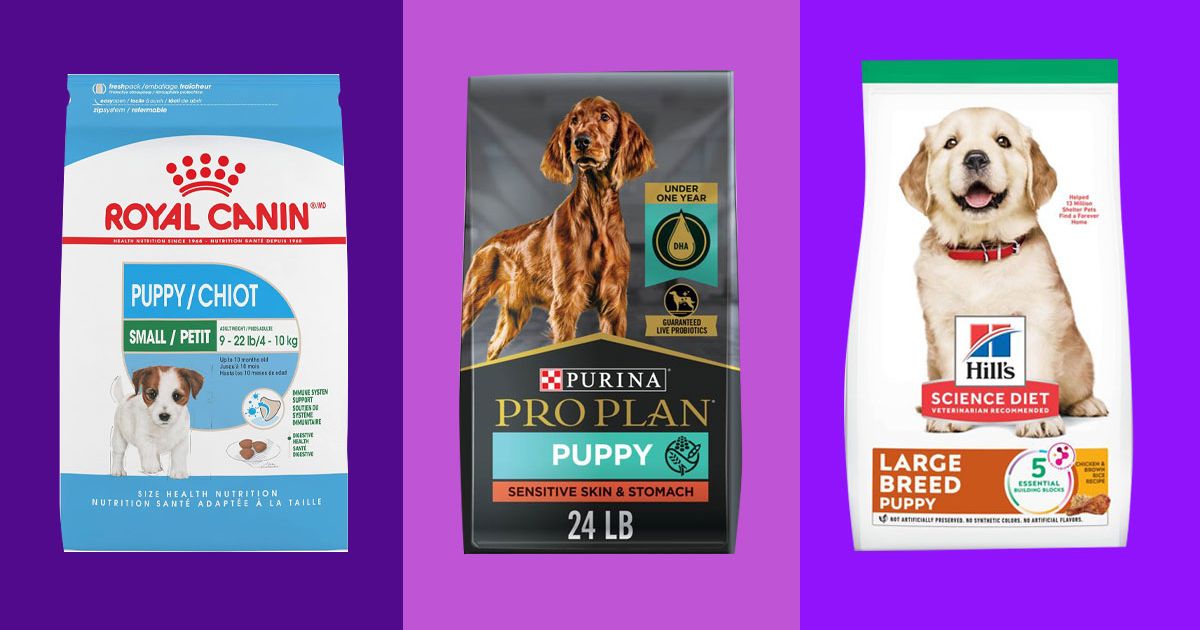
In this analysis, we will deconstruct the “best” puppy food not through the lens of biology, but through the lens of brand strategy. We will explore how elite companies use corporate identity, narrative storytelling, and innovative marketing to capture the loyalty of a demographic that is notoriously difficult to churn once converted.
The Anatomy of Premium Branding in the Pet Industry
The pet food market has undergone a radical transformation over the last decade, shifting from a commodity-based “feed” industry to a lifestyle-driven “nutrition” industry. This shift is rooted in the “humanization” of pets, a trend where brands treat puppies not as livestock, but as family members.
Quality Signaling and Visual Identity
In a market where the average consumer cannot scientifically verify the quality of the product inside a sealed bag, visual identity becomes the primary proxy for quality. The “best” brands utilize specific design languages to signal premium status. For legacy luxury brands, this often involves minimalist packaging, matte finishes, and earth-toned palettes that suggest “natural” and “organic” origins.
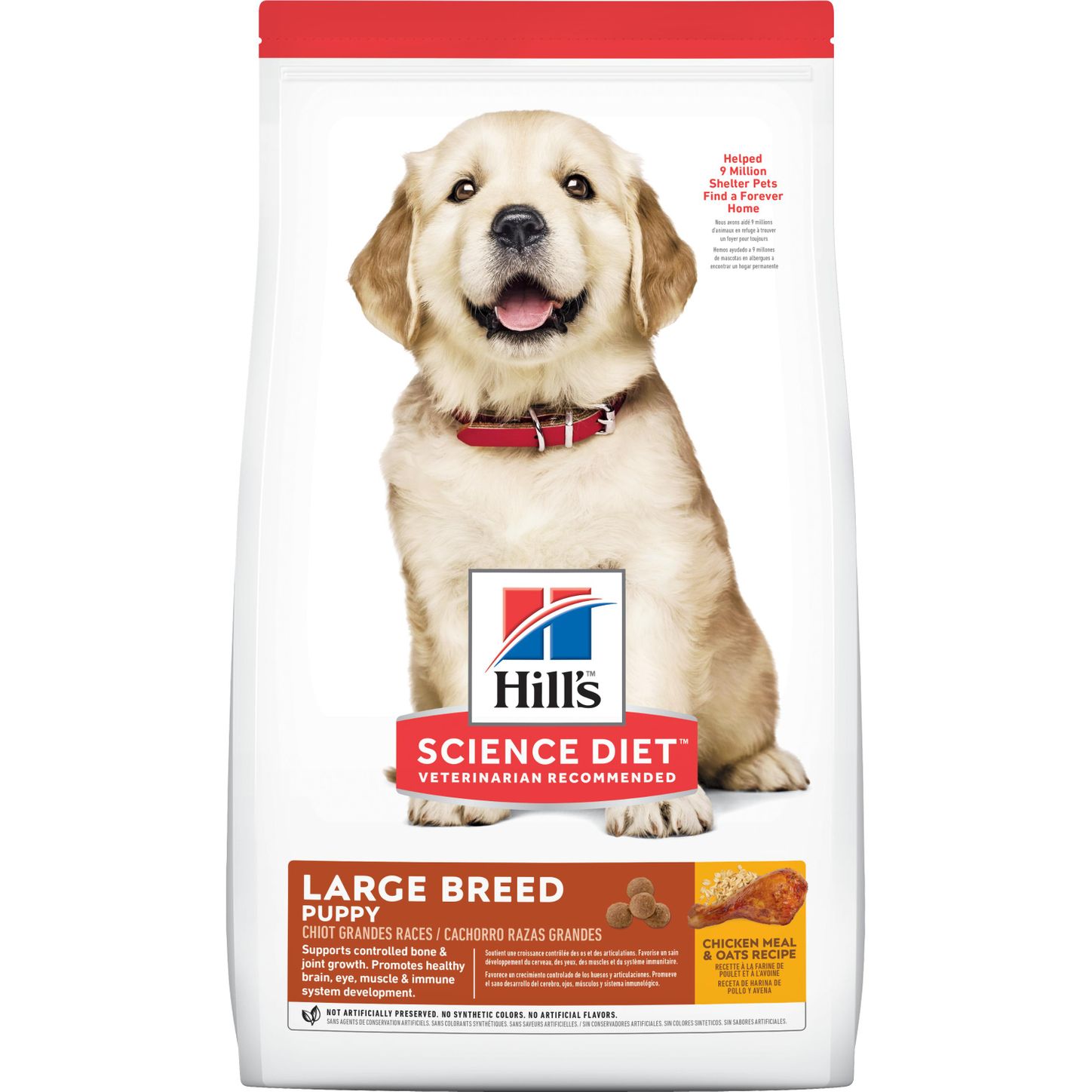
Conversely, “science-backed” brands like Hill’s Science Diet or Royal Canin use a medicalized visual identity—heavy on white space, clean typography, and clinical imagery. This strategy creates a brand aura of authority and veterinary endorsement. The visual identity isn’t just about looking good; it is a strategic tool designed to reduce “purchase anxiety” in puppy owners who are overwhelmed by choice.
The Power of Narrative: From Farm to Bowl
Successful branding in the puppy food space relies heavily on the “origin story.” Brands like The Farmer’s Dog or Nom Nom have disrupted the market by shifting the narrative from “processed kibble” to “human-grade meals.” Their brand strategy focuses on transparency and the supply chain. By highlighting where ingredients are sourced and how they are prepared (e.g., “gently cooked,” “small-batch”), these brands build a narrative of care that justifies a significantly higher price point. This storytelling allows the brand to move away from price-competition and into the realm of value-based branding, where the consumer is paying for the peace of mind that comes with a perceived higher standard of ethics.
Market Positioning: How Top Brands Win the Puppy Lifecycle
The puppy stage is the most critical acquisition window for pet food brands. If a brand can win a consumer when their dog is eight weeks old, the Lifetime Value (LTV) of that customer is immense. Strategically, “puppy” products act as the “entry drug” for a brand’s entire ecosystem.
The Emotional Hook of Puppyhood
Puppyhood is a period defined by vulnerability and transition. Brands that position themselves as a “partner in growth” rather than just a “food provider” tend to win. This is achieved through content marketing that provides value beyond the product. For instance, a brand that offers a free “Puppy Training Guide” or a “Growth Tracker” app is engaging in personal branding that establishes the company as a mentor. By solving the customer’s broader problems—such as house training or teething—the brand earns a level of trust that makes the specific nutritional product a secondary consideration. The “best” food is often simply the one associated with the most helpful brand.
Subscription Models and Brand Loyalty
Modern pet brand strategy relies heavily on the Direct-to-Consumer (DTC) subscription model. By framing puppy food as a recurring service rather than a one-time purchase, brands like Ollie or We Feed Raw create a “sticky” ecosystem. Strategically, this accomplishes two things: it removes the friction of the re-purchase decision and it gathers massive amounts of first-party data. These brands use data to customize “meal plans” for individual puppies, which is a powerful psychological branding tool. When a bag of food arrives with the puppy’s name printed on it, the brand has moved from a generic product to a personalized service, making it much harder for the consumer to switch to a competitor.
Case Studies: Disruptors vs. Legacy Giants
The pet food landscape is currently a battleground between established corporate giants and agile, tech-forward startups. Analyzing their competing brand strategies reveals how the definition of the “best” dog food is being rewritten.
The Rise of Direct-to-Consumer (DTC) Brands
DTC brands have redefined puppy food branding by focusing on the “unboxing experience” and digital community. Brands like BarkBox (with their food line, BARK Food) have utilized their existing personal branding—fun, quirky, and community-focused—to enter the nutrition space. Their strategy is built on personality. While a legacy brand might talk about “crude protein percentages,” a DTC disruptor talks about “making your dog’s tail wag.” This emotional resonance, combined with the convenience of doorstep delivery, appeals to the Millennial and Gen Z demographics who value brand alignment and ease of use over traditional retail presence.
Rebranding Traditional Kibble for a New Generation
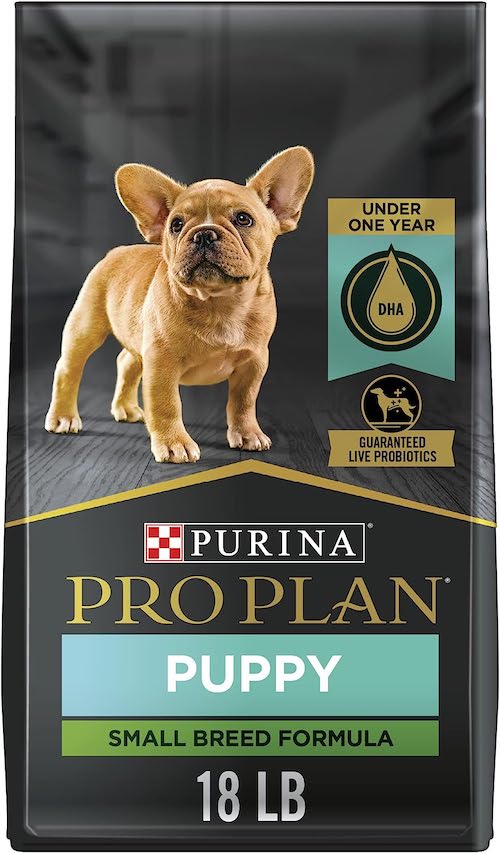
Legacy giants like Purina (Nestlé) or Blue Buffalo (General Mills) have responded to these disruptors by launching “sub-brands” or acquiring boutique labels. Their strategy is one of portfolio diversification. By owning both a budget-friendly line and a super-premium, grain-free line, they can capture different segments of the market without diluting their primary corporate identity.
A key case study is Blue Buffalo’s “Life Protection Formula.” They disrupted the legacy market years ago by using a “comparative marketing” strategy—literally showing their ingredients next to competitors’ in commercials. This was a bold brand move that forced the entire industry to prioritize “real meat” as the first ingredient, proving that in branding, the one who sets the criteria for “quality” usually wins the market.
Trust as the Ultimate Currency
In the pet industry, brand equity is fragile. Because pets cannot voice their preferences or health issues, the brand must speak for them. This makes trust the most valuable asset a company possesses.
Navigating Recalls and Reputation Management
Nothing destroys a pet food brand faster than a product recall. For a brand to be considered the “best,” it must have a robust crisis management strategy. Brands that survive recalls are those that have built a “trust reservoir” through years of transparent communication and consistent corporate identity. When a brand like Royal Canin faces a supply chain issue, their established reputation for “scientific rigor” allows them to bounce back more quickly than a newer, unproven brand. Strategic reputation management involves being proactive—communicating issues before they become viral and prioritizing consumer safety over short-term profits.
The Role of Expert Endorsement and Community
Finally, the “best” brands leverage the power of social proof and expert endorsement. In the branding world, this is known as “authority transfer.” When a veterinarian recommends a specific puppy food, their professional brand authority is transferred to the product. Similarly, influencer marketing plays a massive role in the puppy space. Seeing a trusted “pet-fluencer” use a specific brand of food creates a lifestyle aspirational effect.
The strategy here is to build a community around the brand. Whether through Facebook groups for breed-specific owners or branded “puppy playdates,” these initiatives turn customers into brand advocates. In the modern economy, the best dog food for puppies isn’t just the one with the best ingredients; it’s the one that has successfully built the most credible and emotionally resonant brand ecosystem.
In conclusion, identifying the “best” dog food is an exercise in evaluating brand strategy. It is the intersection of visual identity, narrative storytelling, emotional positioning, and the relentless pursuit of consumer trust. For the pet owner, the choice is personal; for the brand, the choice is the result of a meticulously crafted corporate identity designed to win a place in the family home.
aViewFromTheCave is a participant in the Amazon Services LLC Associates Program, an affiliate advertising program designed to provide a means for sites to earn advertising fees by advertising and linking to Amazon.com. Amazon, the Amazon logo, AmazonSupply, and the AmazonSupply logo are trademarks of Amazon.com, Inc. or its affiliates. As an Amazon Associate we earn affiliate commissions from qualifying purchases.