
The allure of antiques is undeniable. They whisper tales of bygone eras, possess a tangible connection to history, and often represent significant financial value. But what truly defines an object as an “antique”? Is it simply its age, or are there more nuanced criteria at play? For collectors, investors, and history enthusiasts alike, understanding the definition of an antique is crucial for acquisition, appraisal, and preservation. This exploration delves into the multifaceted definition of an antique, moving beyond mere age to encompass historical significance, craftsmanship, rarity, and the economic factors that contribute to its enduring appeal.
The Age Factor: A Foundation, But Not the Whole Story
While age is undeniably the primary characteristic of an antique, the threshold for what constitutes an antique can vary depending on the context and the specific item in question. Broadly speaking, an object is generally considered an antique if it is at least 100 years old. This convention, widely adopted by customs agencies, auction houses, and collectors, provides a clear and consistent benchmark.
The 100-Year Rule: A Global Standard
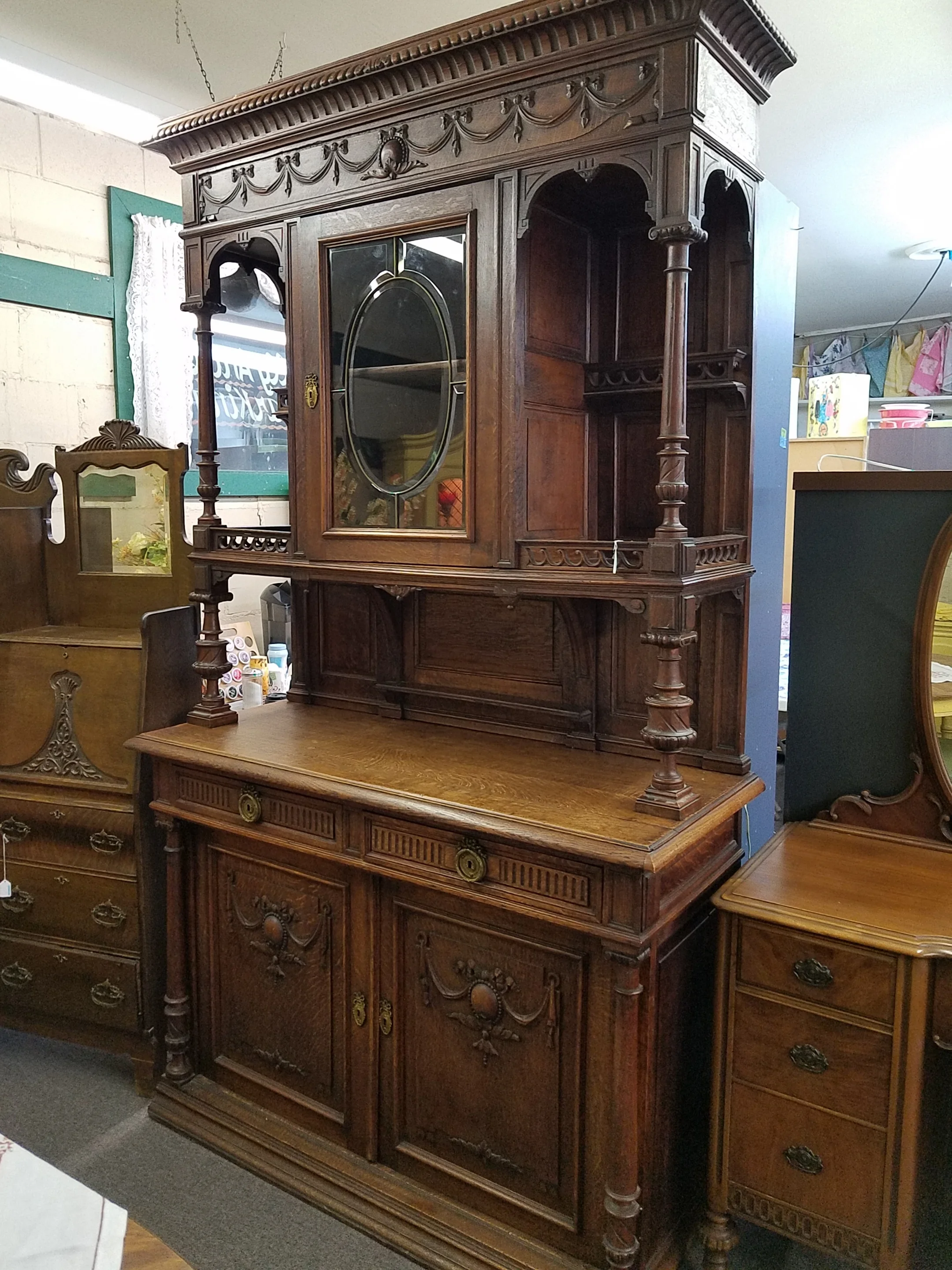
The 100-year mark serves as a significant historical dividing line. Objects predating the early 20th century often possess a distinct character, reflecting manufacturing techniques, artistic styles, and societal values that differ markedly from modern production. For instance, a piece of furniture crafted by hand using traditional joinery and natural wood finishes from the late 19th century will likely exhibit a quality and patina unattainable through mass-produced contemporary equivalents. Similarly, ceramics from this era, often hand-painted or fired in kilns with unique characteristics, carry a distinct historical weight.
The 100-year rule is particularly relevant for international trade and import duties. Many countries offer preferential treatment, such as exemption from tariffs, to items classified as antiques. This economic incentive underscores the recognized historical and cultural value attributed to these older objects. However, it’s important to note that this is a general guideline, and specific exceptions or interpretations may exist within certain collecting communities or for particular types of items.
Beyond the Century Mark: The Nuances of “Vintage” and “Collectible”
While 100 years is the standard for “antique,” the terms “vintage” and “collectible” often describe items that fall short of this age but are still highly prized. “Vintage” typically refers to items that are at least 20 years old but less than 100. These items often represent a specific era or style and are sought after for their nostalgic appeal or their embodiment of a particular design movement. Think of 1950s diners, 1970s fashion, or early personal computers. These items, while not antiques, can hold significant value and desirability.
“Collectible” is a broader term that can encompass items of any age that are sought after by enthusiasts. This can include modern art, limited-edition sneakers, or even specific types of memorabilia. The value of collectibles is often driven by scarcity, demand, and the passion of their collectors, rather than solely by age. Understanding these distinctions is crucial when navigating the world of older and desirable objects, ensuring accurate classification and informed purchasing decisions.
Historical Significance and Context: More Than Just Age
While age is a prerequisite, the true value and definition of an antique are significantly amplified by its historical significance and the context in which it was created and used. An object is not just old; it’s a snapshot of a particular time, culture, and way of life.
A Window to the Past: Social and Cultural Narratives
Antiques offer tangible connections to the past, allowing us to understand the social, cultural, and economic conditions of bygone eras. A meticulously crafted writing desk from the Georgian period, for example, speaks to the importance of correspondence and the social rituals associated with letter writing during that time. The materials used, the design, and the craftsmanship all reflect the prevailing aesthetic sensibilities and the available technologies of the era.
Similarly, a piece of pottery adorned with motifs specific to a particular region or historical event can tell a story about the people who created and used it. A Civil War-era sword is not just a weapon; it’s a symbol of conflict, courage, and the historical events that shaped a nation. The patina on a silver tea set can bear witness to generations of use, family gatherings, and the evolution of domestic life. These objects become artifacts that enrich our understanding of human history, providing insights that written records alone cannot fully convey.
Craftsmanship and Materials: The Artistry of Yesteryear
The craftsmanship and materials employed in the creation of an antique are often indicators of its quality and value. Before the advent of mass production, many items were meticulously handcrafted by skilled artisans. The attention to detail, the precision of the joinery, the quality of the wood, the purity of the metals, or the delicacy of the porcelain all speak to the dedication and expertise of the maker.
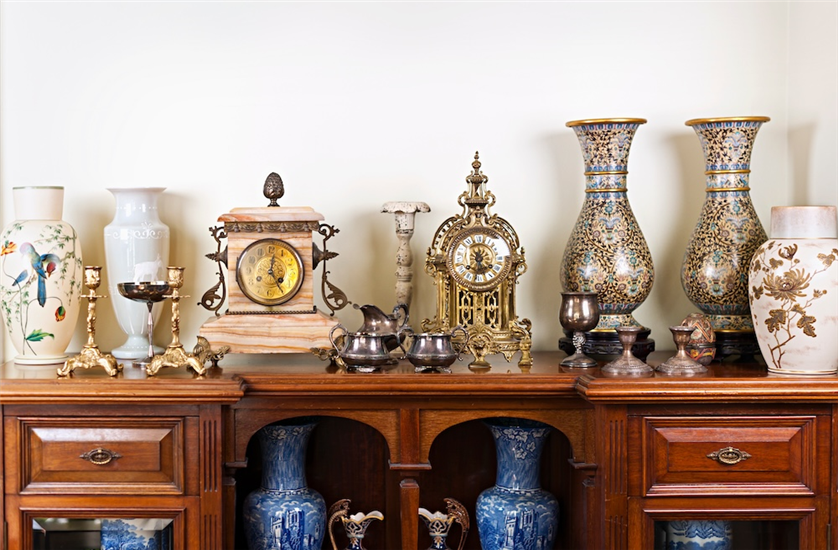
For example, antique furniture often showcases intricate hand-carving, dovetail joints, and the use of rare or exceptionally well-preserved woods that are no longer readily available or economically feasible to use today. Similarly, antique jewelry, particularly from eras like Art Nouveau or Art Deco, often features hand-set gemstones, intricate filigree work, and unique design elements that showcase the jeweler’s artistry. The materials themselves can also be significant – rare woods, precious metals, fine silks, or hand-blown glass all contribute to an antique’s intrinsic value and historical appeal. Examining these aspects allows for a deeper appreciation of the skill and dedication involved in creating objects that have stood the test of time.
Rarity and Condition: Factors Influencing Value and Desirability
Beyond age and historical context, the rarity of an antique and its condition play pivotal roles in determining its desirability and market value. Even an object of significant age and historical importance can have its value diminished if it is commonplace or in poor repair.
Scarcity and Uniqueness: The Collector’s Prize
The principle of supply and demand is fundamental to the antique market. An item that is one of a kind, or one of only a few surviving examples, will inherently be more valuable than an object that was produced in large quantities. Rarity can stem from various factors, including limited production runs, the destruction of many examples through time or disaster, or the fact that an item was commissioned for a specific, exclusive purpose.
For instance, a handwritten letter from a prominent historical figure, while not necessarily old in the grand scheme, is rare and therefore highly collectible. Similarly, a specific model of a musical instrument that was only produced for a short period and in limited numbers will be more sought after than a more common instrument. The uniqueness of an object, whether it’s a distinctive design, a rare material combination, or a unique provenance, can significantly elevate its status and desirability among collectors.
Preservation and Patina: The Story of Survival
The condition of an antique is paramount. While some minor wear and tear, often referred to as “patina,” can add to an object’s charm and tell its story, significant damage can drastically reduce its value. A well-preserved antique, showing minimal signs of deterioration or repair, will always command a higher price than a damaged or heavily restored piece.
Patina refers to the natural aging process that affects materials like wood, metal, and textiles. It can manifest as a subtle darkening of wood, a gentle tarnish on metal, or a softening of fabric. A desirable patina is one that suggests authenticity and age without indicating neglect or structural weakness. Conversely, significant issues such as cracks, chips, missing parts, woodworm damage, or fading can require costly restoration, which may not always fully restore the item’s original value and can sometimes detract from its authenticity. Therefore, the condition of an antique is a critical factor for both collectors and investors, influencing not only its monetary worth but also its aesthetic appeal and historical integrity.
The Economic Dimension: Antiques as Investments
The world of antiques is not solely driven by historical curiosity or aesthetic appreciation; it also represents a significant investment market. For many, antiques are not just objects of beauty but also tangible assets that can appreciate in value over time.
Market Dynamics and Investment Potential
The antique market is influenced by a complex interplay of economic factors, collector demand, and market trends. Like any investment, the value of antiques can fluctuate. However, certain categories of antiques, such as fine art, rare furniture, and historically significant artifacts, have historically demonstrated strong potential for capital appreciation.
Understanding market dynamics, including supply and demand for specific types of items, the provenance of an object, and the reputation of its previous owners, is crucial for making informed investment decisions. Researching auction results, consulting with experts, and staying abreast of current collecting trends can help investors identify opportunities and mitigate risks. The inherent tangibility of antiques can also offer a sense of security for investors seeking to diversify their portfolios beyond traditional financial instruments.
Provenance and Authenticity: Securing Value
The provenance of an antique—its history of ownership—is a critical factor in its authentication and valuation. A well-documented provenance, tracing an object back to its original owner or through a series of notable collectors, can significantly enhance its desirability and market value. It provides assurance of authenticity and adds to the object’s historical narrative.
Authenticity is the bedrock of the antique market. Forgeries and misrepresentations can defraud unsuspecting buyers. Therefore, meticulous research, expert appraisal, and the verification of hallmarks, maker’s marks, and historical documentation are essential steps in ensuring the authenticity of an antique. Reputable dealers and auction houses play a vital role in this process, often providing certificates of authenticity and detailed condition reports. For collectors and investors alike, investing in antiques with strong provenance and verified authenticity is key to safeguarding their financial and historical investments.
aViewFromTheCave is a participant in the Amazon Services LLC Associates Program, an affiliate advertising program designed to provide a means for sites to earn advertising fees by advertising and linking to Amazon.com. Amazon, the Amazon logo, AmazonSupply, and the AmazonSupply logo are trademarks of Amazon.com, Inc. or its affiliates. As an Amazon Associate we earn affiliate commissions from qualifying purchases.