
In the landscape of international commerce, the translation of value is often more complex than a simple currency conversion. For fashion houses, luxury retailers, and lifestyle brands, one of the most significant barriers to seamless global expansion is the standardizing of sizing. When a consumer asks, “What is a size 8 in European sizes?” they are not merely asking for a numerical equivalent; they are engaging with a brand’s ability to communicate across borders. For the brand strategist, this question represents a critical touchpoint in the customer journey, where technical precision meets corporate identity and consumer psychology.

Navigating the transition from a US or UK Size 8 to its European counterparts is a high-stakes exercise in brand consistency. Failure to manage this transition effectively leads to more than just logistical headaches—it erodes brand equity, diminishes customer trust, and complicates the scaling of a global identity.
The Brand Identity in a Number: Why Sizing is a Marketing Tool
In the contemporary retail environment, sizing is rarely just about measurements; it is a strategic tool used to define a brand’s persona and target demographic. The way a brand interprets a “Size 8” tells a story about who they believe their customer is and how that customer should feel while wearing their products.
Consistency as a Core Brand Promise
Brand loyalty is built on the foundation of reliability. When a customer identifies as a “Size 8,” they are looking for a brand that validates that identity consistently. In the domestic market, a consumer might know that they are a Size 8 at a specific retailer. However, as that brand expands into the European Union, the “Size 8” label must be translated into the European metric (typically a 38 or 40 depending on the specific region).
If a brand’s translation is inconsistent—offering a Size 40 that fits like a 42 in one collection and a 38 in another—the brand promise of “perfect fit” is broken. In the eyes of the consumer, the brand appears disorganized or indifferent to their needs. Strategic brand management requires a rigorous standardization of these measurements to ensure that the brand’s “fit identity” remains intact across every continent.
Vanity Sizing and Brand Positioning
The phenomenon of “vanity sizing”—where garments are labeled with smaller numbers than their actual measurements suggest—is a calculated branding move. By labeling what is technically a Size 10 as a “Size 8,” brands tap into the psychological aspirations of their consumers.
When moving into the European market, this strategy becomes more complex. European sizing (34, 36, 38, 40, etc.) is often perceived as more “honest” or “technical” than the American system. A brand must decide if its identity is rooted in the “aspirational” fit of North American sizing or the “couture” precision of European standards. This decision dictates whether the brand is positioned as a mass-market accessible label or a high-end, precision-engineered luxury house.
Deciphering the European Landscape: A Strategic Transition for Global Brands
The term “European sizing” is often used as a monolith, but from a brand strategy perspective, it is anything but. A Size 8 in the United States does not simply become one single number across the Atlantic. Understanding these nuances is vital for any brand looking to establish a corporate identity in the EMEA (Europe, Middle East, and Africa) region.
The UK vs. EU Metric Divide
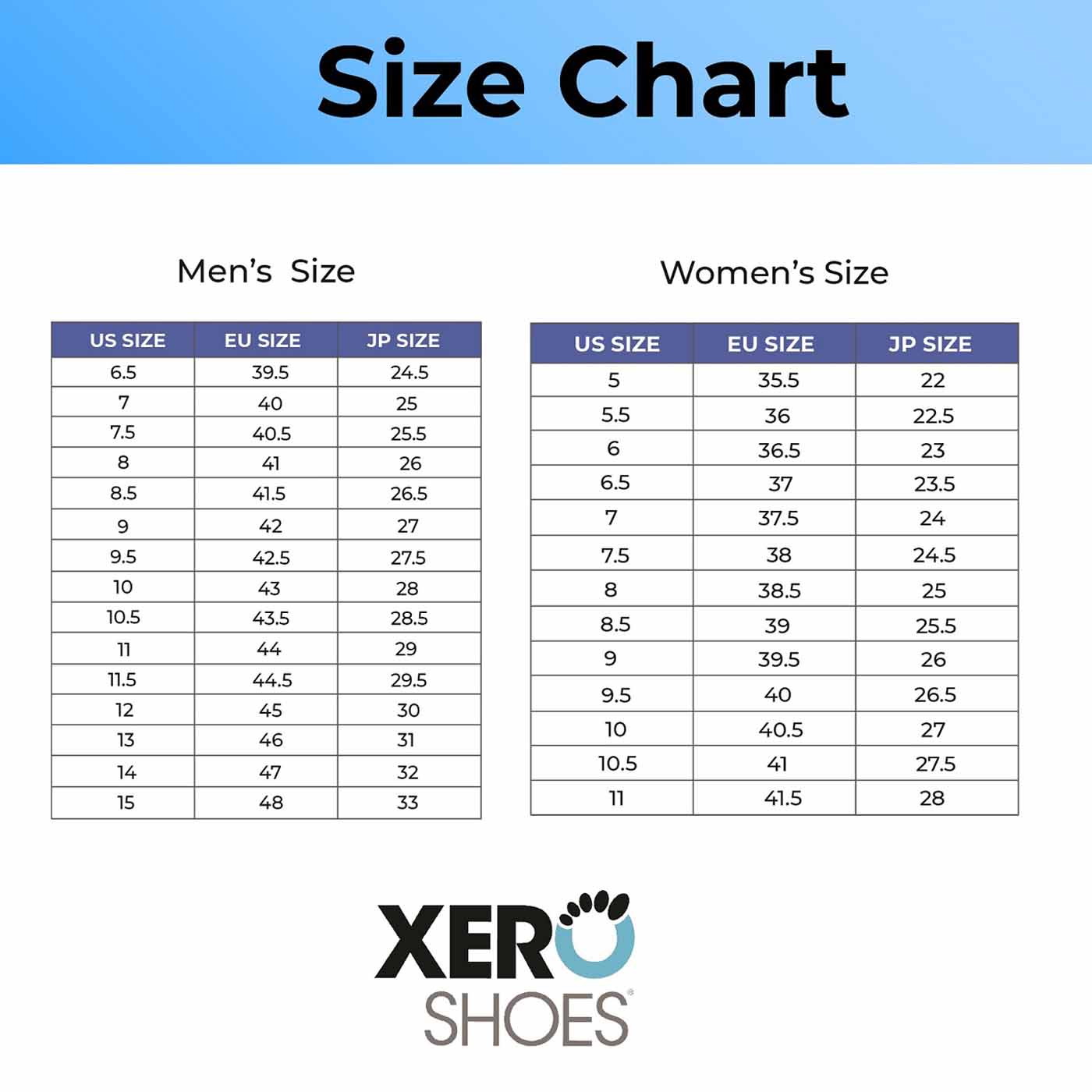
The first hurdle in the “Size 8” dilemma is the distinction between British and American standards. A US Size 8 is equivalent to a UK Size 12. For a brand expanding from London to Paris, a UK Size 8 would typically translate to a European 36. However, for a brand expanding from New York to Paris, a US Size 8 translates to a European 40.
This discrepancy requires a sophisticated communication strategy. Brands must ensure that their digital interfaces, hangtags, and marketing collateral clearly define the origin of the “Size 8.” This clarity prevents the “Identity Crisis” that occurs when a customer buys their “usual size” only to find it is two sizes too small or too large, leading to immediate brand detachment.
Regional Nuances: Italian vs. French Sizing Standards
To further complicate the brand’s global identity, “European Sizing” often splits into regional variations.
- French Sizing (EU): This is the standard often used in most of Northern and Central Europe. Here, a US Size 8 is generally a 40.
- Italian Sizing (IT): Italian brands often use a different scale. In Italy, a US Size 8 (UK 12) is typically an Italian 44.
For a brand like Armani or Gucci, the Italian 44 is a mark of heritage and craftsmanship. For a French brand like Chanel, the 40 is the benchmark. A global brand entering these markets must decide whether to adopt the regional standard to blend in with local luxury expectations or to maintain a unified “Global EU” size guide to simplify their corporate identity.
Operational Excellence: Navigating the Logistics of International Sizing
Beyond the psychological and identity-based aspects of sizing, there is a practical operational component that impacts brand health. Efficiently managing the “Size 8 to EU” translation is a hallmark of a mature, well-managed brand.
Reducing Return Rates Through Accurate Data
In the era of e-commerce, returns are the silent killer of brand profitability and sustainability. A primary reason for returns is “fit disappointment.” When a brand fails to accurately explain what a “Size 8” means in a European context, it invites a cycle of shipping and returning that hurts the bottom line and the brand’s environmental reputation.
Strategic brands invest heavily in “Fit Technology” and comprehensive size charts that provide exact measurements in both centimeters and inches. By shifting the conversation from a subjective “Size 8” to an objective “92cm hip measurement,” the brand takes control of the narrative, positioning itself as a transparent, data-driven entity that values the customer’s time.
The Digital Transformation of the Size Guide
The modern brand strategy involves moving the size guide from a static PDF link to an interactive, AI-driven experience. Leading brands now use “Size Converters” on their product pages. When a user asks “what is a size 8 in European sizes,” the website should automatically detect the user’s location and provide the localized equivalent.
This level of digital integration reflects a brand that is forward-thinking and customer-centric. It removes the “friction of conversion,” allowing the consumer to move from the consideration phase to the purchase phase without leaving the site to search for a conversion table. This seamless experience is a powerful component of modern brand storytelling.
Building Trust Through Transparency: A Case Study in Global Scaling
Successful global scaling requires more than just a great product; it requires a commitment to transparency. The brands that have successfully mastered the European market are those that treat sizing as a dialogue rather than a directive.
The Cost of Inconsistency
Consider the case of a mid-tier luxury brand expanding from North America to Germany. If the brand promotes itself as “inclusive” and “accessible” but utilizes a sizing chart that converts a US Size 8 to a European 38 (which is actually a size smaller than the standard 40), it creates a “Size Gap.” Customers who previously felt included by the brand now feel excluded. This creates a disconnect between the brand’s stated values (Inclusivity) and the customer’s lived experience (Exclusion).
In the world of brand strategy, this is known as a “Value Gap,” and it can be fatal to a brand’s reputation in a new market.
Localization as a Competitive Advantage
The ultimate goal for a brand strategist is to turn the complexity of European sizing into a competitive advantage. Instead of offering a generic “Size 8,” a brand can offer localized fit profiles. For example, a brand might acknowledge that their “Size 8” is cut specifically for the taller Scandinavian market (EU 40-Tall) versus the more petite Mediterranean market.
By acknowledging that “Size 8” is not a universal truth but a regional adaptation, a brand demonstrates a deep understanding of its diverse customer base. This localization builds a level of trust and intimacy that “one-size-fits-all” brands can never achieve.

Conclusion: The Number is the Message
When we deconstruct the question “What is a size 8 in European sizes?” we find the heartbeat of international brand strategy. It is a question about identity, precision, and the bridge between a brand’s home market and its global aspirations.
A US Size 8 (UK 12, EU 40, IT 44) is more than a measurement; it is a test of a brand’s corporate maturity. Brands that answer this question with clarity, consistency, and a focus on the customer experience are the ones that succeed in the complex, fragmented, and beautiful landscape of the European market. In the end, the brands that win are not those with the most famous logos, but those that make the customer feel seen, understood, and perfectly fitted, regardless of the number on the tag.
aViewFromTheCave is a participant in the Amazon Services LLC Associates Program, an affiliate advertising program designed to provide a means for sites to earn advertising fees by advertising and linking to Amazon.com. Amazon, the Amazon logo, AmazonSupply, and the AmazonSupply logo are trademarks of Amazon.com, Inc. or its affiliates. As an Amazon Associate we earn affiliate commissions from qualifying purchases.