
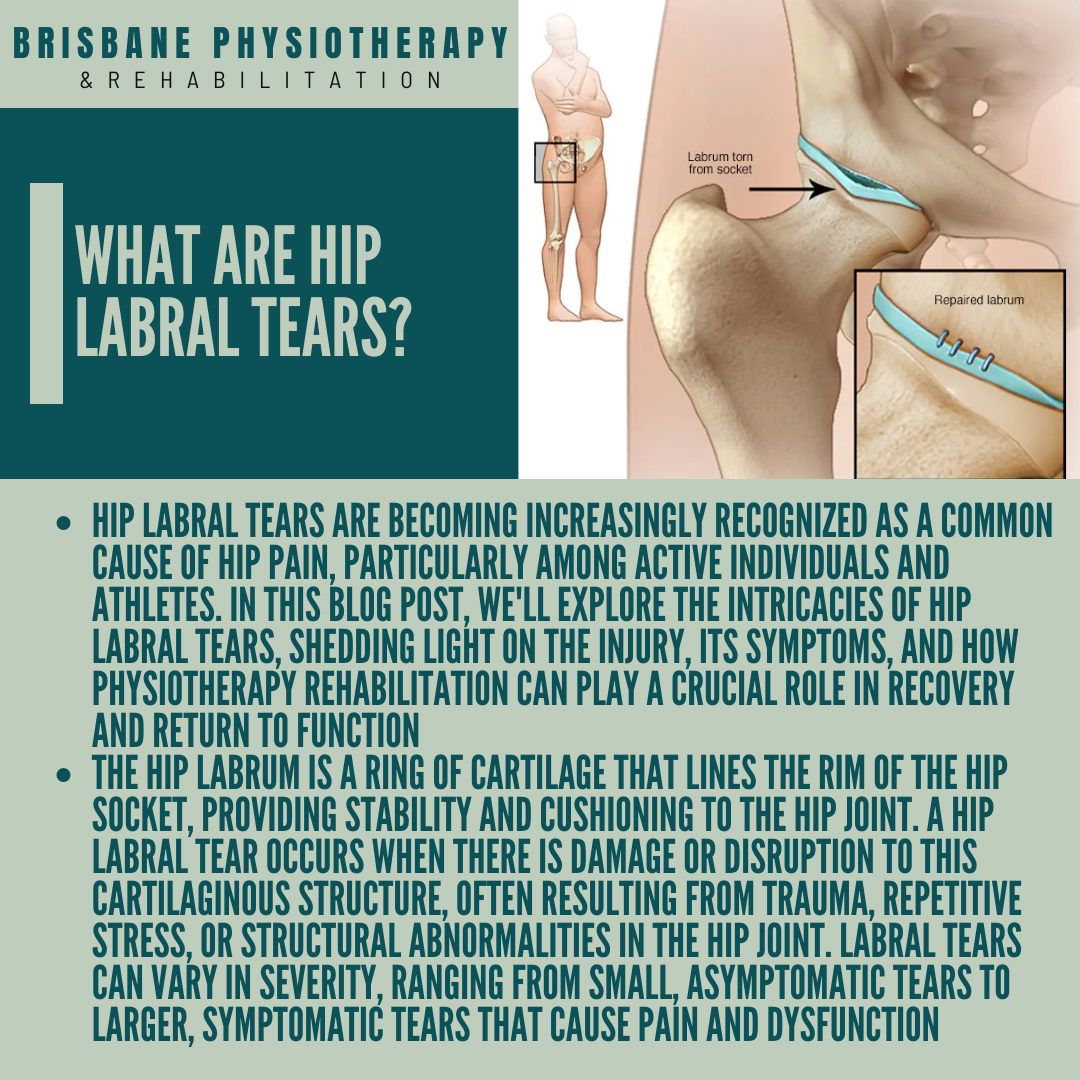
In the traditional medical landscape, a labral tear—a rupture in the ring of cartilage that follows the outside rim of the shoulder or hip socket—was once a career-ending diagnosis for athletes and a chronic burden for the general population. However, the intersection of healthcare and cutting-edge technology has transformed this injury from a structural mystery into a manageable, data-driven recovery process. Today, “what is a labral tear” is no longer just a biological question; it is a technological challenge. From artificial intelligence (AI) in diagnostic imaging to haptic-feedback robotic surgery and IoT-enabled rehabilitation, the tech sector is fundamentally rewriting the playbook for orthopedic care.

The Digital Revolution in Orthopedic Imaging
The first hurdle in addressing a labral tear is its inherent invisibility to the naked eye and many standard diagnostic tools. Because the labrum is deep-seated tissue, detecting a tear requires high-fidelity data. Technology has stepped in to replace “best guesses” with granular precision.
High-Resolution MRI and AI-Assisted Interpretation
The evolution of Magnetic Resonance Imaging (MRI), specifically the transition to 3-Tesla (3T) and 7-Tesla (7T) scanners, represents a massive leap in hardware capability. These machines provide a signal-to-noise ratio that allows radiologists to see micro-tears in the labrum that were previously indistinguishable from healthy tissue.
More significantly, the integration of Artificial Intelligence and Machine Learning (ML) algorithms is changing how these images are read. Companies are now deploying Computer-Aided Diagnosis (CAD) software that scans thousands of MRI slices in seconds. These AI models are trained on massive datasets of verified labral injuries, allowing the software to flag subtle irregularities in the cartilage structure that a human eye might miss during an exhausted shift. This synergy of high-end hardware and intelligent software ensures that the diagnosis is both rapid and accurate.
3D Modeling and Digital Twins
Beyond static images, the tech industry has introduced the concept of the “Digital Twin” to orthopedics. By converting 2D MRI and CT scans into 3D digital models, surgeons can now create a virtual replica of a patient’s specific hip or shoulder joint. Using specialized CAD (Computer-Aided Design) software, a specialist can rotate the joint, simulate range-of-motion constraints, and identify exactly where the labral tear is causing mechanical friction. This pre-operative visualization reduces “surprises” during surgery and allows for a customized approach tailored to the patient’s unique anatomy.
Wearable Tech and Biomechanical Sensors
While diagnosis is crucial, the tech industry is increasingly focused on the “pre-injury” and “post-injury” phases through wearable devices. For the labrum, which acts as a stabilizer, understanding the mechanics of movement is the key to both prevention and recovery.
Real-Time Strain Monitoring for Athletes
Modern wearables have moved far beyond simple step counters. Advanced Inertial Measurement Units (IMUs) and textile-integrated sensors are now capable of tracking the biomechanical load placed on a joint in real-time. For an athlete, this means “smart” compression gear can detect if a shoulder is rotating at an unsafe angle or if a hip is absorbing too much force during a pivot.
By streaming this data via Bluetooth to a centralized dashboard, coaches and physiotherapists can see “digital biomarkers” of fatigue or mechanical instability. If the data suggests a high risk of a labral tear, the system can trigger an alert, recommending a change in movement patterns or an immediate rest period. This predictive tech is becoming standard in the NFL, NBA, and elite European soccer leagues.
IoT-Enabled Physical Therapy Devices
The recovery from a labral tear is often long and arduous, requiring strict adherence to physical therapy. Technology is bridging the gap between the clinic and the home through Internet of Things (IoT) devices. Smart resistance bands and connected braces now come equipped with sensors that track the range of motion, repetitions, and the quality of the movement.
These devices sync with mobile apps, providing patients with instant feedback. If a patient is performing a rehabilitation exercise incorrectly—potentially aggravating the labral tear further—the app can provide visual or haptic corrections. This “Tele-rehab” ecosystem ensures that patients remain compliant with their protocols while providing surgeons with a continuous stream of recovery data, allowing for remote adjustments to the treatment plan.
Robotic-Assisted Surgery and Minimally Invasive Innovation
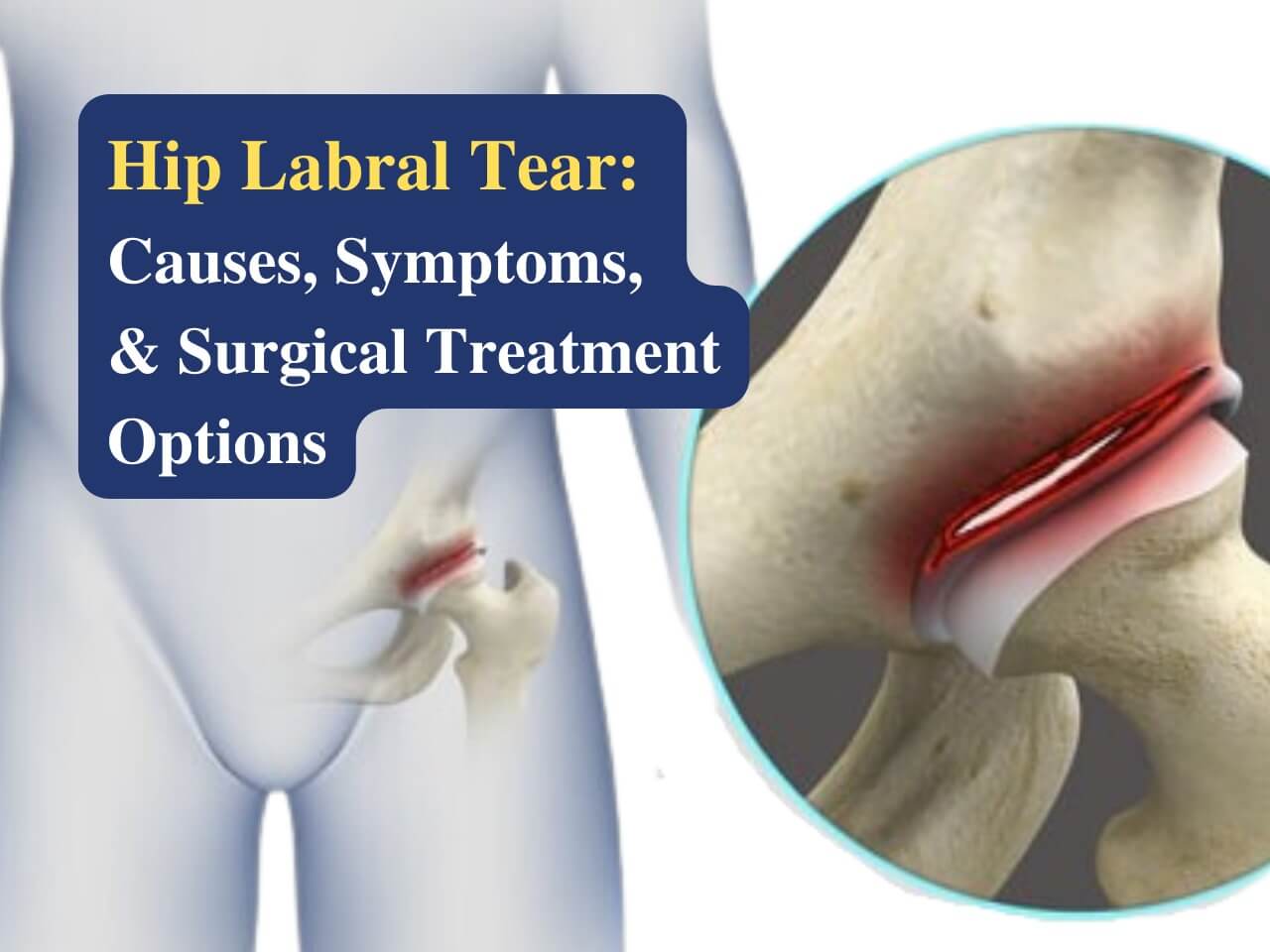
When conservative management fails, the resolution of a labral tear often moves to the operating room. This is where hardware engineering and software precision have converged to create the era of robotic-assisted orthopedics.
Precision Navigation in Labral Repair
Robotic platforms like the Mako or Da Vinci systems have been adapted for orthopedic applications, providing a level of precision that is physically impossible for the human hand. In labral repair, the surgeon must place tiny anchors into the bone to transition the cartilage back into place.
Using robotic-assisted navigation, the software creates a “virtual fence” or haptic boundary. This prevents the surgical tools from deviating even a millimeter from the planned path, protecting surrounding nerves and blood vessels. The result is a much smaller incision, less trauma to the surrounding tissue, and a significantly faster recovery time for the patient. The technology essentially turns a complex surgical art form into a high-precision engineering task.
The Rise of Tele-Surgery and AR Integration
Augmented Reality (AR) is the latest frontier in labral tear surgery. Using AR headsets like the Microsoft HoloLens, surgeons can overlay the 3D digital twin of the patient’s joint directly onto the patient’s body during the procedure. This “X-ray vision” allows the surgeon to see the exact location of the labral tear beneath the skin and muscle.
Furthermore, 5G technology is enabling “Tele-proctoring,” where a world-leading expert in labral repairs can virtually step into an operating room halfway across the world. Through low-latency video and AR annotations, the expert can guide a local surgeon through a complex repair in real-time. This democratization of surgical expertise ensures that high-tech care is no longer limited to major metropolitan medical hubs.
Data-Driven Prevention and Predictive Analytics
The ultimate goal of the tech industry is to make the surgical repair of labral tears obsolete. By leveraging Big Data and predictive analytics, the focus is shifting toward long-term joint health and preventative maintenance.
Machine Learning in Injury Risk Assessment
By aggregating data from thousands of patients—including their activity levels, genetic markers, bone structure, and previous minor injuries—Machine Learning models can now assign a “risk score” for labral tears. For example, a professional baseball pitcher’s data might indicate that his current throwing motion, combined with a specific hip stiffness detected by sensors, leads to an 80% probability of a labral tear within the next six months.
This insight allows for “pre-habilitation”—targeted exercises and tech-guided interventions designed to strengthen the joint before a tear occurs. This shift from reactive medicine to proactive, data-driven wellness is a hallmark of the modern HealthTech movement.
Cloud-Based Patient Management Ecosystems
The management of a labral tear involves a multidisciplinary team: the primary care physician, the radiologist, the orthopedic surgeon, and the physical therapist. Historically, these silos led to fragmented care. Today, cloud-based Health IT platforms ensure that a patient’s “Digital Health Record” (DHR) is a living, breathing document.
Every MRI scan, every wearable data point, and every surgical video is stored in a secure, HIPAA-compliant cloud environment. This ensures that every member of the care team is working from the same dataset. If a physical therapist notices a plateau in recovery via a wearable device, they can instantly flag the surgeon through the platform, allowing for a collaborative review of the latest 3D imaging. This integrated tech stack reduces errors and optimizes the pathway from injury to full functional mobility.
Conclusion: The Future of Smart Orthopedics
The question “what is a labral tear” has evolved from a simple medical definition into a comprehensive case study of how technology can heal the human body. We have moved from an era of “wait and see” to an era of “track and intervene.” Through the power of AI diagnostics, high-precision robotics, and the continuous monitoring provided by the Internet of Things, the structural integrity of our joints is being managed with the same rigor as a high-performance aircraft.
As we look forward, the integration of regenerative medicine—such as 3D bioprinting of cartilage—and further advancements in AI will likely make the recovery from a labral tear faster and more effective than ever before. In this new landscape, the tech sector isn’t just supporting medicine; it is redefining the very boundaries of human physical resilience. For anyone facing a labral injury today, the message is clear: the solution is as much about the software and hardware as it is about the biology.
aViewFromTheCave is a participant in the Amazon Services LLC Associates Program, an affiliate advertising program designed to provide a means for sites to earn advertising fees by advertising and linking to Amazon.com. Amazon, the Amazon logo, AmazonSupply, and the AmazonSupply logo are trademarks of Amazon.com, Inc. or its affiliates. As an Amazon Associate we earn affiliate commissions from qualifying purchases.