
In the era of the “quantified self,” our bedrooms have transformed into sophisticated data laboratories. The advent of wearable technology has turned the once-mysterious state of slumber into a stream of actionable biometrics. Among these metrics, the sleeping heart rate (SHR) stands as one of the most vital indicators of cardiovascular efficiency, recovery, and overall systemic health. However, as tech-savvy users, understanding what constitutes a “good” sleeping heart rate requires moving beyond simple numerical averages and diving into the sophisticated hardware and software ecosystems that track these pulses.
Today’s wearable devices—ranging from sleek smart rings to high-performance GPS watches—do more than just count beats. They utilize advanced photoplethysmography (PPG) sensors and machine learning algorithms to interpret the subtle rhythms of our hearts while we are at our most vulnerable and still. Understanding your sleeping heart rate is no longer a matter of manual pulse-taking; it is an exercise in data literacy and technological optimization.
The Evolution of Health Monitoring: From Medical Labs to Wearable Tech
For decades, monitoring a patient’s heart rate during sleep was a task reserved for clinical settings, involving bulky electrocardiogram (ECG) machines and overnight stays in sleep labs. The shift toward consumer-grade wearables has democratized this data, placing clinical-grade insights onto the wrists and fingers of millions.
How Optical Heart Rate Sensors (PPG) Work
The core technology behind most modern heart rate monitors is photoplethysmography (PPG). This technology functions by shining light (usually green or infrared LEDs) into the skin and measuring the light scatter caused by blood flow. When your heart beats, the volume of blood in your capillaries increases, absorbing more light. Between beats, the volume decreases.
High-end devices like the Apple Watch, Garmin Fenix series, and the Oura Ring use complex arrays of these sensors to detect changes in blood volume at a micro-level. During sleep, these devices switch to infrared light to avoid disturbing the user with a visible glow, allowing for continuous monitoring that builds a comprehensive map of the night’s cardiac activity.
The Role of AI in Filtering Motion Artifacts
One of the greatest challenges in wearable tech is “noise.” Simple movements—rolling over, adjusting a pillow, or a restless leg—can create motion artifacts that distort sensor readings. To combat this, tech companies utilize sophisticated Artificial Intelligence (AI) and digital signal processing (DSP).
These algorithms are trained on millions of hours of sleep data to distinguish between an actual spike in heart rate and a sensor glitch caused by movement. This technological layer is what separates a “good” device from a mediocre one; the ability to provide clean, filtered data is the hallmark of modern health-tech engineering.
Understanding Your Data: What Defines a “Good” Sleeping Heart Rate in the Digital Age?
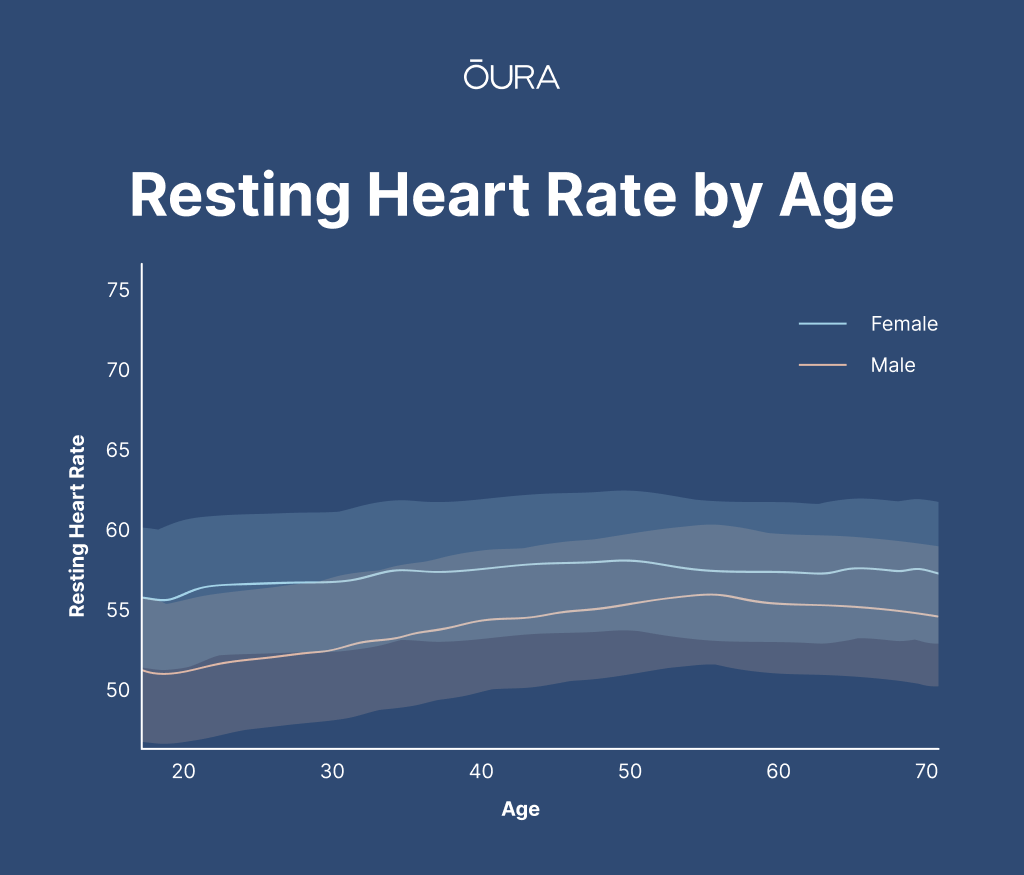
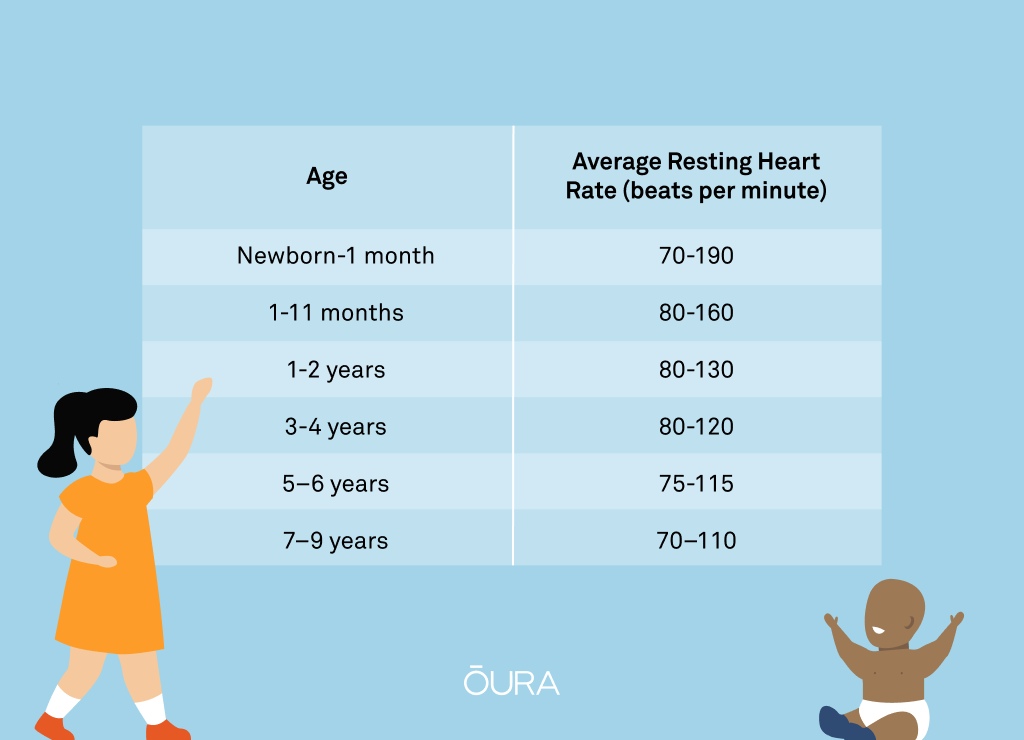
When we ask what a “good” sleeping heart rate is, we are looking for a benchmark. In a broad medical sense, a resting heart rate for adults typically ranges from 60 to 100 beats per minute (bpm). However, during sleep, it is normal for this to drop significantly as the body enters a state of deep recovery. For many, a “good” SHR falls between 40 and 60 bpm, but the tech perspective argues that the absolute number is less important than the trend.
Establishing a Baseline with Long-term Data Tracking
The power of technology lies in its ability to establish a “personal baseline.” A sleeping heart rate of 45 bpm might be optimal for an endurance athlete using a Garmin, but it could indicate bradycardia (an abnormally slow heart rate) for a sedentary individual.
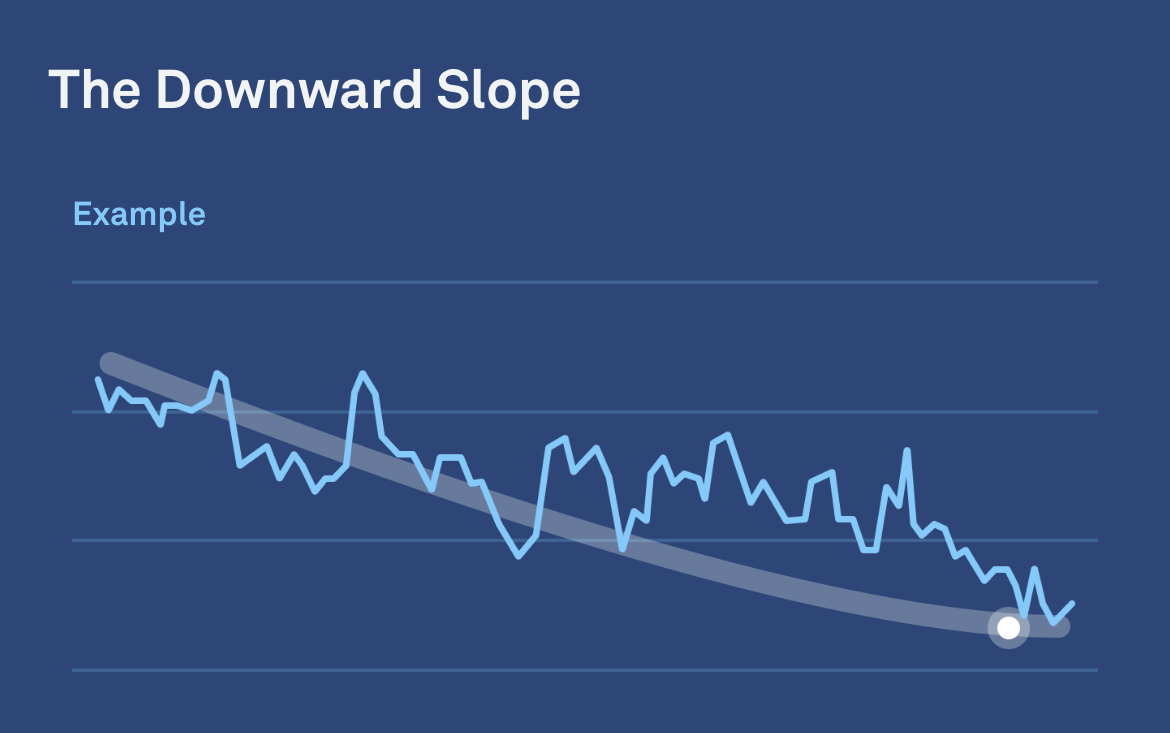
Wearable apps like Fitbit and Whoop use “Baseline Logic.” By tracking your sleep over 14 to 30 days, the software determines your unique normal range. Once this baseline is set, the technology can alert you to deviations. A “good” sleeping heart rate is essentially one that remains consistent with your established baseline, indicating that your body is recovering effectively from the previous day’s stressors.
The Intersection of RHR and HRV (Heart Rate Variability)
Modern health tech doesn’t look at sleeping heart rate in a vacuum. To get a true picture of “good” health, devices also measure Heart Rate Variability (HRV)—the variation in time between each heartbeat.
While a low sleeping heart rate generally indicates a strong, efficient heart, a high HRV indicates a nervous system that is balanced and ready to perform. The synergy between these two metrics is where the real insight lies. If your SHR is low but your HRV is also low, your wearable’s software might interpret this as a sign of overtraining or impending illness. The “goodness” of the rate is therefore a multi-variable equation calculated by the device’s backend processors.
Leveraging Smart Ecosystems for Sleep Optimization
Owning the hardware is only the first step. The true value of knowing your sleeping heart rate comes from how it integrates into a broader digital health ecosystem. This integration allows users to move from passive observation to active optimization.
Integration with Apple Health, Google Fit, and Specialized Apps
The fragmentation of health data is a thing of the past. Platforms like Apple Health and Google Fit act as centralized hubs for biometric data. When your sleeping heart rate data is fed into these ecosystems, it can be cross-referenced with other variables such as caffeine intake, workout intensity (logged via Strava), and even ambient room temperature (logged via smart home sensors like Nest).
For example, a user might notice that their SHR increases by 5 bpm on nights when the room temperature is above 72 degrees. By leveraging this data, the user can automate their smart home to drop the temperature at 10:00 PM, theoretically optimizing their heart rate for deeper sleep. This is the “Smart Bedroom” in action—a tech-driven approach to biological recovery.
Predictive Analytics: When Your Data Signals Stress or Illness
One of the most profound technological breakthroughs in recent years is the use of SHR as a predictive tool. Because wearables track your heart rate every single night, they are often the first to know when something is wrong.
A sudden, sustained rise in sleeping heart rate—even by just 5 or 10 bpm above the baseline—is a common early warning sign of a viral infection, even before physical symptoms appear. During the COVID-19 pandemic, researchers found that data from Oura and Fitbit could often predict the onset of symptoms 48 to 72 hours in advance. For the user, a “bad” sleeping heart rate isn’t just a number; it’s a push notification advising them to rest, hydrate, and dial back their schedule.
The Future of Biometric Monitoring and Personal Health Tech
As we look toward the next generation of wearables, the definition of what constitutes a “good” sleeping heart rate will become even more nuanced. We are moving away from simple reactive monitoring toward a future of proactive, personalized health intelligence.
Edge Computing and On-Device Processing
The next frontier in health tech is “edge computing.” Currently, most wearables send data to the cloud for analysis. However, as processors become more efficient, we are seeing more on-device processing. This means your watch can analyze your sleeping heart rate in real-time with lower latency and higher privacy.
On-device AI will soon be able to detect complex arrhythmias or sleep apnea patterns by analyzing the “shape” of the pulse wave, not just the frequency of the beats. This level of sophistication will turn a standard smartwatch into a 24/7 medical-grade diagnostic tool, providing a much deeper understanding of cardiac health during the nocturnal hours.
Privacy and Data Security in HealthTech
With the collection of such intimate data as our heartbeats while we sleep, the tech industry faces a significant challenge: data security. A “good” sleeping heart rate monitor must also be a “secure” one. As health data becomes a valuable commodity, companies are pivoting toward end-to-end encryption and decentralized data storage.
The future of this tech depends on user trust. As we integrate these devices more deeply into our lives, the assurance that our biometric “fingerprint” is protected is as important as the accuracy of the sensors themselves.
Conclusion
A “good” sleeping heart rate is a vital sign of health, but through the lens of technology, it is much more. It is a data point in a vast, personalized algorithm that tracks our recovery, predicts our illnesses, and helps us optimize our daily performance. By understanding the PPG sensors on our wrists, the AI in our apps, and the importance of our personal baselines, we can move beyond the “what” of our heart rate and into the “why.” In the digital age, the most important conversation you have every day might just be the one your heart is having with your smartphone while you sleep.
aViewFromTheCave is a participant in the Amazon Services LLC Associates Program, an affiliate advertising program designed to provide a means for sites to earn advertising fees by advertising and linking to Amazon.com. Amazon, the Amazon logo, AmazonSupply, and the AmazonSupply logo are trademarks of Amazon.com, Inc. or its affiliates. As an Amazon Associate we earn affiliate commissions from qualifying purchases.