
In the modern grocery store, the produce aisle has historically been a graveyard for brand recognition. For decades, consumers bought “bananas,” “carrots,” or “green grapes” without a second thought to the producer or the intellectual property behind the plant. However, the emergence of the Cotton Candy grape has fundamentally disrupted this commodity-based model. What began as a horticultural experiment has transformed into a global brand phenomenon, demonstrating how strategic positioning, sensory marketing, and rigorous intellectual property management can turn a simple fruit into a premium, high-demand lifestyle product.
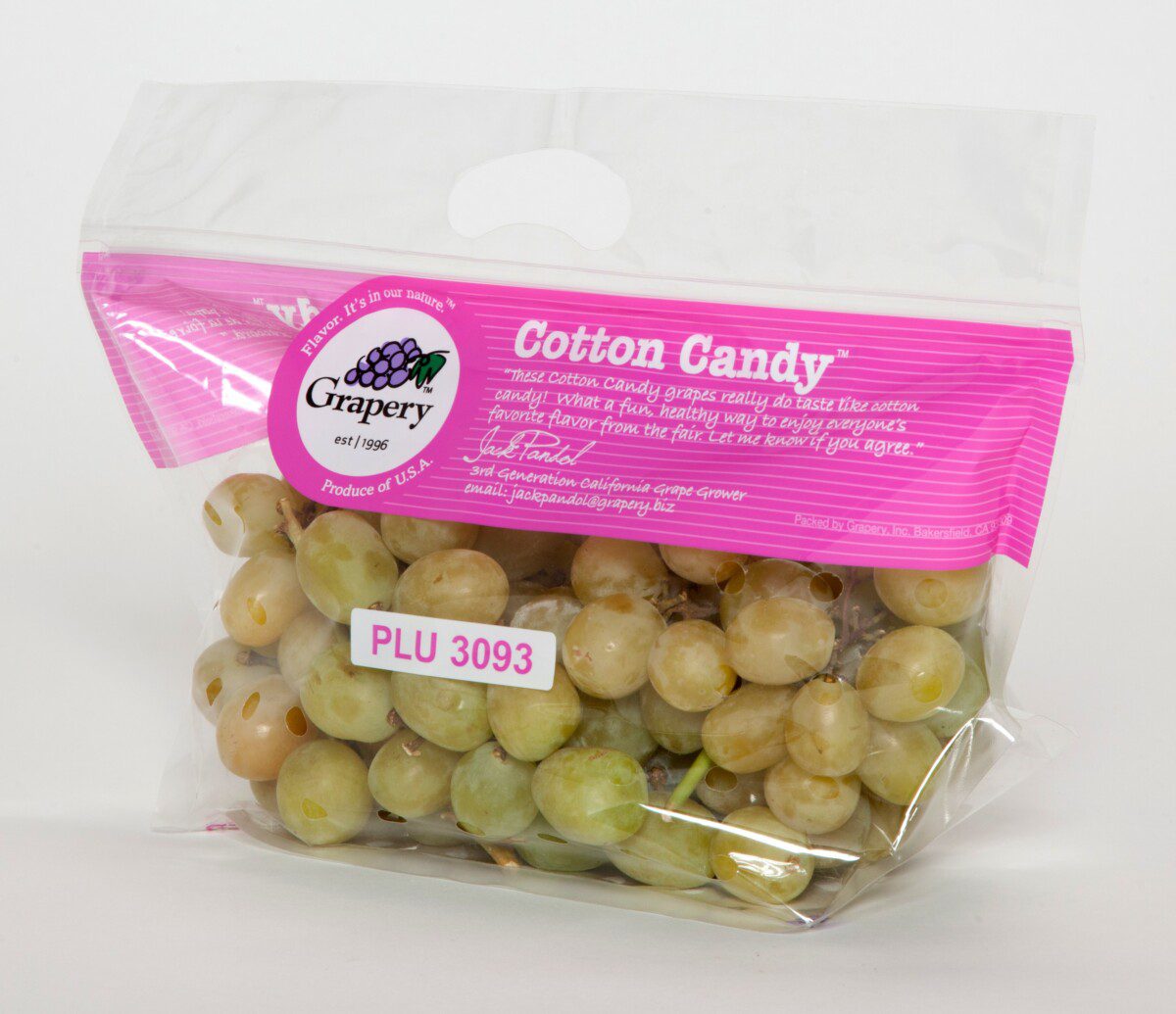
Engineering a Flavor-First Identity
The Cotton Candy grape did not happen by accident; it was the result of a deliberate attempt to apply brand-building principles to the world of viticulture. Traditionally, grapes were bred for shelf life, transportability, and visual uniformity. Flavor was often an afterthought. By pivoting the focus back to the consumer’s palate, the creators of this grape variety engineered a product that served as its own best marketing tool.
From Commodity to Premium Specialty
Before the Cotton Candy grape entered the market, grapes were largely viewed as a commodity. In economic terms, commodities are interchangeable goods where the primary differentiator is price. The International Fruit Genetics (IFG) team, led by horticulturist David Cain, sought to break this cycle. By cross-breeding a Concord-like grape from the eastern United States with a variety of Vitis vinifera (the common European grape), they created a seedless green grape that tasted remarkably like spun sugar and vanilla.
This shift from “just another grape” to a “specialty experience” allowed the product to command a significant price premium. While standard table grapes might sell for a few dollars per pound, Cotton Candy grapes often fetch double or triple that price. This is the hallmark of successful branding: the ability to decouple a product from the baseline market price by offering a unique, non-interchangeable value proposition.
The Science of Sensory Branding
Brand strategy is often associated with logos and color palettes, but in the food industry, the most powerful brand asset is the sensory profile. The Cotton Candy grape utilizes “sensory branding” by delivering a predictable, high-impact flavor experience that is instantly recognizable. The flavor profile—rich in ethyl butyrate and vanillin—creates a biological brand loyalty. When a consumer buys a bag of Cotton Candy grapes, they are not just buying fruit; they are buying the specific chemical reward that the brand promises. This consistency is what builds trust, a core pillar of any successful corporate identity.
Intellectual Property and the Power of Exclusivity
A brand is only as strong as its ability to protect its unique selling proposition. In the world of agriculture, this protection comes through plant patents and trademarks. The story of the Cotton Candy grape is as much a legal and strategic success as it is a horticultural one.
Trademarking Taste: Grapery and IFG
The “Cotton Candy” name is a registered trademark, and the genetics of the vine itself are patented. This means that a farmer cannot simply take a cutting from a Cotton Candy vine and plant their own field. The brand is tightly controlled by IFG, which licenses the right to grow the grapes to a select group of partners, such as Grapery in California.
This licensing model ensures that the brand remains synonymous with quality. By controlling who grows the fruit and setting strict standards for sugar content (Brix levels) and harvest timing, the brand owners ensure that the consumer experience is never diluted by inferior “knock-off” versions. This is a classic brand strategy used by luxury fashion houses and tech giants: maintain high barriers to entry to preserve the brand’s prestige and market value.
Managing Scarcity as a Marketing Tool
One of the most effective ways to build a brand’s “must-have” status is through the strategic management of scarcity. For years, Cotton Candy grapes were only available for a few weeks in the late summer. This limited window created an annual “hype cycle.” Consumers would share sightings of the grapes on social media, much like the release of a limited-edition sneaker or a seasonal tech gadget.
By not flooding the market year-round initially, the brand owners created a sense of urgency. This “drop culture” approach allowed them to build a dedicated fanbase that anticipated the product’s arrival. Even as global sourcing has extended the availability of the grapes, the brand maintains its premium status by positioning each harvest as a special event.
Disrupting the Produce Aisle: Marketing to the Modern Consumer
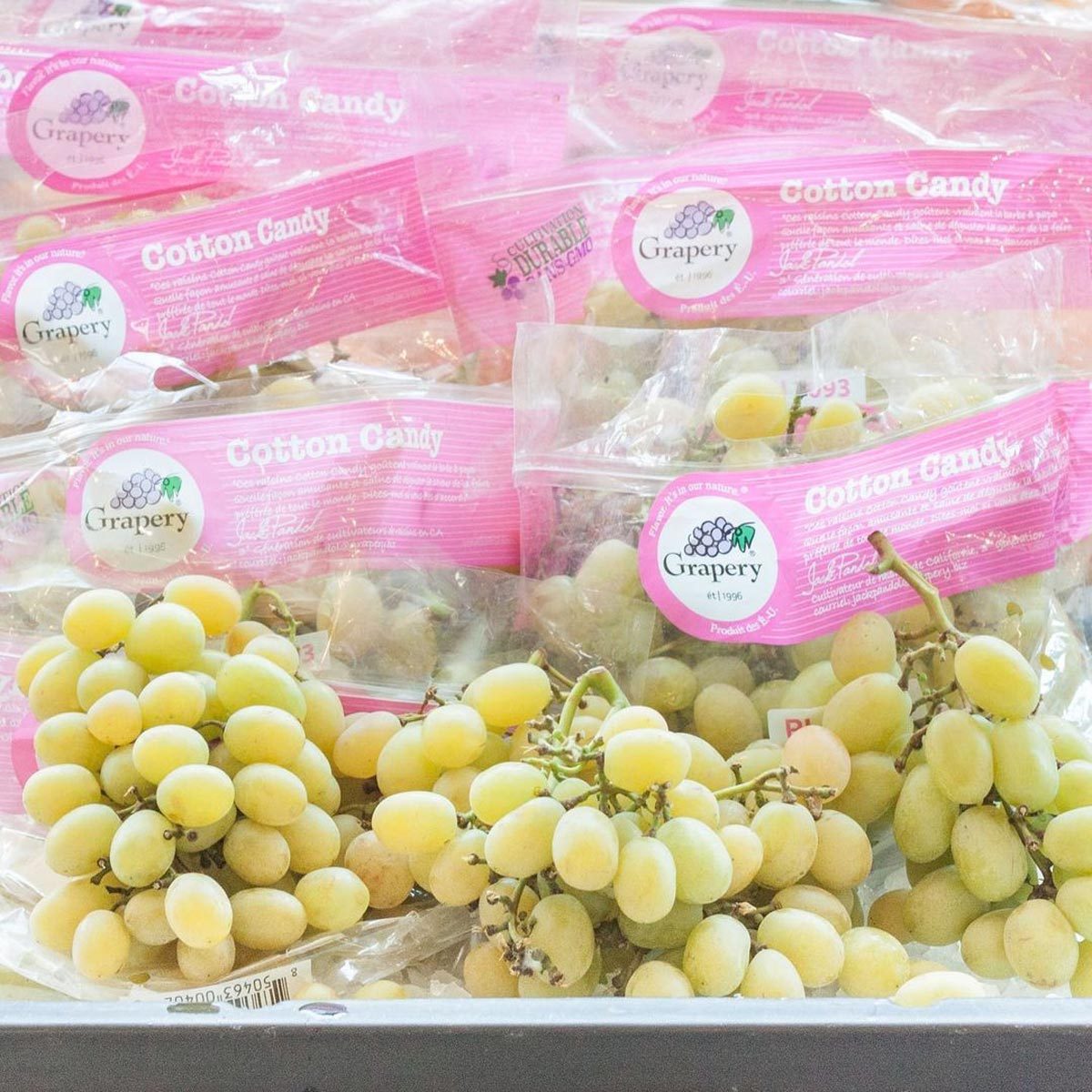
The success of the Cotton Candy grape reflects a broader shift in marketing strategy within the food industry. It recognizes that the modern consumer is looking for an “experience” rather than just a snack, and it uses psychological triggers to secure market share.
Leveraging Nostalgia through Naming
The choice of the name “Cotton Candy” is a masterstroke of brand naming. Names in the produce aisle are usually descriptive (e.g., “Red Seedless”) or geographical (e.g., “Chilean Grapes”). By choosing a name associated with childhood, fairs, and treats, the brand bypasses the rational brain and speaks directly to emotion.
Nostalgia is a powerful marketing tool. It bridges the gap between a healthy, natural product (fruit) and an indulgent, forbidden treat (candy). This allows the brand to occupy a unique space in the consumer’s mind: the “guilt-free indulgence.” This strategic positioning has helped the brand appeal to parents who want their children to eat more fruit, as well as adults looking for a novel snacking experience.
Social Media and the Viral Fruit Phenomenon
The Cotton Candy grape was one of the first fruits to truly “go viral” in the age of Instagram and TikTok. Its unique flavor profile made it a perfect subject for “reaction videos” and taste tests. Because the brand had such a clear and shocking differentiator—the fact that a fruit could taste like candy—it was highly shareable.
This organic word-of-mouth marketing provided millions of dollars in free exposure. In a digital landscape where attention is the primary currency, the Cotton Candy grape brand succeeded because it provided “talk value.” It gave consumers a reason to talk about a grocery store purchase, turning every customer into a brand ambassador. This is the pinnacle of modern marketing: creating a product so distinctive that it generates its own buzz without the need for massive traditional advertising spends.
The Global Expansion of a Branded Crop
As the brand matures, the strategy must evolve from establishing a niche to maintaining a global presence. This requires a shift in how the corporate identity is managed across different markets and seasons.
Licensing Models and Quality Control
To achieve year-round availability, IFG has expanded its licensing to growers in the Southern Hemisphere, including Peru, Chile, and South Africa. This expansion presents a significant brand risk: if grapes grown in Peru do not taste as good as those grown in California, the brand’s reputation could be permanently damaged.
To mitigate this, the brand employs a rigorous quality control framework. Licensed growers must adhere to specific viticultural practices and meet exact flavor specifications. This move from a localized product to a global brand requires a robust corporate infrastructure. It transforms the agricultural company into a franchisor, where the “product” being sold to the farmer is not just a plant, but a comprehensive system of brand standards and market access.
Navigating Imitators and Market Saturation
The success of the Cotton Candy grape has spawned a host of competitors and imitators. Today, consumers can find “Soda Pop” grapes, “Gum Drop” grapes, and “Candy Snaps.” In a crowded market, a brand must work harder to maintain its identity.
The Cotton Candy brand handles this competition by leaning into its status as the “original.” In marketing and brand strategy, the “first-mover advantage” is a powerful asset. By continuing to innovate—such as through sustainable packaging or expanded organic offerings—the brand maintains its leadership position. Furthermore, the parent companies continue to invest in R&D to find the next big flavor, ensuring that their portfolio of brands remains at the cutting edge of the “designer fruit” industry.

Conclusion: The Future of Branded Produce
The Cotton Candy grape is much more than a sweet snack; it is a blueprint for the future of the agricultural industry. It proves that with the right combination of scientific innovation and sophisticated brand strategy, even the most basic commodities can be transformed into premium global brands.
By focusing on a flavor-first identity, protecting its intellectual property, and leveraging emotional marketing, the creators of the Cotton Candy grape have changed the way we shop for produce. They have moved the conversation from “what is this fruit?” to “where can I find this brand?” As more agricultural products follow this path, the produce aisle will continue to transform into a high-stakes arena of brand competition, where the most successful products are those that can deliver a consistent, memorable, and protected consumer experience.
aViewFromTheCave is a participant in the Amazon Services LLC Associates Program, an affiliate advertising program designed to provide a means for sites to earn advertising fees by advertising and linking to Amazon.com. Amazon, the Amazon logo, AmazonSupply, and the AmazonSupply logo are trademarks of Amazon.com, Inc. or its affiliates. As an Amazon Associate we earn affiliate commissions from qualifying purchases.