
In the world of professional sports, certain numbers transcend the scoreboard to become synonymous with a brand’s identity. For decades, “714” or “40/40” were mere statistical benchmarks. However, in the modern era of hyper-connectivity and global marketing, the emergence of the “50/50” season—achieving 50 home runs and 50 stolen bases in a single year—has evolved into a masterclass in brand strategy. When Shohei Ohtani inaugurated the 50/50 Club, he did more than rewrite the record books; he established a new blueprint for personal branding and corporate identity that challenges traditional marketing silos.
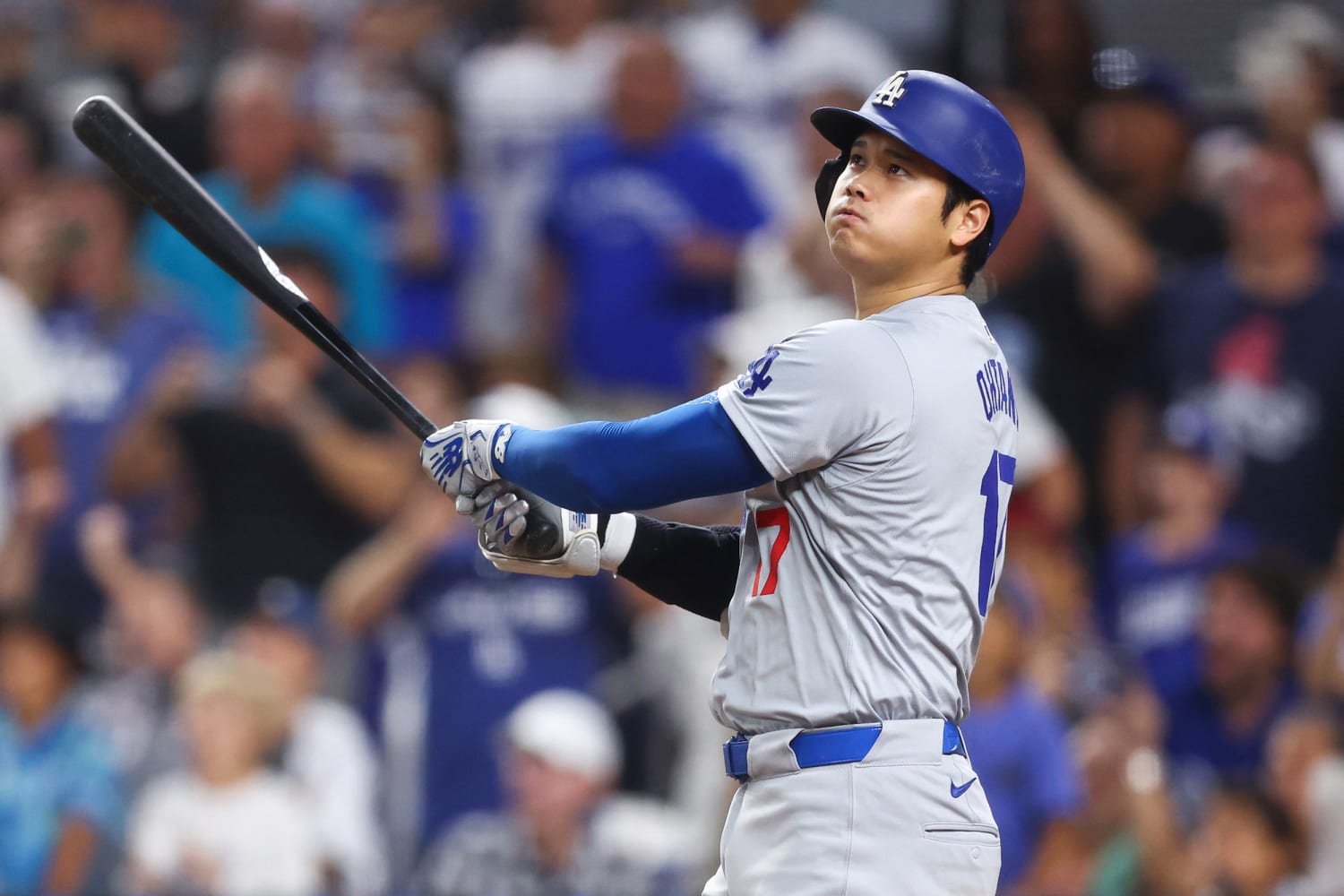
The 50/50 milestone in baseball is the ultimate “Unique Value Proposition” (UVP). It represents a rare intersection of power and speed, two attributes that were historically marketed as mutually exclusive. By examining this achievement through the lens of brand strategy, we can uncover how a single individual can transform into a global enterprise, and how organizations can leverage “unicorn” assets to redefine their market presence.
Defining the 50/50 Brand: The Power of Multi-Dimensional Excellence
In traditional brand theory, companies are often told to “pick a lane.” You are either the low-cost leader or the luxury innovator. In baseball, you were either a power hitter or a base stealer. The 50/50 achievement shatters this “either/or” paradigm, presenting a “both/and” brand identity that is exponentially more valuable than the sum of its parts.
Breaking the “Either/Or” Paradigm
The 50/50 brand is built on the concept of hybridity. In marketing, a brand that can successfully occupy two distinct spaces—such as a tech company that is also a lifestyle fashion icon—creates a moat that competitors cannot easily cross. Ohtani’s 50/50 season serves as a case study in diversifying a brand’s core competencies. By excelling in two polarized metrics, the brand creates a broader “TAM” (Total Addressable Market). Fans of high-octane power and fans of tactical speed both find a point of connection, doubling the brand’s engagement potential.
The Narrative of the Impossible
From a brand storytelling perspective, 50/50 is a narrative of “The Impossible Made Real.” Great brands often position themselves against a limitation or a status quo. By targeting a milestone that had never been reached in over 150 years of professional play, the 50/50 brand leverages the “Pioneer Advantage.” In the eyes of the consumer, the brand is no longer just a participant in the market; it is the architect of a new category. This creates a psychological “halo effect” where the brand’s other attributes—reliability, charisma, and ethics—are elevated by the sheer magnitude of the primary achievement.
Building a Global Corporate Identity Through Historic Milestones
While the 50/50 mark is an individual achievement, its impact on corporate identity—specifically for the Los Angeles Dodgers and Major League Baseball (MLB)—is a lesson in institutional brand elevation. When a corporation aligns itself with a “50/50” asset, it undergoes a transformation from a local entity to a global powerhouse.
Leveraging the “Unicorn” Status for Market Penetration
For the Dodgers, Ohtani’s 50/50 pursuit was not just a sports story; it was a high-level marketing campaign. Corporate identity is often bolstered by association. By hosting the 50/50 brand, the Dodgers’ own brand equity soared, allowing for unprecedented market penetration in Asian markets. The “50/50” logo and commemorative merchandise became tools for corporate expansion, turning a seasonal statistic into a perennial revenue stream. This illustrates how corporations can use “statistical anomalies” within their ranks to refresh their visual identity and messaging for a global audience.
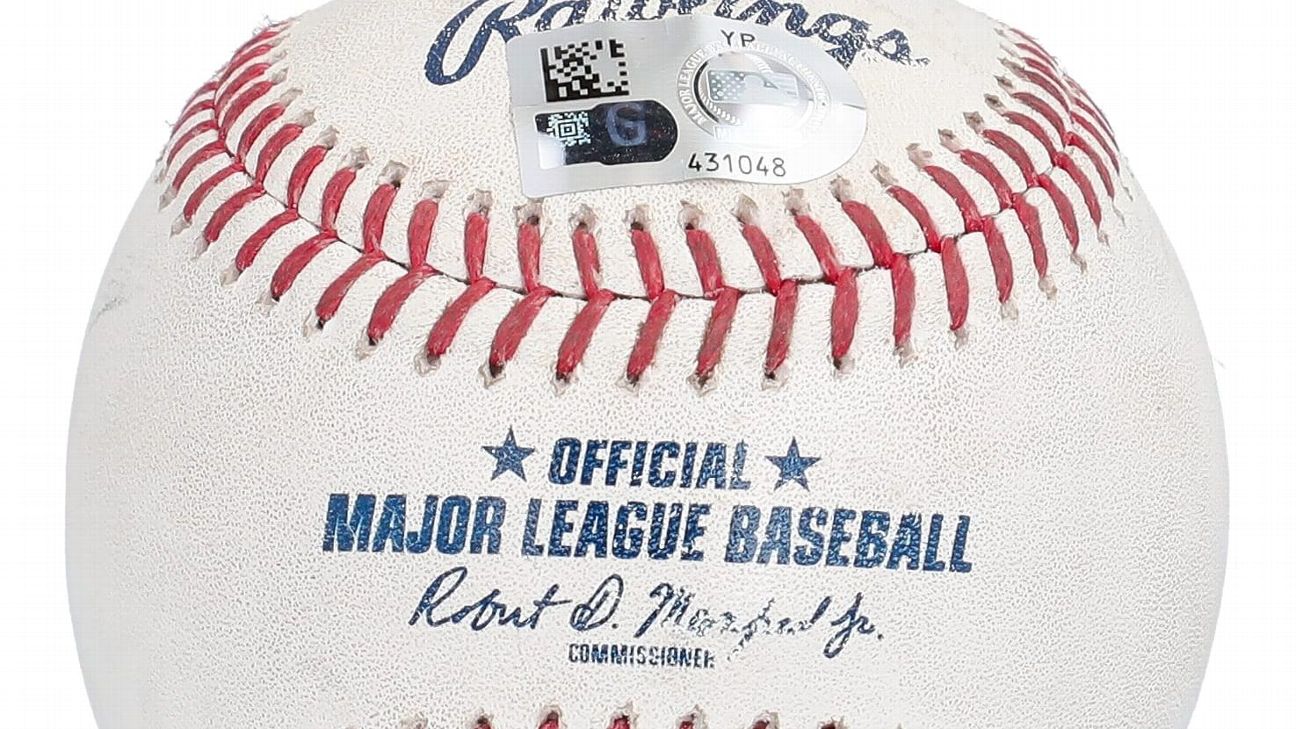
Cross-Continental Brand Synergy: The Japan-US Connection
The 50/50 brand acts as a bridge between disparate markets. In Japan, the brand represents national pride and the pinnacle of discipline; in the United States, it represents the American Dream and the “bigger is better” ethos. Successful global brands understand how to localize their core identity while maintaining a universal truth. The 50/50 milestone provided a universal language of excellence that required no translation, allowing sponsors like New Balance and Seiko to execute seamless cross-border campaigns. This synergy demonstrates how a well-positioned personal brand can facilitate corporate entry into “hard-to-reach” cultural demographics.
The Personal Branding Strategy: Authenticity in the Age of Analytics
In an era where every consumer has a megaphone, personal branding requires a delicate balance of high-performance data and human relatability. The 50/50 brand is the perfect marriage of these two elements. It is objectively validated by “Statcast” data yet remains a deeply human story of perseverance.
Managing Scarcity and Exclusivity
A fundamental tenet of luxury branding is scarcity. Before Ohtani, the “50/50” club had zero members. This absolute scarcity creates immense value. In personal branding, the goal is to become “unsubstitutable.” If a brand can do what no other brand can, it gains ultimate pricing power. Ohtani’s 50/50 season wasn’t just about the numbers; it was about creating an “exclusive club of one.” This exclusivity is what allows a brand to command record-breaking contracts and high-tier endorsements, as the brand becomes a “Veblen good”—something that is desired more as it becomes more elite.
The Digital Footprint of a 50/50 Athlete
Modern branding is won or lost on digital platforms. The 50/50 chase was a masterclass in “content choreography.” Each home run and stolen base was a micro-moment designed for social media virality. The brand didn’t wait for a season-end wrap-up; it built a daily narrative that kept the audience in a state of “anticipatory engagement.” For modern brand managers, the lesson here is the importance of “incremental storytelling.” Don’t just announce the destination; market the journey. The 50/50 brand was built one “swipe” and one “swing” at a time, creating a digital footprint that is now etched into the permanent history of the internet.
Future Implications: What the 50/50 Milestone Teaches Modern CMOs
The 50/50 phenomenon is more than a flash in the pan; it is a signal of where brand strategy is heading. As we move further into a data-driven world, the brands that win will be those that can turn cold numbers into warm, compelling stories.
Creating Meaningful Data Points in Storytelling
Too often, brands bombard consumers with data that lacks context. The 50/50 brand succeeded because the data was tied to a clear, high-stakes goal. Chief Marketing Officers (CMOs) can learn from this by identifying their own “50/50 metrics”—key performance indicators that, when combined, tell a story of unprecedented value. It is not enough to be “fast” or “strong”; a brand must define the intersection where those traits create something entirely new.
Sustainability and Legacy Building
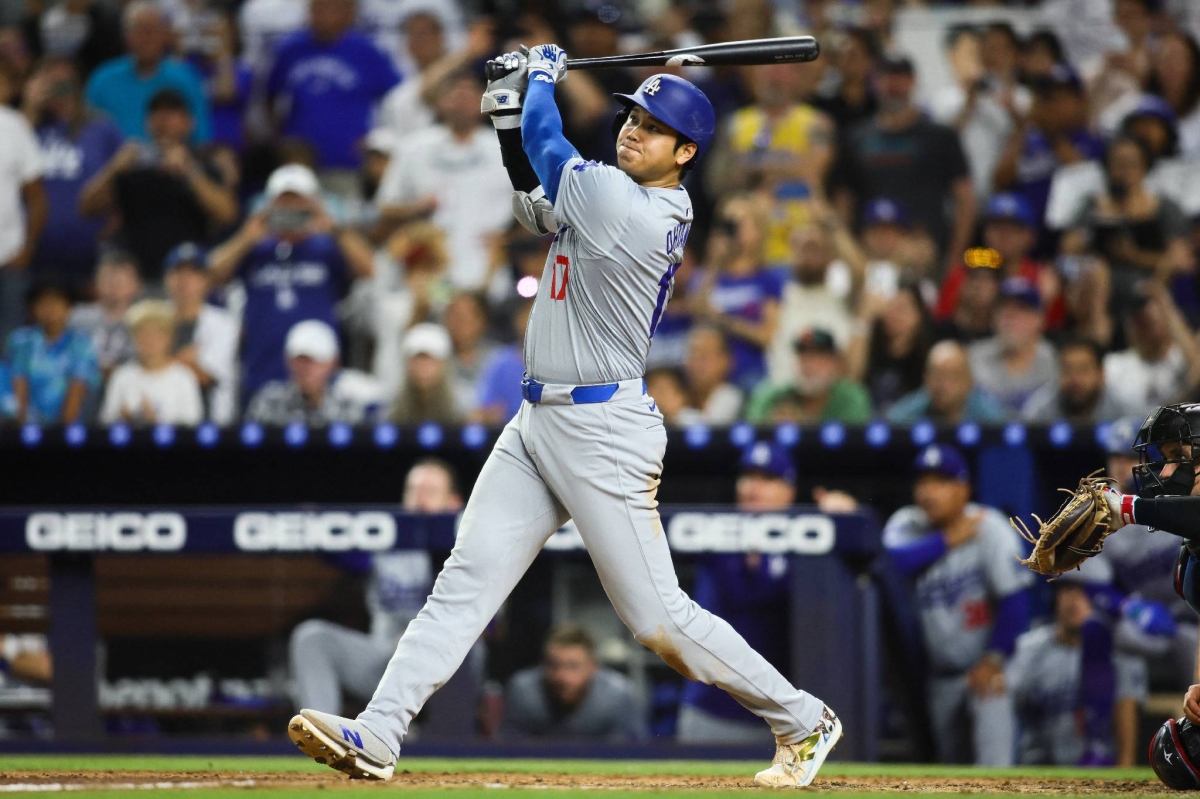
A truly great brand isn’t just about a single moment of peak performance; it’s about the “Long Tail” of influence. The 50/50 brand has already shifted from an active pursuit to a legacy asset. Even years from now, the term “50/50” will evoke the image of Ohtani in a Dodgers uniform. This is the ultimate goal of brand strategy: to own a piece of the consumer’s mental real estate so completely that a simple number triggers a complex set of positive brand associations.
In conclusion, “50/50 in baseball” is no longer just a statistical category. It is a sophisticated brand ecosystem that demonstrates the power of multi-dimensional excellence, the importance of global identity, and the necessity of data-driven storytelling. For any brand looking to achieve “Unicorn” status, the 50/50 blueprint offers a clear path: break the paradigms, own the narrative, and turn the impossible into a repeatable strategy for success. Shohei Ohtani didn’t just join a club; he built a brand empire that will be studied by marketers and strategists for generations to come.
aViewFromTheCave is a participant in the Amazon Services LLC Associates Program, an affiliate advertising program designed to provide a means for sites to earn advertising fees by advertising and linking to Amazon.com. Amazon, the Amazon logo, AmazonSupply, and the AmazonSupply logo are trademarks of Amazon.com, Inc. or its affiliates. As an Amazon Associate we earn affiliate commissions from qualifying purchases.