
In the world of professional branding, few case studies are as compelling as the trajectory of John Goodman. For over four decades, Goodman has remained a fixture in the collective consciousness, yet his brand today is vastly different from the one that first captured hearts in the late 1980s. When people ask, “What happened to John Goodman?” they are often referring to his striking physical transformation or his shift from a beloved sitcom father to a prestigious character actor. However, from a brand strategy perspective, what happened was a masterclass in identity management, strategic reinvention, and the art of professional longevity.
Understanding Goodman’s evolution requires an analysis of how a personal brand can move beyond a singular, defining role to become a multi-faceted asset. His journey offers invaluable insights for leaders, marketers, and creators on how to manage a legacy while staying relevant in a shifting marketplace.
The Evolution of a Personal Brand: From Sitcom Archetype to Character Powerhouse
The foundation of John Goodman’s brand was built on the character of Dan Conner in Roseanne. In the late 20th century, this role defined the “Everyman” brand. He was the quintessential blue-collar father—approachable, sturdy, and relatable. While this provided immense commercial success, it also presented the greatest risk to any brand: typecasting.
Breaking the “Dan Conner” Mold
In brand strategy, being “pigeonholed” is equivalent to market saturation. If a brand is only associated with one specific utility, its growth is capped. Goodman recognized early on that for his brand to survive the inevitable end of a hit sitcom, he had to diversify his “portfolio.” He began taking roles that intentionally subverted his friendly image. By playing volatile, eccentric, or even villainous characters in films like Barton Fink and The Big Lebowski, he signaled to the industry that his brand was not a product of a single show, but a versatile tool capable of high-level performance across genres.
Versatility as a Competitive Advantage
The shift from a “leading man” or “sitcom star” to a “prestige character actor” is a strategic pivot. In the corporate world, this is akin to a company moving from a single-product focus to a platform-based model. Goodman stopped being the product and started being the “quality assurance” for any project he joined. His brand became synonymous with reliability; his presence in a cast list added instant credibility and gravitas. This transition ensured that as he aged, his market value did not decline—it transitioned into a different, more sustainable niche.
Strategic Rebranding Through Physical Transformation
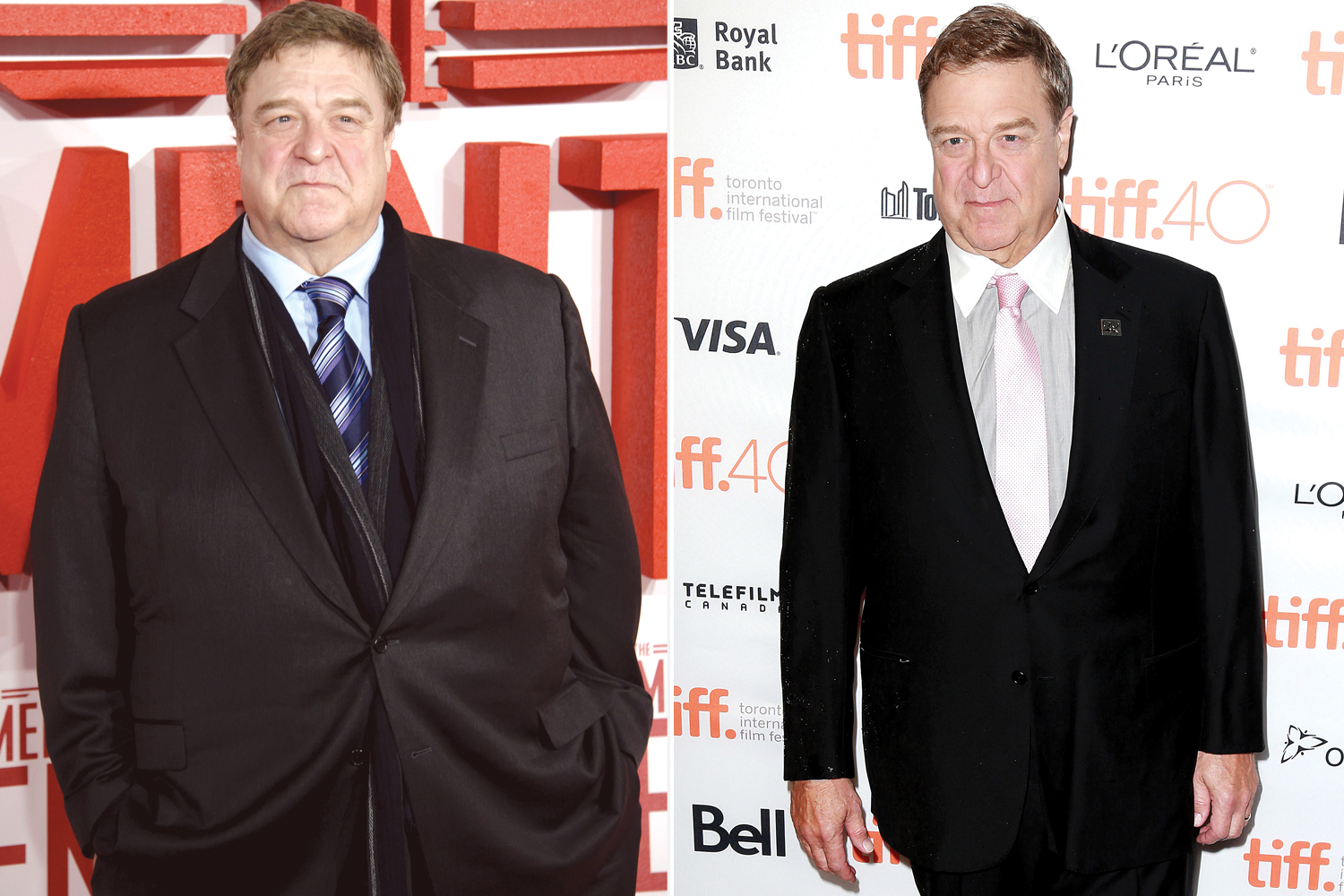
One of the most visible aspects of “what happened” to John Goodman is his significant physical change. Losing over 200 pounds was not merely a personal health decision; it was a profound rebranding event. In the public eye, a physical transformation of this magnitude often signals a new chapter, a “Version 2.0” of the individual’s brand identity.
The Impact of Health on Public Perception
For years, Goodman’s physical stature was an integral part of his brand—the “jovial big man.” However, as health concerns and age became factors, that specific brand identity became unsustainable. By radically changing his appearance, Goodman effectively reset the public’s expectations. This transformation allowed him to access a new range of roles that were previously unavailable to him, proving that a brand’s “packaging” can and should evolve to reflect its current values and goals.
Authenticity and Vulnerability in Brand Storytelling
Crucial to this rebranding was Goodman’s transparency. He did not disappear and return as a new person; he was open about his struggles with weight and his past battles with alcoholism. In personal branding, vulnerability is a powerful tool for building trust. By owning his narrative—including the setbacks—Goodman transformed from a distant celebrity into an authentic human figure. This authenticity strengthened his brand’s emotional connection with the audience, making his success feel like a shared victory for those who have followed his career for decades.

Strategic Partnerships and the “Coen Brothers” Association
A brand is often defined by the company it keeps. One of the smartest moves in Goodman’s career has been his long-standing association with elite creators, most notably Joel and Ethan Coen. These strategic partnerships served to elevate his brand from “popular entertainer” to “artistic heavyweight.”
Brand Association and Artistic Credibility
Just as a tech startup gains prestige by partnering with an established giant like Google or Apple, Goodman’s brand was burnished by his frequent collaborations with the Coen Brothers. These films placed him in the “Prestige” category, attracting a demographic of cinephiles and critics that a standard sitcom audience might not reach. This cross-pollination of audiences is a classic brand expansion strategy. It allowed Goodman to maintain his mass-market appeal while simultaneously building “indie” credibility.
Consistency vs. Reinvention
The paradox of Goodman’s brand is that while he has reinvented his look and his roles, his core professional values—consistency, work ethic, and mastery of craft—have remained unchanged. This provides a “brand anchor.” Even when he appears in a CGI-heavy blockbuster or a gritty independent drama, the audience knows the “Goodman Standard” of performance will be met. For any professional brand, this balance is vital: you must innovate enough to stay relevant, but maintain a core value proposition that consumers can rely on.
Lessons in Brand Management for Modern Professionals
The story of John Goodman is more than just a Hollywood biography; it is a roadmap for brand management in the 2020s. Whether you are managing a corporate identity or a personal career, the principles Goodman has inadvertently demonstrated are universal.
Owning the Narrative in the Digital Age
In a world of social media and instant news, if you do not define your brand, the public will define it for you. Goodman managed his narrative by being proactive. Instead of letting his weight loss or his sobriety become tabloid fodder, he integrated them into his professional story. He became an advocate for his own evolution. For modern professionals, this means being intentional about how you present your career pivots and personal growth to your network and the public.
The Power of the “Workhorse” Identity
In an era of “influencer” culture and fleeting fame, Goodman’s brand is built on the “workhorse” mentality. He is rarely the center of a scandal; he is rarely the loudest voice in the room. Instead, his brand is defined by the work itself. This “product-first” branding approach is often the most resilient. When the hype fades, what remains is the quality of the output. Goodman has proven that by focusing on being an indispensable asset to every project, you create a brand that is recession-proof and immune to the whims of fashion.

The Future of the John Goodman Brand: Legacy and Mentorship
As Goodman enters the later stages of his career, his brand is shifting once again—this time toward “Legacy.” His recent work, including the continuation of the Conner family saga in The Conners, shows a brand that has come full circle. He is now the elder statesman, the mentor figure whose presence provides a bridge between the past and the future.
This phase of branding is about stewardship. He is no longer just “John Goodman, the actor”; he is “John Goodman, the institution.” For organizations and leaders, this is the ultimate goal: to reach a point where your brand is so well-established that it can support and elevate the next generation.
In conclusion, “what happened” to John Goodman was a deliberate, courageous, and highly successful series of brand pivots. He moved from the constraints of a 1980s stereotype to become a versatile, healthy, and highly respected icon of American cinema. His journey teaches us that a brand is never static. With the right strategy—focusing on versatility, authenticity, strategic partnerships, and a commitment to quality—any brand can navigate the challenges of time and emerge stronger, more relevant, and more respected than ever before.
aViewFromTheCave is a participant in the Amazon Services LLC Associates Program, an affiliate advertising program designed to provide a means for sites to earn advertising fees by advertising and linking to Amazon.com. Amazon, the Amazon logo, AmazonSupply, and the AmazonSupply logo are trademarks of Amazon.com, Inc. or its affiliates. As an Amazon Associate we earn affiliate commissions from qualifying purchases.