
When Facebook Dating was first announced in 2018 and rolled out globally in 2019, the tech world braced for a seismic shift. With access to the world’s most comprehensive social graph, industry analysts predicted that Mark Zuckerberg’s foray into the romance market would spell the end for incumbents like Tinder and Bumble. However, five years later, the conversation surrounding Facebook Dating has shifted from “the industry disruptor” to a quieter, more localized utility.
To understand what happened to Facebook Dating, one must look past the headlines and dive into the technological shifts, algorithmic pivots, and the evolving user experience (UX) within the Meta ecosystem. The feature has not disappeared; rather, it has undergone a quiet evolution, moving from a front-and-center priority to a specialized software component operating in the background of the broader social media landscape.
The Technological Architecture of a Social Dating Layer
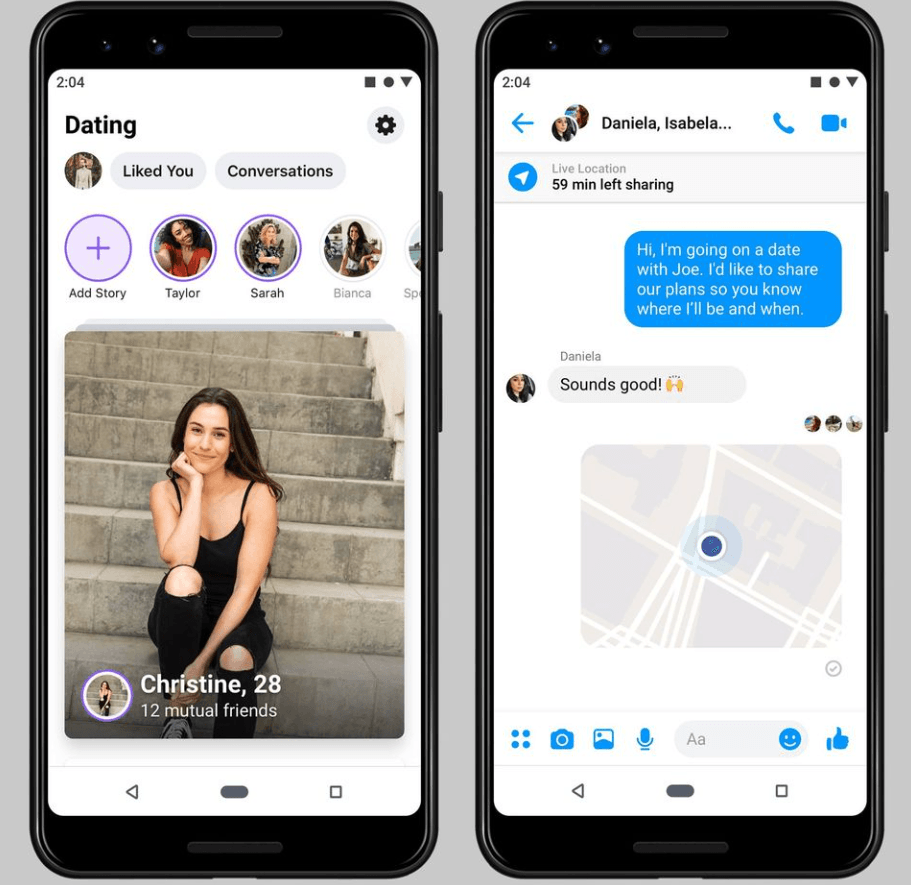
Unlike its competitors, Facebook Dating was never launched as a standalone application. From a technical and strategic standpoint, Meta (then Facebook) chose to build it as an integrated feature within the existing Facebook mobile app. This decision carried significant software implications and defined the user journey from the outset.
Integration within the Meta Ecosystem
The core technological advantage of Facebook Dating was its ability to leverage existing data points. While a new user on Hinge or Tinder starts with a blank slate, Facebook Dating utilized years of “Likes,” group memberships, and event attendance to populate a profile. Technically, this was an exercise in data bridging—creating a walled garden within a walled garden. The developers had to ensure that while the dating profile drew from the main account’s data, it remained invisible to the user’s “Friends” list to maintain privacy. This required a complex permission-based architecture that differentiated between “social” data and “romantic” data.
The “Secret Crush” and Algorithmic Logic
One of the most innovative technical features was “Secret Crush.” This allowed users to select up to nine Facebook friends or Instagram followers they were interested in. From a software perspective, this was a sophisticated matching algorithm that prioritized mutual consent. The system would only notify both parties if there was a “double-blind” match. This utilized a specific subset of Meta’s matching engine, moving away from the “swipe-right” gamification popularized by Match Group and toward a more intent-based, social-graph-driven discovery.
The Shift in Development Priorities: AI and the Pivot to Video
If Facebook Dating feels “quieter” today, it is largely due to a massive reallocation of engineering resources within Meta. Around 2021 and 2022, the company’s technical focus shifted dramatically toward two areas: Short-form video (Reels) to compete with TikTok, and the foundational development of the Metaverse.
The Rise of the Recommendation Engine
The engineering teams at Meta began prioritizing the “Discovery Engine.” This technical shift moved the app away from a social graph (who you know) toward a content graph (what you enjoy). Because Facebook Dating was built on the social graph—emphasizing friends of friends and group members—it found itself at odds with the platform’s broader move toward AI-driven content consumption. As the main Facebook feed became dominated by Reels and suggested content, the Dating tab became a secondary utility rather than a primary engagement driver.
Feature Fatigue and Minimalist UI Maintenance
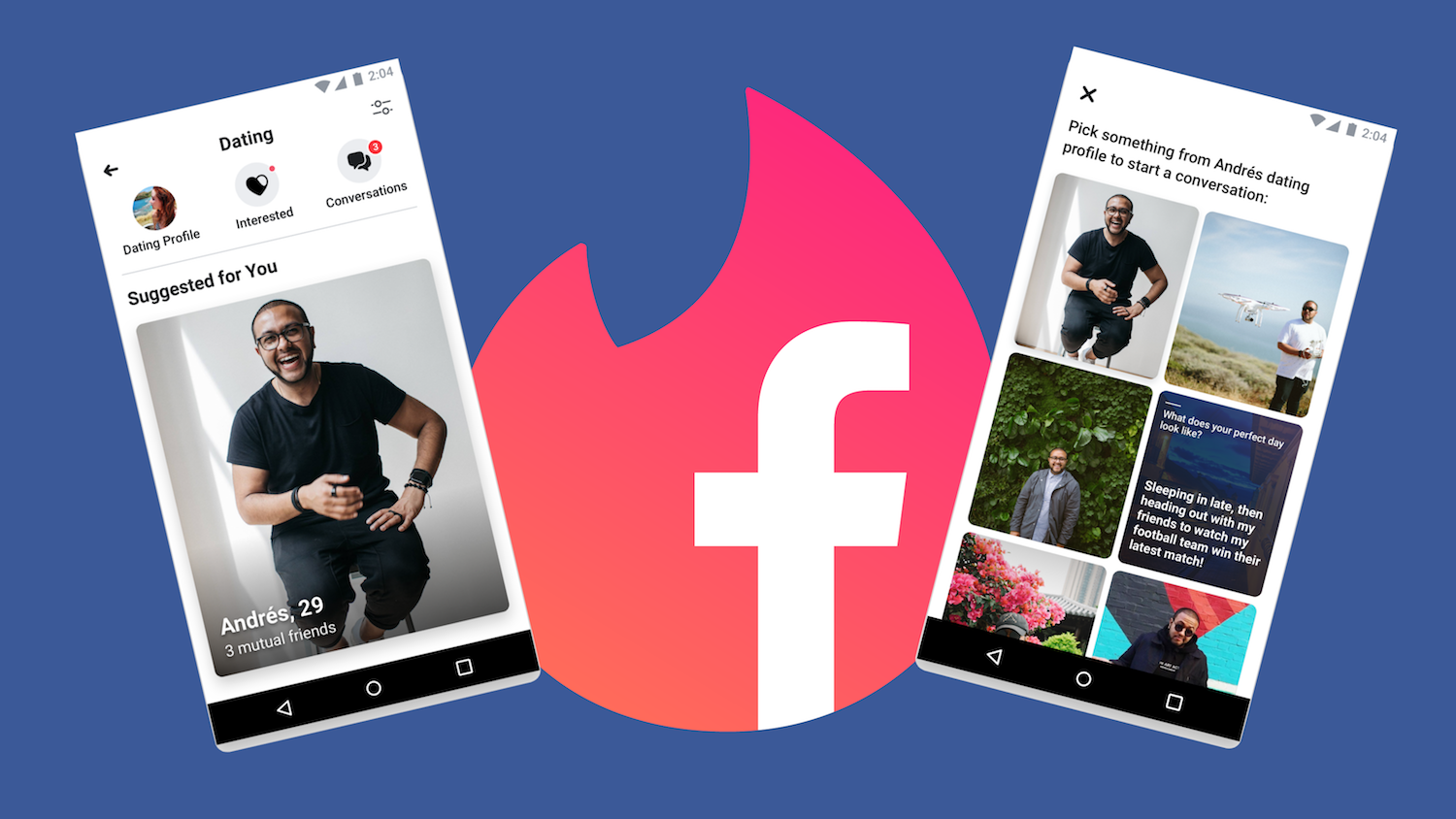
From a UI/UX perspective, Facebook Dating has remained remarkably consistent since its launch. While Tinder and Bumble have introduced “Premium” tiers, “Boosts,” and complex virtual currencies, Facebook Dating has stayed largely free and minimalist. In the tech world, a lack of visible updates is often interpreted as a “dead” product. However, for Meta, this represents a “maintenance mode” strategy. The software works, the bugs are patched, and the user base is stable, but the aggressive “growth hacking” features seen in other dating apps have been absent because Meta’s primary monetization comes from the main feed’s ad revenue, not dating-specific microtransactions.

Technical Challenges and User Security Friction
The path for Facebook Dating hasn’t been without technical hurdles. The platform faced significant scrutiny regarding how it handled sensitive user data in the wake of the Cambridge Analytica scandal, which occurred just as the dating feature was being finalized.
Digital Security and Bot Mitigation
One of the biggest technical battles for any dating platform is the war against “romance scams” and automated bots. Facebook Dating leverages Meta’s global security infrastructure to verify accounts. If an account is flagged on the main platform for suspicious activity, its access to Dating is typically revoked. This integration provides a layer of security that smaller apps struggle to match. However, it also creates a technical friction point: users who have deleted their Facebook accounts to improve their digital footprint or privacy find themselves unable to access the dating feature, effectively locking out a significant demographic of tech-savvy individuals.
Location-Based Syncing and Privacy Hurdles
A common technical complaint among users involves the location-syncing software. Unlike standalone apps that request constant GPS access, Facebook Dating’s location services are tied to the broader Facebook app permissions. This has occasionally led to “drift,” where the app fails to update a user’s location accurately if they are traveling, leading to a degraded user experience. Furthermore, the technical challenge of keeping “Dating” activities separate from the “Main Feed” requires constant back-end auditing. If a technical glitch were to accidentally post a dating profile to a user’s public wall, the brand damage would be catastrophic, forcing Meta to take a conservative, “safety-first” approach to feature updates.
The Future of Social Discovery: AI and Generative Matching
To answer “what happened” to Facebook Dating, we must look at where the technology is heading. We are currently entering the era of Generative AI, and Meta is positioning itself as a leader in this space with its Llama models.
Predictive Analysis and Automated Introductions
The next iteration of Facebook Dating likely won’t be a visual redesign, but an algorithmic overhaul. Meta’s AI can now understand context within photos and text at a granular level. We are moving toward a period where the software won’t just show you someone who “likes hiking” because they checked a box, but will use computer vision to recognize hiking gear in their photos and suggest matches based on the actual difficulty of the trails they frequent. This level of technical “deep matching” is where Facebook Dating could find its second wind.
Meta’s Roadmap for Social Discovery
The “Dating” tab is increasingly being viewed as a “Social Discovery” experiment. The lessons learned from the dating algorithm are being applied to other areas of the app, such as “Facebook Groups” and “Community Chats.” In the long term, the tech behind Facebook Dating may be absorbed into a broader AI assistant—an agent that knows your preferences, your social circle, and your schedule, suggesting not just romantic partners but professional mentors and hobbyist groups.
Conclusion: A Utility, Not a Trend
So, what happened to Facebook Dating? It didn’t fail, and it didn’t disappear. Instead, it transitioned from a high-profile experiment to a stable, integrated utility. It exists in a unique space within the tech world: a free, data-rich dating service that eschews the aggressive monetization of its competitors in favor of keeping users within the Meta ecosystem.
While it may not dominate the cultural zeitgeist like it was expected to in 2019, its technical foundation remains robust. As Meta continues to integrate advanced AI across its platforms, the “Dating” feature serves as a vital playground for understanding how humans connect in a digital-first world. For the millions of users who utilize it daily, it remains a testament to the power of the social graph—even if the rest of the tech world has moved on to the next big “disruption.” Facebook Dating hasn’t gone anywhere; it has simply become a part of the digital furniture, quietly working in the background of the world’s largest social network.
aViewFromTheCave is a participant in the Amazon Services LLC Associates Program, an affiliate advertising program designed to provide a means for sites to earn advertising fees by advertising and linking to Amazon.com. Amazon, the Amazon logo, AmazonSupply, and the AmazonSupply logo are trademarks of Amazon.com, Inc. or its affiliates. As an Amazon Associate we earn affiliate commissions from qualifying purchases.