
In the late 1980s, the music industry was largely a gatekept fortress, controlled by major labels that prioritized polished, radio-friendly acts. Then came Eric “Eazy-E” Wright. While many history books focus on the tragic medical circumstances surrounding his death in 1995, the true professional inquiry into “what happened to Eazy-E” lies in the enduring legacy of his business acumen. He didn’t just record music; he engineered a seismic shift in brand strategy, personal branding, and corporate identity that still serves as a blueprint for modern independent artists and entrepreneurs.

Eazy-E was the “Godfather of Gangsta Rap,” but more accurately, he was the Chief Marketing Officer of a cultural movement. By identifying a vacant niche—the raw, unfiltered reality of South Central Los Angeles—and packaging it with a distinct visual and sonic identity, he built an empire that transcended music.
Building the “Godfather” Brand: The Genesis of Ruthless Records
Long before the term “personal branding” was a staple of LinkedIn influencers, Eric Wright was masterfully crafting an image that was both aspirational and grounded in street authenticity. His transition from the streets to the boardroom was not an accident; it was a calculated pivot into brand ownership.
Authenticity as a Marketable Asset
The core of Eazy-E’s brand was authenticity. In an era where many artists were pressured to “cross over” to pop audiences, Eazy-E leaned into his roots. He realized that “the street” was an underserved market with high brand loyalty. By establishing Ruthless Records in 1987 with Jerry Heller, he ensured that he owned the means of production. This ownership allowed him to maintain a brand voice that was uncompromising. He wasn’t just a performer; he was the proprietor of a lifestyle. This “street-certified” authenticity became a powerful currency that major labels couldn’t manufacture, making Ruthless Records a dominant force in independent music.
N.W.A as a Collective Identity
The formation of N.W.A (Niggaz Wit Attitudes) was perhaps the most successful exercise in collective branding in music history. Eazy-E understood that a group identity could be stronger than the sum of its parts. Each member had a specific “archetype” within the brand: Dr. Dre was the sonic architect, Ice Cube was the lyrical powerhouse, and Eazy-E was the charismatic, street-smart leader. This strategic positioning allowed the group to appeal to various demographics while maintaining a unified, rebellious corporate identity. They weren’t just a band; they were a brand that represented a specific social viewpoint, which created a deep, emotional connection with their audience.
Strategic Controversies: Leveraging the “World’s Most Dangerous Group”
One of the most profound lessons in brand strategy that we can learn from Eazy-E is the power of “anti-marketing.” In a world where most brands avoid conflict, Eazy-E and N.W.A leaned into it, using controversy as a vehicle for exponential growth.
Turning FBI Letters into Free PR
In 1989, N.W.A received a warning letter from the FBI regarding their lyrics. Most corporate entities would have viewed this as a PR nightmare and issued a public apology. Eazy-E, however, recognized the immense marketing value of government opposition. He utilized the letter to solidify the group’s “outlaw” brand. By positioning the group as “The World’s Most Dangerous Group,” he created a sense of “forbidden fruit” around their music. This strategic use of controversy generated millions of dollars in free publicity, proving that a well-defined brand can thrive on the very friction that destroys weaker identities.
The Visual Aesthetic of the Street
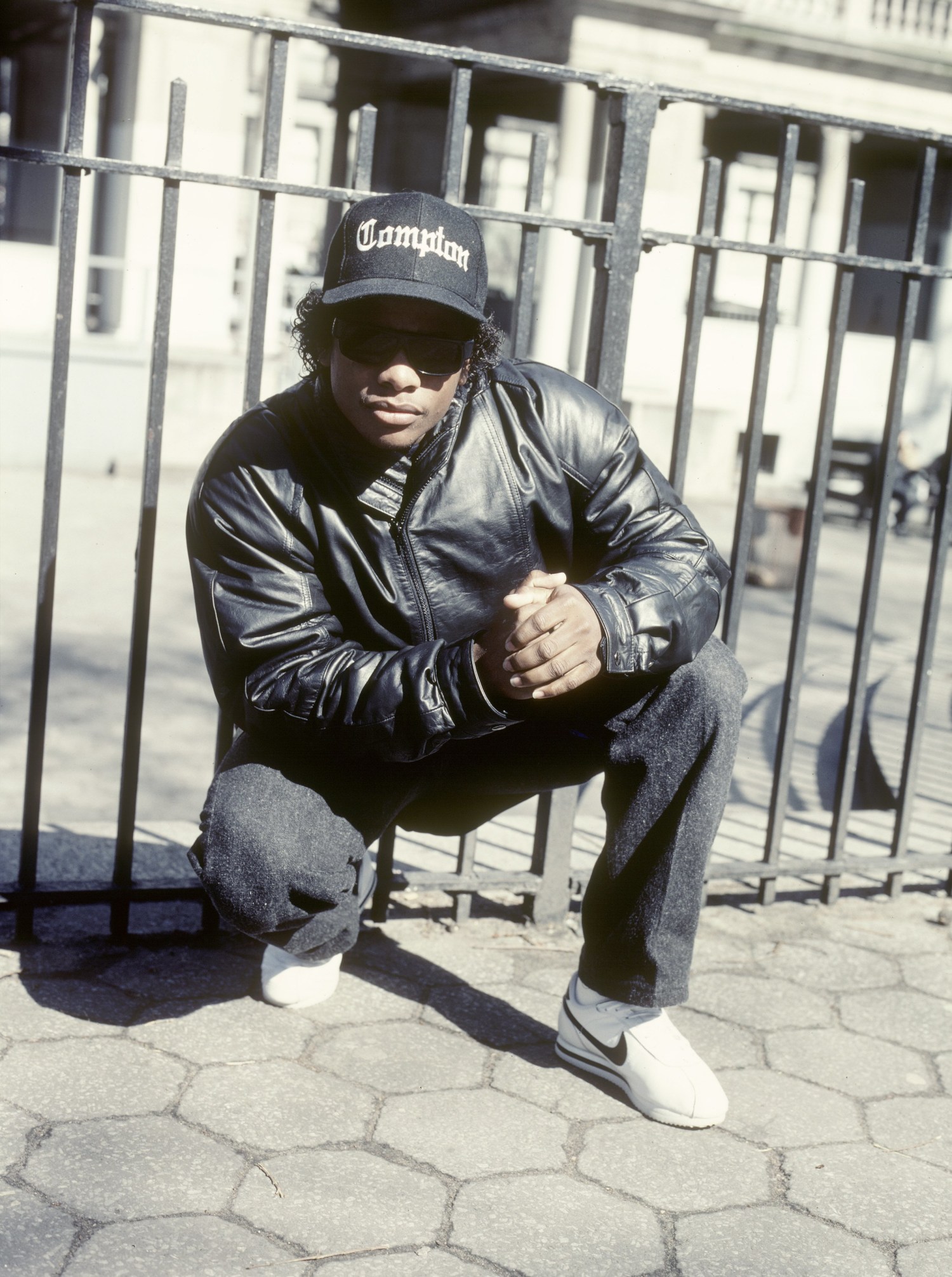
Eazy-E was meticulous about the visual component of his brand. The black-on-black aesthetic—Raiders hats, Locs sunglasses, and Dickies suits—became a uniform. This wasn’t just a fashion choice; it was a corporate identity. By standardizing the visual elements of the Ruthless Records roster, Eazy-E ensured that his artists were instantly recognizable. This level of visual consistency is a hallmark of successful global brands like Apple or Nike. He understood that to build a lasting brand, you must own a specific “look” in the consumer’s mind.
Brand Diversification and the Business of Rap
A key part of what happened to Eazy-E’s professional trajectory was his realization that a brand must diversify to survive. He did not want to be just a rapper; he wanted to be a media mogul. His ability to spot and develop talent allowed Ruthless Records to remain relevant even as the musical landscape shifted.
Talent Scouting: Building a Roster Beyond N.W.A
The hallmark of a great brand strategist is the ability to scale. After the fractured relationship with N.W.A members, Eazy-E didn’t let the brand die. He pivoted, discovering and signing Bone Thugs-N-Harmony. This move showed his keen eye for market trends. Bone Thugs-N-Harmony brought a melodic, rapid-fire style that was vastly different from N.W.A, yet it fit under the “Ruthless” umbrella of innovation and edge. This diversification proved that the Ruthless brand was not dependent on a single individual but was instead a platform for a specific type of creative excellence.
Merchandising and Cross-Media Influence
Eazy-E was an early adopter of the 360-degree brand model. He understood that music was just the entry point into a larger ecosystem of products. Through merchandising, Eazy-E turned his fans into walking billboards. Long before artists had their own clothing lines as standard practice, Eazy-E was leveraging the visual assets of Ruthless Records to sell apparel. He also understood the power of visual media, appearing in music videos that felt like short films, further cementing his personal brand as a cinematic figure of the American West Coast.
The Posthumous Brand: Managing a Legacy After 1995
When Eric Wright passed away in 1995, the question of “what happened to Eazy-E” shifted from a person to a legacy. In the decades since, the management of his brand has provided a fascinating case study in posthumous brand preservation and digital-era revitalization.
Straight Outta Compton (2015) and Digital Preservation
The 2015 biopic Straight Outta Compton served as a massive brand refresh for Eazy-E. By telling his story to a new generation, the film revitalized his streaming numbers and introduced his entrepreneurial spirit to Gen Z. The film meticulously balanced his flaws with his visionary business sense, reinforcing the “Godfather” narrative. This is a primary example of “Legacy Branding”—ensuring that a brand’s core values are preserved and reinterpreted for contemporary audiences without losing the original essence.

Lessons for Modern Creators
Today’s digital creators are essentially following the path Eazy-E cleared. The concept of the “Creator Economy”—where individuals own their platforms, control their narrative, and monetize their authenticity—is the modern evolution of the Ruthless Records model. Eazy-E taught the industry that:
- Ownership is everything: Without owning the masters and the trademark, you are just a temporary employee of your own talent.
- Niche is better than broad: By speaking directly to a specific community, you build a “ride or die” fan base that transcends market trends.
- Conflict can be a catalyst: If handled strategically, pushback from traditional institutions can validate your brand’s “edge” and increase its desirability.
In conclusion, “what happened to Eazy-E” is a story of a brand that refused to be silenced. Eric Wright may have left the stage in 1995, but his corporate DNA is present in every independent label, every artist-owned streetwear brand, and every creator who prioritizes ownership over a quick paycheck. He remains the ultimate case study in how to build a brand that is not just heard, but felt—a brand that survives the man himself.
aViewFromTheCave is a participant in the Amazon Services LLC Associates Program, an affiliate advertising program designed to provide a means for sites to earn advertising fees by advertising and linking to Amazon.com. Amazon, the Amazon logo, AmazonSupply, and the AmazonSupply logo are trademarks of Amazon.com, Inc. or its affiliates. As an Amazon Associate we earn affiliate commissions from qualifying purchases.