
In the high-stakes world of luxury fashion, branding has traditionally been synonymous with “newness.” For decades, the industry’s prestige was built on the seasonal release, the runway debut, and the pristine, untouched nature of a boutique purchase. However, a seismic shift has occurred over the last quarter-century, fueled by a brand that saw value where others saw “second-hand.” “What Goes Around Comes Around” (WGACA) has not merely built a successful retail business; they have pioneered a specific brand strategy that transformed the pre-owned luxury handbag market into a multibillion-dollar pillar of the global economy.
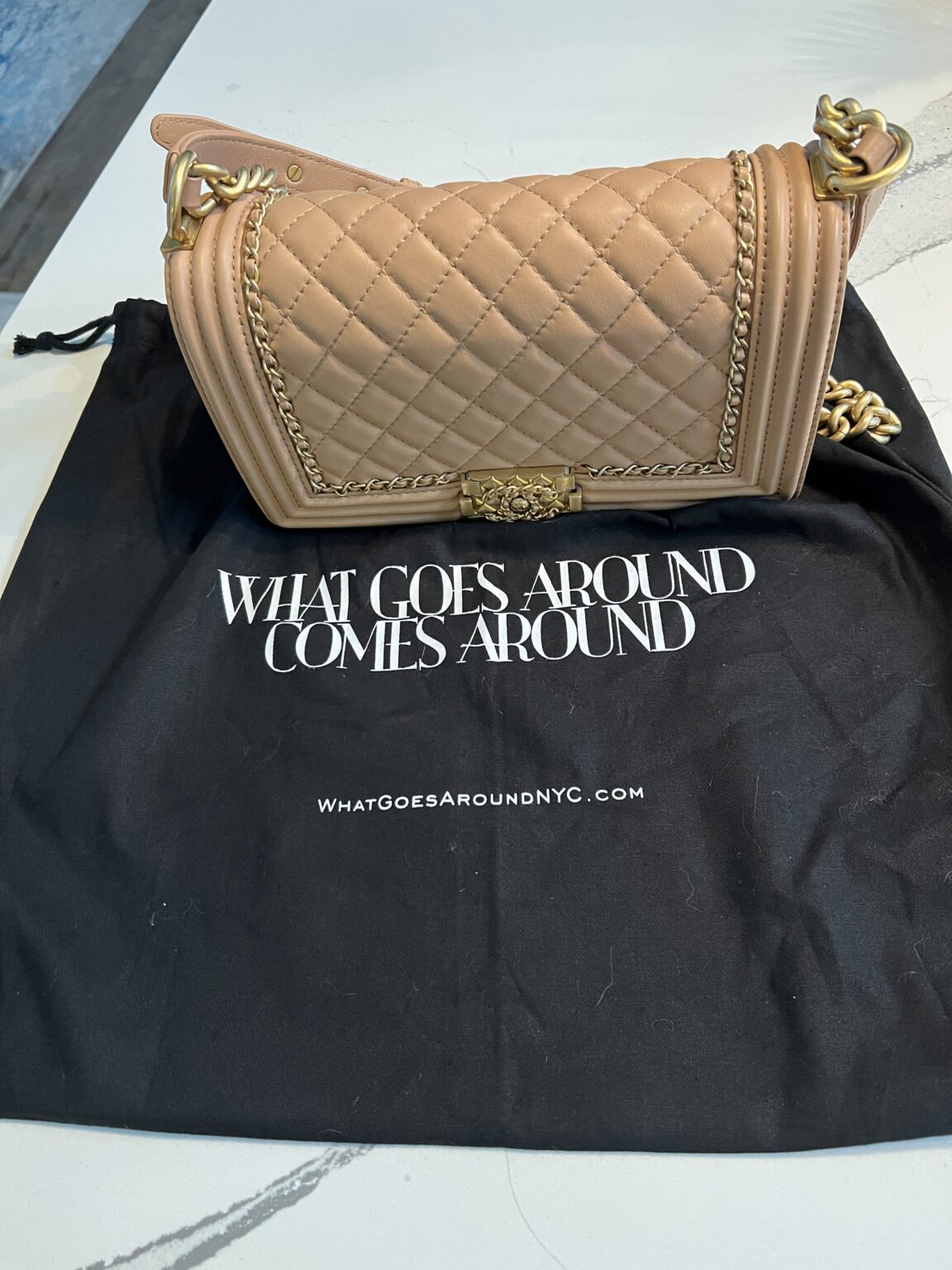
By analyzing the branding architecture of WGACA, we can uncover how they successfully positioned “pre-loved” items as superior to new ones, effectively mastering the art of the circular economy while maintaining an aura of extreme exclusivity.
The Power of Curation as a Brand Identity
At its core, WGACA is not a thrift store, nor is it a simple marketplace. It is a curator. This distinction is the cornerstone of their brand strategy. In a world where platforms like eBay or even specialized marketplaces like The RealReal offer vast, often overwhelming inventories, WGACA chose a different path: extreme curation.
Shifting from Mass Market to Exclusive Archives
The brand identity of WGACA is built on the concept of “The Archive.” Instead of accepting any luxury item, the brand focuses on pieces that have historical significance, aesthetic longevity, and high resale potential. This selective process does two things for their brand: it reduces the “noise” for the high-net-worth consumer and elevates the store’s status from a retailer to a gallery. When a customer walks into a WGACA boutique or browses their digital collection, they aren’t just looking at bags; they are looking at a curated history of fashion. This positioning allows them to command a premium price that often exceeds the original retail value of the items.
Building Trust through Authentication
In the luxury resale brand space, the greatest threat to brand equity is the counterfeit market. WGACA built its corporate identity around the “Gold Standard” of authentication. By making their rigorous multi-point inspection process a central part of their marketing narrative, they solved the primary pain point of the luxury consumer: fear. This commitment to authenticity became their “brand promise,” allowing them to compete directly with the primary houses like Chanel and Hermès. They didn’t just sell a bag; they sold the peace of mind that comes with a verified heritage.
Leveraging Heritage: The Symbiotic Relationship with Legacy Houses
One of the most fascinating aspects of the WGACA brand strategy is how it piggybacks on the branding efforts of legacy fashion houses while simultaneously disrupting them. By focusing on “What Goes Around Comes Around Bags,” the company leverages the multi-million dollar marketing budgets of brands like Louis Vuitton and Gucci.
The Chanel and Hermès Factor
WGACA’s brand is inextricably linked to the giants of the industry. Their strategy involves identifying the “hero products” of legacy brands—such as the Chanel Flap Bag or the Hermès Birkin—and positioning themselves as the ultimate source for these items, especially those no longer in production. This creates a brand narrative of “The Impossible Find.” When a customer cannot buy a specific vintage style at a Chanel boutique, WGACA becomes the primary authority. This reinforces a brand identity rooted in expertise and access, rather than just inventory.
Scarcity as a Marketing Tool
While primary luxury brands use scarcity to drive demand for new releases, WGACA uses “historical scarcity.” Their marketing focuses on the fact that the items they carry are “one-of-a-kind” in their current condition or specific colorway. This strategy aligns perfectly with the modern consumer’s desire for individuality. By branding themselves as the purveyors of “unrepeatable” fashion, they have tapped into a niche that the mass-producing luxury houses cannot easily fill.

The “Circular” Narrative: Sustainability as a Brand Pillar
In the modern era, a brand’s corporate identity is increasingly judged by its environmental impact. WGACA was ahead of the curve, positioning the “circular economy” as a luxury experience long before “sustainability” became a corporate buzzword.
Conscious Consumerism in the Modern Era
The brand has successfully pivoted its messaging to appeal to Gen Z and Millennial consumers who prioritize the environment. The narrative is simple yet powerful: buying a vintage bag is the most sustainable way to participate in luxury fashion. By framing the purchase of a pre-owned bag as an act of “conservation” rather than “consumption,” WGACA has added a moral dimension to its brand. This “feel-good” branding helps mitigate the guilt often associated with high-end luxury spending.
Extending the Lifecycle of Luxury
WGACA’s brand strategy also emphasizes the “investment” quality of luxury goods (from a brand-building perspective, rather than just financial). They market the idea that a well-made bag should last several lifetimes. This focus on “longevity” challenges the fast-fashion mindset and positions WGACA as a guardian of craftsmanship. Their brand isn’t just about selling bags; it’s about advocating for a world where quality triumphs over quantity. This narrative has allowed them to partner with mainstream retailers like Shopbop and Revolve, bringing the “vintage luxury” brand to a much wider, eco-conscious audience.
The Business of Authenticity: Marketing the “Pre-Loved” Experience
How does a brand make a 20-year-old bag feel more desirable than a brand-new one? The answer lies in the experiential marketing and the physical “brand touchpoints” that WGACA has meticulously designed.
Elevating the Retail Environment
The physical stores of What Goes Around Comes Around are designed to mirror the high-end boutiques of Bond Street or Fifth Avenue. There is no hint of the “mustiness” often associated with vintage shops. The lighting, the white-glove service, and the museum-like displays are all strategic branding choices. By mirroring the aesthetic of the primary luxury market, they bridge the psychological gap for the consumer. The brand strategy here is “normalization”—making the purchase of a pre-owned bag feel just as prestigious as buying one from a flagship store.
Influencer Partnerships and Celebrity Endorsements
WGACA has mastered the art of “associative branding.” By ensuring their bags are seen on the arms of A-list celebrities and top-tier influencers, they have removed the stigma once attached to “used” clothing. When a Kardashian or a Jenner carries a vintage bag from WGACA, it isn’t seen as a budget-conscious choice; it is seen as a stylistic power move. This influencer strategy has been vital in building a brand that represents “insider knowledge.” To carry a WGACA bag is to signal that you are a “fashion connoisseur” who understands value beyond the current season’s trends.

Conclusion: The Future of Brand Longevity in Resale
The success of “What Goes Around Comes Around” serves as a masterclass in brand evolution. They didn’t just sell bags; they rebranded the entire concept of ownership. By focusing on curation, authenticity, sustainability, and an elevated retail experience, they created a brand that is as durable as the Hermès leather they sell.
As the luxury market continues to evolve, the lessons from WGACA’s brand strategy remain clear: in an age of mass production, the true luxury brand is one that offers history, trust, and a soul. Their “What Goes Around Comes Around” philosophy has come full circle, proving that the past is not just something to be remembered—it is a brand to be built, marketed, and treasured. The resale revolution is here to stay, and it is paved with the carefully curated, authenticated, and beautifully branded bags that have defined an era of conscious, high-end style.
aViewFromTheCave is a participant in the Amazon Services LLC Associates Program, an affiliate advertising program designed to provide a means for sites to earn advertising fees by advertising and linking to Amazon.com. Amazon, the Amazon logo, AmazonSupply, and the AmazonSupply logo are trademarks of Amazon.com, Inc. or its affiliates. As an Amazon Associate we earn affiliate commissions from qualifying purchases.