
In the fast-paced world of digital marketing and corporate identity, brand managers and copywriters are constantly searching for the “secret sauce” that boosts engagement and drives conversion. While billions are spent on high-end graphic design and algorithmic ad placement, one of the most effective tools in the branding arsenal is also one of the oldest: the Postscript, or “P.S.”
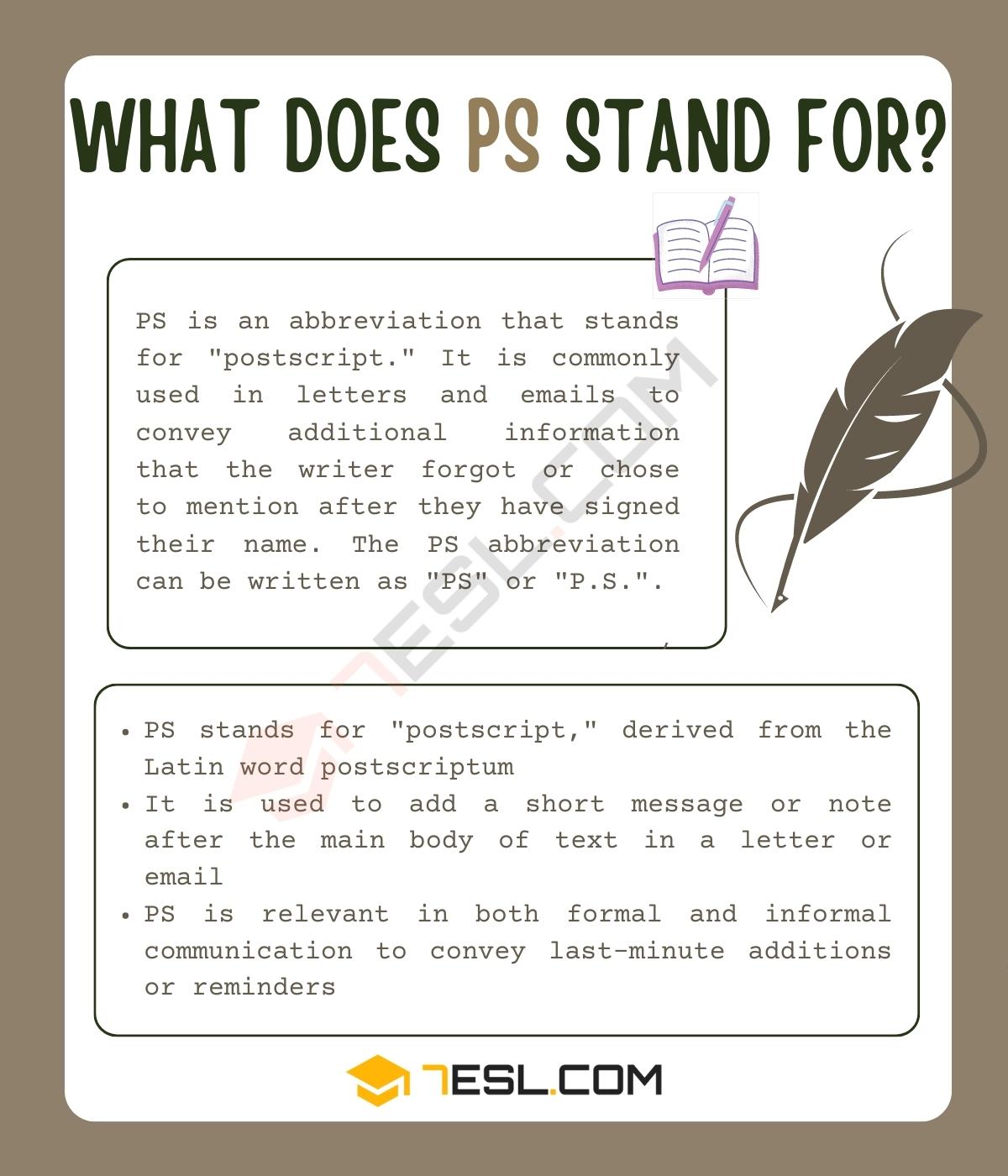
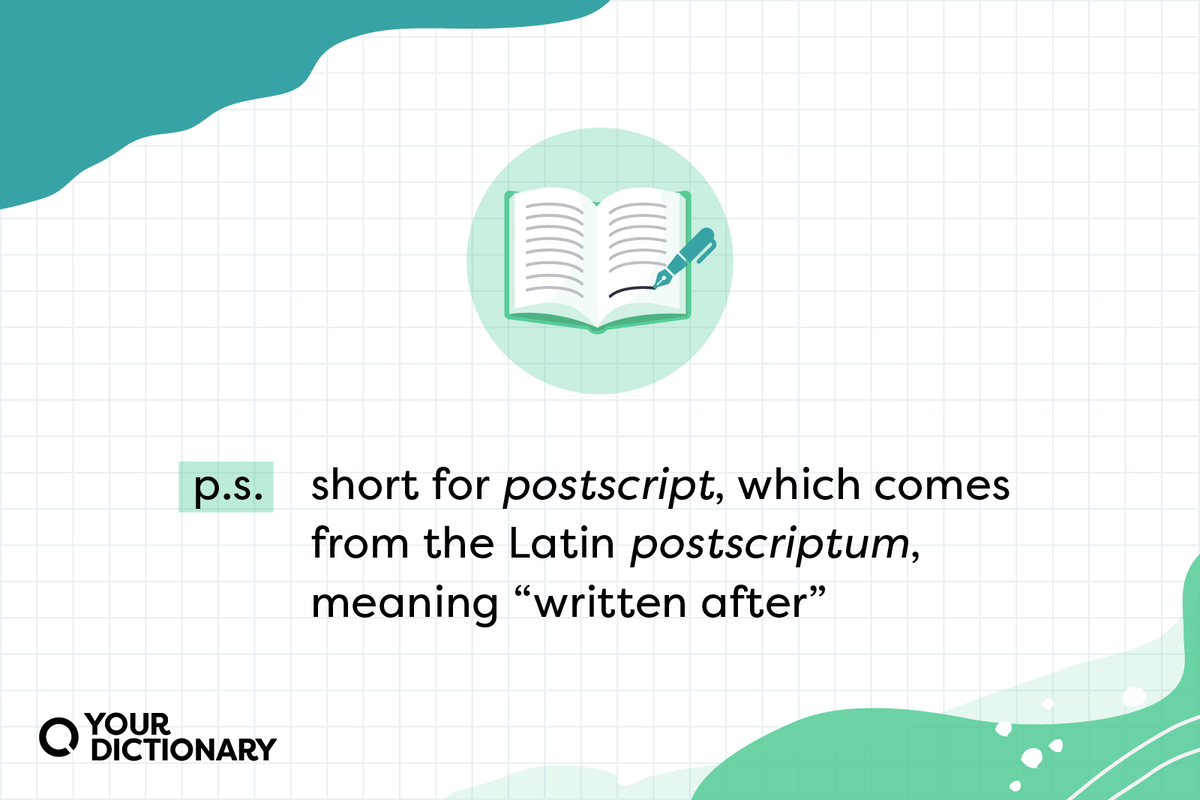
Derived from the Latin post scriptum, meaning “written after,” the P.S. began as a necessity in the era of handwritten letters when a writer realized they had forgotten a crucial detail after the ink had dried. Today, in the context of brand strategy and professional communication, the P.S. is no longer an afterthought. It is a calculated, strategic element used to anchor brand voice, reinforce value propositions, and command attention in an age of digital clutter.
The Psychology of the “Last Word” in Brand Communication
To understand why the P.S. is so vital to brand strategy, one must first understand human psychology—specifically, how we consume information. In modern marketing, the “Serial Position Effect” plays a dominant role. This psychological phenomenon suggests that people tend to remember the first and last items in a series best, while the middle often becomes a blur.
The Serial Position Effect: Why We Remember the End
When a consumer opens a brand newsletter or a sales proposal, they rarely read every word. Instead, they scan. They look at the H1 header, glance at the bullet points, and then skip directly to the bottom. The P.S. sits in the prime real estate of the “final impression.” By placing a key brand message in the postscript, you are leveraging the Recency Effect, ensuring that your most important takeaway is the one that lingers in the recipient’s mind after they close the tab.
Creating Urgency and FOMO through Postscripts
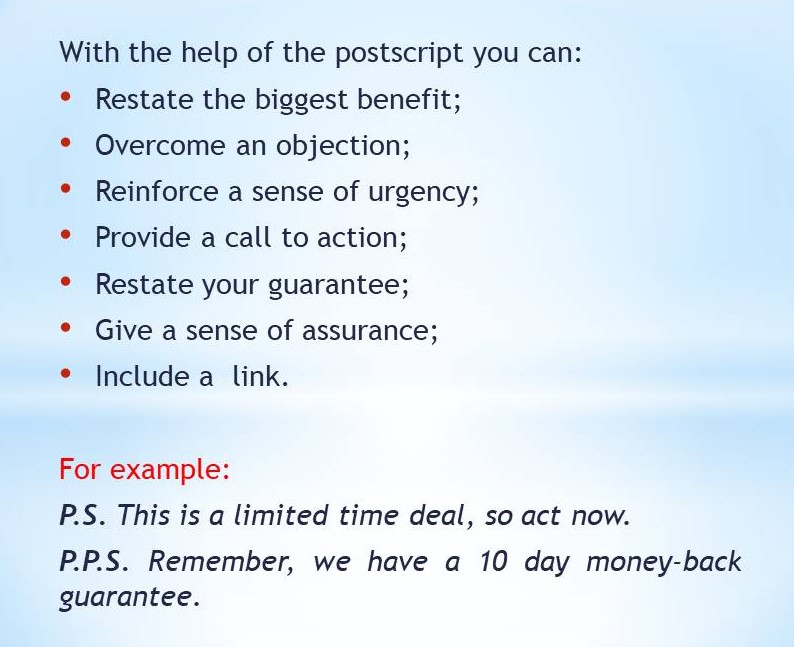
Beyond mere memory, the P.S. serves as a psychological “hook.” In branding, creating a sense of urgency or “Fear of Missing Out” (FOMO) is essential for driving action. A well-crafted P.S. acts as the final nudge. While the body of a brand’s message might be educational or narrative, the P.S. is where the stakes are clarified. “P.S. The 20% discount expires at midnight” or “P.S. We only have five spots left for this executive retreat” transforms a passive reader into an active participant.
Strategic Implementation: Using the P.S. to Drive Brand Conversions
In a professional brand strategy, every element of communication must have a purpose. The P.S. is uniquely versatile because it can serve multiple strategic goals simultaneously without cluttering the main narrative of the content.
The Social Proof P.S.
One of the most effective ways to use a postscript is to inject a final dose of credibility. If the main body of your brand’s email focuses on the features of a new software tool, the P.S. can be used to showcase social proof. For example: “P.S. See why over 500 Fortune 500 companies transitioned to our platform last quarter.” This reinforces the brand’s authority without interrupting the flow of the primary educational content.
The “Soft Sell” versus the “Hard Ask”
Brand identity often struggles with the balance between being helpful and being “salesy.” The P.S. provides a perfect solution for the “soft sell.” A brand can provide 800 words of pure, unadulterated value in an article, maintaining a persona of a helpful industry leader. Then, in the postscript, it can pivot: “P.S. If you enjoyed these insights, you might find our upcoming webinar on market volatility particularly useful.” This keeps the main brand experience clean while still moving the lead down the sales funnel.
Managing Secondary Calls to Action (CTAs)
A cardinal rule of conversion rate optimization is to have one clear Call to Action. However, brand ecosystems are often complex. You might want a user to buy a product, but you also want them to follow your LinkedIn page. Placing the secondary goal in a P.S. allows you to maintain the focus of the main CTA while capturing the interest of those who weren’t quite ready to commit to the primary ask.
P.S. as a Personal Branding Tool: Building Human Connections
In an era of AI-generated content and corporate jargon, personal branding has become a differentiator. The P.S. is one of the few places where a brand—whether corporate or personal—can “break the fourth wall” and connect with the audience on a human level.
Breaking the Corporate Wall
The postscript often feels more informal than the body of a letter. It’s where the “mask” of the brand can slip slightly to reveal the person behind the keyboard. For a CEO writing a company-wide update or a founder sending a newsletter to subscribers, the P.S. is an opportunity to share a personal anecdote, a book recommendation, or a brief reflection. This builds “Brand Affinity,” the emotional connection that turns customers into loyal advocates.
Case Studies of Iconic Brand Postscripts
Think of successful modern brands like The Hustle or Morning Brew. Their brand identities are built on being “your smart, funny friend.” They frequently use the P.S. to deliver a final joke, a trivia point, or a “hidden gem” link. This creates a “reward” for the reader who scrolls to the end, reinforcing the brand’s personality as being generous and detail-oriented.
On the corporate side, brands like Apple or Nike have used the equivalent of a P.S. in their video marketing—the “one more thing” or the final post-credits frame—to cement their identity as innovators who always have something extra to offer.
Best Practices for Integrating P.S. into Your Multi-Channel Strategy
To maximize the impact of the postscript on your brand identity, it must be handled with the same rigor as your logo design or your mission statement. It is not just a place to dump forgotten info; it is a design and copy element.
Visual Hierarchy and Formatting
In digital design, the P.S. should stand out. Because it is often the most-read part of an email or landing page, strategic brands often bold the “P.S.” or even use a different font weight or color. This signals to the “scanner” that this is a distinct, high-value piece of information. If your brand voice is bold and disruptive, your P.S. should reflect that visually.
The Rule of One
Avoid the “P.P.S.” (Post-Post Scriptum) unless it is a very specific part of your brand’s “quirky” persona. Using multiple postscripts can make a brand appear disorganized or desperate for attention. Stick to one powerful, punchy P.S. that reinforces a single objective.
Data-Driven Refinement
Modern branding is inseparable from data. A/B testing your postscripts can yield surprising results. Does your audience respond better to a P.S. that offers a discount, or one that offers a piece of exclusive content? By tracking click-through rates on the postscript link versus the main body links, brand managers can gain deep insights into what truly motivates their audience at the final moment of decision-making.
Conclusion: The Final Impression
What does the P.S. mean? In the context of brand strategy, it means the difference between being forgotten and being followed. It is the final opportunity to capture a lead, the last chance to inject personality into a dry document, and the most efficient way to leverage the quirks of human memory.
As you refine your brand’s communication strategy, stop treating the bottom of your pages as empty space. Whether you are sending a high-stakes investment deck, a weekly marketing newsletter, or a personal branding update on LinkedIn, remember that the “last word” is often the one that speaks the loudest.
A brand is not just what you say in the headline; it is the feeling you leave behind when the reader finishes the message. The P.S. is your final tool to ensure that feeling is one of value, urgency, and authentic connection.
P.S. If you’re looking to audit your brand’s communication style, start by looking at your sent folder. Are you utilizing the postscript to its full potential, or are you leaving your most valuable real estate vacant? Now is the time to reclaim the power of the last word.
aViewFromTheCave is a participant in the Amazon Services LLC Associates Program, an affiliate advertising program designed to provide a means for sites to earn advertising fees by advertising and linking to Amazon.com. Amazon, the Amazon logo, AmazonSupply, and the AmazonSupply logo are trademarks of Amazon.com, Inc. or its affiliates. As an Amazon Associate we earn affiliate commissions from qualifying purchases.