
In the multi-billion-dollar global skincare industry, few digits carry as much weight as the Sun Protection Factor (SPF) listed on a bottle of sunblock. To the casual consumer, the number—whether it is 15, 30, or 50—represents a measure of safety. However, from the perspective of brand strategy and corporate identity, that number is far more than a laboratory result. It is a critical piece of communication, a psychological anchor, and a cornerstone of market positioning.
When we ask, “What does the number on sunblock mean?” we are not just asking about ultraviolet radiation; we are asking about the brand’s promise to its audience. In an era where “clean beauty” and “derm-approved” are the buzzwords of the day, the SPF number serves as the ultimate bridge between clinical authority and consumer lifestyle branding.
The Power of Perception: Why the Number is a Brand’s Most Valuable Asset
For a skincare brand, the SPF number is the first point of contact with a customer’s risk assessment. It functions as a “trust signal.” In the world of branding, trust signals are non-verbal cues that reassure a customer that a product will perform its primary function. When a brand chooses to lead with “SPF 50,” it is making a strategic decision to prioritize a narrative of “total protection.”
Scientific Authority as a Branding Tool
In the competitive landscape of personal care, brands often struggle to differentiate themselves. Utilizing the SPF number allows a brand to lean on scientific authority. For heritage brands like Neutrogena or La Roche-Posay, the number is presented with clinical minimalism. The packaging is often white, featuring blue or orange accents that evoke a medical or pharmaceutical feel. Here, the number isn’t just data; it’s a badge of expertise. By emphasizing the SPF rating, these brands position themselves as the “rational choice” for the health-conscious consumer, effectively branding “science” itself.
The Psychology of the “Higher is Better” Bias
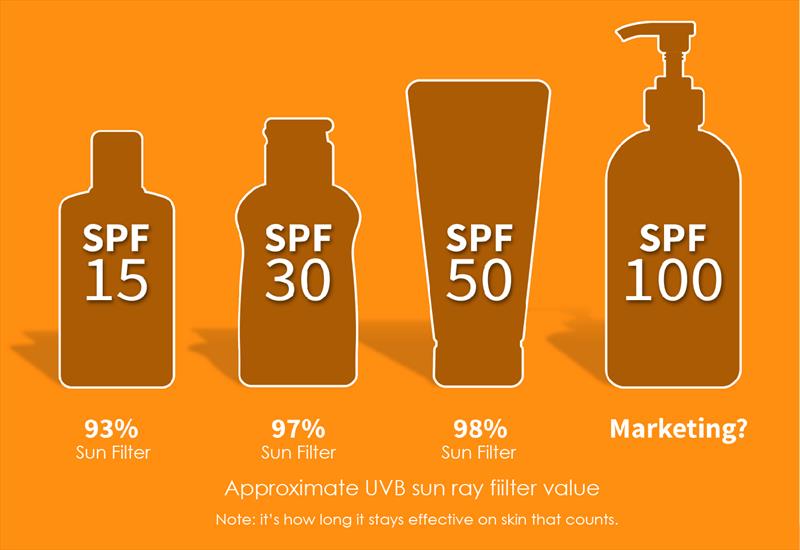
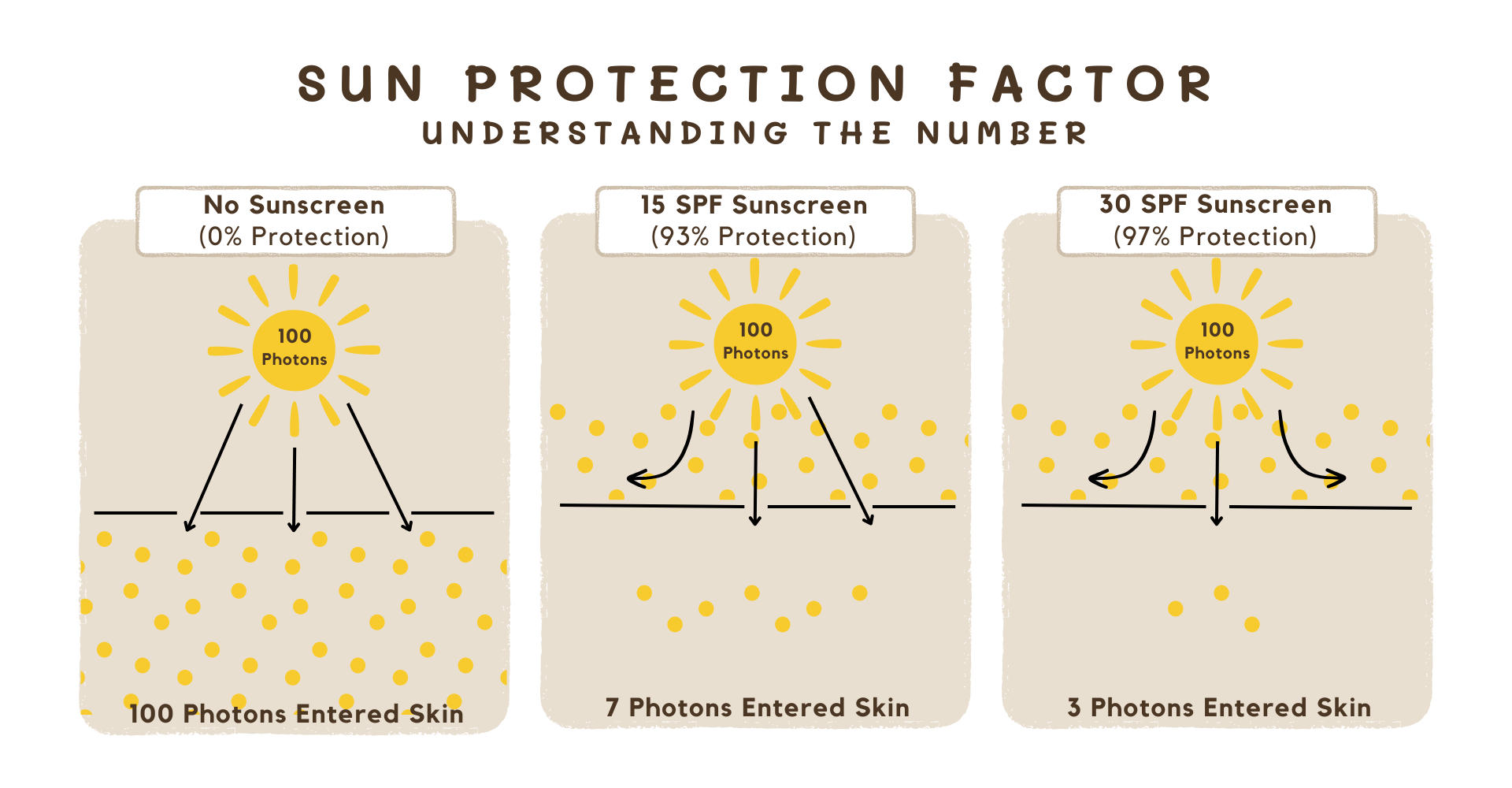
Brand strategists are well aware of the consumer tendency toward “more is more.” Even though the difference in UVB protection between SPF 30 (which blocks about 97%) and SPF 50 (which blocks about 98%) is marginal, the perceived value of the higher number is significant. Brands often use this psychological gap to justify premium pricing. A brand may launch a “pro” or “extreme” line with SPF 100, not because it is exponentially more effective, but because the number creates a “halo effect” of superior quality. This strategy targets the “fear of missing out” (FOMO) regarding health, compelling consumers to pay more for a sense of absolute security.
Market Positioning: Premium vs. Mass-Market Strategy
The way a brand displays and markets its SPF number tells you exactly which segment of the market they are trying to capture. The number acts as a filter for the brand’s target demographic, shifting the conversation from basic survival to lifestyle enhancement.
Premium Brands and the “Aesthetic Finish” Narrative
In the luxury and “prestige” sectors—think brands like Supergoop, Drunk Elephant, or Shiseido—the SPF number is often secondary to the “experience” of the product. These brands recognize that the traditional sunblock experience (thick, white, and greasy) is a pain point for consumers. Their brand strategy involves de-emphasizing the “medical” nature of the SPF 30 or 40 and instead focusing on how the product feels on the skin.
For these brands, the number is a baseline requirement, but the brand identity is built around the “glow,” the “invisible finish,” or the “makeup-gripping” qualities. They are not just selling sun protection; they are selling a daily ritual. By integrating the SPF number into a broader beauty narrative, they successfully command a higher price point than their drugstore counterparts.
Drugstore Reliability and the Authority of Heritage
On the other side of the spectrum, mass-market brands like Coppertone or Banana Boat rely on the “Heritage Strategy.” For these companies, the SPF number is often the largest element on the bottle. Their brand identity is synonymous with “the Great Outdoors,” family vacations, and reliability. They don’t need to sell an aesthetic finish; they need to sell a shield. Their strategy is volume-based, and the clear, bold communication of the SPF number serves to simplify the decision-making process for a parent standing in a crowded pharmacy aisle. The number, in this context, is a shorthand for “I’ve got you covered.”
Beyond the Number: Building Brand Identity through Transparency

In the modern market, the SPF number is no longer the only metric consumers care about. A significant shift is occurring where “how” a brand achieves its SPF rating is just as important as the rating itself. This has led to the rise of values-based branding.
The Shift from SPF 100 to Clean Beauty Claims
As consumers become more educated about chemical vs. mineral filters (oxybenzone vs. zinc oxide), brands are forced to evolve. A brand can no longer hide behind a high SPF number if its ingredient list is perceived as “toxic” by the “Clean Beauty” movement.
Successful brands today are those that combine the SPF number with a “Free-From” narrative. They are branding themselves as the “Ethical Alternative.” Here, the SPF 30 on a mineral-based, reef-safe sunblock carries more “brand equity” than an SPF 50 on a traditional chemical one. The number becomes a symbol of the brand’s commitment to both personal health and environmental sustainability.
Storytelling through Ingredients and Ethical Sourcing
Many niche brands are now using the SPF rating as a starting point for a deeper brand story. For instance, a brand might market an SPF 30 cream infused with sustainably sourced Kakadu plum or green tea extracts. By doing this, they are moving the brand away from a “functional commodity” (the number) to an “aspirational lifestyle product” (the ingredients). The number serves as the functional proof, while the ingredients serve as the emotional hook. This strategy allows brands to build a community of loyalists who identify with the brand’s specific ethos and aesthetic.
Navigating Regulation: When Compliance Becomes a Brand Constraint
The “meaning” of the number on sunblock is also heavily dictated by government bodies like the FDA in the United States or the European Commission. For a brand, these regulations are both a hurdle and an opportunity for differentiation.
The Impact of Global Standards on Marketing
Different regions have different rules for what an SPF number can represent. In Europe, brands often use the “UVA circle” logo, and in Asia, the “PA+” system is common. A global brand strategy must account for these nuances. A brand that successfully navigates these various regulatory landscapes and maintains a consistent “identity of safety” across borders builds immense global prestige. When a brand like EltaMD or La Roche-Posay is recommended by dermatologists worldwide, it is because their “brand” is synonymous with global compliance and rigorous testing.
Turning Red Tape into Brand Credibility
Some brands have turned the strict regulations surrounding SPF testing into a marketing win. By being transparent about their testing protocols—sometimes even publishing independent lab results—they distinguish themselves from “white-label” brands that might cut corners.
In this scenario, the brand says to the consumer: “Our SPF 30 isn’t just a number we printed; it’s a verified result.” This level of transparency is a powerful tool in personal branding for founders and corporate branding for conglomerates. It shifts the power dynamic, making the brand the “honest expert” in a sea of confusing marketing claims.
The Future of SPF Branding: Personalization and Digital Integration
As we look toward the future, the “meaning” of the number on sunblock is becoming increasingly digitized and personalized. Technology is allowing brands to move away from a “one-size-fits-all” number to a “one-size-fits-you” solution.
AI-Driven Customization and Brand Loyalty
Emerging beauty-tech brands are using AI to analyze a consumer’s skin type, location, and daily UV exposure to recommend a specific SPF strategy. In this model, the brand is no longer just a manufacturer; it is a consultant. By offering a personalized “SPF prescription,” the brand builds a deeper, data-driven relationship with the customer. The number on the bottle becomes a part of a larger digital ecosystem of skin health tracking.
The Rise of Wearable Tech and Real-Time Protection
We are also seeing the rise of brands that integrate SPF numbers with wearable UV sensors. This “Tech-Forward” branding strategy appeals to Gen Z and millennial consumers who value data and real-time feedback. When a brand offers an app that tells you when to reapply your SPF 30 based on your current GPS coordinates, the “number” becomes a dynamic part of a tech-enabled lifestyle. This is the ultimate evolution of brand strategy: moving from a static product on a shelf to an active participant in the consumer’s daily life.
In conclusion, the number on a sunblock bottle is a multifaceted tool of brand communication. It is a scientific measurement, yes, but more importantly, it is a vessel for brand identity, a driver of consumer psychology, and a focal point for market positioning. Whether a brand chooses to emphasize the clinical power of SPF 100 or the clean-beauty ethics of a mineral SPF 30, they are using that number to tell a story. In the modern marketplace, the brands that win are not just those with the highest numbers, but those that can best explain what those numbers mean for the lives, values, and health of their customers.
aViewFromTheCave is a participant in the Amazon Services LLC Associates Program, an affiliate advertising program designed to provide a means for sites to earn advertising fees by advertising and linking to Amazon.com. Amazon, the Amazon logo, AmazonSupply, and the AmazonSupply logo are trademarks of Amazon.com, Inc. or its affiliates. As an Amazon Associate we earn affiliate commissions from qualifying purchases.