
In the modern economic landscape, few professional designations carry as much weight, stability, and growth potential as that of a Registered Nurse (RN). While the public often views nursing through a purely clinical lens—focusing on bedside care and patient advocacy—from a financial and career-strategy perspective, an RN license is one of the most versatile “Money” assets an individual can possess. It represents a high-yield investment in human capital that offers recession-proof security, diverse income streams, and a clear path toward significant wealth accumulation.
To answer “what does a RN do” from a financial standpoint is to describe a professional who manages the most critical resource in the multi-billion dollar healthcare industry: clinical labor and patient outcomes. This article explores the economic architecture of the nursing profession, analyzing the ROI of the education, the mechanics of income scaling, and the entrepreneurial opportunities available to those with an RN credential.

The Economics of Nursing: An Analysis of Earning Potential and Market Demand
The foundational value of an RN license is rooted in the law of supply and demand. As the global population ages and the prevalence of chronic conditions increases, the demand for skilled clinical oversight has skyrocketed, while the supply of qualified nurses has struggled to keep pace. This imbalance has transformed the RN role into a high-leverage position within the labor market.
Base Salary and Geographic Variations
At its core, a Registered Nurse is a high-earning professional. In the United States, the median annual wage for RNs significantly outpaces the national average for all occupations. However, the true financial “secret” of nursing lies in geographic arbitrage. Because nursing is a regulated profession with licensure that can be transferred through compact agreements, RNs have the unique ability to move to “high-pay, low-cost-of-living” regions. This allows for the maximization of discretionary income—the money left over after essential expenses—which is the primary driver of wealth building.
Shift Differentials and Overtime Strategies
Unlike many salaried corporate positions where extra effort often goes uncompensated, the nursing profession is built on a transparent hourly or base-plus-differential structure. An RN’s “doing” includes strategic scheduling. By working night shifts, weekends, or holidays, an RN can increase their base pay by 10% to 25% through shift differentials. Furthermore, the healthcare industry’s reliance on overtime allows motivated nurses to effectively “give themselves a raise” by picking up additional shifts, often at time-and-a-half or double-time rates during periods of critical staffing shortages.
Maximizing ROI: The Financial Path from Education to Employment
When evaluating the career of an RN as a financial tool, one must look at the Return on Investment (ROI). Compared to other high-earning professions like law or medicine, which require a decade of schooling and hundreds of thousands of dollars in debt, nursing offers an accelerated path to a six-figure income.
Balancing Tuition Costs vs. Future Earnings
The entry point for an RN can be an Associate Degree in Nursing (ADN) or a Bachelor of Science in Nursing (BSN). From a pure “Money” perspective, the ADN is often the highest ROI move. It allows a student to enter the workforce in just two years with minimal debt. Once employed, many healthcare corporations offer tuition reimbursement programs, allowing the nurse to obtain their BSN—and eventually a Master’s or Doctorate—on the company’s dime. This strategy effectively uses the employer’s capital to increase the nurse’s personal market value.
Employer-Sponsored Benefits and Debt Forgiveness Programs
An RN does more than just earn a paycheck; they secure a comprehensive benefits package that is often superior to those in the tech or retail sectors. These packages include high-match 403(b) or 401(k) plans, comprehensive health insurance, and, crucially, access to Public Service Loan Forgiveness (PSLF) or state-specific nursing education loan repayment programs. For a professional with $50,000 in student loans, a five-year stint at a non-profit hospital can result in total debt cancellation, representing a massive net-worth swing that is often overlooked in traditional career counseling.
Scaling Your Income: Beyond the Traditional Bedside Role
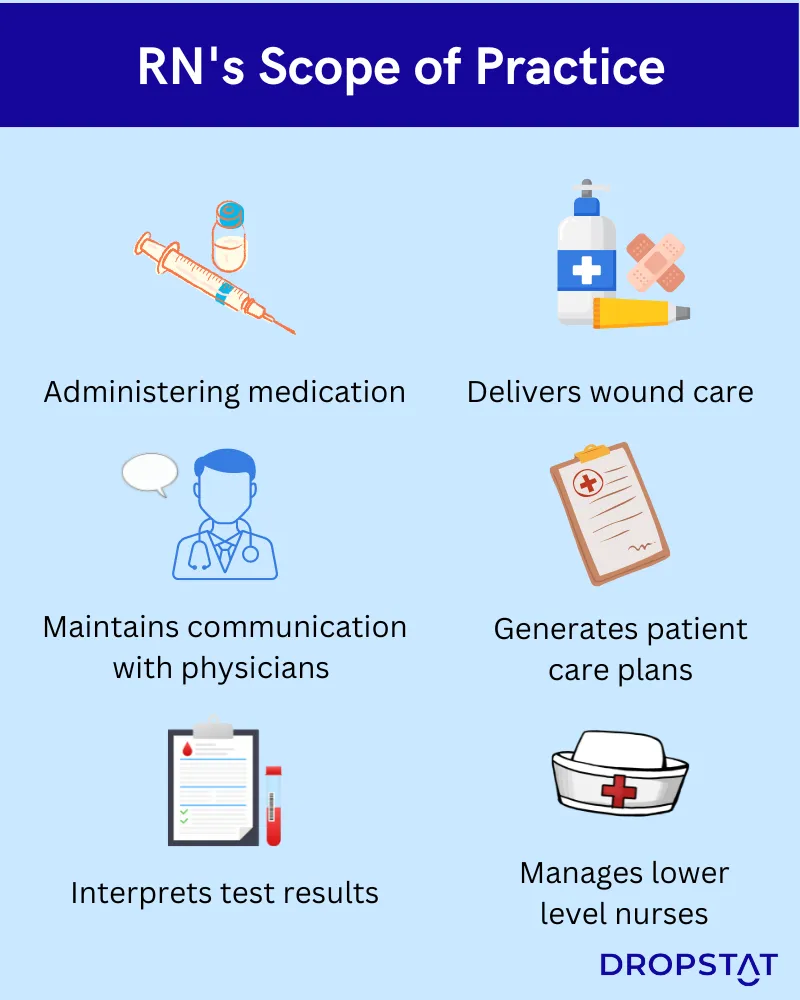
While the bedside is the traditional “office” for an RN, the modern financial landscape of the profession has expanded into highly lucrative niches. For those looking to treat their career like a business, there are several ways to scale income beyond the standard hospital contract.
The Lucrative World of Travel Nursing
Perhaps the most famous “Money” move in the nursing world is travel nursing. Travel RNs are essentially clinical consultants who take short-term contracts (usually 13 weeks) at hospitals facing labor shortages. The financial structure of these contracts is highly advantageous; in addition to high hourly rates, travel nurses receive tax-free stipends for housing, meals, and incidentals. For a disciplined saver, a few years of travel nursing can provide the capital needed to purchase a home in cash or fully fund a retirement portfolio, effectively “compressing” twenty years of wealth building into five.
Specialized Certifications as Income Multipliers
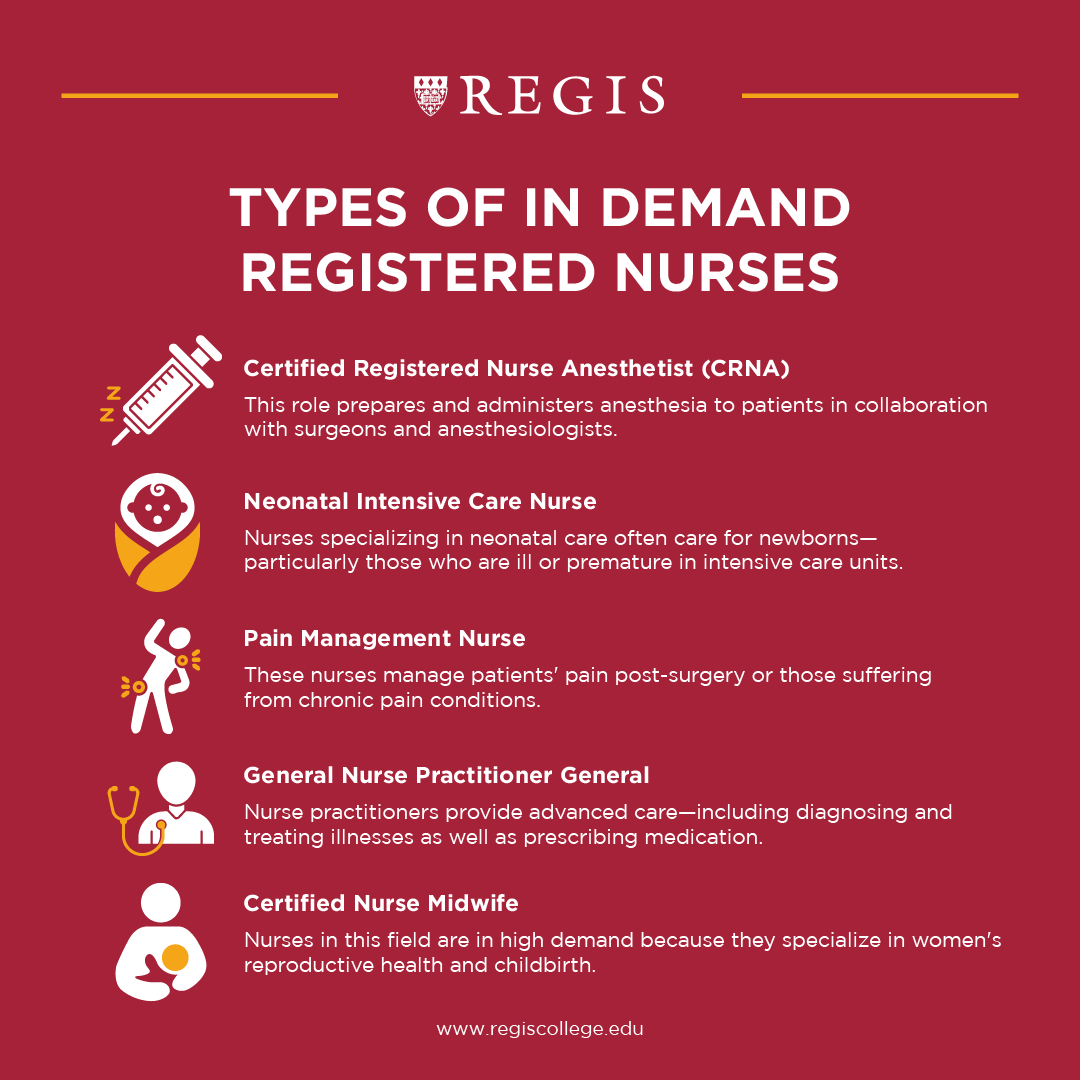
In any market, specialization increases value. An RN who “does” specialized care—such as Nurse Anesthesia (CRNA), Flight Nursing, or Informatics—commands a significantly higher premium. For example, a Certified Registered Nurse Anesthetist often earns a salary comparable to many specialist physicians. By investing in specific certifications (CCRNE, CEN, etc.), a nurse signals to the market that they possess rare, high-value skills, allowing them to negotiate for higher pay grades or “internal agency” roles within large hospital systems.
The Business of Nursing: Entrepreneurship and Specialized Consultancies
The ultimate evolution of the RN career path is the transition from “employee” to “business owner.” The clinical expertise of a nurse is a proprietary knowledge base that can be monetized through various entrepreneurial avenues.
Legal Nurse Consulting and Expert Witnessing
Attorneys and insurance companies frequently require medical expertise to navigate malpractice suits, workers’ compensation claims, and personal injury cases. A Legal Nurse Consultant (LNC) acts as a bridge between the medical and legal worlds. By charging hourly rates that often double or triple their hospital wages, RNs can build a highly profitable side hustle or full-time consultancy. This role requires the RN to analyze medical records and testify as an expert, leveraging their license in a purely intellectual and corporate capacity.
Launching a Specialized Health Coaching or Concierge Practice
With the rise of the “longevity economy” and personalized medicine, many RNs are moving into the private sector. This includes opening IV hydration clinics, medical spas (often in partnership with a medical director), or concierge nursing services for post-operative care. In these models, the RN captures the full value of the service provided, rather than a fraction of the hourly rate billed by a hospital. This shift into business finance allows nurses to build equity in an enterprise rather than just trading time for money.
Long-Term Wealth Building and Financial Security for Nurses
Finally, what an RN “does” is provide a foundation for generational wealth. Because the job is physically demanding, the smartest financial move an RN can make is to use their high income to build passive revenue streams.
Retirement Planning and Pension Structures
Many government-run or university-affiliated hospitals still offer traditional pensions, a rarity in the modern workforce. When combined with aggressive contributions to tax-advantaged retirement accounts, an RN can reach financial independence (FI) much earlier than their peers in other industries. The stability of the income allows for “boring but effective” wealth building: automated investing into low-cost index funds that compound over a 20-to-30-year career.
Risk Management: Protecting Your Professional Asset
From a business finance perspective, an RN license is a “revenue-generating asset.” Like any asset, it must be insured. Professional liability insurance is a critical tool for any nurse, protecting their personal wealth from potential clinical errors or litigation. Furthermore, because an RN’s income is tied to their physical ability to work, disability insurance is a non-negotiable component of their financial plan. Protecting the “human capital” is just as important as growing the “financial capital.”
In conclusion, when asking “what does a RN do,” the answer goes far beyond the clinical duties of patient care. In a financial context, an RN is a versatile, high-earning professional who manages complex clinical systems, navigates the economics of healthcare delivery, and possesses a unique “license to print” value in a market that desperately needs their skills. Whether through geographic arbitrage, specialized consulting, or entrepreneurial ventures, the Registered Nurse remains one of the most powerful roles for anyone seeking to build a secure and prosperous financial future.
aViewFromTheCave is a participant in the Amazon Services LLC Associates Program, an affiliate advertising program designed to provide a means for sites to earn advertising fees by advertising and linking to Amazon.com. Amazon, the Amazon logo, AmazonSupply, and the AmazonSupply logo are trademarks of Amazon.com, Inc. or its affiliates. As an Amazon Associate we earn affiliate commissions from qualifying purchases.