
In the hyper-competitive landscape of the global beauty and personal care industry—a market valued at over $500 billion—the “toner” represents one of the most successful masterclasses in brand strategy and market positioning. To the uninitiated, a toner is simply a liquid applied to the face. To a brand strategist, however, the toner is a critical “routine-builder” that serves as a bridge between cleansing and treatment, designed to increase customer lifetime value and reinforce brand loyalty through ritualization.
Understanding what toners do for the skin requires looking past the chemical formulations and into the strategic architecture of the skincare industry. From a brand perspective, the toner is not just a product; it is a narrative tool used to define a consumer’s skin health journey and solidify a brand’s place in their daily life.
The Strategic Evolution of Skin Preparation: Creating a Category
The history of the toner is a narrative of reinvention. Brands have successfully pivoted the perception of this product category multiple times to remain relevant to shifting consumer desires. This evolution is a primary example of how brand strategy can breathe new life into a stagnant SKU (Stock Keeping Unit).
From Astringent to Treatment: The Narrative Pivot
In the late 20th century, toners—then often marketed as “astringents”—were branded as harsh, alcohol-heavy solutions designed to strip away excess oil. The brand messaging was centered on “squeaky clean” skin. However, as consumer preferences shifted toward hydration and barrier protection, legacy brands faced a crisis: the “astringent” was seen as the enemy of healthy skin.
Smart brand strategies led to a massive industry-wide rebranding. Companies began positioning toners as “essences,” “skin-refiners,” or “liquid hydrators.” By changing the nomenclature and the promised outcome, brands moved from a “subtractive” value proposition (removing oil) to an “additive” one (infusing moisture). This pivot allowed brands to retain the toner slot in the consumer’s three-step routine while aligning with modern wellness trends.
The Psychology of the Three-Step Ritual
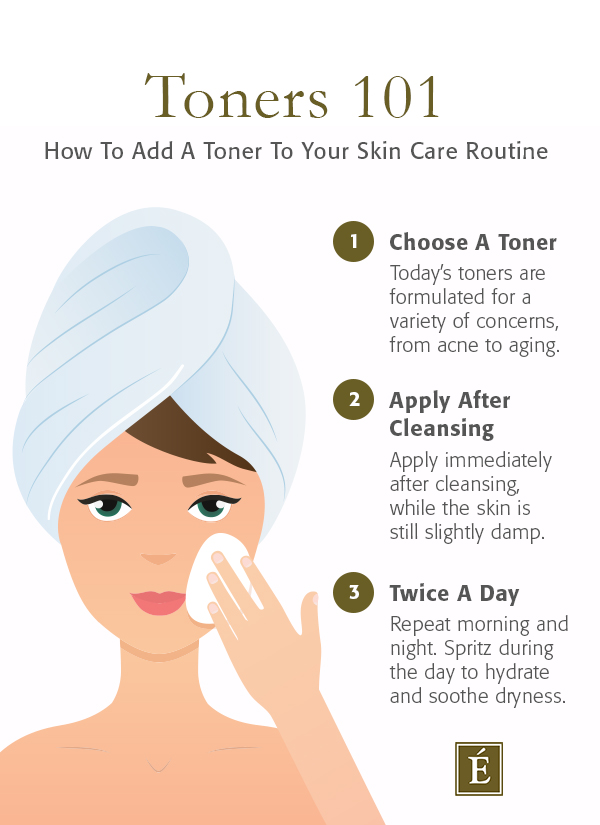
The “Cleanse, Tone, Moisturize” (CTM) framework is perhaps the most enduring brand-led education campaign in history. Pioneered by brands like Clinique in the 1960s, this strategy transformed skincare from a haphazard activity into a disciplined ritual. By making the toner the essential second step, brands created a psychological “loop.” The cleanser prepares the skin, the toner “primes” it, and the moisturizer “seals” it. Without the toner, the brand narrative suggests the routine is incomplete, driving higher product adoption rates per customer.
Brand Positioning: Creating the “Invisible” Essential
In brand strategy, the most difficult products to sell are those with subtle or “invisible” results. Unlike a lipstick that provides instant color or a cleanser that removes visible dirt, a toner’s effects are often cumulative and preventative. Successful brands overcome this by leveraging authority and scientific storytelling.
Scientific Authority and Clinical Branding
Many medical-grade or “cosmeceutical” brands use toners to establish their scientific credentials. By branding a toner as a “pH Balancer,” companies appeal to the consumer’s desire for technical precision. The narrative focuses on the skin’s acid mantle and the chemical necessity of restoring equilibrium after cleansing. This positioning transforms the toner from an optional luxury into a functional necessity, backed by the “authority” of the brand’s laboratory heritage.
Differentating Through Ingredient Storytelling
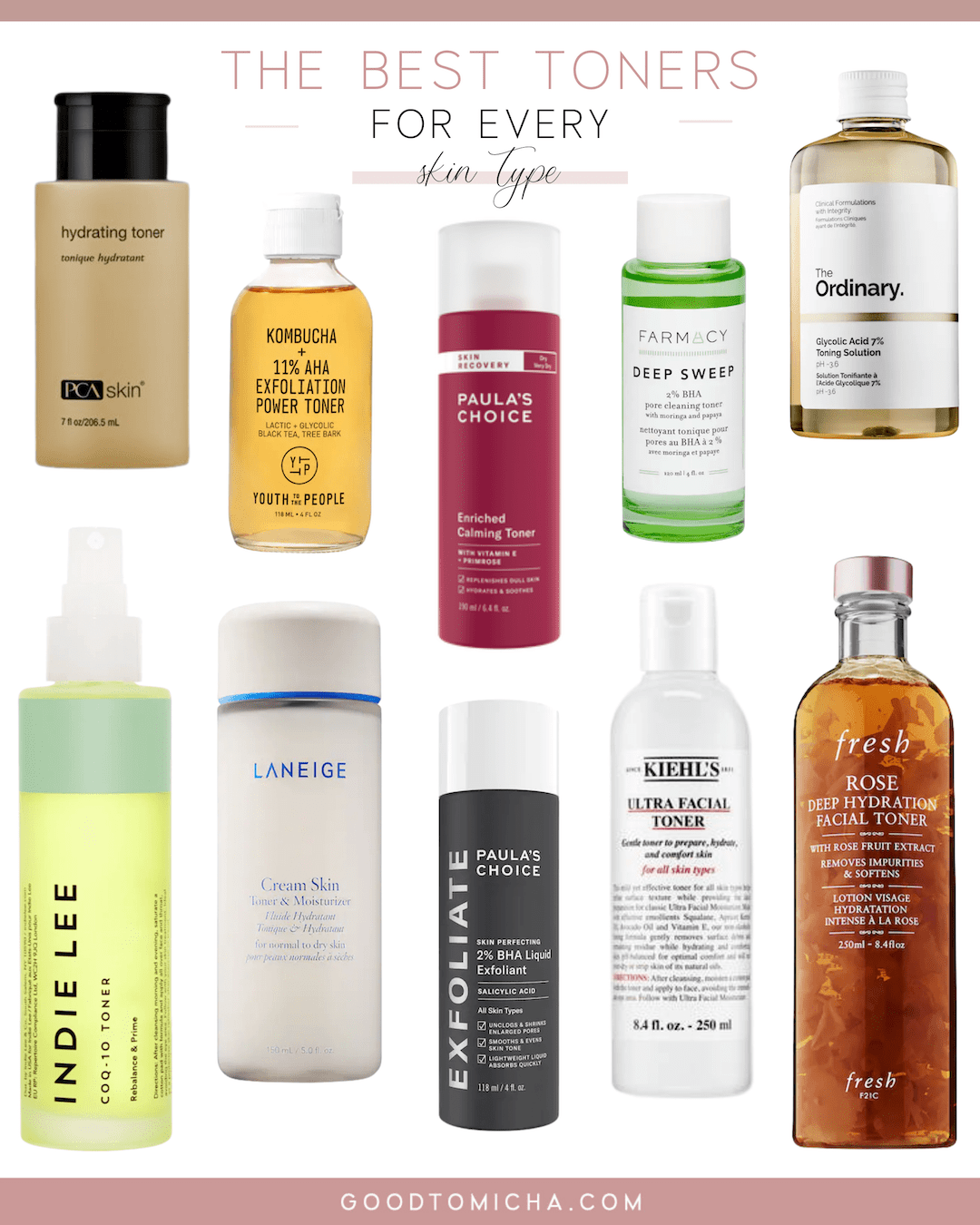
In the “Clean Beauty” and “Natural” niches, the brand strategy for toners shifts from chemistry to geography and botany. Instead of pH balancing, the focus becomes “botanical infusions.” Brands like Fresh or Kiehl’s use visible ingredients—like real rose petals or calendula flowers—inside the bottle. This visual branding serves as a “reason to believe” (RTB). The product itself becomes a piece of marketing collateral, communicating the brand’s commitment to natural sourcing and sensory luxury without a single word of copy.
Consumer Psychology and the Sensory Brand Experience
A brand is the sum of all sensory touchpoints. For a product that looks like water, the sensory experience—the “feel” on the skin, the scent, and even the sound of the bottle—becomes the primary driver of brand equity.
The Sensory Loop: Texture and Perception
What a toner “does” for the skin is often perceived through its immediate tactile feedback. Brands strategically engineer the “slip” or “tackiness” of a toner to signal different benefits. A slight tingle suggests “active” ingredients are working (common in exfoliating toners like Glossier’s Solution), while a silky, viscous texture signals “deep hydration” (common in K-beauty brands like Laneige). These sensory cues are deliberate brand choices designed to validate the consumer’s purchase decision the moment the product touches their face.
Packaging as a Brand Extension
Because toners are liquid, their packaging offers unique opportunities for brand storytelling. High-end brands often use heavy glass bottles with weighted caps to communicate “prestige” and “longevity.” Conversely, “Fast Beauty” brands might use clear plastic with bold, minimalist typography to signal “transparency” and “affordability.” The delivery mechanism—whether it is a spray mist, a shaker bottle, or pre-soaked pads—also defines the brand’s lifestyle positioning. A “mist” toner brands itself as a product for the busy, on-the-go professional, while a “pour” bottle suggests a slow, intentional self-care ritual.
Economic Strategy: Customer Retention and SKU Proliferation
Beyond the skin, toners serve a vital role in the financial health of a beauty brand. They are high-margin products that play a key role in customer retention and ecosystem lock-in.
High-Margin Liquids and the Cost of Goods
From a business finance and branding perspective, toners are exceptionally attractive. They are primarily composed of water and active humectants or acids. This allows for a relatively low Cost of Goods Sold (COGS) compared to complex emulsions like night creams or encapsulated serums. When a brand successfully positions a toner as a “must-have,” they are introducing a high-margin item into the consumer’s basket that requires frequent replenishment, typically every 60 to 90 days.
The “Gateway” Product Strategy
Many brands use toners as a “gateway” product. Because they are often priced lower than serums or high-tech moisturizers, toners provide a low-friction entry point for new customers to experience the brand’s ecosystem. Once a customer has integrated a brand’s toner into their routine, the psychological barrier to purchasing the matching cleanser or moisturizer is significantly lowered. This is known as “category anchoring,” where one product secures the brand’s presence on the bathroom vanity, clearing the way for further SKU expansion.
The Future of Brand Positioning in the Skincare Space
As we move into an era of hyper-personalization, the brand strategy surrounding toners is shifting again. We are seeing the rise of “bespoke” branding, where toners are marketed as customizable boosters.
Personalization and AI Branding
New-age brands are leveraging AI tools to “prescribe” specific toners based on digital skin assessments. This shifts the brand role from a mere manufacturer to a “skin consultant.” By using data to tell a user exactly what a toner will do for their specific skin concerns, brands create a deeper level of trust and a more defensible market position against generic competitors.

Sustainability as a Brand Pillar
Finally, the “eco-conscious” brand movement is redefining toner delivery. Refillable glass bottles and “toner bars” are becoming part of the brand identity for companies looking to appeal to Gen Z and Millennial demographics. Here, what the toner does for the skin is secondary to what the brand does for the planet. The product becomes a badge of the consumer’s values.
In conclusion, when asking “what do toners do for skin,” the answer is twofold. Biologically, they hydrate, balance, and prep. But strategically, they act as the glue of the skincare routine. They are a vital instrument of brand architecture, designed to turn a simple act of hygiene into a multi-step brand experience that fosters long-term consumer habits and robust business growth. For any brand in the personal care space, the toner is not just a liquid—it is a liquid asset.
aViewFromTheCave is a participant in the Amazon Services LLC Associates Program, an affiliate advertising program designed to provide a means for sites to earn advertising fees by advertising and linking to Amazon.com. Amazon, the Amazon logo, AmazonSupply, and the AmazonSupply logo are trademarks of Amazon.com, Inc. or its affiliates. As an Amazon Associate we earn affiliate commissions from qualifying purchases.