
In the rapidly evolving landscape of digital commerce, the friction between a consumer’s intent to buy and the completion of a transaction is the ultimate challenge for developers and software engineers. Shop Pay, a proprietary accelerated checkout solution developed by Shopify, has emerged as a dominant force in solving this challenge. While many view it simply as a “buy button,” it is a sophisticated piece of fintech architecture designed to optimize data retrieval, enhance security protocols, and streamline the user interface across the global e-commerce ecosystem.

This article explores the technical foundations of Shop Pay, examining how it functions as a digital wallet, its integration within the broader tech stack, and the security frameworks that protect sensitive financial data.
The Architecture of Accelerated Checkout
At its core, Shop Pay is a “vaulting” and data-orchestration service. When a user interacts with a merchant site using Shop Pay for the first time, the system collects and stores their email address, credit card information, and shipping/billing details. However, the value lies in how this data is persisted and retrieved in subsequent sessions.
How Shop Pay Stores and Encrypts Data
The technical mechanism behind Shop Pay relies on a centralized database that links a user’s identity—typically verified via an email address or mobile phone number—to their encrypted payment credentials. Unlike traditional browser-based “autofill” features, which are often prone to local security vulnerabilities and inconsistent performance across devices, Shop Pay manages data server-side.
When a user opts into the service, their information is “vaulted.” This process involves converting sensitive credit card numbers into non-sensitive tokens. This tokenization ensures that the actual Primary Account Number (PAN) is never stored in a way that is readable by the merchant or intercepted in transit. Instead, a digital token is used to communicate with payment processors, significantly reducing the attack surface for potential data breaches.
The Mechanics of One-Click Transactions
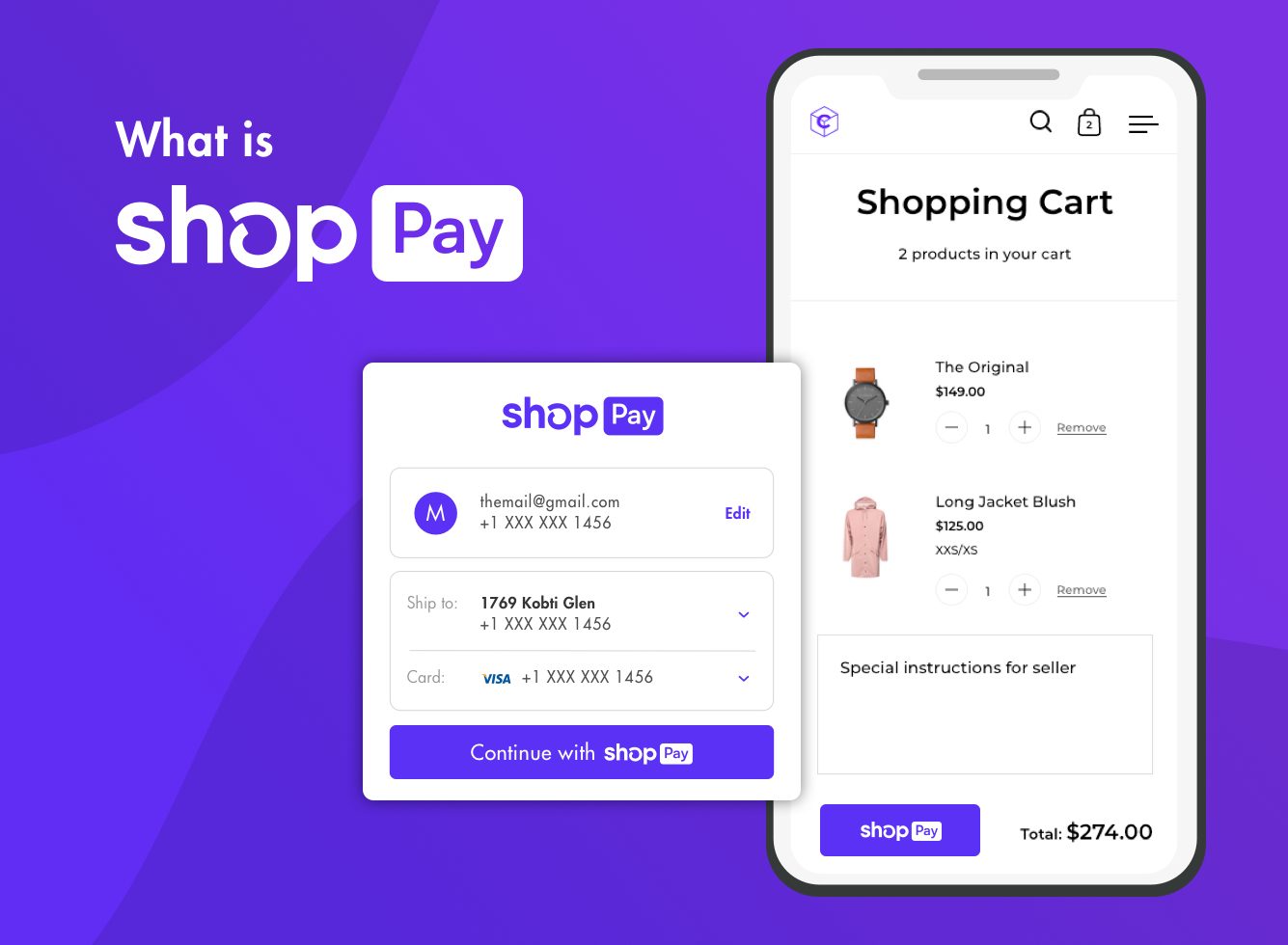
The efficiency of Shop Pay is driven by its ability to bypass the standard multi-step checkout flow. In a traditional software environment, a checkout process involves a series of GET and POST requests: identifying the cart, calculating taxes, determining shipping rates, and finally processing the payment.
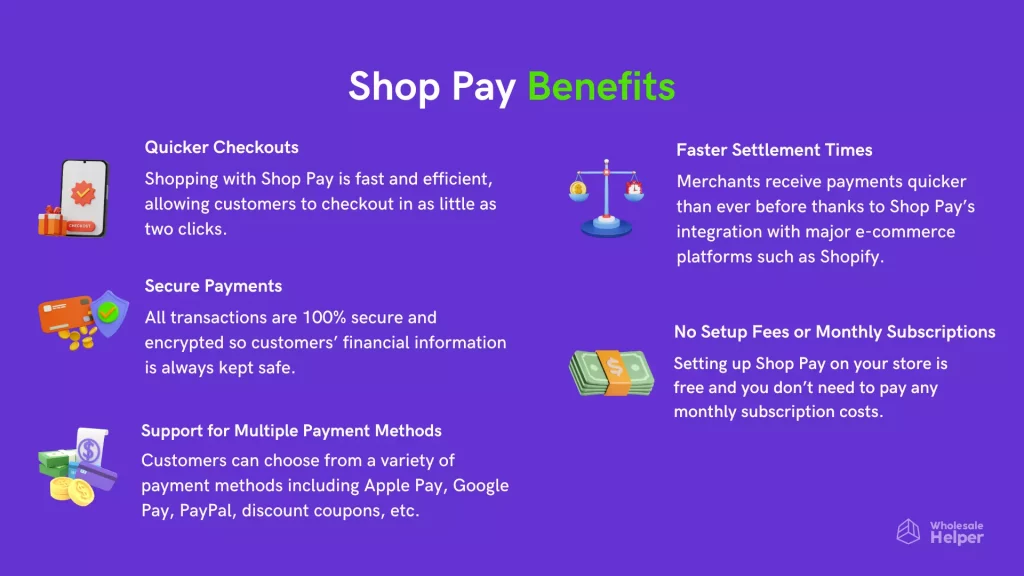
Shop Pay collapses these steps into a single asynchronous operation. By leveraging its stored user data, the system can pre-calculate shipping and tax requirements based on the stored address the moment the user is identified. Through a series of optimized API calls, the system presents the user with a pre-filled interface. For the end-user, this results in a checkout experience that is up to four times faster than a standard checkout, which is a critical metric for reducing “time-to-complete” in mobile software environments.
Security Protocols and User Authentication
In the realm of financial technology, speed cannot come at the expense of security. Shop Pay employs a multi-layered security architecture that aligns with modern cybersecurity standards, ensuring that both the merchant and the consumer are protected against fraudulent activity.
PCI Compliance and End-to-End Encryption
Shop Pay is built on Shopify’s infrastructure, which is certified Level 1 PCI DSS (Payment Card Industry Data Security Standard) compliant. From a technical standpoint, this means the software undergoes rigorous annual audits and continuous monitoring to ensure the integrity of the payment environment.
The data transmission between the user’s device and Shop Pay’s servers is protected using industry-standard TLS (Transport Layer Security) encryption. Furthermore, sensitive data at rest is protected using AES-256 encryption. By handling the heavy lifting of security compliance, Shop Pay allows developers to integrate advanced payment features without having to manage the high-risk technical overhead of storing sensitive financial information themselves.
Multi-Factor Authentication (MFA) and Biometrics
One of the most distinctive features of Shop Pay’s technical security is its implementation of Multi-Factor Authentication (MFA). When a user attempts to check out on a new device or browser, Shop Pay triggers a server-side request that sends a six-digit verification code to the user’s mobile device.
This “something you have” (the phone) combined with “something you know” (the email/account access) creates a robust barrier against credential stuffing and account takeover attacks. In more recent iterations, the software has integrated with native mobile hardware to support biometric authentication, such as FaceID and TouchID. This leverages the WebAuthn API, allowing for a seamless, passwordless login experience that is significantly more secure than traditional password-based systems.
Integration and the Shopify Ecosystem
While Shop Pay began as a tool for the Shopify platform, its technical reach has expanded. It now functions as a cross-platform identity and payment layer that can be integrated into various environments, including social media platforms and third-party applications.
API Connectivity and Platform-Agnostic Expansion
The expansion of Shop Pay into Google, Facebook, and Instagram is a testament to its flexible API architecture. Through these integrations, the software acts as a middleware that bridges the gap between a social media frontend and a merchant’s backend.
When a consumer clicks a “Buy” button on a social platform, the platform’s API communicates with the Shop Pay endpoint to retrieve the user’s vaulted data. This requires a high degree of interoperability. The software must be able to handle varying data formats from different host platforms while maintaining a consistent and secure transaction handshake. This “Headless Commerce” approach allows the payment logic to be decoupled from the presentation layer, enabling a unified checkout experience regardless of the digital storefront.
Synchronizing with the Shop App
Shop Pay is also the engine behind the “Shop” app, a comprehensive mobile application that serves as a post-purchase hub. From a technical perspective, the app serves as a centralized dashboard that pulls real-time data from various shipping APIs (such as FedEx, UPS, and DHL) to provide live tracking updates.
The synchronization between the Shop Pay checkout and the Shop app is handled via webhooks and real-time data streams. When a transaction is completed using Shop Pay, a payload is sent to the Shop app’s backend, triggering the creation of a tracking object. This integration demonstrates how checkout software can extend its utility beyond the transaction, transforming into a customer-retention and logistics-management tool.
Optimizing the Tech Stack for Performance
For developers and site reliability engineers, the primary concern with adding any third-party script or payment gateway is its impact on page load speeds and overall performance. Shop Pay is engineered to be lightweight and highly optimized.
Reducing Latency in Digital Wallets
Latency is the enemy of conversion. Shop Pay addresses this by utilizing a Content Delivery Network (CDN) to serve its assets, ensuring that the scripts required to render the “Shop Pay” button are delivered from a server geographically close to the user.
Furthermore, the software employs “lazy loading” techniques. The Shop Pay components do not block the rendering of the primary website content; instead, they initialize asynchronously. This ensures that the merchant’s site remains performant and maintains high Core Web Vitals scores, which are essential for SEO and user experience.
Data Portability and the Future of Cross-Platform Payments
As we look toward the future of fintech, data portability is a key trend. Shop Pay is positioned as a leader in this space by creating a “portable identity” for shoppers. Because the user’s data is tied to their email and phone number rather than a specific merchant account, the software creates a network effect.
Technically, this is achieved through a shared identity layer. Once a user is verified within the Shop Pay network, their credentials “follow” them across millions of participating stores. This reduces the need for repeated database entries and minimizes the friction inherent in account creation on new platforms. For developers, this means that integrating Shop Pay provides immediate access to a pre-verified user base, effectively outsourcing the user-onboarding process.
Conclusion
Shop Pay is far more than a simple convenience for online shoppers; it is a sophisticated technological solution to one of the most persistent problems in digital commerce: checkout friction. By leveraging advanced data vaulting, robust encryption, and high-performance API architectures, Shop Pay has redefined the standards for accelerated checkout.
For the tech-savvy merchant and the software engineer, the value of Shop Pay lies in its ability to handle complex security, compliance, and data-management tasks within a streamlined, high-performance package. As the boundary between social media, mobile apps, and traditional web stores continues to blur, the role of centralized, secure, and fast payment technologies like Shop Pay will only become more vital in the global tech stack of modern commerce.
aViewFromTheCave is a participant in the Amazon Services LLC Associates Program, an affiliate advertising program designed to provide a means for sites to earn advertising fees by advertising and linking to Amazon.com. Amazon, the Amazon logo, AmazonSupply, and the AmazonSupply logo are trademarks of Amazon.com, Inc. or its affiliates. As an Amazon Associate we earn affiliate commissions from qualifying purchases.