
In the modern marketplace, a brand is no longer defined solely by the products it sells or the services it renders. Instead, a brand is a living entity, defined by its values, its voice, and its alignment with the cultural zeitgeist. As the calendar turns to May, marketing departments and brand strategists face a unique landscape. May is not just a transition into the summer season; it is a dense tapestry of awareness initiatives, including Mental Health Awareness Month, Asian American and Pacific Islander (AAPI) Heritage Month, and Small Business Month.

For a brand, identifying “what awareness month is May” is only the first step. The real challenge lies in integrating these themes into a cohesive corporate identity that resonates with consumers without appearing opportunistic. This article explores how sophisticated brand strategies utilize the specific awareness milestones of May to foster deeper connections, drive brand equity, and establish a legacy of purpose-driven marketing.
The Strategic Intersection of Brand Identity and Social Awareness
The shift toward “conscious consumerism” has forced a pivot in brand strategy. Consumers, particularly Millennials and Gen Z, increasingly gravitate toward brands that take a stand on social issues. May provides a fertile ground for this alignment, but it requires a delicate balance between visibility and sincerity.
Authenticity vs. Performative Marketing
The greatest risk a brand faces during May is the “performative” trap. This occurs when a company changes its social media avatar or issues a press release supporting an awareness cause without backing it up with internal policy or long-term commitment. In the digital age, audiences are adept at spotting “rainbow washing” or “virtue signaling.” To avoid this, brand strategists must ensure that any participation in awareness months is rooted in the brand’s core DNA. If a brand celebrates Mental Health Awareness Month externally but fosters a toxic high-pressure environment internally, the resulting disconnect can cause irreparable damage to the corporate identity.
Aligning Corporate Values with Cultural Calendars
Strategic brand management involves mapping out an annual cultural calendar. By identifying May as a month of multifaceted awareness, brands can choose the “hook” that most naturally aligns with their mission. For instance, a wellness brand will naturally gravitate toward Mental Health Awareness, while a fintech company might focus on the entrepreneurial spirit of Small Business Month. The goal is to ensure that the brand’s voice adds value to the conversation rather than simply adding to the noise.
Mental Health Awareness Month: A Pillar for Modern Corporate Branding
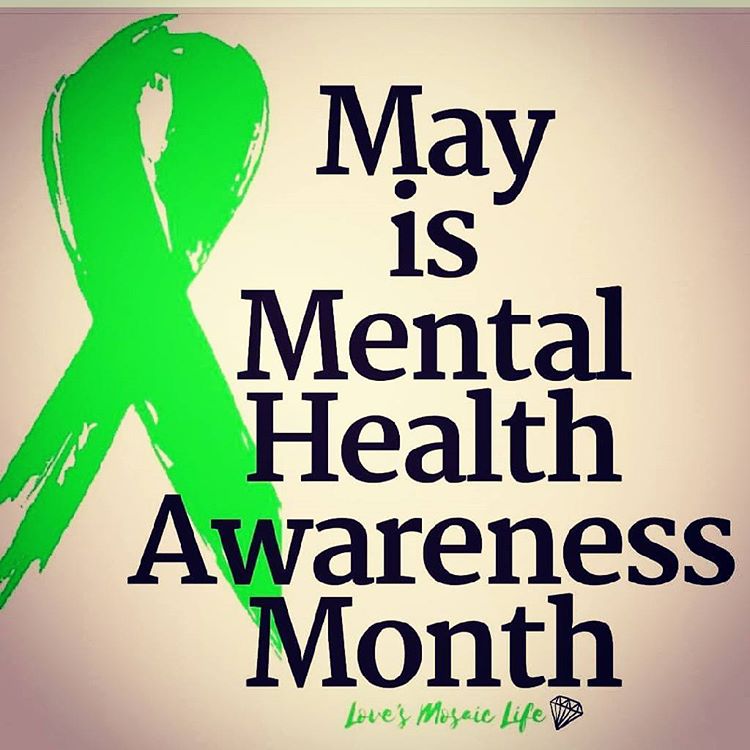
Mental Health Awareness Month has become perhaps the most significant cultural touchstone in May for modern brands. As the global conversation around psychological well-being evolves, brands have a unique opportunity to position themselves as empathetic partners in their customers’ lives.
Internal Branding: Prioritizing Employee Well-being
A brand’s identity is built from the inside out. During May, many leading organizations focus their branding efforts inward. By implementing mental health days, providing access to counseling, or hosting workshops, a company strengthens its “Employer Brand.” This internal health reflects externally; happy, supported employees become the most effective brand ambassadors. In an era where Glassdoor reviews and LinkedIn culture posts influence consumer perception, internal branding during May is a high-ROI strategy.
External Campaigns: Destigmatizing Mental Health through Design
From a design and marketing perspective, Mental Health Awareness Month allows brands to experiment with softer, more human-centric aesthetics. We see a shift toward calming color palettes, minimalist typography, and messaging that emphasizes “being” over “doing.” Brands like Nike and Starbucks have successfully navigated this by launching campaigns that focus on the human experience rather than the transaction. The strategic goal here is to build “Brand Affinity”—making the consumer feel that the brand understands their personal struggles and supports their journey.
AAPI Heritage Month: Cultivating Inclusive Brand Narratives
May is also Asian American and Pacific Islander (AAPI) Heritage Month. For brands, this is a critical time to demonstrate a commitment to Diversity, Equity, and Inclusion (DEI). This isn’t just about social justice; it’s about acknowledging a diverse consumer base and reflecting the reality of a globalized market.
Representation in Marketing and Creative Strategy
Effective branding during AAPI Heritage Month involves moving beyond stereotypes to showcase authentic stories. This might involve collaborating with AAPI creators, influencers, and artists to lead creative campaigns. When a brand elevates voices from the community, it transitions from a “seller” to a “curator of culture.” This builds trust and loyalty within the AAPI community while signaling to the broader market that the brand values inclusivity as a core tenet of its corporate identity.
Supporting AAPI-Owned Businesses as a B2B Strategy
For B2B brands or large corporations, May offers an opportunity to audit their supply chains and highlight partnerships with AAPI-owned businesses. By integrating these stories into their brand narrative, companies can demonstrate a tangible economic commitment to the community. This “action-oriented branding” is far more powerful than a simple social media post; it shows that the brand’s commitment to awareness is backed by its balance sheet.
Small Business Month: Brand Strategy for the Emerging Entrepreneur
While large corporations navigate social causes, May also serves as National Small Business Month. This period is vital for the “challenger brand”—the smaller, more agile companies looking to carve out a niche against established giants.
Hyper-Local Branding Tactics
Small businesses often lack the massive marketing budgets of conglomerates, but they possess a “brand intimacy” that big box stores cannot replicate. During May, successful small brands leverage their local roots. This involves community-based storytelling, emphasizing the “maker” behind the product, and highlighting the personalized service that defines their brand identity. By leaning into their “smallness,” these brands create a sense of exclusivity and community belonging.
Leveraging Scarcity and Community Engagement
May provides a thematic reason for small brands to launch limited-edition products or “Small Business Month” exclusive events. This utilizes the psychological principle of scarcity to drive engagement. From a brand strategy perspective, this is the time to reinforce the brand’s origin story. Why was the company founded? What problem is it solving for the local community? By answering these questions, small businesses turn their customers into advocates.
Best Practices for Awareness Month Campaigns
Navigating the various awareness months in May requires a sophisticated approach to brand management. To ensure these efforts contribute positively to the long-term corporate identity, brands should follow a specific set of best practices.
Long-term Commitment vs. Seasonal Trends
The most successful brands don’t just “show up” in May and disappear in June. The themes of May—mental health, diversity, and entrepreneurship—should be year-round pillars of the brand strategy. May simply provides the megaphone to amplify these existing efforts. When a brand’s May campaign feels like a natural extension of its January-to-December activities, it solidifies its reputation as an authentic and reliable entity.

Measuring the Impact of Socially-Conscious Branding
How does a brand measure the success of an awareness month campaign? While traditional metrics like impressions and click-through rates (CTR) are important, the true value lies in “Sentiment Analysis” and “Brand Lift.” Are people speaking more positively about the brand? Is there an increase in trust? High-level brand strategy involves using social listening tools to gauge the qualitative impact of these campaigns. Over time, consistent and authentic participation in May’s awareness initiatives contributes to a “Brand Premium”—the ability to command higher loyalty and prices because the consumer believes in what the brand stands for.
In conclusion, May is a month of immense opportunity for brand strategists. Whether it is through championing mental health, celebrating AAPI heritage, or highlighting the grit of small businesses, May allows brands to step outside the transactional and into the relational. By focusing on authenticity, internal alignment, and long-term commitment, a brand can turn “Awareness Month” into a cornerstone of its lasting identity. In the end, the brands that win aren’t just the ones that know “what month it is”—they are the ones that know who they are in relation to the world around them.
aViewFromTheCave is a participant in the Amazon Services LLC Associates Program, an affiliate advertising program designed to provide a means for sites to earn advertising fees by advertising and linking to Amazon.com. Amazon, the Amazon logo, AmazonSupply, and the AmazonSupply logo are trademarks of Amazon.com, Inc. or its affiliates. As an Amazon Associate we earn affiliate commissions from qualifying purchases.