
In the complex landscape of professional development and personal branding, understanding the nuances of human behavior is paramount. While psychology delves deeply into personality disorders, for those navigating the world of work, marketing, and reputation management, certain behavioral patterns can profoundly influence how an individual is perceived and how they project their identity. This exploration focuses on the observable behaviors often associated with narcissism, not as a clinical diagnosis, but as traits that can significantly shape a person’s brand, for better or, more often, for worse, within professional and public spheres. Understanding these behaviors is crucial for effective personal branding, strategic marketing, and discerning authentic leadership from self-serving personas.
The Grandiose Self: Crafting an Unassailable Persona
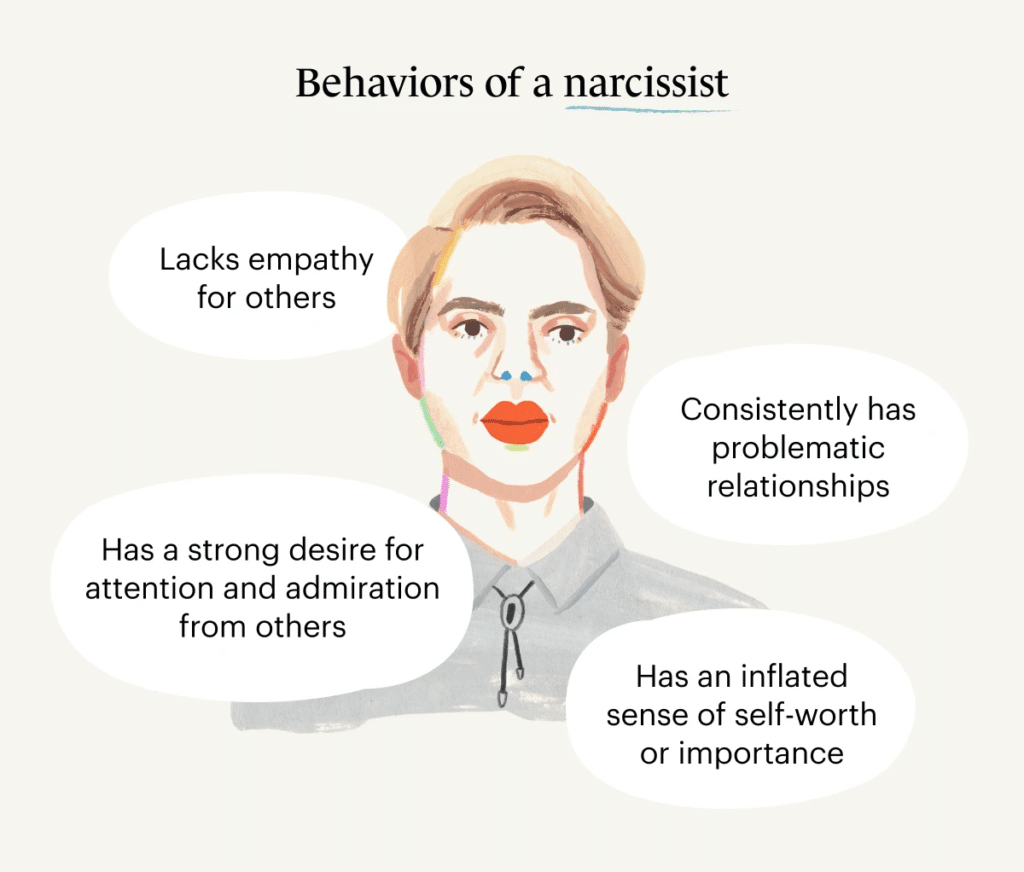
At the heart of many behaviors associated with narcissism lies a pervasive sense of grandiosity – an inflated self-image that often demands constant admiration and a belief in one’s own exceptionalism. This manifests in how an individual constructs and projects their personal brand, seeking to establish an image that is seemingly perfect, invincible, and highly aspirational.
The Cultivation of an Aura of Superiority
Individuals exhibiting these traits often meticulously curate their public persona to project an image of inherent superiority. This is not about earned achievements, but about a carefully crafted narrative that positions them as uniquely talented, insightful, or visionary. In the context of personal branding, this can translate to:
- Exaggerated Accomplishments: A tendency to inflate past successes, attribute positive outcomes solely to their own genius, and downplay or ignore contributions from others. This can lead to a brand built on a foundation of unverifiable or embellished claims.
- Dismissal of Criticism: An inability to accept constructive feedback, often perceiving it as a personal attack or an indicator of others’ jealousy or lack of understanding. This resistance to critique can stunt professional growth and make genuine collaboration difficult.
- Constant Need for Validation: A relentless pursuit of external validation through accolades, awards, social media likes, and effusive praise. This insatiable need for admiration can drive their communication and branding efforts, focusing on seeking applause rather than genuine connection or impact.
- Belief in Unique Entitlement: A conviction that they are entitled to special treatment, preferential access, and recognition without necessarily having to earn it through commensurate effort or contribution. This can lead to an expectation that their brand should naturally command respect and influence.
The Art of Self-Promotion Over Substance
In the realm of branding, self-promotion is a necessary tool. However, for individuals with narcissistic tendencies, it can become the primary, often sole, driver of their brand narrative. The emphasis shifts from demonstrating genuine value and expertise to creating an overwhelming impression of it.
- “Hustle Culture” Glorification: A relentless focus on projecting an image of being constantly “on,” incredibly driven, and always working towards monumental goals. This can be inspiring to some, but often masks a lack of genuine productivity or strategic foresight.
- Strategic Visibility: A calculated effort to be seen in the “right” places, with the “right” people, and to associate themselves with success, regardless of their actual contribution. This can involve networking with influential figures primarily for status, not for mutual benefit or learning.
- Dominance in Conversations: A pattern of steering discussions back to themselves, their achievements, or their perspectives, often interrupting or dismissing others’ contributions. This ensures their brand remains at the forefront of any interaction.
- Minimalist Acknowledgment of Others: While they may briefly mention collaborators or team members, the acknowledgment is often perfunctory, serving to bolster their own image by association rather than genuinely celebrating others.
Interpersonal Dynamics: The Impact on Professional Relationships and Brand Perception
Narcissistic behaviors are not confined to internal grandiosity; they profoundly shape how individuals interact with others, which, in turn, significantly impacts their professional relationships and the perception of their brand. These interactions often leave a trail of fractured alliances and damaged reputations.
Exploitative Tendencies and Transactional Relationships
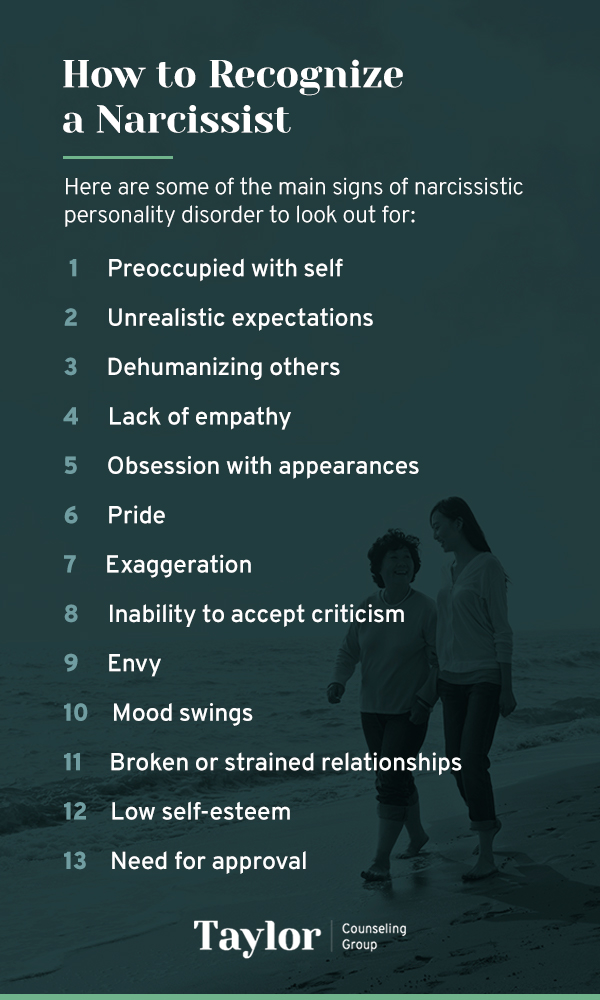
The drive to maintain their inflated self-image and achieve their goals can lead to a transactional and often exploitative approach to relationships. The emphasis is on what others can do for them, rather than on mutual growth or support.
- Using Others as Pawns: Viewing colleagues, employees, or even clients as instruments to achieve personal success or enhance their brand. This can involve leveraging others’ ideas, skills, or connections without fair recognition or reciprocity.
- Lack of Empathy in Professional Settings: A marked inability or unwillingness to understand or share the feelings of others. This can manifest as dismissiveness towards colleagues’ concerns, a lack of support during difficult times, or a failure to appreciate the emotional labor involved in teamwork.
- Charming Manipulation: The ability to be incredibly charming and persuasive when it serves their purpose, often to gain trust and extract favors. However, this charm can quickly dissipate once they no longer perceive a benefit in maintaining the relationship.
- Blame Shifting and Scapegoating: When things go wrong, there is a pronounced tendency to deflect responsibility and blame others. This protects their own image of perfection but erodes trust and creates a toxic professional environment.
The Narcissistic Smear Campaign: Protecting the Brand at All Costs
When their carefully constructed brand is threatened, or when they feel slighted or challenged, individuals exhibiting narcissistic traits may resort to damaging tactics to protect their self-image and discredit those perceived as threats.
- Gossip and Rumor Mongering: Spreading unverified or distorted information about others to undermine their credibility and make themselves appear more virtuous or competent by comparison.
- Public Shaming and Devaluation: Directly attacking or belittling individuals in public forums or professional settings to diminish their standing and reinforce their own perceived superiority.
- Triangulation: Manipulating relationships by bringing a third party into a conflict or situation, often to sow discord, create alliances, or control narratives.
- Playing the Victim: When confronted with their behavior, they may adopt a victim stance, portraying themselves as unfairly attacked or misunderstood, thus garnering sympathy and deflecting accountability.
The Long-Term Ramifications: Brand Sustainability and Authentic Leadership
While narcissistic traits can, in the short term, create a compelling and attention-grabbing personal brand, their long-term sustainability is often questionable. The emphasis on self over substance, coupled with exploitative interpersonal dynamics, ultimately undermines genuine trust and authentic leadership.
The Illusion of Success vs. Sustainable Impact
A brand built on grandiosity and relentless self-promotion may achieve initial visibility and even some superficial success. However, true brand longevity and impact are typically rooted in authenticity, integrity, and consistent value delivery.
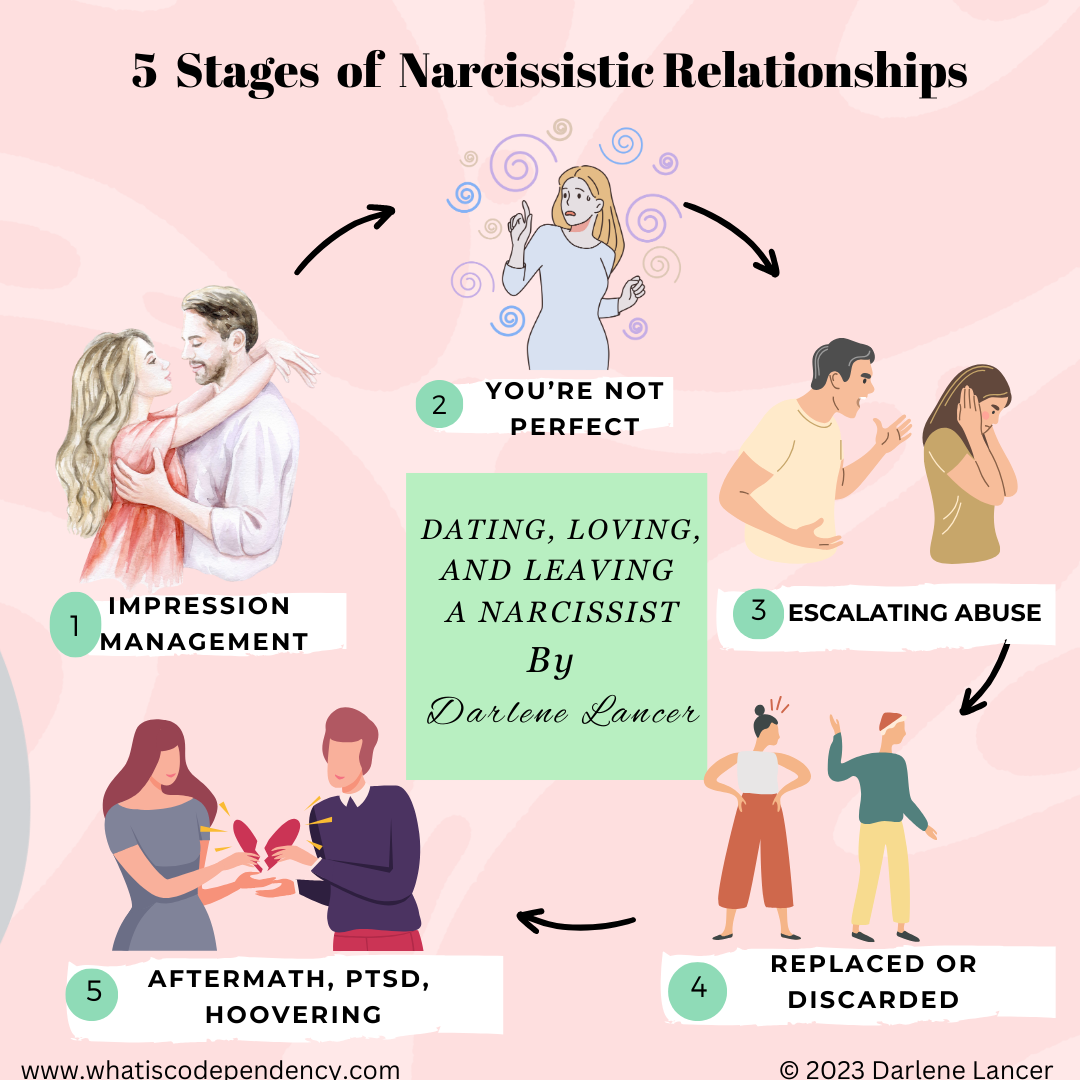
- Burnout of Relationships: The exploitative nature of relationships inevitably leads to a depletion of goodwill and a natural attrition of support. People eventually disengage when they feel used or devalued.
- Lack of Genuine Innovation: A focus on maintaining an image of already being brilliant can stifle genuine curiosity, learning, and the willingness to explore new ideas that might challenge their existing narrative. True innovation often arises from humility and a recognition of what one doesn’t know.
- Erosion of Trust and Credibility: Over time, the pattern of blame-shifting, manipulation, and self-aggrandizement becomes evident to a wider audience, leading to a significant loss of trust and credibility. Their brand becomes associated with unreliability and self-interest.
- The “Emperor Has No Clothes” Phenomenon: Eventually, even the most elaborate façade can crumble, especially when confronted with evidence or when the individual’s behavior becomes too egregious to ignore. This can lead to a swift and dramatic collapse of their public persona.
The Contrast with Authentic Personal Branding
Understanding these behaviors highlights what constitutes a healthy and sustainable personal brand. Authentic branding is built on:
- Genuine Expertise and Value: Demonstrating tangible skills, knowledge, and contributions that benefit others.
- Integrity and Transparency: Operating with honesty and openness, acknowledging strengths and weaknesses.
- Collaborative Spirit: Fostering mutually beneficial relationships and celebrating the contributions of others.
- Resilience and Adaptability: Embracing feedback, learning from mistakes, and evolving.
In conclusion, while the behaviors associated with narcissism might initially create a powerful, albeit fragile, personal brand, they ultimately lead to unsustainable professional relationships and a compromised reputation. For those focused on building a lasting and impactful personal brand, understanding these detrimental patterns serves as a crucial reminder that true influence and enduring success are forged not on the bedrock of an inflated ego, but on the pillars of authenticity, integrity, and a genuine commitment to adding value to the world.
aViewFromTheCave is a participant in the Amazon Services LLC Associates Program, an affiliate advertising program designed to provide a means for sites to earn advertising fees by advertising and linking to Amazon.com. Amazon, the Amazon logo, AmazonSupply, and the AmazonSupply logo are trademarks of Amazon.com, Inc. or its affiliates. As an Amazon Associate we earn affiliate commissions from qualifying purchases.