
In the world of finance and asset management, the concept of “non-renewable resources” is synonymous with “finite supply.” From an investment perspective, non-renewable resources are natural assets that cannot be replenished at the speed at which they are consumed. Because these resources—ranging from crude oil and natural gas to precious metals and minerals—take millions of years to form, they represent a unique category of wealth governed by the laws of scarcity and geopolitical leverage.
For the modern investor, understanding non-renewable resources is not merely an exercise in environmental science; it is a critical component of portfolio diversification and inflation hedging. As global demand for energy and infrastructure continues to rise against a backdrop of depleting reserves, these resources occupy a central role in the global economy and, by extension, the financial markets.
Understanding Non-Renewable Resources as Financial Assets
To the casual observer, a non-renewable resource is simply something that runs out. To a financial analyst, however, it is a “depleting capital asset.” The economic value of these resources is derived from their utility and the increasing difficulty (and cost) of extraction as reserves diminish.
The Economic Definition of Finite Wealth
Non-renewable resources are categorized as “stock resources.” Unlike “flow resources” (such as solar or wind energy), which provide a constant stream of energy regardless of use, stock resources are consumed in their use. Every barrel of oil extracted is one less barrel available for future sale. This inherent countdown creates a unique price floor based on the “marginal cost of production.” As easier-to-reach deposits are exhausted, companies must invest more in technology and exploration to reach deeper or more remote reserves, which fundamentally drives long-term price appreciation.
Supply, Demand, and the Scarcity Premium
In traditional economics, price is determined by the intersection of supply and demand. However, with non-renewable resources, the “supply” side of the equation is capped by the Earth’s geology. This creates what is known as a scarcity premium. When demand surges—perhaps due to a post-pandemic industrial boom or emerging market growth—the supply cannot simply be “manufactured” to meet it. This inelasticity often leads to significant price volatility, offering high-risk, high-reward opportunities for commodity traders and long-term investors alike.
Major Categories of Non-Renewable Investments
An investor looking to gain exposure to non-renewable resources must distinguish between the different sectors. Each category responds differently to interest rates, currency fluctuations, and technological shifts.
Fossil Fuels: The Traditional Energy Portfolio
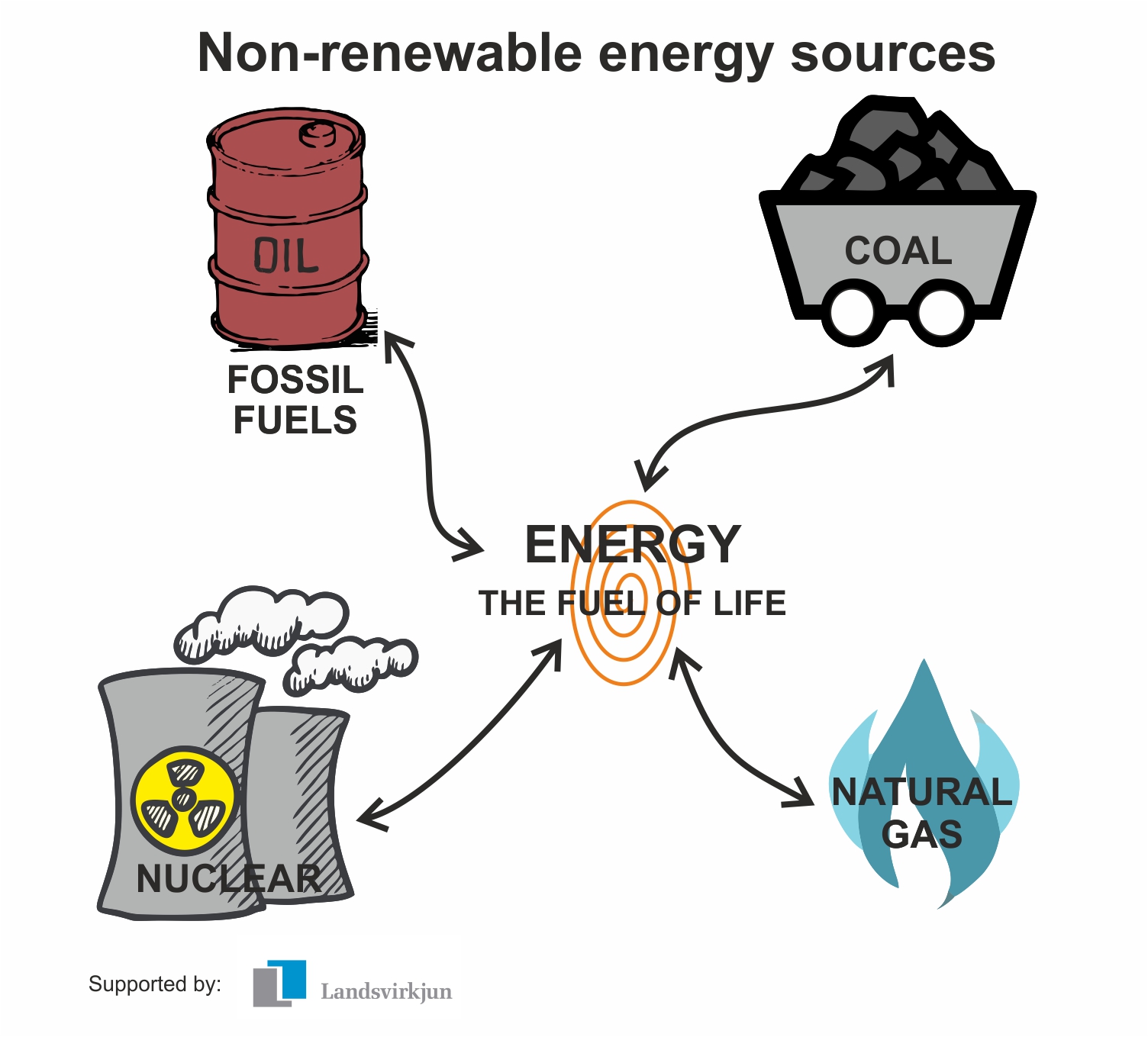
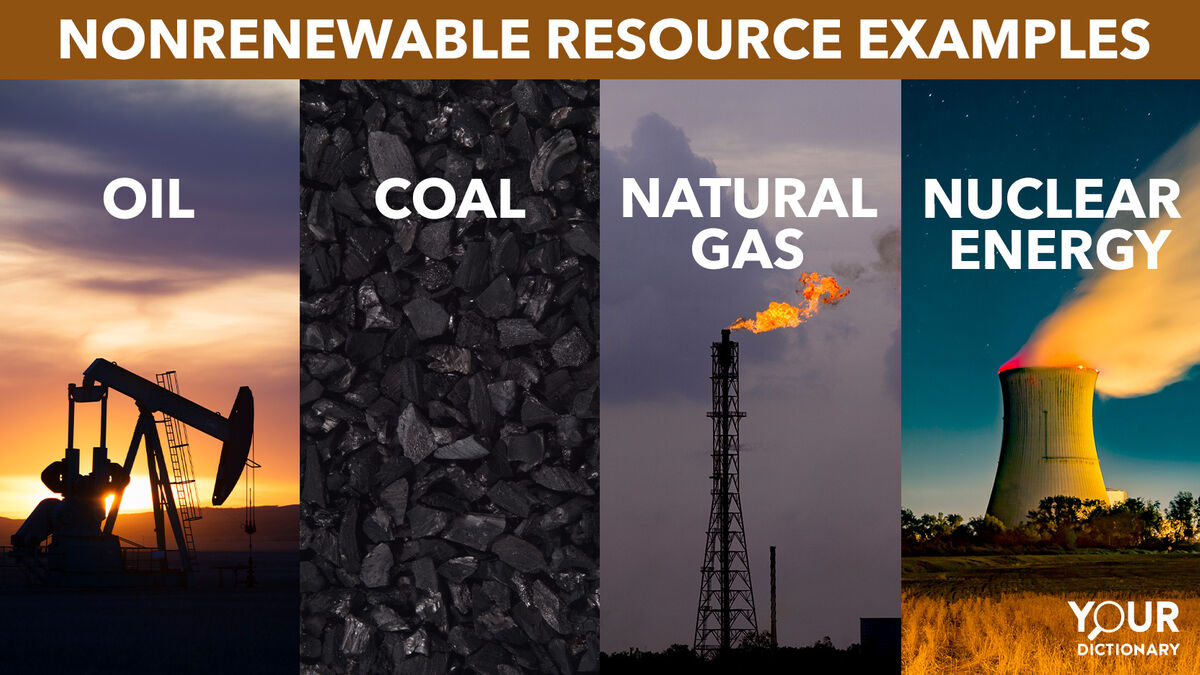
Fossil fuels—oil, natural gas, and coal—remain the backbone of the global energy market. Despite the rise of renewables, these remain some of the most liquid and heavily traded commodities in the world.
- Crude Oil: Often referred to as “black gold,” oil is the most significant non-renewable asset. Its price influences everything from transportation costs to the manufacturing of plastics.
- Natural Gas: Increasingly seen as a “bridge fuel” in the transition to cleaner energy, natural gas has become a vital component of utility portfolios and a key export for many developed nations.
Industrial and Precious Metals: Building the Future
Metals are unique non-renewable resources because, while they are finite in the Earth’s crust, they can often be recycled. However, the initial extraction remains a primary driver of wealth.
- Precious Metals (Gold/Silver): These are the ultimate “safe haven” assets. Gold, in particular, is a non-renewable resource that acts as a hedge against currency devaluation and inflation.
- Industrial Metals (Copper/Lithium): Copper is often called “Dr. Copper” because its price is a health check for the global economy. Interestingly, the shift toward “green” technology relies heavily on non-renewable minerals like lithium and cobalt, which are essential for battery production.
Nuclear Energy: The Uranium Market Outlook
Uranium is a non-renewable resource that powers nuclear reactors. As the world seeks low-carbon alternatives to fossil fuels, nuclear energy has seen a resurgence in investment interest. The uranium market is characterized by long-term contracts and extreme sensitivity to regulatory changes, making it a niche but potentially lucrative area for specialized investors.
The Risks and Rewards of a Non-Renewable Portfolio
Investing in finite resources is not without its challenges. While the potential for high returns exists, the sector is notoriously volatile and subject to external shocks that do not affect other asset classes like tech or real estate.
Market Volatility and Geopolitical Sensitivity
Non-renewable resources are rarely found where they are most needed. This geographical imbalance means that the “Money” side of the resource sector is inextricably linked to geopolitics. A conflict in the Middle East or trade tensions in Eastern Europe can cause immediate spikes in energy prices. For the investor, this means that a non-renewable portfolio requires constant monitoring of global news cycles. This volatility can be a double-edged sword: it provides opportunities for significant gains through tactical trading but can also lead to rapid drawdowns for the unprepared.
Regulatory Risks and the Global Energy Transition
The biggest long-term risk to non-renewable investments is “stranded assets.” As governments worldwide implement carbon taxes and aggressive net-zero targets, some fossil fuel reserves may become economically unviable to extract. This regulatory shift is a primary concern for institutional investors. If a company owns billions of dollars in oil reserves but is legally prohibited from burning them—or if the market demand shifts entirely to electric alternatives—those assets lose their value. Navigating this transition requires a sophisticated understanding of policy trends and “green-flation” (the rising cost of materials needed for the energy transition).
Strategy: How to Invest in the Non-Renewable Sector
There are multiple ways to put capital into the non-renewable space, ranging from direct ownership to indirect market exposure.
Direct Commodity Trading vs. Equity Stakes
The most direct way to invest is through the futures market, where traders bet on the future price of oil, gold, or gas. However, for most personal finance portfolios, owning “equities” (stocks) in the companies that extract these resources is more practical.
- Upstream Companies: These are firms involved in exploration and production. Their stock prices are highly correlated with the spot price of the resource.
- Downstream Companies: These are involved in refining and distribution. They often provide more stability, as their profits are derived from the “spread” between the cost of the raw material and the price of the finished product.
ETFs and Mutual Funds for Diversification
For investors who want exposure to non-renewables without the risk of picking a single company, Exchange-Traded Funds (ETFs) are an excellent tool. An ETF like the XLE (Energy Select Sector SPDR Fund) allows an investor to own a basket of the world’s largest oil and gas companies. Similarly, there are ETFs focused specifically on gold miners or rare-earth metals. This approach mitigates the “operational risk” (the risk that a specific company’s mine might fail or their management might make a mistake) while still allowing the investor to profit from the rising value of the underlying resource.
The Future of Non-Renewable Wealth in an ESG World
The financial landscape is changing with the rise of Environmental, Social, and Governance (ESG) criteria. Many institutional funds are divesting from non-renewables, which has created a fascinating paradox in the world of money.
Balancing Profit with Sustainability
As capital moves away from fossil fuels, the companies that remain often become more disciplined. With less competition and lower capital expenditure on new exploration, existing non-renewable companies may actually generate higher “Free Cash Flow” and pay out larger dividends to shareholders. This creates a “value play” for investors who are less concerned with ESG labels and more focused on raw cash returns.

The Peak Oil Theory and Long-term Exit Strategies
The concept of “Peak Oil”—the point at which global production begins an irreversible decline—is a critical metric for long-term financial planning. If we are approaching peak demand, the strategy for non-renewable investing shifts from “growth” to “harvest.” In this phase, the goal is to extract maximum value from existing assets before they are superseded by new technologies. Successful investors in this space are those who can identify the “last man standing”—the lowest-cost producers who will remain profitable even as the industry matures and eventually contracts.
In conclusion, non-renewable resources represent a complex but essential frontier for anyone serious about business finance and investing. While the world is undoubtedly moving toward a more sustainable future, the path to that future is paved with the very minerals and fuels that are finite. By understanding the scarcity mechanics, geopolitical influences, and market structures of non-renewable assets, investors can build resilient portfolios that profit from the unique economics of our finite planet.
aViewFromTheCave is a participant in the Amazon Services LLC Associates Program, an affiliate advertising program designed to provide a means for sites to earn advertising fees by advertising and linking to Amazon.com. Amazon, the Amazon logo, AmazonSupply, and the AmazonSupply logo are trademarks of Amazon.com, Inc. or its affiliates. As an Amazon Associate we earn affiliate commissions from qualifying purchases.