
In the hyper-competitive landscape of global commerce, brands are constantly searching for markers of trust, quality, and inclusivity. One of the most significant, yet often misunderstood, assets a business can acquire is Halal certification. While many perceive it solely through a religious lens, in the modern business world, Halal certification has evolved into a powerful tool for brand strategy, corporate identity, and international marketing. It is a rigorous quality assurance process that signals to over 1.9 billion consumers worldwide that a brand is committed to specific ethical, safety, and hygiene standards.
For a brand, achieving Halal certification is more than a regulatory hurdle; it is a strategic move to tap into a trillion-dollar global market. It represents a commitment to transparency and a bridge to a demographic that values integrity in the products they consume. This article explores the multifaceted role of Halal certification within the “Brand” niche, examining how it shapes corporate identity and fosters consumer loyalty across the globe.
The Brand Identity of Trust: Why Halal Certification Matters
In branding, “trust” is the most valuable currency. Halal certification acts as a third-party validation that a brand’s claims regarding its ingredients, manufacturing, and supply chain are verified. For companies looking to establish a global presence, this certification serves as a universal symbol of quality that transcends linguistic and cultural barriers.
Bridging the Gap with Ethical Branding
Modern consumers—notably Millennials and Gen Z—are increasingly driven by ethics. They look for brands that align with their personal values, whether that involves sustainability, animal welfare, or social responsibility. Halal certification aligns seamlessly with the “Clean Label” movement. Because the certification prohibits the use of certain additives, intoxicants, and unethical slaughtering practices, it positions a brand as “clean,” “ethical,” and “pure.” By adopting Halal standards, a brand can market itself to a broader audience that prioritizes conscious consumption, effectively expanding its brand equity beyond its primary target demographic.
The Psychology of the Global Muslim Consumer
The Muslim consumer market is one of the fastest-growing segments in the world. However, this demographic is often underserved by Western brands. When a company displays a recognized Halal logo on its packaging, it sends a powerful psychological signal of inclusivity. It tells the consumer, “We see you, we respect your values, and we have invested the effort to cater to your needs.” This fosters a deep emotional connection and brand loyalty that is difficult to achieve through traditional advertising alone. In this context, Halal certification is not just a label; it is a gesture of respect that builds a long-term relationship between the brand and the consumer.
Strategic Market Entry: Leveraging Halal as a Competitive Advantage
For brands aiming for international expansion, particularly in Southeast Asia, the Middle East, and parts of Africa, Halal certification is often a prerequisite for market entry. However, savvy brand strategists view it as more than a “license to operate”—they use it as a competitive differentiator.
Tapping into the Trillion-Dollar Global Market
The global Halal economy is estimated to be worth over $2 trillion, spanning food, pharmaceuticals, cosmetics, and lifestyle products. Brands like Nestlé and Unilever have successfully integrated Halal-certified production lines into their global strategy, allowing them to dominate markets in countries like Indonesia, Malaysia, and the UAE. For a growing brand, obtaining Halal certification is the key to unlocking these high-growth regions. Without it, a brand is effectively invisible to a massive portion of the global population. By securing certification early, a brand can establish “first-mover advantage” in emerging Halal sectors, such as vegan Halal cosmetics or organic Halal snacks.
Differentiation in a Crowded Marketplace
In a supermarket aisle or an e-commerce platform filled with hundreds of options, a brand needs a “Reason to Believe” (RTB). Halal certification provides a clear, recognizable RTB. In non-Muslim majority countries, such as the UK, France, or the USA, the Halal logo serves as a niche differentiator. It appeals to health-conscious consumers who perceive Halal-certified meat as being safer and more humanely processed. By positioning the certification as a premium quality standard rather than a purely religious one, brands can differentiate themselves from competitors who rely solely on generic quality claims.
The Anatomy of Certification: Protecting Brand Integrity
A brand’s reputation is only as strong as its weakest link. Halal certification requires a comprehensive audit of the entire supply chain, which, while rigorous, serves to protect the brand’s integrity and mitigate risks.
Standardizing Compliance Across the Supply Chain
The process of certification involves scrutinizing every stage of production—from the sourcing of raw materials to the logistics of the final delivery. This level of oversight forces a brand to gain full visibility into its supply chain. For a corporate identity, this operational excellence is a major selling point. It ensures that there is no cross-contamination and that every supplier adheres to strict guidelines. This systemic rigor reduces the likelihood of product recalls or ethical scandals, which can be catastrophic for brand reputation in the digital age.
Avoiding “Halal-Washing” and Reputational Risk
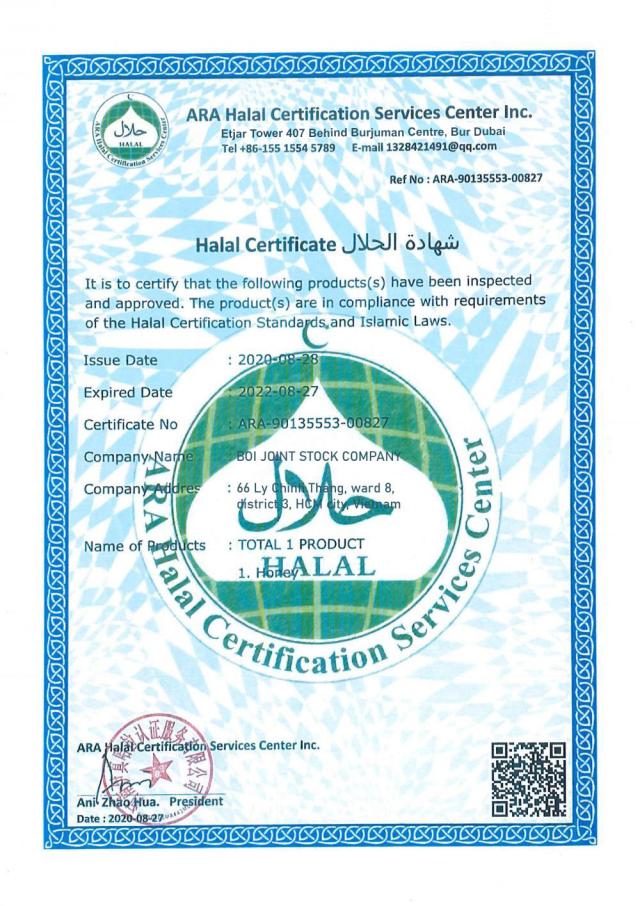
Just as “green-washing” can destroy a brand’s credibility, “Halal-washing”—the act of claiming Halal status without proper certification—can lead to severe backlash. Today’s consumers are digitally savvy; they verify claims through apps and official databases. If a brand is found to be misleading its audience about its Halal status, the damage to the corporate identity is often irreparable. Authentic certification from a recognized body (such as JAKIM, MUIS, or HMC) provides the brand with a shield of authenticity. It demonstrates that the company values honesty and is willing to undergo external scrutiny to prove its claims.
Digital and Visual Branding: Communicating Your Halal Status
Once certified, the way a brand communicates this status is crucial. It must be integrated into the brand’s visual identity and storytelling strategy to maximize its marketing potential.
The Power of the Logo and Visual Cues
In brand design, icons speak louder than words. The Halal logo is a “trust mark.” However, integrating this logo into existing packaging requires a delicate balance. It must be prominent enough for the target consumer to find, but it shouldn’t overwhelm the brand’s primary aesthetic. Leading brands often incorporate the logo near the nutritional information or the “Eco-friendly” icons, creating a cluster of “Values-Based Markers.” This visual placement reinforces the idea that Halal is part of a larger commitment to quality and ethics.
Storytelling and Transparency in Modern Marketing
The most successful Halal-certified brands do not just put a logo on a box; they tell a story about why they chose to get certified. They use their digital platforms—social media, blogs, and “About Us” pages—to explain the journey of their ingredients. This transparency is a cornerstone of modern branding. By sharing the “behind-the-scenes” of their Halal compliance, brands humanize themselves. They transition from being a faceless corporation to a transparent entity that cares about the nuances of its consumers’ lives. This narrative-driven approach transforms a technical certification into a compelling brand story that resonates with a global, diverse audience.
Conclusion: The Future of Halal Branding
Halal certification is no longer a niche requirement for local butchers; it is a global branding powerhouse. As the world becomes more interconnected, the boundaries between “religious requirements” and “universal quality standards” continue to blur. For a brand, Halal certification represents an investment in inclusivity, a commitment to ethical excellence, and a strategic roadmap for global expansion.
By understanding that Halal is a hallmark of trust, brands can navigate the complexities of international trade with a clear competitive edge. Whether a company is a startup looking for its first big break or a multinational corporation refining its identity, the Halal certification provides a framework for integrity that consumers—regardless of their faith—increasingly demand. In the end, a brand that chooses to be Halal-certified is a brand that chooses to be seen, trusted, and respected on the global stage.
aViewFromTheCave is a participant in the Amazon Services LLC Associates Program, an affiliate advertising program designed to provide a means for sites to earn advertising fees by advertising and linking to Amazon.com. Amazon, the Amazon logo, AmazonSupply, and the AmazonSupply logo are trademarks of Amazon.com, Inc. or its affiliates. As an Amazon Associate we earn affiliate commissions from qualifying purchases.