
In the rapidly evolving landscape of software engineering, the ability to translate a broad vision into functional, high-quality code is the hallmark of a successful development team. As technology stacks become more complex and the demand for rapid deployment increases, traditional project management often falls short. This is where the concept of “Epic Agile” becomes indispensable.
Within the Agile framework—specifically Scrum and Kanban—an “Epic” serves as a vital container for a large body of work. It is more than just a category; it is a strategic tool used by software architects, product owners, and engineering leads to organize development cycles, manage technical complexity, and ensure that every line of code aligns with a higher-level objective. Understanding Epic Agile is essential for any tech professional looking to master the software development life cycle (SDLC).
Defining the Epic in the Agile Ecosystem
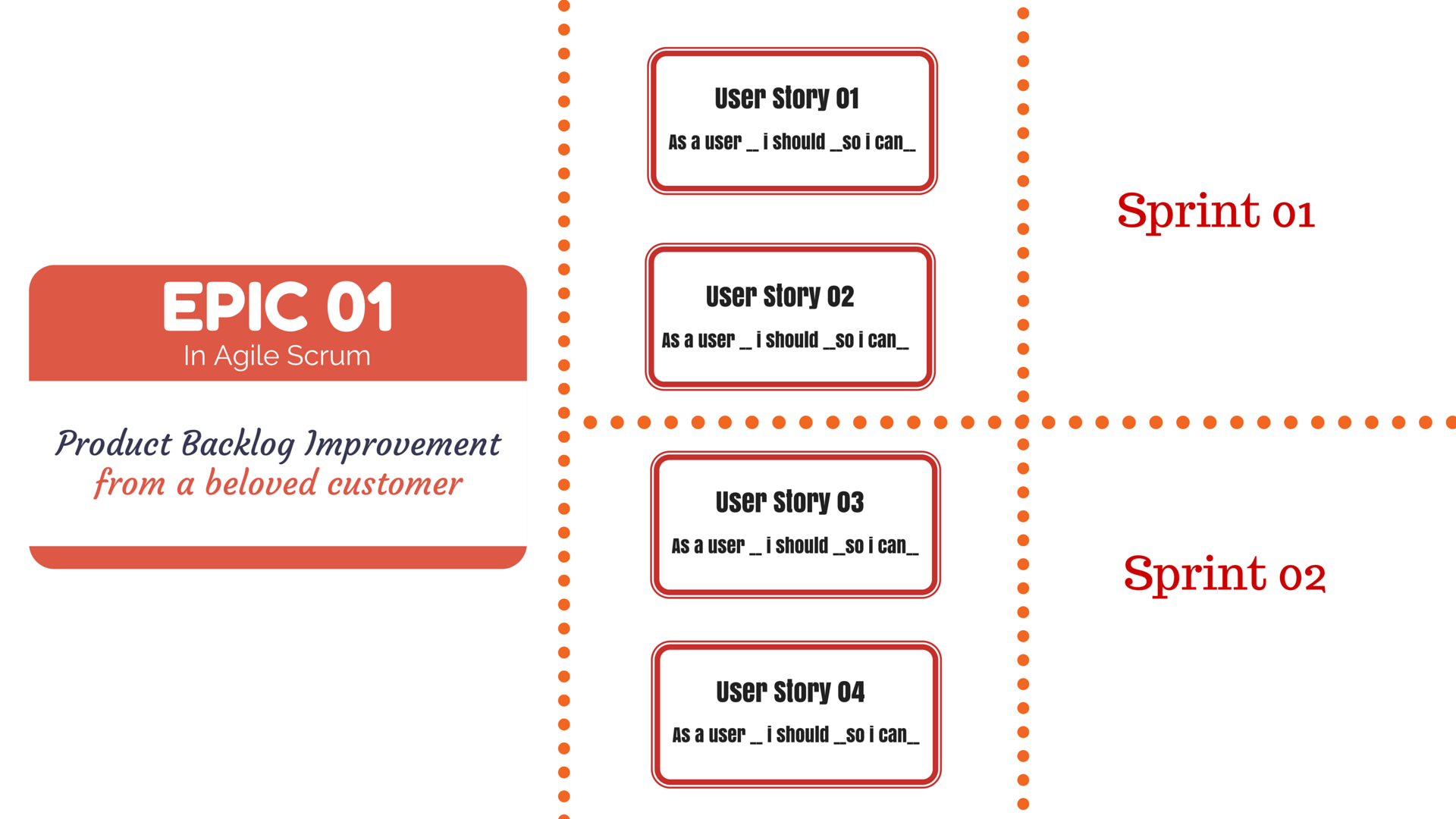
At its core, an Epic is a large user story that cannot be completed within a single iteration or sprint. If a “User Story” is a bite-sized feature, an Epic is the entire meal. In the hierarchy of technical requirements, Epics sit between “Themes” (high-level strategic goals) and “User Stories” (granular, executable tasks).
The Hierarchy of Agile Requirements
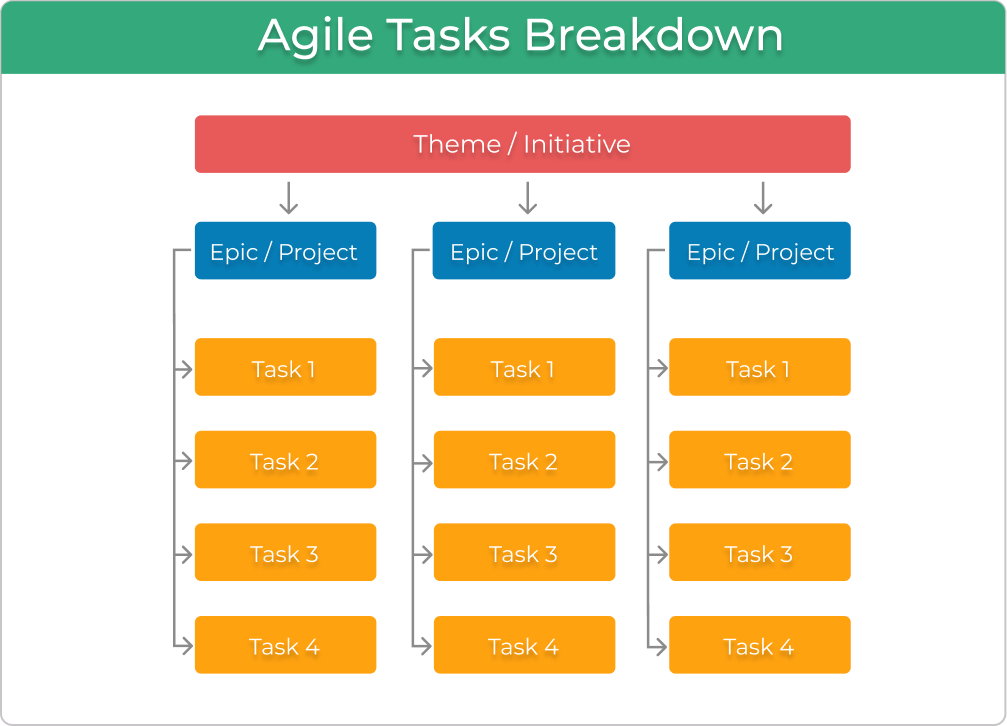
To understand Epics, one must understand the taxonomy of modern software planning.
- Themes: These are broad organizational goals, such as “Enhancing Cloud Security” or “Improving Mobile Latency.”
- Epics: These break down Themes into manageable, though still large, technical initiatives. For example, “Implementing Multi-Factor Authentication (MFA)” would be an Epic under the Cloud Security theme.
- User Stories: These are specific functional requirements derived from the Epic, such as “As a user, I want to receive a TOTP code via email.”
- Tasks/Sub-tasks: These are the minute technical steps, such as “Configure SMTP server” or “Design database schema for auth tokens.”
How Epics Differ from Stories and Themes
The primary differentiator for an Epic is its scope and duration. While a User Story is designed to be completed in a few days (or one sprint), an Epic typically spans multiple sprints and involves cross-functional collaboration. Unlike a Theme, which may never truly be “finished” (as security is an ongoing concern), an Epic has a defined beginning and end. It is a measurable technical milestone that represents a significant leap forward in a product’s capability.
The Strategic Role of Epics in Modern Software Engineering
In a tech-driven organization, Epics act as the bridge between the conceptual roadmap and the production environment. Without Epics, software development often devolves into a chaotic stream of disconnected tasks, leading to technical debt and missed deadlines.
Bridging the Gap Between Vision and Code
One of the greatest challenges in technology management is ensuring that developers understand the “why” behind their work. Epics provide the necessary context. By grouping related stories under a single Epic, engineers can see how their specific module fits into a larger system architecture. This visibility is crucial for maintaining architectural integrity and ensuring that different features don’t conflict at the integration stage.
Managing Complexity in Large-Scale Systems
As systems move toward microservices and distributed architectures, the complexity of adding new functionality grows exponentially. Epics allow teams to compartmentalize this complexity. For instance, if a tech team is migrating from a monolithic architecture to microservices, the migration of the “Payment Gateway” would be treated as an Epic. This allows the team to track dependencies, manage API contracts, and monitor the migration’s progress without getting lost in the thousands of individual code commits required to achieve the goal.
How to Write and Structure an Effective Epic
A poorly defined Epic is a recipe for scope creep. In the tech world, an Epic must be structured with enough detail to guide development while remaining flexible enough to adapt to technical discoveries made during the sprint.
Essential Components of an Epic Document
A high-quality Epic in a tool like Jira or Azure DevOps should include the following technical components:
- Epic Name: A clear, concise title (e.g., “GraphQL API Implementation”).
- Summary/Description: A high-level overview of what the technical objective is and what problem it solves.
- Technical Constraints: A list of limitations, such as supported browsers, server-side requirements, or compliance standards (e.g., GDPR or HIPAA).
- User Stories: The list of linked stories that comprise the Epic.
- Success Criteria: The technical benchmarks that must be met for the Epic to be considered complete.
Setting Success Criteria and KPIs
Success in Epic Agile is not just about “finishing the work.” It is about meeting specific performance and quality standards. For a technical Epic, success criteria might include:
- Latency Requirements: “The new API endpoint must respond in under 200ms.”
- Security Standards: “The module must pass a Level 2 penetration test.”
- Test Coverage: “Unit test coverage for this Epic must exceed 85%.”
- Scalability: “The feature must support 10,000 concurrent users without degradation.”
By defining these technical KPIs at the Epic level, the engineering team has a clear target to hit, reducing the need for mid-project re-evaluations.
Tools and Technologies for Managing Epics
In the modern tech stack, Agile project management is inseparable from the software tools used to implement it. These platforms are designed to handle the dynamic nature of Epics, providing visualization and reporting features that are essential for technical leads.
Integrating Epics into Jira and Azure DevOps
Atlassian’s Jira is perhaps the most ubiquitous tool for managing Agile Epics. It allows teams to create “Epic Links,” which aggregate the progress of all associated stories into a single progress bar. This real-time visualization allows Project Managers to see if a technical initiative is on track.
Similarly, Microsoft’s Azure DevOps (specifically Azure Boards) provides a robust framework for managing Epics within the context of a CI/CD (Continuous Integration/Continuous Deployment) pipeline. By linking Epics directly to code repositories and build pipelines, developers can track how a specific Epic’s code is moving through development, testing, and production environments.
Leveraging AI for Epic Estimation and Refinement
The newest frontier in Agile technology is the integration of Artificial Intelligence. Modern AI tools can now analyze historical velocity data to provide more accurate estimations for how long an Epic will take to complete. Furthermore, Large Language Models (LLMs) are being used to help Product Owners draft the initial requirements of an Epic, ensuring that common technical edge cases are accounted for before a single line of code is written. This “AI-assisted Agile” approach is rapidly becoming a standard for high-performing tech teams.
Best Practices for Epic Lifecycle Management
Managing an Epic is a continuous process that requires constant refinement. The lifecycle of an Epic—from “To Do” to “Done”—must be handled with precision to maintain development velocity.
When to Break Down an Epic
A common mistake in software development is letting an Epic become too large—a “Mega-Epic” that never ends. If an Epic is projected to take more than one quarter (three months) to complete, it is usually a sign that it needs to be broken down into smaller, more focused Epics. For example, instead of a massive “Mobile App Redesign” Epic, a team might break it into “UI/UX Refresh,” “Backend API Optimization,” and “Push Notification Integration.” This allows for more frequent releases and better risk management.
Avoiding “Epic Creep” and Maintaining Velocity
“Scope creep” at the Epic level is particularly dangerous because it can derail multiple sprints. To prevent this, tech leads must enforce a strict “Definition of Ready.” No story should be added to an Epic once the development has reached a certain stage unless it is absolutely critical for the “Minimum Viable Product” (MVP).
Furthermore, teams should use burn-down and burn-up charts specifically for Epics. These technical visualizations show the rate at which work is being completed relative to the total estimated effort. If the burn-down chart shows a plateau, it is an immediate signal to the engineering manager that there are technical blockers—such as architectural debt or environment issues—that need to be addressed.

Conclusion
Epic Agile is the backbone of scalable software development. By providing a structured yet flexible way to organize large-scale technical initiatives, Epics allow software teams to tackle complex challenges without losing sight of the ultimate goal. From defining the initial hierarchy to leveraging AI for better estimation, the mastery of Epics is what separates successful tech organizations from those that struggle with delivery. As the tech industry continues to move toward more automated and integrated workflows, the principles of Epic Agile will remain the gold standard for turning ambitious ideas into reality.
aViewFromTheCave is a participant in the Amazon Services LLC Associates Program, an affiliate advertising program designed to provide a means for sites to earn advertising fees by advertising and linking to Amazon.com. Amazon, the Amazon logo, AmazonSupply, and the AmazonSupply logo are trademarks of Amazon.com, Inc. or its affiliates. As an Amazon Associate we earn affiliate commissions from qualifying purchases.