
In the multi-billion dollar fragrance industry, the term “EDT”—short for Eau de Toilette—is far more than a chemical designation of fragrance oil concentration. For brand strategists, marketing executives, and corporate identity experts, the EDT spray represents a vital instrument in product tiering, market penetration, and consumer psychology. While the casual consumer might view an EDT spray simply as a lighter version of a perfume, from a brand perspective, it is a calculated entry point into a luxury ecosystem.
Understanding the “what” of EDT spray requires looking past the glass bottle and into the sophisticated mechanisms of brand equity and market segmentation. This article explores how global fragrance houses leverage EDT sprays to build brand loyalty, maintain exclusivity, and optimize the commercial lifecycle of their olfactory assets.
1. The Architectural Hierarchy: Positioning EDT in a Brand Portfolio
Every luxury brand operates on a ladder of accessibility. In the world of high-end fashion and beauty, fragrance serves as the most accessible rung for the majority of consumers. Within that fragrance category, the EDT spray occupies a unique strategic middle ground.
Defining the Product Identity
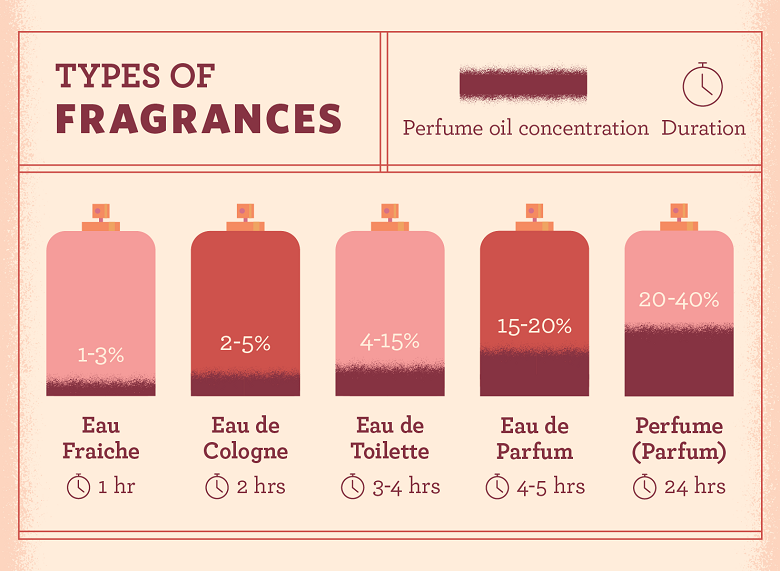
An Eau de Toilette typically contains between 5% and 15% fragrance oil. This technical specification is the foundation of its brand identity: it is designed to be fresh, fleeting, and vibrant. From a branding standpoint, this “transience” is a feature, not a bug. It allows a brand to market the product as a daily essential—an “everyday luxury”—contrasting with the heavier Eau de Parfum (EDP) or Parfum Extrait, which are positioned as prestigious, ceremonial, or evening-specific items.
Market Segmentation and the Entry-Point Strategy
For a heritage brand like Chanel or Dior, the EDT spray acts as a powerful recruitment tool. By offering a lower price point than concentrated perfumes, the EDT allows younger or middle-income demographics to participate in the brand’s lifestyle. This “masstige” (mass-prestige) strategy ensures that the brand remains aspirational while maintaining a healthy volume of sales. The EDT is often the first interaction a consumer has with a luxury house, setting the stage for a lifelong journey of brand loyalty that may eventually lead to higher-margin leather goods or couture.
The Lifecycle of a Scent Portfolio
Brands rarely launch a fragrance in a vacuum. A sophisticated brand strategy usually involves a phased rollout. A marquee “Pillar” fragrance might launch as an EDP to establish prestige and critical acclaim, followed by an EDT version six months later to capture the broader market. This creates a “long tail” for the product, allowing the brand to refresh its marketing narrative without the massive R&D costs of developing an entirely new scent profile.
2. Sensory Branding and the Psychology of the Olfactive Signature
In the digital age, where visual and auditory stimuli are oversaturated, sensory branding—specifically through scent—has become a cornerstone of corporate identity. The EDT spray is the primary vehicle for this olfactory marketing.
Establishing a Consistent Brand Narrative
A brand’s “DNA” must be recognizable across all touchpoints. When a brand develops an EDT, the “nose” (the perfumer) must ensure that the core notes align with the brand’s values. If a brand stands for “Modern Minimalism,” the EDT spray will often feature clean, ozonic, or linear notes. If the brand represents “Opulence and Excess,” the EDT will be formulated to punch above its weight, using bright top notes to create an immediate, impactful impression. This consistency ensures that the consumer “smells” the brand’s identity as clearly as they see its logo.
The “Top Note” Hook in Consumer Behavior
From a marketing perspective, the EDT spray is engineered for the “Retail Moment.” Because EDTs have a high alcohol content and a lighter concentration, the volatile top notes are released almost instantly upon spraying. This provides immediate gratification during a department store “spray and sniff” test. Brands strategically front-load EDTs with appealing citrus or floral notes to secure a quick emotional connection, a tactic essential for high-volume retail environments where a sale must be closed within seconds.
Emotional Connection and Brand Recall
Scent is the only sense directly linked to the limbic system, the part of the brain responsible for memory and emotion. By marketing an EDT as a signature scent for daily wear, brands embed themselves into the consumer’s personal history. When a consumer uses an EDT spray every morning, the brand becomes a literal part of their identity. This deep emotional integration makes the brand “sticky,” reducing churn and creating a powerful psychological barrier against competitors.
3. Visual Identity and the Aesthetics of the Bottle

In the fragrance world, the juice (the liquid) is only half the product. The other half is the vessel. The design, weight, and tactile experience of an EDT spray bottle are critical components of a brand’s visual and corporate strategy.
Communicating Value through Industrial Design
Luxury brands invest millions in the industrial design of their spray mechanisms and glass bottles. For an EDT, the packaging must strike a balance between the brand’s high-end heritage and the product’s position as a more accessible item. Often, the EDT bottle will be a taller, leaner, or clearer version of the EDP bottle. This visual shorthand tells the consumer exactly where the product sits in the hierarchy: the EDT is the light, airy, and energetic sibling to the more “grounded” and intense EDP.
The Ergonomics of the “Mist”
The “spray” in EDT spray is a technical branding element. High-end brands like Hermès or Prada focus heavily on the quality of the atomizer. A cheap spray head produces uneven droplets, whereas a luxury atomizer produces a fine, consistent mist. This tactile experience—the sound of the click, the resistance of the pump, and the feel of the mist on the skin—is a non-verbal communication of quality. It reinforces the brand’s commitment to excellence, even in its more “affordable” offerings.
Packaging as a Marketing Billboard
The box and bottle of an EDT serve as miniature billboards. In a crowded retail environment, the typography, color palette, and logo placement must be impeccable. Brands often use “color coding” to differentiate their EDT lines—for instance, using silver accents for EDTs and gold for EDPs. This helps in maintaining a clean, organized brand architecture that consumers can navigate intuitively, both in-person and on e-commerce platforms.
4. The Economics of the Fragrance House: Profitability and Scale
Behind the glamour of fragrance marketing lies a rigorous financial framework. The EDT spray is often the “cash cow” of a beauty brand’s portfolio, providing the liquidity needed to fund more experimental or high-concept projects.
High Margins and Scalability
While the marketing and packaging costs are significant, the actual cost of goods (COGS) for the fragrance oil in an EDT is relatively low compared to the retail price. This high-margin profile makes the EDT spray a favorite for corporate stakeholders. Because it is sold in higher volumes than concentrated perfumes, it allows for economies of scale in manufacturing and distribution.
The Global Distribution Network
The EDT’s lower price point and lighter formulation make it ideal for global distribution, particularly in travel retail (duty-free shops). These environments are high-traffic zones where consumers are looking for recognizable, “safe” luxury gifts. The EDT spray fits this niche perfectly. It is a globally recognized format that transcends language barriers, making it a universal currency for international brand recognition.
Diversification through “Flankers”
A “flanker” is a variation of an existing fragrance (e.g., “Brand X: Summer Edition”). Brands heavily utilize the EDT format for these seasonal releases. This strategy allows a company to capitalize on current trends—such as a sudden market interest in “green” scents or “oud”—without damaging the core identity of their flagship product. It keeps the brand relevant in the fast-paced fashion cycle and provides a constant stream of “newness” for marketing campaigns and social media influencers.
5. Future-Proofing the Brand: Sustainability and Digital Fragrance
As the corporate landscape shifts toward ESG (Environmental, Social, and Governance) goals and digital-first interactions, the strategy surrounding the EDT spray is evolving.
The Rise of Sustainable Luxury
Modern brand strategy demands transparency. Fragrance houses are now pivoting to “Clean EDT” formulations—using sustainably sourced ingredients and refillable spray bottles. By offering refillable EDT sprays, brands like Mugler or Giorgio Armani are not only hitting sustainability targets but also creating a recurring revenue model. Once a consumer owns the heavy, luxury glass bottle, they are incentivized to return to the brand for “refills,” deepening the brand-consumer relationship.
Digital Fragrance Marketing and AI
How do you sell an EDT spray through a screen? This is the current challenge for brand marketers. The strategy has shifted toward “narrative-driven” digital content. Brands are using high-production-value films and AI-driven scent-matching quizzes to bridge the gap. Furthermore, data analytics are being used to track which “notes” are trending in different geographical regions, allowing brands to tailor their EDT releases to specific cultural preferences, ensuring a higher success rate for new product launches.

Conclusion: More Than Just a Scent
An EDT spray is a masterpiece of brand engineering. It is a bridge between the high-altar of couture and the everyday lives of consumers. By carefully balancing chemical concentration, price positioning, sensory psychology, and visual design, luxury brands use the EDT to build empires. It is the silent ambassador of a brand’s identity, a liquid embodiment of its values, and a vital engine of its commercial longevity. When we ask “what is EDT spray,” the answer isn’t found in a lab—it’s found in the boardroom, the retail floor, and the enduring legacy of the world’s most iconic brands.
aViewFromTheCave is a participant in the Amazon Services LLC Associates Program, an affiliate advertising program designed to provide a means for sites to earn advertising fees by advertising and linking to Amazon.com. Amazon, the Amazon logo, AmazonSupply, and the AmazonSupply logo are trademarks of Amazon.com, Inc. or its affiliates. As an Amazon Associate we earn affiliate commissions from qualifying purchases.