
In the hyper-competitive world of the beverage industry, the difference between “club soda” and “sparkling water” is far more than a matter of chemical composition or mineral content. From a brand strategy perspective, these two products represent a masterclass in market segmentation, consumer psychology, and product positioning. While both liquids are fundamentally carbonated water, the way they are branded, packaged, and marketed creates two entirely different consumer ecosystems.
To the uninitiated, they might seem interchangeable. However, for a brand manager or a corporate strategist, the distinction is a vital lesson in how naming conventions and perceived value can dictate price points, shelf placement, and brand loyalty. Understanding the nuance between these two categories allows us to see how brands manufacture “identity” out of the most basic element on earth: water.
Understanding Product Positioning: The Core Definitions
To understand the brand strategy behind these liquids, we must first look at their functional identities. Branding always begins with the “Why” and the “Who.” Who is this for, and why are they buying it? The beverage industry has split carbonated water into distinct categories to capture different “usage occasions.”
Club Soda: The Reliable Utility Player
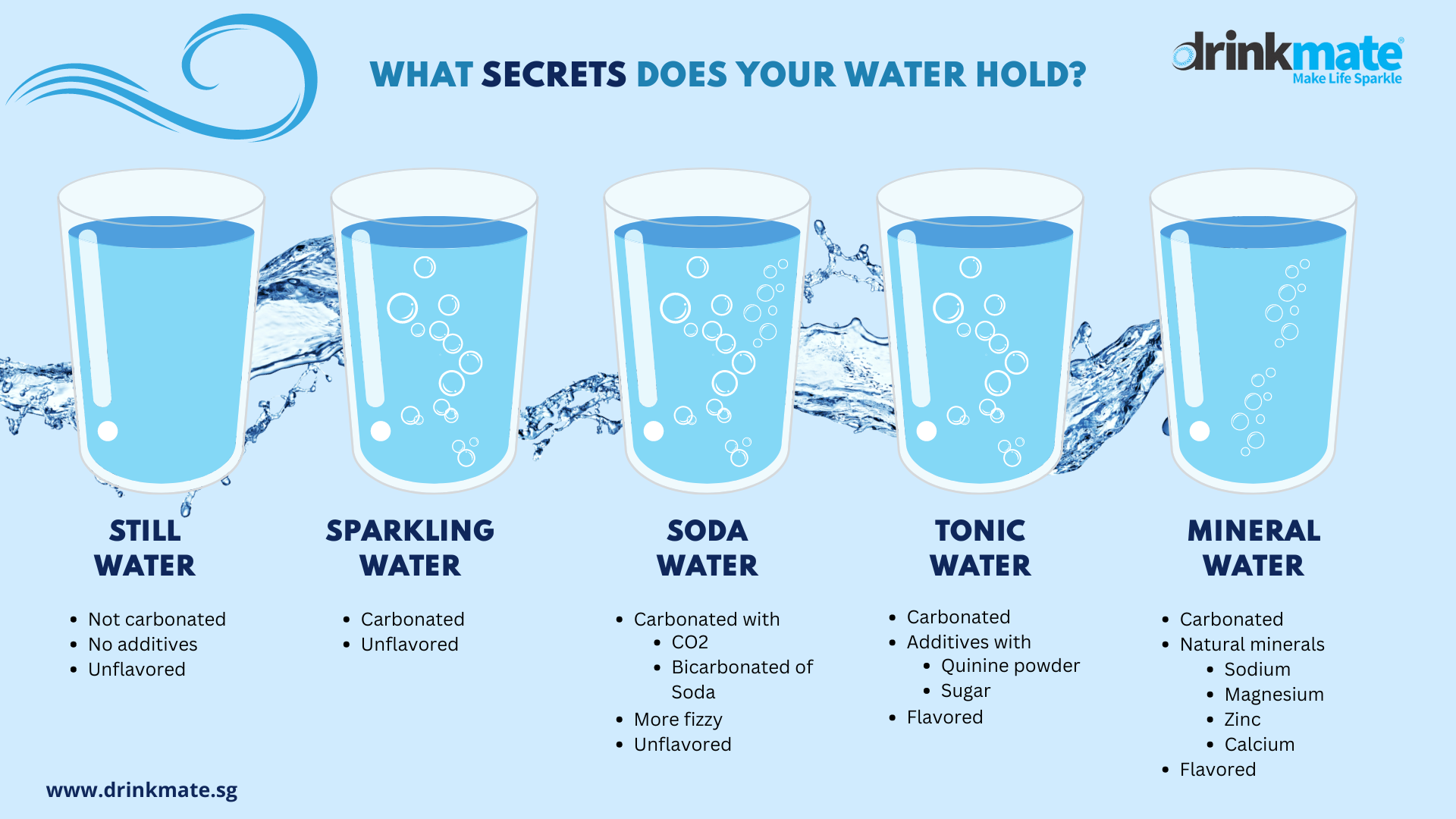
Club soda is fundamentally positioned as a “utility” brand. It is carbonated water to which minerals—such as potassium bicarbonate, sodium citrate, or sodium chloride—have been added to mimic the flavor profile of natural mineral water. In terms of brand identity, club soda is rarely the “hero” of the story. Instead, it is marketed as the “essential partner.”
Historically, club soda brands like Schweppes or Canada Dry have positioned themselves within the “Mixology” or “Social Hosting” niche. The brand strategy here is reliability and consistency. When a consumer buys club soda, they aren’t looking for a standalone sensory experience; they are looking for a tool that enhances a cocktail. This utility-first branding allows these companies to dominate the “Bar and Tavern” sector, where the brand’s value is derived from its ability to stay carbonated and complement spirits without overpowering them.
Sparkling Mineral Water: The Premium Experience
In stark contrast, sparkling water (specifically sparkling mineral water) is branded as a “lifestyle” product. Unlike club soda, which is a manufactured product, sparkling mineral water brands—such as San Pellegrino or Perrier—rely on a “Source-Based Identity.” The brand story isn’t about what was added in a factory, but what was preserved from nature.
This is a premium positioning strategy. By focusing on the “terroir” of the water—the specific spring in France or Italy from which it flowed—brands can command a significantly higher price point. The brand identity here is built on heritage, purity, and sophistication. While club soda is a tool for the bartender, sparkling mineral water is a statement for the diner. It is a standalone beverage that signals health, status, and refined taste.
Marketing the Mouthfeel: How Mineral Profiles Shape Brand Identity
In branding, “sensory identity” is a powerful tool. The difference in taste between club soda and sparkling water is subtle to the casual drinker but serves as a foundational element of the brand experience. Companies use these sensory differences to carve out specific market niches.
The Science of “Salty” vs. “Clean” Branding
The added minerals in club soda give it a slightly salty or “mineral-forward” finish. From a branding perspective, this is intentional. It creates a “crisp” profile that cuts through the sweetness of syrups or the bitterness of alcohol. The brand promise of club soda is “The Perfect Mix.”
On the other hand, many “Sparkling Water” brands (and their cousins, Seltzers) strive for a “clean” or “neutral” finish. Brands like LaCroix or Bubly have revolutionized the sparkling water category by focusing on “clean labels” and “essence.” Their brand strategy is built on the absence of additives. By marketing a “zero-calorie, zero-sodium” profile, they align themselves with the “Wellness and Clean Eating” trend. The “mouthfeel” becomes a branding asset—where “light and airy” equals “healthy and modern.”
Packaging and Visual Identity
You can tell the difference between these brands without even reading the label, simply by looking at the bottle design. Club soda branding often leans into traditional, heritage-heavy aesthetics. Use of deep blues, metallic silvers, and classic typography suggests a product that has been a staple of the American bar cart for a century.

Sparkling water brands, however, use packaging to signal their specific niche. Premium mineral waters use green glass (San Pellegrino/Perrier) to signal “Old World” luxury and environmental purity. Meanwhile, the modern “Seltzer/Sparkling Water” brands use vibrant, neon-colored cans with minimalist, playful fonts. This visual identity is designed for the Instagram generation—it’s not a mixer; it’s an accessory. The packaging tells the consumer whether the product belongs at a black-tie gala or a backyard yoga session.
Consumer Psychology and the “Wellness” Pivot
The shift in how these products are branded reflects a broader change in consumer behavior. Over the last decade, there has been a massive migration of “Brand Equity” from the club soda category toward the sparkling water category. This is driven by the global wellness movement.
The Rise of Functional Branding
Modern consumers are increasingly “label-conscious.” Because club soda contains added sodium and minerals, it can occasionally be caught on the wrong side of the health narrative. Sparkling water brands have capitalized on this by positioning themselves as the “ultimate alternative” to sugary sodas.
The brand strategy for sparkling water has evolved into “Functional Hydration.” Brands are no longer just selling bubbles; they are selling a lifestyle choice that replaces a “bad” habit (soda) with a “good” one (carbonated water). By emphasizing “Natural Flavors” and “No Artificial Sweeteners,” sparkling water brands have successfully captured the health-conscious demographic that club soda brands—with their “mixer” reputation—largely miss.
Social Status and the Carbonation Spectrum
There is also an undeniable element of social signaling involved in these brand categories. Ordering a “Club Soda with lime” at a bar is often seen as a way to blend in while abstaining from alcohol. It is a “stealth” brand choice.
Conversely, carrying a bottle of premium sparkling water or a trendy flavored seltzer is a visible brand statement. It signals that the consumer is “in the know” regarding health trends or has the disposable income for “luxury hydration.” Brand managers for companies like Liquid Death have taken this to the extreme, using “edgy” branding to make sparkling water feel as “cool” as a craft beer. They aren’t selling the difference in minerals; they are selling the difference in attitude.
Case Studies in Successful Liquid Branding
To see these strategies in action, we can look at the “Titans of the Taps”—brands that have defined their respective categories through rigorous identity management.
Perrier and the Luxury Tier
Perrier is perhaps the most successful example of “Sparkling Mineral Water” branding in history. In the 1980s, Perrier didn’t just market water; they marketed a French lifestyle. They used their unique bottle shape and aggressive sponsorship of high-end events (like the French Open) to create an aura of exclusivity. Their brand isn’t about the CO2 levels; it’s about the “Je ne sais quoi.” They successfully convinced the world that paying for water was a sign of sophistication, a move that paved the way for the entire premium sparkling water category.
Schweppes and the Utility Tier
Schweppes, founded in 1783, is the gold standard for “Club Soda” branding. Their strategy is built on the “Originality” and “Authority” pillars. By positioning themselves as the inventors of the process, they became the default choice for the hospitality industry. They don’t try to compete with the “cool” seltzers or the “luxury” mineral waters. Instead, they reinforce their position as the “Standard.” Their brand strategy is a “B2B2C” (Business to Business to Consumer) model—if they own the bar, they own the consumer’s palate.

Strategic Takeaways for Modern Brand Managers
The divergence between club soda and sparkling water offers several key lessons for any brand strategist, regardless of their industry:
- Context is Everything: Club soda wins in the context of “creation” (making a drink), while sparkling water wins in the context of “consumption” (drinking as is). Brands must understand the primary “moment of use” for their product.
- The Power of Origin: For sparkling water, the “where” (the source) is the brand. For club soda, the “how” (the consistency) is the brand. Knowing whether your value comes from your process or your origin is critical.
- Naming Dictates Price: By labeling a product “Sparkling Mineral Water” instead of “Club Soda,” a company can justify a 30-50% price increase. The language we use to describe a product sets the ceiling for its perceived value.
- Aesthetics as an Ingredient: In a product that is 99% water, the bottle, the label, and the “vibe” are the most important ingredients. Packaging isn’t just a container; it is the physical manifestation of the brand’s promise.
In conclusion, while the physical difference between club soda and sparkling water may come down to a few milligrams of minerals and the source of the bubbles, the brand difference is a vast ocean. Club soda is the dependable, hardworking foundation of the social world, while sparkling water is the aspirational, health-conscious star of the wellness movement. By understanding these distinctions, companies can navigate the complex waters of consumer preference and build brands that truly pop.
aViewFromTheCave is a participant in the Amazon Services LLC Associates Program, an affiliate advertising program designed to provide a means for sites to earn advertising fees by advertising and linking to Amazon.com. Amazon, the Amazon logo, AmazonSupply, and the AmazonSupply logo are trademarks of Amazon.com, Inc. or its affiliates. As an Amazon Associate we earn affiliate commissions from qualifying purchases.