
In the traditional landscape of global commodities, few shifts have been as swift or as lucrative as the transition from bovine-based dairy to plant-based alternatives. What was once a niche dietary requirement for the lactose-intolerant has evolved into a multi-billion dollar asset class. To the casual consumer, “dairy-free milk” is a dietary choice; to the sophisticated investor and business strategist, it represents one of the most significant disruptions in the consumer packaged goods (CPG) sector in the last century.
The dairy-free milk market is no longer just about almond or soy liquids; it is a complex ecosystem of biotechnology, venture capital, supply chain optimization, and aggressive market positioning. Understanding what dairy-free milk is today requires looking past the carton and into the balance sheets of the companies redefining the “milk” category. This article examines the financial architecture of the dairy-free industry, the investment opportunities it presents, and the economic hurdles that define its future.
The Market Dynamics of the Dairy-Free Revolution
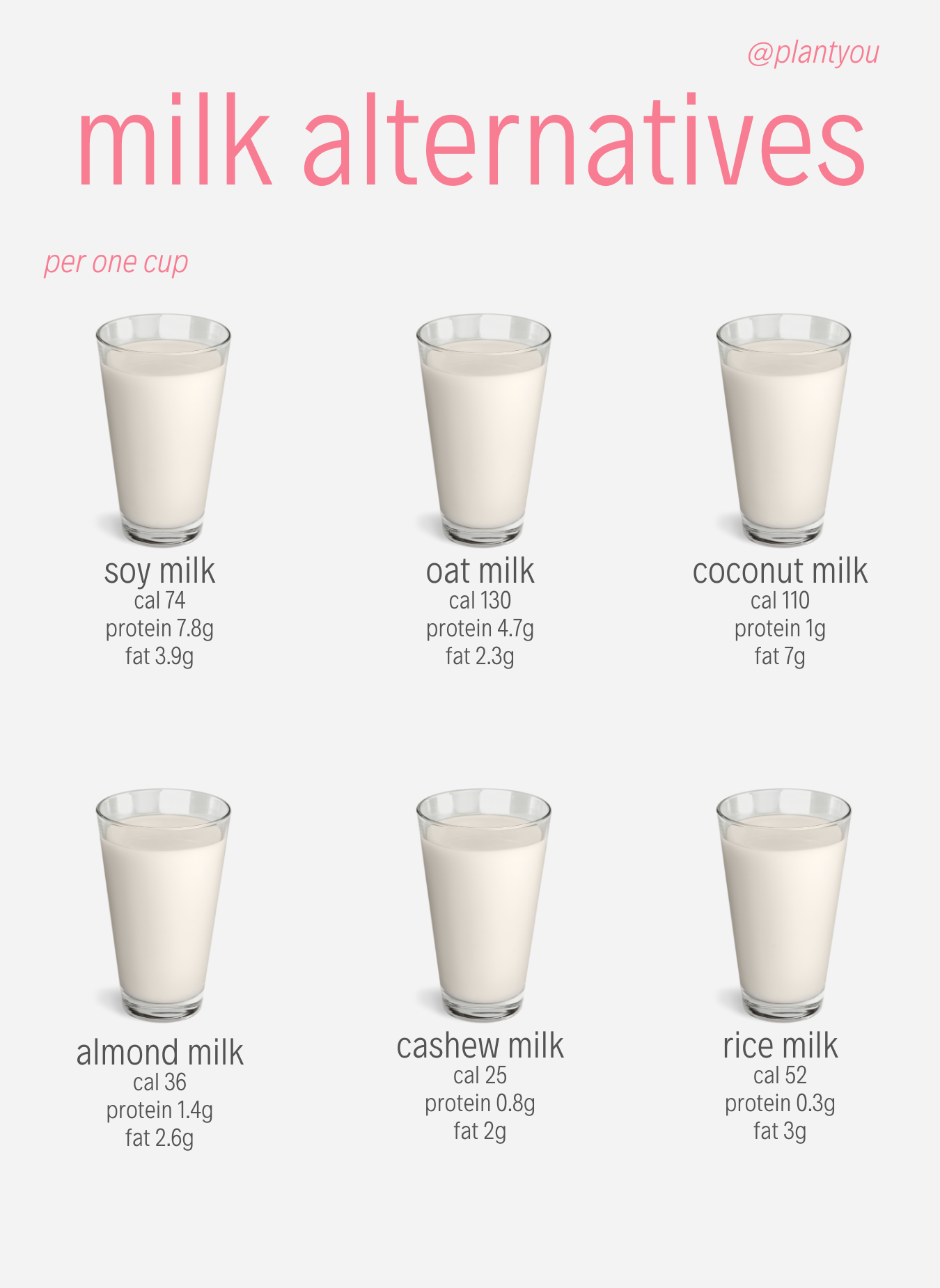
The global plant-based milk market was valued at approximately $20 billion in recent years and is projected to exceed $50 billion by 2030, maintaining a robust Compound Annual Growth Rate (CAGR) of over 10%. This growth is not merely a trend; it is a fundamental reallocation of consumer capital.
Growth Drivers and CAGR Projections
The primary driver of this financial surge is the “flexitarian” consumer. Unlike vegans, who represent a small percentage of the population, flexitarians are moving their grocery budgets toward dairy-free options for perceived health benefits and environmental concerns. From a financial perspective, this represents a massive expansion of the Total Addressable Market (TAM).
When analyzing CAGR, we see that oat milk has led the charge in recent years, outperforming older alternatives like soy. The rapid adoption of oat milk in the coffee industry—specifically through “barista editions”—created a high-margin revenue stream that traditional dairy struggled to replicate. This institutional adoption acts as a de facto marketing engine, lowering the Customer Acquisition Cost (CAC) for brands when they eventually move into retail spaces.
Disrupting the Traditional Dairy Monopoly
The financial decline of traditional dairy is the inverse of the alt-milk rise. Several major dairy producers in the United States and Europe have faced bankruptcy or restructuring in the last decade. The economic reality is that dairy-free milk often commands a premium price—sometimes 200% higher than conventional cow’s milk—while maintaining a shelf life that is significantly longer. This “premiumization” allows for higher gross margins, provided the brand can justify the price point through superior taste or sustainability metrics.
Investment Strategies in the Plant-Based Sector
For investors, the dairy-free sector offers a variety of entry points, ranging from high-risk venture capital in biotech startups to more stable positions in diversified multinational corporations.
Publicly Traded Stocks vs. Private Equity
The public debut of companies like Oatly (OTLY) served as a litmus test for the industry. While initial valuations were astronomical, the subsequent market correction highlighted the volatility of the sector. Investors must now distinguish between “pure-play” companies, which focus exclusively on dairy-free products, and “diversified conglomerates” like Danone or Nestlé.
Danone’s acquisition of WhiteWave Foods (the parent company of Silk and Alpro) for $12.5 billion remains a landmark case study. It demonstrated that established food giants are willing to pay a massive premium to acquire market share in the dairy-free space rather than building brands from scratch. For the private equity investor, the goal is often to find the next “disruptor” brand that can be scaled and sold to a conglomerate seeking to hedge against the decline of traditional dairy.
The Role of ESG Investing
Environmental, Social, and Governance (ESG) criteria have become central to modern portfolio management. Dairy-free milk fits perfectly into the “E” of ESG. Producing a liter of almond, oat, or soy milk requires significantly less land and results in lower greenhouse gas emissions compared to bovine milk.
Institutional investors, including pension funds and sovereign wealth funds, are increasingly mandated to divest from high-carbon industries. This shift in capital allocation creates a “green premium” for dairy-free companies, often leading to lower costs of capital and higher valuations compared to their traditional counterparts.

Business Models and Profit Margins of Alt-Milk Startups
The profitability of a dairy-free milk brand is heavily dependent on its production model and its choice of raw materials. The economics of an almond milk brand differ vastly from those of a pea protein or potato milk startup.
Vertical Integration vs. Contract Manufacturing
Many early-stage dairy-free brands utilize “co-packers” or contract manufacturers to produce their goods. This “asset-light” model allows startups to scale quickly without the massive capital expenditure (CapEx) required to build a factory. However, as a brand grows, the lack of control over production can lead to supply chain bottlenecks and squeezed margins.
Large-scale players are moving toward vertical integration—owning the processing facilities and sometimes even the farms. By controlling the supply chain, these companies can optimize the “extraction” process (turning raw oats or almonds into base liquid), which is where the primary value is added.
The Economics of Production: From Almonds to Oats
From a business finance perspective, the cost of goods sold (COGS) is highly sensitive to commodity prices.
- Almonds: High water usage makes almond milk susceptible to price spikes during droughts in California, where 80% of the world’s almonds are grown.
- Oats: Oats are generally cheaper and more resilient, which is why oat milk has seen such a rapid rise in profitability.
- Soy: Soy remains the most cost-effective protein source, but its “commodity” status often prevents brands from charging the same premium as they would for “specialty” milks like macadamia or cashew.
Navigating the Financial Risks of the Dairy-Free Market
Despite the optimistic growth projections, the dairy-free industry faces significant economic headwinds that could impact long-term profitability.
Supply Chain Volatility and Commodity Prices
The dairy-free market is inextricably linked to global agriculture. Fluctuations in the price of fertilizer, energy, and logistics directly impact the bottom line. Furthermore, as the industry scales, it faces “diseconomies of scale” in certain raw materials. If the entire world switched to almond milk tomorrow, the price of almonds would skyrocket, potentially making the product unaffordable for the mass market. Diversification into diverse crops—such as hemp, flax, or peas—is a strategic financial hedge against these risks.
Regulatory Hurdles and Labeling Laws
One of the most significant “hidden” costs in the dairy-free sector is legal and regulatory compliance. In many jurisdictions, the dairy lobby has successfully lobbied for laws that prohibit plant-based products from using the word “milk.”
The financial impact of these “censorship” laws is twofold:
- Rebranding Costs: Changing packaging and marketing materials across multiple regions is a multi-million dollar endeavor.
- Consumer Confusion: There is a potential risk that restrictive labeling could hinder market penetration among less-informed consumer segments, though current data suggests this impact has been minimal.
Future Outlook: Lab-Grown Milk and Precision Fermentation
The next frontier for the dairy-free market isn’t plant-based—it’s bio-identical. This is where the intersection of “Tech” and “Money” becomes most apparent.
The Cost of Innovation and Scalability
Precision fermentation involves using yeast or fungi to “brew” milk proteins (like whey and casein) that are molecularly identical to those from a cow. Companies like Perfect Day are leading this space. From an investment standpoint, this is high-stakes R&D. The challenge is “scaling to parity”—bringing the cost of lab-grown milk protein down to the level of subsidized industrial dairy.
If these companies can achieve price parity, the economic implications are staggering. It would decouple milk production from the cow entirely, removing the costs of animal feed, land, and methane mitigation. This “Milk 2.0” would represent a total disruption of the $800 billion global dairy market, offering a level of scalability and margin control that plant-based alternatives currently lack.
Conclusion
“What is dairy-free milk?” In the modern economy, it is a sophisticated financial instrument reflecting a broader shift toward sustainable, high-margin, and technologically-driven food systems. For the business professional, the sector offers a masterclass in market disruption, brand premiumization, and the navigation of complex global supply chains. Whether through public equities, private equity, or direct entrepreneurship, the “Alt-Milk” economy provides a fertile ground for capital growth, provided one understands the underlying economic mechanics of this liquid gold.
aViewFromTheCave is a participant in the Amazon Services LLC Associates Program, an affiliate advertising program designed to provide a means for sites to earn advertising fees by advertising and linking to Amazon.com. Amazon, the Amazon logo, AmazonSupply, and the AmazonSupply logo are trademarks of Amazon.com, Inc. or its affiliates. As an Amazon Associate we earn affiliate commissions from qualifying purchases.