
In the interconnected landscape of the 21st century, digital identifiers serve as the invisible backbone of global communication. Whether you are authenticating a two-factor encryption code, setting up a Voice over IP (VoIP) system for a multinational enterprise, or simply connecting with a remote team, numerical prefixes define the routing of data across the globe. Among these, country code 31 stands out as a critical node. This code belongs to the Netherlands—a nation that serves not only as a gateway to Europe but as one of the world’s most sophisticated technological hubs.
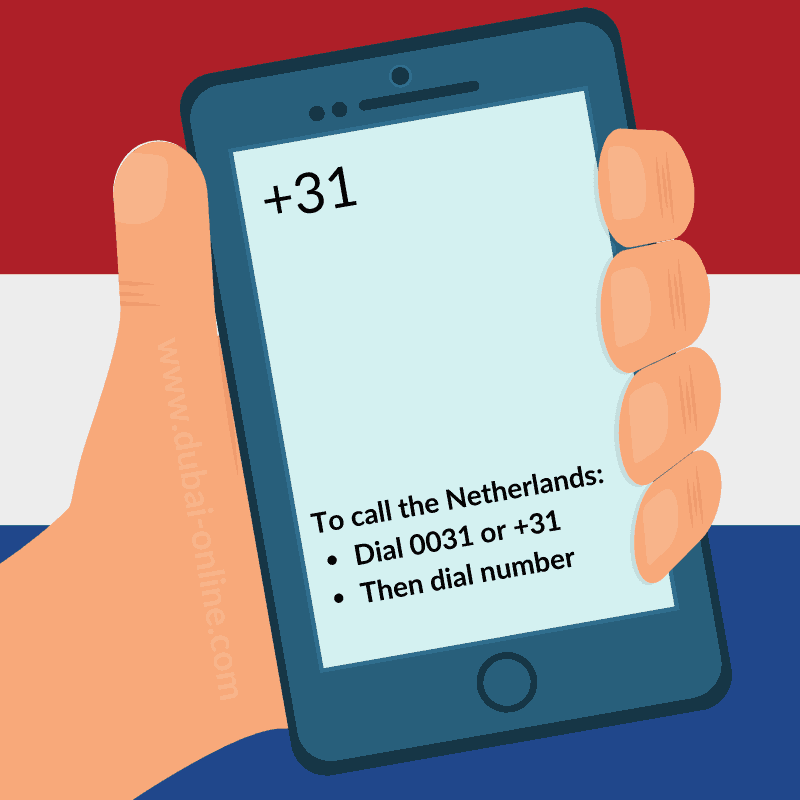
Understanding country code 31 requires looking beyond a simple phone prefix; it involves exploring the International Telecommunication Union (ITU) standards, the architecture of modern digital switching, and the Dutch role in the global tech ecosystem.
Understanding Country Code 31: The Gateway to the Netherlands
At its most basic level, +31 is the international dialing prefix assigned to the Netherlands. However, in the realm of technology and telecommunications, this prefix is governed by a complex set of protocols that ensure seamless interoperability between different national networks.
The ITU and the E.164 Standard
The assignment of country code 31 is managed by the International Telecommunication Union (ITU), a specialized agency of the United Nations responsible for matters related to information and communication technologies. Specifically, the number 31 falls under the E.164 recommendation.
E.164 is the international numbering plan that defines the structure of telephone numbers to ensure they can be routed correctly across the global Public Switched Telephone Network (PSTN) and modern IP-based networks. Under this tech standard, a Dutch number is composed of the country code (31), an area code (usually two or three digits), and a subscriber number. For tech professionals, understanding E.164 is vital for configuring international gateways and ensuring that software applications can parse and validate phone numbers correctly for global users.
Geographic vs. Non-Geographic Numbers
Within the +31 framework, the Dutch telecommunications authority (ACM) distinguishes between geographic and non-geographic numbers. Geographic numbers are tied to specific physical locations, such as Amsterdam (20) or Rotterdam (10).
From a tech perspective, the rise of non-geographic numbers (such as 085 or 088 prefixes) has been driven by the transition to cloud-based communications. These numbers allow Dutch companies to maintain a unified digital identity across the country without being tethered to a physical exchange. This flexibility is a hallmark of the Netherlands’ forward-thinking approach to digital infrastructure.
The Evolution of Telecommunications Technology in the Netherlands
The Netherlands has consistently ranked at the top of global indices for digital readiness and internet speeds. The country code 31 represents a network that has transitioned from traditional copper-based telephony to a cutting-edge, fiber-optic-dominated landscape.
From Analog to Fiber Optics
The evolution of the Dutch telecom network is a masterclass in infrastructure scaling. While many nations struggled with the “last mile” of fiber connectivity, the Netherlands aggressively pursued Fiber to the Home (FTTH) and Fiber to the Office (FTTO) initiatives. This high-density fiber coverage ensures that when a call or data packet is routed to country code 31, it travels over a network capable of ultra-low latency.
For developers and IT architects, this means that services hosted in the Netherlands or targeting Dutch users benefit from some of the most stable “pings” in Europe. The transition from the old analog exchanges to digital softswitches has allowed the Netherlands to phase out legacy hardware in favor of software-defined networking (SDN).
The 5G Revolution in the Dutch Tech Landscape
The Netherlands was among the pioneers in Europe to auction 5G spectrum, specifically focusing on the 700 MHz, 3.5 GHz, and 26 GHz bands. The integration of 5G into the +31 network infrastructure has enabled a surge in Internet of Things (IoT) applications.
In the tech sector, this has facilitated “Smart City” initiatives in Amsterdam and Eindhoven, where millions of sensors utilize the mobile network to manage everything from traffic flow to energy consumption. The country code is no longer just for voice; it is the prefix for a massive grid of connected devices and autonomous systems.
Digital Connectivity and VoIP: How +31 Operates in the Modern Era
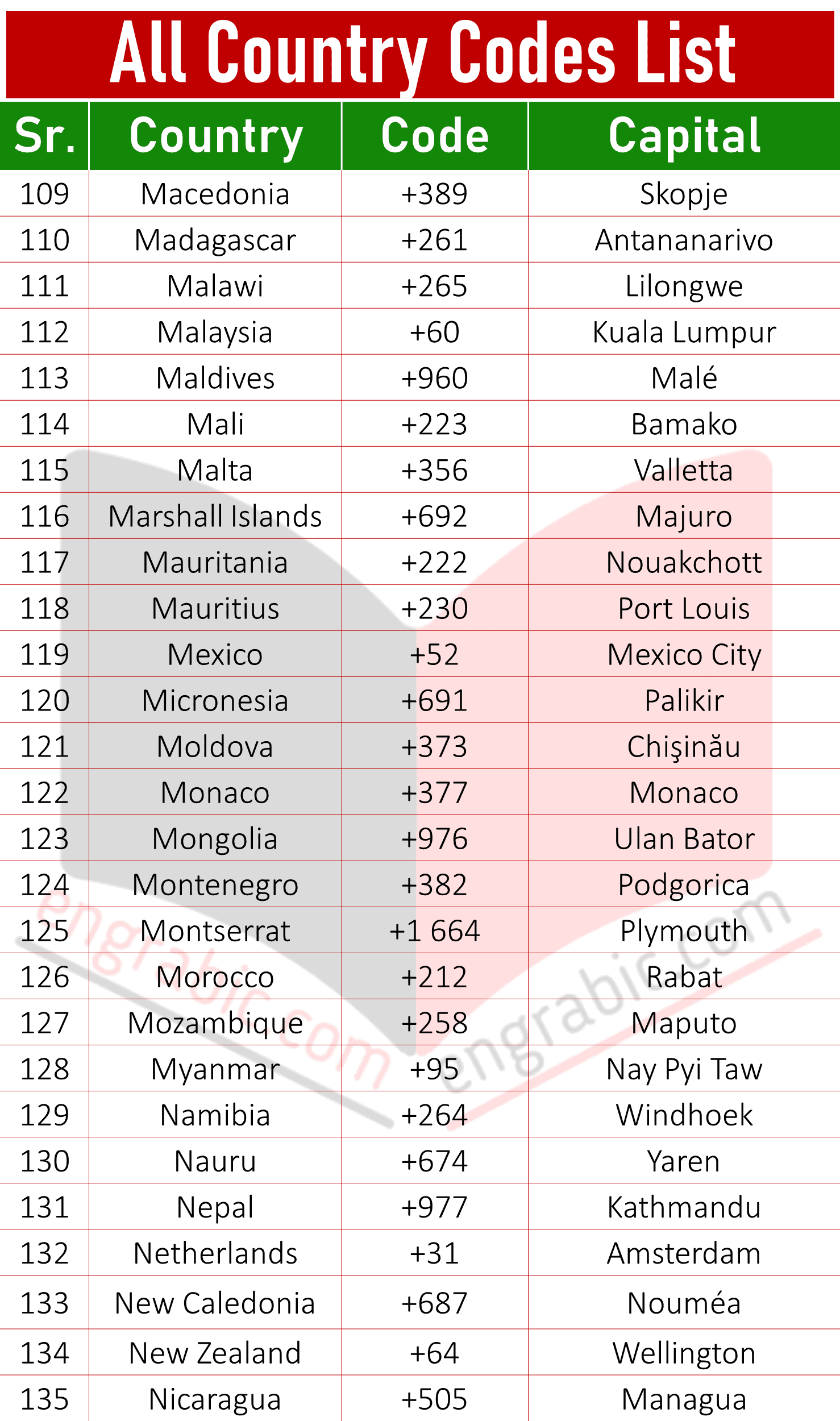
In the age of remote work and digital nomadism, the physical location associated with a country code has become increasingly decoupled from the hardware. Country code 31 is a popular choice for international businesses due to the Netherlands’ reputation for tech reliability.
SIP Trunking and Virtual Presence
Session Initiation Protocol (SIP) trunking has revolutionized how we use country code 31. Through SIP, a tech startup based in Silicon Valley or Singapore can provision a +31 number, allowing them to establish a local digital presence in the Dutch market without opening a physical office.
This virtualization is handled by cloud PBX (Private Branch Exchange) providers who route “31” numbers over the internet. This technology relies on high-quality codecs (like G.711 or G.722) to ensure that voice data packets remain clear and synchronized, even when traveling across trans-Atlantic submarine cables. The Netherlands serves as a primary landing point for many of these cables, making it a “low-hop” destination for global data.
Security Protocols in International Dialing
As communication becomes more digital, security is paramount. When dealing with international codes like +31, modern telecom tech employs several layers of security:
- STIR/SHAKEN: These protocols (Secure Telephone Identity Revisited and Signature-based Handling of Asserted information using toKENS) are being increasingly integrated to prevent “spoofing,” where hackers disguise their caller ID as a local +31 number.
- TLS Encryption: For VoIP calls entering or leaving the Netherlands, Transport Layer Security (TLS) ensures that the signaling remains private.
- SRTP: Secure Real-time Transport Protocol (SRTP) encrypts the actual voice data, protecting against eavesdropping in sensitive corporate environments.
The Netherlands as a European Tech Hub
The reason country code 31 is so prevalent in the tech world is largely due to the Netherlands’ status as a “digital gateway.” The infrastructure supporting this code is some of the most robust on the planet.
The Amsterdam Internet Exchange (AMS-IX)
One cannot discuss Dutch connectivity without mentioning AMS-IX. Established in the early 1990s, it is one of the world’s largest Internet Exchange Points (IXPs). While a phone call to +31 might seem simple, the data often passes through or near this massive hub.
AMS-IX allows different Internet Service Providers (ISPs) and tech giants (like Google, Netflix, and Microsoft) to exchange traffic directly. This high-speed peering environment ensures that the Dutch digital ecosystem remains resilient and incredibly fast, supporting the high-bandwidth requirements of modern software-as-a-service (SaaS) platforms.
Data Centers and Cloud Infrastructure
The Netherlands, particularly the Amsterdam area, is part of the “FLAP” markets (Frankfurt, London, Amsterdam, Paris), which represent the core data center hubs of Europe. Because of this, country code 31 is often the “local” identifier for some of the world’s most advanced cloud regions.
Hyper-scalers choose the Netherlands for its political stability, renewable energy options, and, most importantly, its connectivity. This concentration of data centers means that businesses utilizing Dutch numbers are often working on the same high-speed backbones that power the global cloud.
Best Practices for Navigating International Communications
For tech-savvy users and businesses, interacting with country code 31 involves more than just dialing the digits. It requires an understanding of modern mobile tools and security practices.
Managing International Roaming and Digital eSIMs
With the rise of eSIM technology, getting a +31 number has never been easier for travelers or international developers. Apps like Airalo or Holafly, as well as local Dutch providers like KPN or VodafoneZiggo, allow users to download a digital SIM profile. This tech eliminates the need for physical chips and allows users to toggle between their home country code and +31 instantly. This is a significant trend in the “Gadgets and Apps” space, simplifying global mobility for the tech workforce.
Cybersecurity and Fraud Prevention in Cross-Border Calls
Despite the advanced tech, users of any international code must remain vigilant. “Wangiri” fraud (one-ring scams) and SMS phishing (Smishing) often use international prefixes to trick users.
From a digital security standpoint, it is essential to use apps that offer verified caller ID and to never share sensitive data over an unverified +31 call. For businesses, implementing AI-driven fraud detection systems can help monitor traffic patterns to +31 and other codes, identifying and blocking robotic dialers or malicious actors before they reach the end-user.
Conclusion
Country code 31 is far more than a simple numerical identifier for the Netherlands. In the tech industry, it represents a sophisticated intersection of ITU standards, world-class fiber-optic infrastructure, and the high-speed connectivity of the Amsterdam Internet Exchange. Whether it is through the deployment of 5G, the virtualization of numbers via SIP trunking, or the secure routing of data in cloud-heavy environments, the +31 prefix remains a symbol of digital excellence. As telecommunications continue to evolve toward a software-defined future, the Netherlands’ infrastructure will undoubtedly continue to set the standard for global connectivity.
aViewFromTheCave is a participant in the Amazon Services LLC Associates Program, an affiliate advertising program designed to provide a means for sites to earn advertising fees by advertising and linking to Amazon.com. Amazon, the Amazon logo, AmazonSupply, and the AmazonSupply logo are trademarks of Amazon.com, Inc. or its affiliates. As an Amazon Associate we earn affiliate commissions from qualifying purchases.