
In the landscape of American consumer goods, few terms evoke as much sensory recognition as “char-broiled.” While the term technically refers to a method of cooking over a grate using charcoal or gas to achieve specific searing and flavor profiles, in the world of corporate identity and market positioning, it represents something far more significant. For over seven decades, the brand Char-Broil has managed to do what few companies achieve: they have effectively commoditized a cooking technique and turned it into a dominant brand identity.
To understand “what is Char-Broil,” one must look beyond the stainless steel hoods and cast-iron grates. It is a case study in brand resilience, mid-market dominance, and the strategic evolution of a legacy company in an increasingly digital and outdoor-living-focused economy. This article explores the brand strategy, market positioning, and innovative pillars that have allowed Char-Broil to remain a household name.
The Genesis of an Identity: Defining the Char-Broil Brand
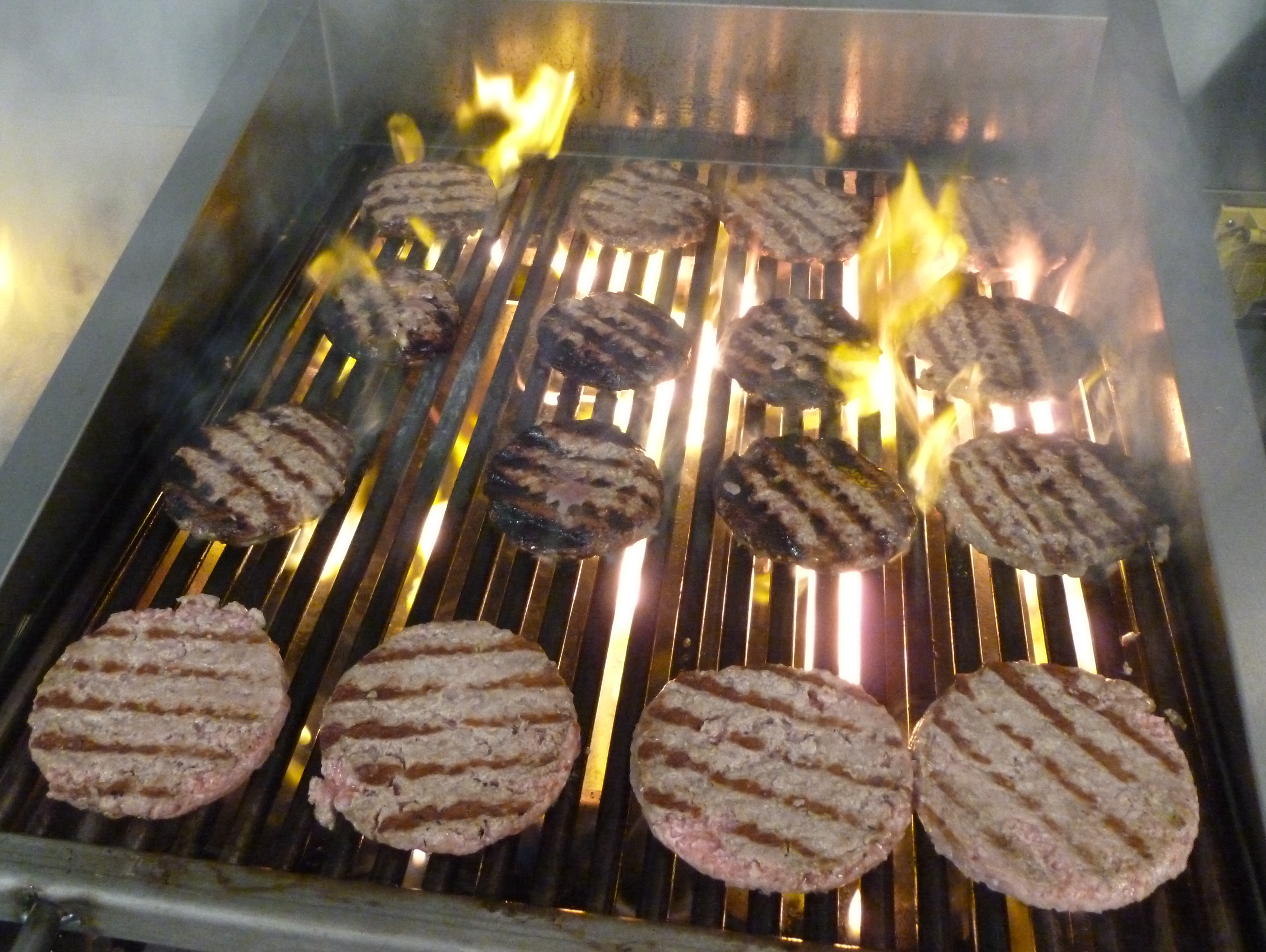
The foundation of any great brand is its origin story, and Char-Broil’s narrative is inextricably linked to the democratization of the American backyard. Belonging to the W.C. Bradley Co. family, Char-Broil introduced one of the first charcoal grills to the market in 1948. At that time, outdoor cooking was a rudimentary affair. Char-Broil’s brand strategy was simple but revolutionary: bring the professional “char-broiled” flavor of high-end steakhouses to the suburban patio.
From Foundry to Front Yard: The Historical Foundation
The brand’s identity was forged in the post-war era of American expansion. By identifying a gap in the market for affordable, mass-produced outdoor cooking appliances, Char-Broil positioned itself as an “enabler” of the middle-class lifestyle. Their strategy focused on reliability and accessibility. They weren’t just selling a metal box; they were selling the “Sunday Afternoon”—a concept of family, leisure, and culinary success. This emotional connection became the bedrock of their corporate identity.
The Semantic Power of “Char-Broiled”
From a branding perspective, the name “Char-Broil” is a masterstroke of descriptive naming. It tells the consumer exactly what the product does while claiming ownership over the results. In marketing, “verb-ing” a brand or owning a specific culinary result creates a powerful cognitive shortcut. When consumers think of that specific smoky, seared finish on a meal, the brand name serves as a psychological bridge to the purchase decision.
Market Positioning and Competitive Differentiation
In the competitive landscape of the outdoor living industry, brands typically fall into two categories: high-end luxury (such as Lynx or Viking) and budget-entry brands. Char-Broil has masterfully occupied the “Value-Innovation” quadrant. Their brand strategy is built on providing “premium features at a non-premium price point.”
The Performance-to-Value Ratio Strategy
Char-Broil’s market positioning is defined by the performance-to-value ratio. While competitors might focus on heavy-gauge steel or lifetime warranties that drive prices into the thousands, Char-Broil focuses on the “everyday griller.” Their brand message communicates that professional-grade results should not require a professional-grade salary. This positioning has allowed them to dominate big-box retail channels like Lowe’s, Home Depot, and Walmart, where the bulk of American consumer spending occurs.
Challenging the Premium Sector: Char-Broil vs. Weber
One cannot discuss Char-Broil’s brand strategy without mentioning its primary rival, Weber. While Weber positions itself as the “heritage” and “enthusiast” brand with a higher price floor, Char-Broil positions itself as the “innovator for the masses.” By frequently introducing new technologies—such as electric ignition and infrared cooking—at prices 30-40% lower than Weber’s comparable models, Char-Broil captures the pragmatic consumer who seeks functionality over brand prestige.
Product Innovation as a Brand Pillar
For a brand to maintain its “value-innovator” status, it must consistently deliver tangible technological advantages. Char-Broil has used R&D not just for product improvement, but as a core component of its marketing communication.
The TRU-Infrared Revolution
The most significant shift in Char-Broil’s modern brand identity was the introduction of TRU-Infrared™ cooking technology. By incorporating a patented system that converts hot air into infrared heat, the brand solved the number one complaint of backyard cooks: flare-ups and uneven heating.

From a brand strategy lens, TRU-Infrared became a “Reason to Believe” (RTB). It moved the conversation away from price and toward a proprietary benefit that competitors couldn’t easily replicate. This technology allowed Char-Broil to elevate its brand perception, moving from a “budget” option to a “smart” option.
Simplifying the User Experience (UX)
Char-Broil’s design philosophy centers on the User Experience. Brand loyalty in the appliance space is often dictated by ease of use. Char-Broil’s strategy involves simplifying the assembly process, streamlining the cleaning process, and integrating “idiot-proof” features. By reducing the “barrier to entry” for outdoor cooking, they expand their total addressable market to include novices who might be intimidated by traditional charcoal or complex smokers.
Visual Identity and Omnichannel Marketing
A brand is more than its logo; it is the sum of every touchpoint a consumer has with the company. Char-Broil has undergone significant visual modernization to stay relevant in a digital-first world.
Modernizing a Legacy Aesthetic
In recent years, Char-Broil’s visual identity has shifted from industrial and rugged to sleek and lifestyle-oriented. Their packaging and digital assets now emphasize the result—the perfectly cooked meal—rather than just the machine. The use of high-contrast photography, clean typography, and a “modern-industrial” aesthetic helps the brand appeal to younger homeowners and the “millennial griller” demographic.
Community Building through Content and Digital Touchpoints
Char-Broil’s marketing strategy has evolved from traditional television and print ads to a robust content marketing engine. By providing recipes, “how-to” videos, and maintenance guides, they transition from a one-time hardware seller to a long-term culinary partner.
This “inbound” marketing strategy serves two purposes:
- SEO Dominance: By owning keywords related to “how to grill,” they capture consumers at the top of the funnel.
- Brand Advocacy: By helping a consumer succeed in their first cook, they build the emotional equity necessary for brand loyalty and word-of-mouth referrals.
The Future of the Brand: Sustainability and Smart Integration
As we look toward the next decade, the Char-Broil brand faces new challenges: the rise of smart home technology and an increasing corporate focus on sustainability.
The “Smart Grill” Evolution
The brand is currently navigating the transition into the Internet of Things (IoT). By integrating Bluetooth and Wi-Fi monitoring into their units, Char-Broil is positioning itself for a tech-savvy generation. However, their strategy remains consistent: make the technology accessible. Unlike luxury brands that use “smart” features to justify $4,000 price tags, Char-Broil’s goal is to make smart grilling the new standard for the average backyard.
Corporate Social Responsibility (CSR)
Modern brand strategy requires a stance on environmental impact. Char-Broil has begun focusing on the efficiency of their burners and the longevity of their products to reduce waste. Furthermore, as part of the W.C. Bradley Co., their corporate identity is increasingly tied to ethical sourcing and community involvement. For a brand that is essentially about “the home,” showing a commitment to the global home (the environment) is a logical and necessary brand extension.
Conclusion: The Endurance of the Char-Broil Promise
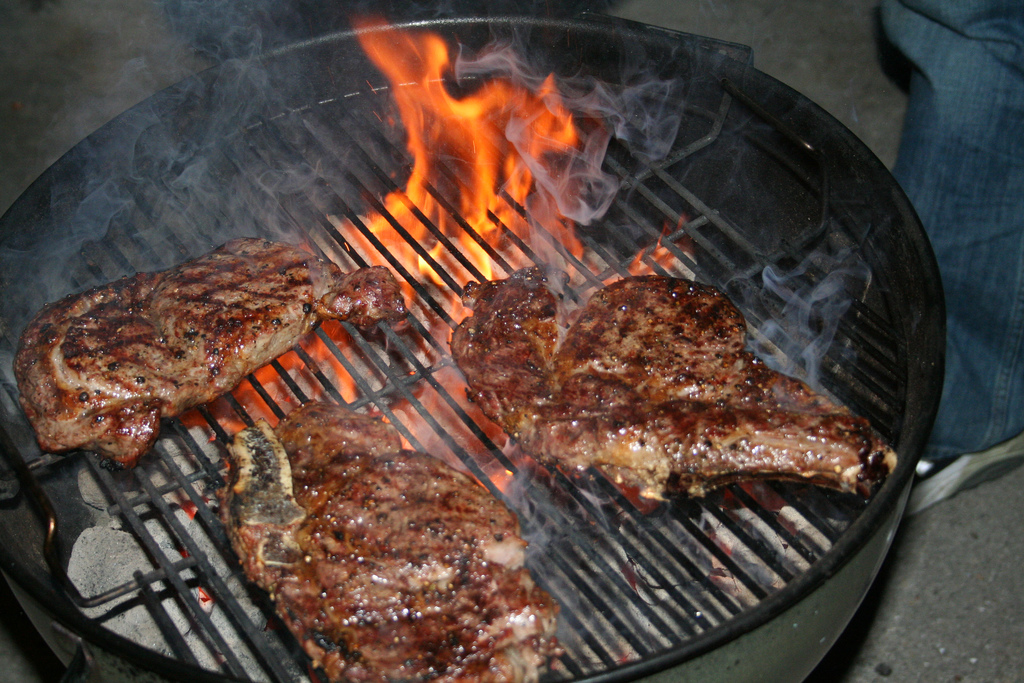
What is Char-Broil? It is more than a manufacturer of grills; it is a masterclass in mid-market brand strategy. By successfully claiming ownership of a cooking method and consistently delivering on a promise of “attainable excellence,” Char-Broil has secured its place in the American cultural fabric.
Their success offers three vital lessons for any brand strategist:
- Own the Category: By naming themselves after the result consumers desired, they became synonymous with the experience.
- Innovate for the Masses: Innovation isn’t just for the luxury tier. Bringing high-end technology to the middle market is a powerful growth engine.
- Focus on the Outcome: People don’t buy grills; they buy the ability to host a perfect dinner. By focusing on the “char-broiled” result, the brand remains eternally relevant.
As the outdoor living market continues to expand, Char-Broil’s ability to balance its legacy identity with modern technological demands will determine its path. For now, it remains the gold standard for how a legacy brand can stay fresh, functional, and fiercely competitive.
aViewFromTheCave is a participant in the Amazon Services LLC Associates Program, an affiliate advertising program designed to provide a means for sites to earn advertising fees by advertising and linking to Amazon.com. Amazon, the Amazon logo, AmazonSupply, and the AmazonSupply logo are trademarks of Amazon.com, Inc. or its affiliates. As an Amazon Associate we earn affiliate commissions from qualifying purchases.