
When examining the cultural phenomenon of The Book of Mormon musical, most audiences focus on the tap-dancing missionaries or the irreverent humor of creators Trey Parker and Matt Stone. However, from a professional brand strategy perspective, the musical is far more than a stage play; it is a masterclass in brand disruption, intellectual property positioning, and strategic identity management. To understand what The Book of Mormon musical is “about,” one must look past the libretto and analyze the sophisticated branding mechanics that have allowed it to remain a dominant market force on Broadway and beyond for over a decade.
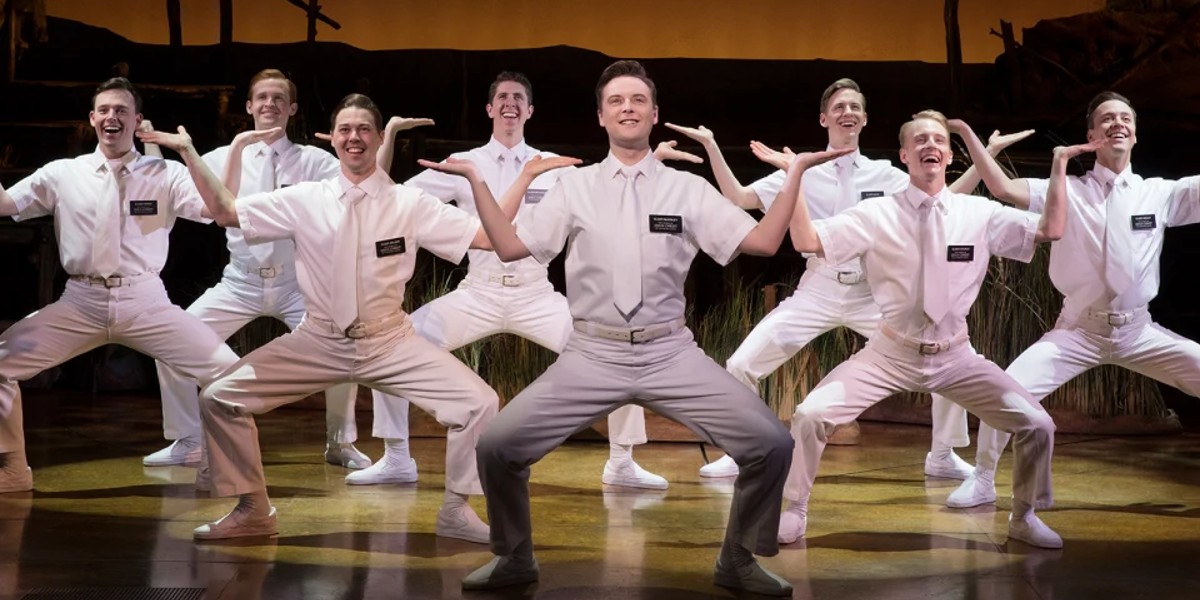
At its core, the musical is an exploration of “Brand Subversion”—taking a well-known, highly conservative institutional identity and refracting it through the lens of modern, secular entertainment. This article analyzes how the production utilized specific brand strategies to capture global market share and how its “competitor,” the Church of Jesus Christ of Latter-day Saints (LDS), executed one of the most successful brand pivots in modern history in response.
The Alchemy of Creative Branding: Subverting Institutional Identity
The primary brand strength of The Book of Mormon lies in its “Creative Provenance.” Before a single ticket was sold, the production benefited from the massive brand equity of its creators, Trey Parker and Matt Stone (of South Park fame), and Robert Lopez (of Avenue Q and later Frozen).
Leveraging Established Brand Equity
The “Parker-Stone” brand carries a specific promise to the consumer: high-quality satire, unapologetic vulgarity, and a surprising amount of heart. By applying this established brand voice to the specific iconography of the LDS Church, the musical created a “Contrast Brand.” This occurs when a product takes a familiar, often “stiff” corporate or religious identity and recontextualizes it. The brand of the musical is built on the friction between the clean-cut, polite image of the “Elder” and the chaotic, gritty reality of the world they are sent to “convert.”
The Aesthetic of Authenticity vs. Absurdity
From a design and marketing standpoint, the musical’s visual brand is intentionally minimalist. The white short-sleeved shirt and black name tag are not just costumes; they are powerful brand assets. By adopting the exact visual language of the LDS missionary, the production achieved immediate brand recognition. The marketing strategy relied on this visual shorthand to signal to the audience exactly what was being satirized, allowing the “product” to sell itself through visual irony alone.
Case Study in Crisis Management: The LDS Church’s Brand Response
What makes The Book of Mormon musical a unique study in branding is the real-world reaction of the organization it parodies. When a brand faces a “reputational threat”—especially one as high-profile as a Broadway smash hit—the standard corporate response is often litigation or public condemnation. The LDS Church, however, chose a revolutionary “Inbound Marketing” approach.
From Antagonism to Integration: The “I’m a Mormon” Campaign
Instead of fighting the musical, the LDS Church recognized that the production was providing them with millions of dollars in free brand awareness. They executed a strategic pivot: if the public was going to be talking about Mormons, the Church would provide the “Official Brand Story” alongside the parody.
This led to the “I’m a Mormon” campaign, which focused on humanizing the members of the church. They leaned into the “polite and kind” brand image that the musical mocked, essentially saying, “You’ve seen the show, now meet the real people.” This is a classic example of “Judo Marketing”—using the opponent’s momentum to achieve your own strategic goals.

The Power of Proximity Marketing in Playbills
Perhaps the most brilliant brand move was the Church’s decision to buy advertising space in the playbills of the musical itself. Audience members would sit down to watch a satire of the religion and find an ad reading, “The book is always better,” featuring a QR code to order a free Book of Mormon. This redirected the “leads” generated by the musical back into the Church’s conversion funnel. It turned a potential brand crisis into a highly targeted lead-generation opportunity.
Maintaining Brand Consistency Across Global Markets
As The Book of Mormon expanded from New York to London, Melbourne, and beyond, it faced the challenge of “Global Brand Localization.” A brand rooted in a specific American religious context needed to remain relevant to audiences who might have zero first-hand experience with the LDS Church.
Localizing Humor Without Diluting the Core Message
The “product” of the musical is its humor, but humor is notoriously difficult to export. The brand strategy for the international tours involved subtle shifts in cultural references while maintaining the “Core Brand Values”: the universal themes of friendship, the absurdity of dogma, and the resilience of the human spirit. By focusing on these universalities, the brand remained “sticky” in diverse markets, proving that a well-defined brand narrative can transcend local cultural barriers.
Visual Identity and Minimalist Recognition
The yellow-background logo featuring a jumping missionary became a global icon. In brand theory, “distinctive brand assets” are elements that help consumers identify the brand without seeing the name. Much like the Nike Swoosh or the Apple logo, the silhouette of the missionary became synonymous with a specific type of premium entertainment experience. This consistency ensured that whether a consumer was in London’s West End or on a US National Tour, the “Brand Promise” remained identical.
The Longevity of Disruptive Brands in the Digital Age
Most “viral” brands have a short shelf life. However, The Book of Mormon has maintained its “Market Leader” status for over a decade. This longevity is the result of careful management of the “Hype Cycle” and a deep understanding of the “Value Proposition.”
Word-of-Mouth as a Scalable Marketing Engine
The musical relies heavily on “Earned Media.” Because the content is provocative, it generates constant social conversation. In the digital age, a brand that can spark debate is a brand that stays relevant. The “what” of the musical—its shocking lyrics and subversive plot—serves as a permanent engine for word-of-mouth marketing. It positions itself as a “must-see” cultural milestone, a “bucket list” item for the modern theater-goer.
Lessons for Modern Corporate Branding
What can corporate brands learn from this musical?
- Embrace the Parody: If your brand is being mocked, look for the underlying truth in the satire and use it to humanize your identity.
- Lean into Friction: Some of the strongest brands are built on the tension between two opposing ideas.
- Consistency is King: Despite the chaotic nature of the show’s content, the “delivery” of the brand—from the quality of the orchestra to the precision of the choreography—is flawless, ensuring high “Brand Trust.”
Conclusion: The Enduring Brand of Modern Satire
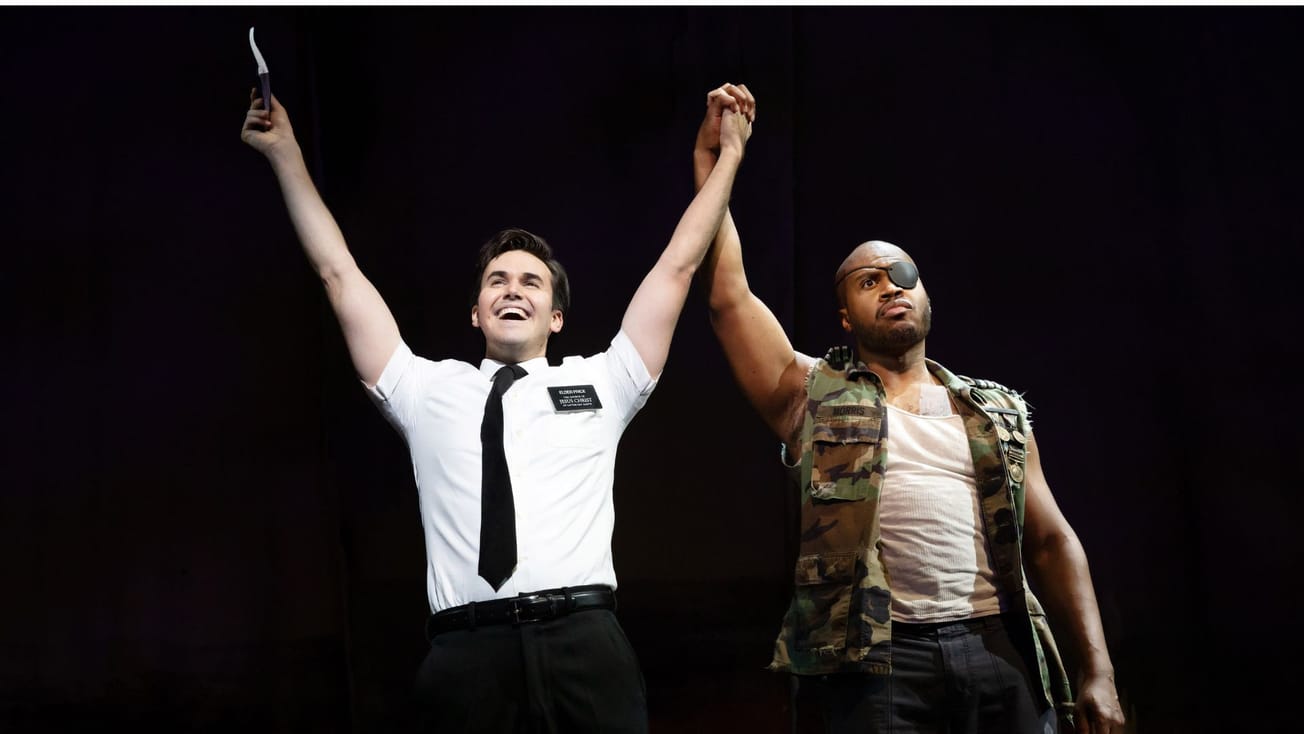
In conclusion, when asking “what is The Book of Mormon musical about,” the answer depends on your perspective. To the theater-goer, it is a hilarious comedy. But to the brand strategist, it is a sophisticated study in market disruption and identity management.
It is about the power of a “Disruptive Narrative” to capture the public imagination. It is about how a legacy brand (the LDS Church) can survive and even thrive by embracing a “Radical Transparency” strategy in the face of mockery. Ultimately, the musical proves that in the modern attention economy, the most valuable asset a brand can have is the ability to tell a story that is so compelling, so controversial, and so well-executed that it becomes a permanent part of the cultural zeitgeist. By mastering the art of the “Brand Pivot” and maintaining a relentless commitment to its “Core Creative Vision,” The Book of Mormon has secured its place as a gold standard for how to build, maintain, and defend a world-class brand.
aViewFromTheCave is a participant in the Amazon Services LLC Associates Program, an affiliate advertising program designed to provide a means for sites to earn advertising fees by advertising and linking to Amazon.com. Amazon, the Amazon logo, AmazonSupply, and the AmazonSupply logo are trademarks of Amazon.com, Inc. or its affiliates. As an Amazon Associate we earn affiliate commissions from qualifying purchases.