
In the world of automotive technology, few phenomena are as fundamental to vehicle dynamics as body roll. To the casual driver, body roll is that unsettling sensation of leaning outward when taking a sharp corner. To an automotive engineer, however, it represents a complex interplay of physics, kinematics, and sensor-driven technology. As we transition into an era of high-performance electric vehicles (EVs) and autonomous driving systems, understanding and managing body roll has become a primary focus for tech-driven manufacturers aiming to harmonize comfort with safety.
The Mechanics of Motion: Understanding the Physics of Body Roll
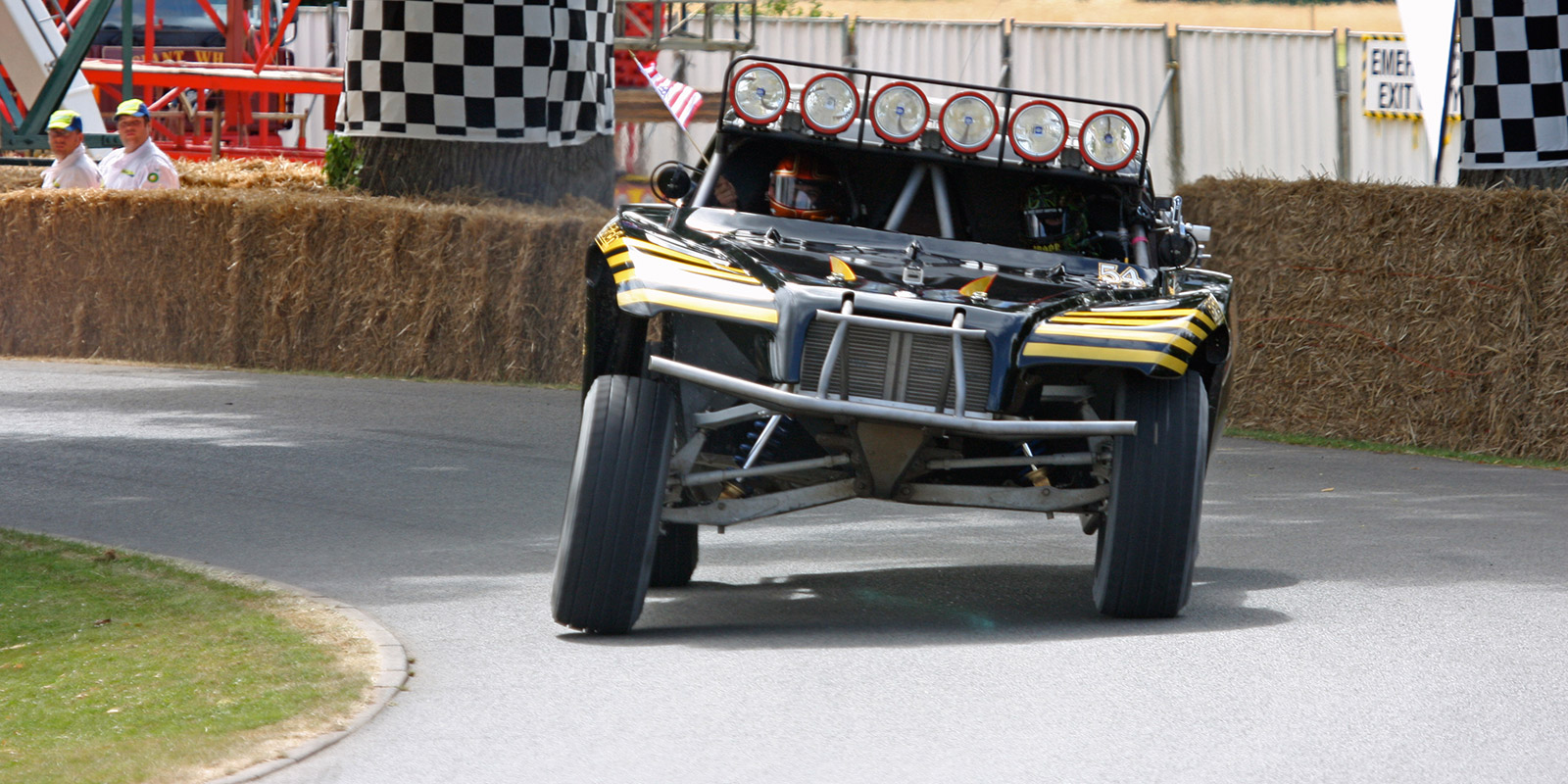
At its core, body roll is a byproduct of centrifugal force acting upon a vehicle’s center of gravity. When a car enters a turn, the inertia of the vehicle’s mass wants to continue in a straight line. As the tires grip the road and force the chassis to change direction, the weight of the car shifts toward the outside of the curve.
The Role of the Center of Gravity
The intensity of body roll is dictates by a vehicle’s Center of Gravity (CoG). Tech-heavy SUVs, which sit high off the ground, naturally experience more body roll because their CoG is further from the roll center—the theoretical point around which the chassis pivots. Conversely, sports cars are engineered with a low-slung architecture to minimize this leverage. In modern automotive tech, the “Skateboard” platform used by electric vehicles, which places heavy battery packs at the lowest point of the chassis, has revolutionized how engineers manage this physical constraint.
Lateral Acceleration and Weight Transfer
When a car leans, it undergoes lateral weight transfer. This isn’t just a comfort issue; it’s a data-processing challenge for modern traction control systems. Excessive roll can lift the inner wheels, reducing the “contact patch” (the area of the tire touching the road). Modern telematics and onboard sensors now measure this lateral acceleration in real-time, allowing the vehicle’s software to adjust braking and power delivery to compensate for the shifting weight distribution.
Technological Solutions: From Passive Hardware to Active Suspension
Historically, body roll was managed through purely mechanical means. However, the integration of advanced software and hydraulics has transformed suspension from a static component into an intelligent, reactive system.
Anti-Roll Bars and Torsion Tech
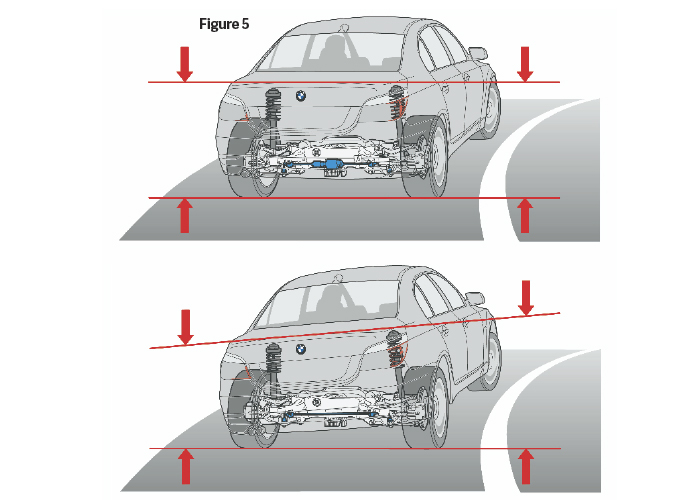
The most common mechanical solution is the anti-roll bar (or sway bar). This is a metal rod that connects the left and right wheels of an axle. When the car leans, the bar twists, applying a counter-force to keep the chassis level. While effective, traditional bars are a compromise; a bar stiff enough to stop body roll in a corner can make the ride uncomfortably harsh on bumpy straightaways. Tech enthusiasts now look toward “active” anti-roll bars, which use electric motors to decouple the bar when driving straight and stiffen it instantly when sensors detect a turn.
Adaptive Dampers and Magnetic Ride Control
One of the most significant leaps in automotive tech is the development of Magnetorheological (MR) dampers. Instead of traditional oil-filled shocks, these dampers use a fluid infused with tiny magnetic particles. By applying an electromagnetic charge, the vehicle’s computer can change the viscosity of the fluid in milliseconds. This allows the car to be “soft” for cruising and “stiff” for cornering, virtually eliminating body roll without the need for a permanently stiff suspension. This tech is a staple in high-end performance brands, allowing a single vehicle to function as both a luxury cruiser and a track-ready machine.
Air Suspension and Active Leveling
Luxury tech-forward vehicles often utilize air springs instead of traditional steel coils. These systems use onboard compressors and sensors to monitor the ride height at each corner. When the system detects the body beginning to roll, it can rapidly increase air pressure in the outer bellows to prop the car up. Advanced iterations, such as Mercedes-Benz’s “E-Active Body Control,” can even lean the car into a corner (much like a motorcyclist), neutralizing the perceived centrifugal force for the passengers.
The Digital Brain: The Role of Sensors and AI in Vehicle Dynamics
In the modern automotive landscape, managing body roll is no longer just a mechanical task; it is a computational one. The synergy between hardware and software allows vehicles to “predict” body roll before it even happens.
Inertial Measurement Units (IMUs)
Modern cars are equipped with Inertial Measurement Units—sophisticated arrays of gyroscopes and accelerometers. These sensors provide high-frequency data (often sampled 1,000 times per second) to the Electronic Control Unit (ECU). The IMU detects the precise angle of roll, the rate of change, and the yaw of the vehicle. This data is the foundation of Electronic Stability Control (ESC), which uses the information to apply individual brakes or adjust engine torque to keep the vehicle stable during extreme maneuvers.
Predictive Chassis Control and LiDAR Integration
The cutting edge of automotive tech involves “seeing” the road before the tires hit it. Using stereo cameras or LiDAR (Light Detection and Ranging) sensors, the vehicle’s “brain” scans the topography of the road ahead. If the system detects a sharp curve or a series of undulations, it pre-arms the suspension system. By the time the vehicle begins to turn, the active stabilizers are already pressurized to counteract the expected body roll. This proactive approach represents the pinnacle of digital-to-analog integration in modern motoring.
The Impact of AI on Handling Algorithms
As Machine Learning (ML) becomes more integrated into automotive software, cars are beginning to learn from their environments. AI algorithms can analyze a driver’s style and the specific nuances of frequently traveled roads. If a driver consistently takes a specific highway on-ramp at a certain speed, the AI-driven chassis control can optimize the anti-roll settings specifically for that corner, balancing tire wear with passenger comfort.
Future Trends: Electrification and the Death of Body Roll
The transition to electric vehicles (EVs) is perhaps the most significant technological shift affecting vehicle dynamics in a century. The structural changes inherent in EV design provide engineers with new tools to combat body roll.
The Skateboard Architecture and Mass Centralization
In a traditional internal combustion engine (ICE) vehicle, the heavy engine and transmission are often mounted high or forward, creating a high polar moment of inertia. EVs, however, utilize a “skateboard” chassis where the battery pack—the heaviest component—is integrated into the floor. This tech inherently lowers the center of gravity, drastically reducing the natural tendency of the car to roll. This allows EV manufacturers to use softer, more comfortable suspension settings without sacrificing stability.
Torque Vectoring and Motor Control
EVs with dual or quad-motor setups offer a technological solution called “Torque Vectoring.” By precisely controlling the amount of torque sent to the outside wheels during a turn, the car can “pull” itself through a corner. This electronic manipulation of forces reduces the load on the suspension and minimizes the body’s desire to lean outward. It is a digital solution to a physical problem, allowing software to dictate the “feel” of the car’s handling.
Autonomous Systems and Passenger Comfort
In the future of fully autonomous driving, the tech focus shifts entirely from “driving feel” to “passenger wellness.” Body roll is a primary cause of motion sickness. As we move toward Level 4 and Level 5 autonomy, the “Tech” of body roll management will focus on “cabin stabilization.” We will likely see seats that pivot independently of the chassis and suspension systems designed to keep the cabin perfectly level regardless of the road’s curvature, ensuring that passengers can work or sleep without feeling the physical stresses of motion.

Conclusion: The Engineering Mastery of Equilibrium
Body roll is a fundamental challenge of physics, but through the lens of modern technology, it has become an opportunity for innovation. From the mechanical simplicity of a sway bar to the high-speed processing of AI-driven predictive suspension, the journey to eliminate body roll is a testament to how far automotive engineering has come.
As we look forward, the integration of sensors, software, and electrification will continue to redefine what we expect from a vehicle’s behavior. We are no longer at the mercy of centrifugal force; instead, we are entering an era where software-defined chassis can manipulate the laws of motion to provide a safer, smoother, and more precise driving experience. Whether it is through the low center of gravity in a new EV or the millisecond adjustments of a magnetic damper, the tech behind managing body roll ensures that the future of transportation is one of perfect balance.
aViewFromTheCave is a participant in the Amazon Services LLC Associates Program, an affiliate advertising program designed to provide a means for sites to earn advertising fees by advertising and linking to Amazon.com. Amazon, the Amazon logo, AmazonSupply, and the AmazonSupply logo are trademarks of Amazon.com, Inc. or its affiliates. As an Amazon Associate we earn affiliate commissions from qualifying purchases.