
In the modern landscape of digital commerce and electronic banking, the term “billing postal code” appears frequently, yet its critical role in personal finance and asset protection is often underestimated. Whether you are refueling your vehicle at an automated pump, subscribing to a new streaming service, or purchasing stocks through a fintech app, the request for your billing postal code is a standard security protocol.
At its core, a billing postal code is the specific series of letters and numbers associated with the mailing address on file with your financial institution. While it may seem like a minor administrative detail, it serves as a foundational pillar of the Address Verification System (AVS), a tool used by banks and credit card processors to prevent unauthorized transactions. Understanding the mechanics of the billing postal code is essential for any consumer looking to safeguard their financial identity and ensure a seamless experience in the global marketplace.

The Strategic Role of Billing Postal Codes in Personal Finance
To understand the billing postal code, one must first distinguish it from the more common “shipping address.” In the world of personal finance, your billing address is the official residence or location where your bank or credit card issuer sends your monthly statements. Consequently, the billing postal code is the specific geographic identifier for that location.
The Distinction Between Billing and Shipping Information
In many consumer transactions, the billing postal code and the shipping postal code are identical. However, for many individuals—such as students, frequent travelers, or those with multiple residences—these can differ significantly. From a financial perspective, the billing postal code is the “anchor.” While a package can be sent anywhere, the financial verification must always point back to the address registered with the card issuer. This distinction is vital because it ensures that even if a physical item is redirected, the financial responsibility and verification remain tethered to the account holder’s verified location.
How Banks Use Postal Codes to Verify Identity
Financial institutions treat the billing postal code as a “low-stakes” password. While it is not as secure as a PIN or a CVV (Card Verification Value), it provides an additional layer of verification that a fraudster may not immediately have. When you enter this code during a transaction, the merchant’s payment gateway sends a request to your bank to verify that the digits match their records. This process happens in milliseconds, serving as a silent gatekeeper for your money.
Enhancing Financial Security through Address Verification Systems (AVS)
The primary reason billing postal codes are required in non-face-to-face transactions is the implementation of the Address Verification System (AVS). AVS is one of the most widely used fraud prevention tools in the financial sector, designed specifically to detect suspicious activity in “card-not-present” (CNP) transactions.
The Mechanics of the AVS Process
When a consumer initiates a purchase, they provide their credit card number, expiration date, CVV, and billing postal code. The AVS system focuses exclusively on the numeric portions of the billing address. For example, if your address is 123 Main Street, Suite 4, and your postal code is 90210, the AVS checks “123,” “4,” and “90210” against the bank’s database. If the postal code does not match, the bank may return a “decline” or “partial match” code to the merchant, who then decides whether to proceed with the transaction.
Preventing Credit Card Fraud and Identity Theft
Fraudsters often obtain credit card numbers through data breaches or “skimming” devices, but they frequently lack the secondary details like the billing postal code. By requiring this code, financial systems create an additional barrier. For the consumer, this means that even if a card number is compromised, the thief may fail the AVS check at an automated terminal or online checkout. This simple five-to-seven-digit string acts as a shield, protecting the user’s credit limit and personal capital from being drained by unauthorized parties.
Practical Applications in Digital and Physical Commerce
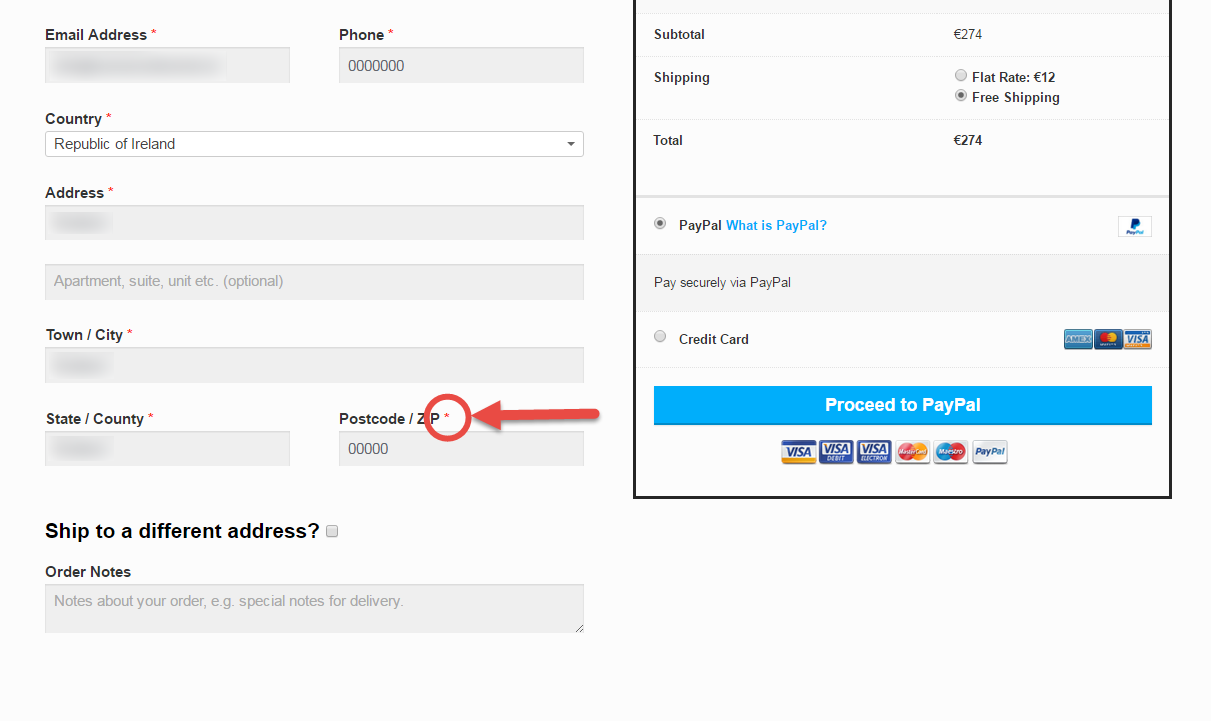
The billing postal code is ubiquitous, appearing in both the digital realm and at physical points of sale where automated technology is used. Its application varies depending on the nature of the transaction and the level of risk involved.
Online Shopping and Subscription Management
In the e-commerce sector, the billing postal code is a standard requirement for finalizing a “cart.” Beyond security, this code also plays a role in financial calculations such as sales tax. In jurisdictions like the United States, sales tax is determined by the destination and billing nexus. Furthermore, for recurring subscription services—such as insurance premiums or monthly investment contributions—the billing postal code ensures that the automated payment remains valid. If a user moves and fails to update their billing postal code with their bank, these recurring payments may fail, leading to service interruptions or late fees.
Using Billing Codes at Gas Stations and ATMs
One of the most common physical encounters with the billing postal code occurs at the gas pump. To prevent the use of stolen cards, many petroleum retailers require the entry of a ZIP or postal code before the pump is authorized. This is because gas stations are high-traffic areas where “card-not-present” logic is applied to physical transactions to mitigate the risk of lost or stolen cards being used rapidly. Similarly, some ATMs may request postal code verification during specific types of transactions or when using international cards, serving as a secondary check to confirm the user is the legitimate account holder.
Common Challenges and Troubleshooting for Consumers
Despite its benefits, the billing postal code system can sometimes create friction in the financial lives of consumers. Mismatches and errors can lead to declined transactions, which can be frustrating during urgent purchases.
Mismatched Data and Transaction Declines
The most common issue arises when a consumer moves to a new residence but forgets to update their address with their bank. When they attempt to use their new postal code at a checkout, the bank rejects it because it still has the old code on file. Interestingly, sometimes entering the old postal code will allow the transaction to go through, but this is a temporary fix. For optimal financial health and security, it is imperative to update billing information across all financial platforms immediately after a move.
International Travel and Global Postal Formats
For international travelers, billing postal codes can be a source of confusion. Not all countries use the same format; some use five digits, some use alphanumeric strings, and some use none at all. When an American traveler uses a card in the UK, or vice versa, the merchant’s system may struggle to interpret the postal code. In such cases, financial experts recommend contacting the card issuer before travel to understand how the AVS will handle international prompts. Some systems allow travelers to enter a series of zeros or a specific bypass code provided by their bank to facilitate global spending.
The Future of Transaction Verification in the Digital Economy
As we move toward a more digital-centric economy, the methods we use to verify financial transactions are evolving. While the billing postal code remains a staple, the financial industry is exploring more sophisticated ways to protect assets.
Moving Beyond the Postal Code: Biometrics and Tokenization
While the billing postal code is effective, it is not infallible. Sophisticated phishing attacks can sometimes trick users into revealing this information. Consequently, the financial sector is shifting toward multi-factor authentication (MFA) and biometrics. Fingerprint scans, facial recognition, and one-time passcodes (OTP) sent to mobile devices are becoming the new standard. These methods offer a higher level of security because they are tied to the physical person rather than just a piece of static data like a postal code.

Best Practices for Financial Organization
Even with the rise of new technologies, maintaining an accurate billing postal code is essential for financial organization. It ensures that your credit reports are accurate, as credit bureaus use your billing address to aggregate your financial history. To maintain a healthy financial profile, consumers should:
- Conduct a Semi-Annual Audit: Check all credit card and bank accounts to ensure the billing address and postal code are current.
- Use a Password Manager: Store your billing details securely so you can easily reference which address is tied to which card.
- Monitor Statements: Frequently review transactions for “AVS Mismatch” flags, which might indicate that someone is trying to guess your billing information.
In conclusion, the billing postal code is far more than a logistical necessity for mail delivery. It is a vital tool in the consumer’s financial arsenal, serving as a first line of defense against fraud and a key component in the complex machinery of global commerce. By understanding and managing this small piece of data, individuals can ensure their transactions remain secure, their accounts remain active, and their financial identities stay protected in an increasingly digital world.
aViewFromTheCave is a participant in the Amazon Services LLC Associates Program, an affiliate advertising program designed to provide a means for sites to earn advertising fees by advertising and linking to Amazon.com. Amazon, the Amazon logo, AmazonSupply, and the AmazonSupply logo are trademarks of Amazon.com, Inc. or its affiliates. As an Amazon Associate we earn affiliate commissions from qualifying purchases.