
In the world of personal finance and institutional investing, timing is often as critical as the assets themselves. For anyone looking to grow their wealth through the equity markets, the question “what time is the stock market open?” is the first step in a much larger journey of strategic financial planning. Understanding the rhythm of the market—when it wakes up, when it peaks, and when it rests—allows investors to manage liquidity, minimize volatility risks, and execute trades with precision.
This guide explores the standard operating hours of the major exchanges, the complexities of extended-hours trading, and how global market cycles impact your personal investment strategy.
Understanding Regular Trading Hours in the United States
For most retail investors in the United States, the “stock market” refers primarily to the New York Stock Exchange (NYSE) and the NASDAQ. These two giants dictate the flow of trillions of dollars and follow a standardized schedule that provides a window of high liquidity and price discovery.
The Standard Trading Session: 9:30 AM to 4:00 PM ET
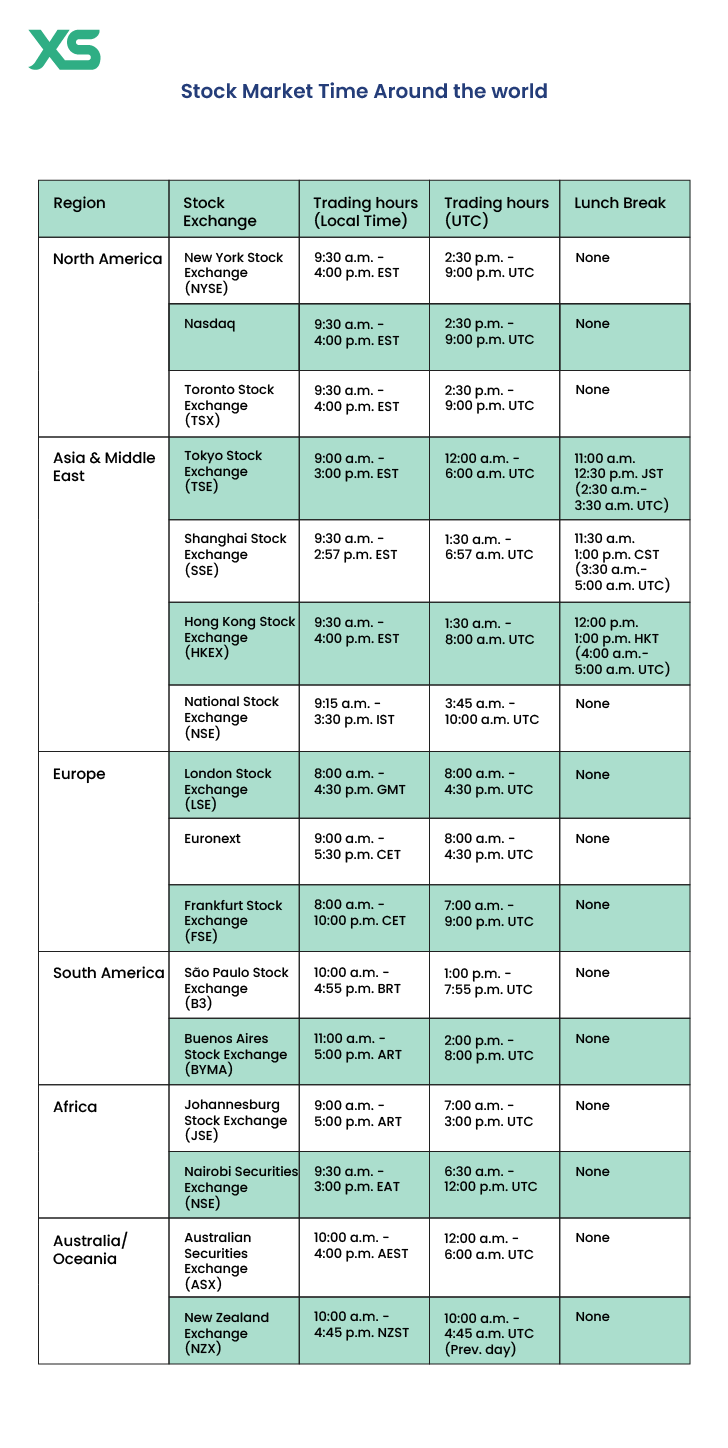
The core trading session for the NYSE and NASDAQ runs from 9:30 AM to 4:00 PM Eastern Time, Monday through Friday. Unlike many international markets, the U.S. stock market does not close for a lunch break. This continuous seven-and-a-half-hour window is when the vast majority of trading volume occurs.
The “Opening Bell” at 9:30 AM is more than just a ceremony; it represents the moment when the “opening auction” concludes, setting the initial price for thousands of stocks based on orders that accumulated overnight. Similarly, the “Closing Bell” at 4:00 PM triggers the closing auction, which is crucial for mutual funds and ETFs that need to calculate their Net Asset Value (NAV) based on the final prices of the day.
Why Standard Hours Matter for Retail Investors
For the average person managing a 401(k) or a brokerage account, trading during regular hours is generally recommended. This is because “liquidity”—the ease with which you can buy or sell a stock without significantly changing its price—is at its highest. During these hours, “bid-ask spreads” (the difference between what a buyer is willing to pay and what a seller is willing to accept) are typically narrowest.
If you attempt to trade outside of these hours, you may encounter “thin” markets where fewer participants are active. This can lead to price slippage, where you end up paying more or receiving less than the current market value simply because there weren’t enough buyers or sellers available at that specific moment.
Beyond the Bell: Pre-Market and After-Hours Trading
The digital age has fundamentally changed the concept of “closing time.” While the physical floor of the NYSE might quiet down, electronic communication networks (ECNs) allow trading to continue long after the traditional bell has rung. This is known as extended-hours trading.
How Extended Hours Trading Works
Most major brokerages now offer clients access to pre-market and after-hours sessions.
- Pre-Market Trading: Generally occurs between 4:00 AM and 9:30 AM ET.
- After-Hours Trading: Generally occurs between 4:00 PM and 8:00 PM ET.
These sessions are vital for reacting to news that happens outside of regular business hours. For instance, if a major tech company releases an earnings report at 4:15 PM, the stock price will often move violently during the after-hours session. Investors who wait until the following morning to trade may find that the “gap” in price has already occurred, missing out on potential gains or failing to mitigate losses.
Risks and Rewards of Trading Outside Regular Hours
While extended hours offer flexibility, they come with significant risks that any disciplined investor must consider. The primary concern is increased volatility. Because there are fewer participants, a single large sell order can send a stock price tumbling far more easily than it would during the day.
Furthermore, many brokerages only allow “limit orders” during extended hours. This means you must specify the exact price you are willing to accept. If the market moves away from your price, your order won’t be filled. For those focusing on long-term personal finance goals, the “noise” of after-hours trading is often something to be observed rather than acted upon, unless a major fundamental change in a company’s valuation has occurred.
Global Market Hours: Timing Your International Investments
In today’s interconnected economy, the U.S. market does not exist in a vacuum. A savvy investor understands that the “market” is a 24-hour global cycle. When the U.S. markets close, the torch is passed to Asia and then to Europe.
Major European and Asian Stock Exchanges
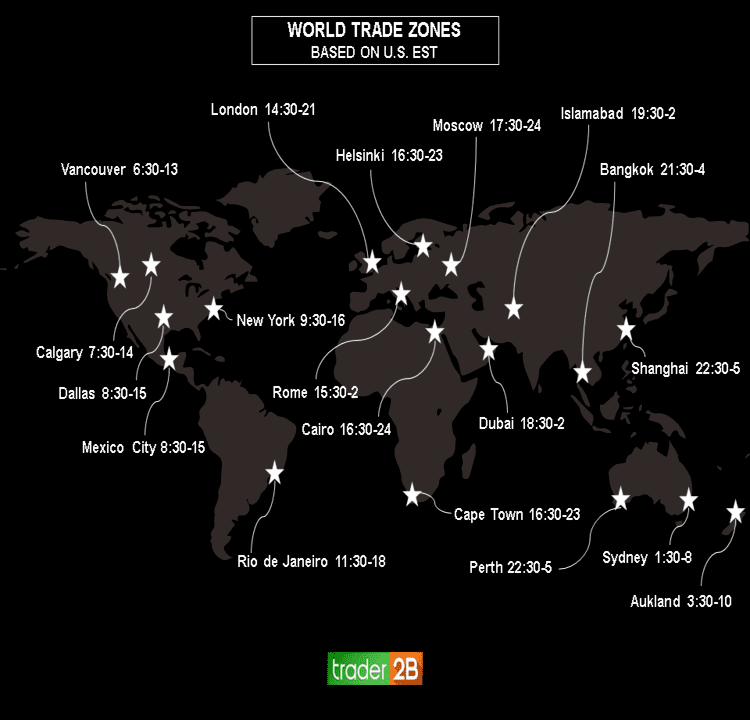
If you are diversifying your portfolio with international equities or ADRs (American Depositary Receipts), you must keep an eye on foreign exchange hours (converted to Eastern Time for consistency):
- Tokyo Stock Exchange (JPX): 7:00 PM – 1:00 AM ET (with a lunch break).
- Hong Kong Stock Exchange (HKEX): 8:30 PM – 3:00 AM ET (with a lunch break).
- London Stock Exchange (LSE): 3:00 AM – 11:30 AM ET.
- Euronext Paris: 3:00 AM – 11:30 AM ET.
Investing in these markets requires an understanding of different cultural and regulatory approaches to trading. For example, many Asian markets still utilize a midday break, a practice that has largely disappeared in Western markets.
The Concept of the “Golden Hour” and Overlapping Sessions
One of the most important times for global finance is the “overlap” between the London and New York markets, which typically occurs between 8:00 AM and 11:30 AM ET. During this window, the world’s two largest financial hubs are both active. This period often sees the highest volume of the day for currency (Forex) trading and significant price movement in large-cap multinational corporations. For an investor, this “Golden Hour” provides the most accurate reflection of global sentiment and is often the best time to execute large trades in international funds.
Stock Market Holidays and Early Closures
Just as a business has its operating hours, the stock market observes specific holidays where the “closed” sign is firmly in place. These breaks are essential for clearing houses to settle trades and for market participants to recalibrate.
Key Trading Holidays to Remember
In the United States, the NYSE and NASDAQ follow the federal holiday schedule, with a few exceptions. Common holidays when the market is closed include:
- New Year’s Day
- Martin Luther King, Jr. Day
- Presidents’ Day
- Good Friday (Note: This is a market holiday, though not a federal holiday)
- Memorial Day
- Juneteenth National Independence Day
- Independence Day
- Labor Day
- Thanksgiving Day
- Christmas Day
Planning Your Financial Strategy Around Market Breaks
It is also important to note “early closures.” On the day after Thanksgiving (Black Friday) and sometimes on Christmas Eve, the U.S. markets typically close early at 1:00 PM ET.
For someone managing their own business finance or a personal portfolio, these dates are crucial for liquidity planning. If you need to liquidate assets to cover a year-end tax payment or a business expense, waiting until the last Friday of December—only to find the market closed or closing early—could lead to unnecessary stress. Successful wealth management involves looking at the calendar months in advance to ensure your capital is accessible when the markets are open.
Maximizing Market Timing for Your Personal Finance Strategy
Knowing when the market opens is only the beginning; knowing how to use that time to your advantage is where true financial insight comes into play. Market behavior tends to follow predictable patterns throughout the day that can influence your buying and selling decisions.
The Impact of Opening and Closing Volatility
The first 30 minutes (9:30 AM – 10:00 AM) and the last 30 minutes (3:30 PM – 4:00 PM) of the trading day are often referred to as “the amateur hour” and “the professional hour,” respectively.
The market open is often characterized by high volatility as the market reacts to news that broke overnight. Professional traders often wait for this initial “dust to settle” before making significant moves. Conversely, the market close is when institutional investors—pension funds, hedge funds, and insurance companies—rebalance their portfolios. If you are a long-term “buy and hold” investor, executing trades during the relatively stable mid-day period (11:00 AM – 2:00 PM) can often protect you from the erratic price swings seen at the bells.
Tools and Platforms to Monitor Market Status
To stay on top of these hours, modern investors should utilize financial tools that offer real-time alerts. Most brokerage apps (like Fidelity, Schwab, or Vanguard) provide notifications for market openings, closings, and upcoming holidays. Additionally, using a “Market Clock” tool or a financial calendar can help you track global overlaps, ensuring you are never caught off guard by a foreign market closure that might affect your international ETFs.
In conclusion, understanding stock market hours is a fundamental pillar of financial literacy. Whether you are a side-hustler investing your extra income or a dedicated student of business finance, mastering the clock allows you to trade with confidence. By aligning your investment activities with the periods of highest liquidity and lowest volatility, you position yourself to make more rational, data-driven decisions that support your long-term wealth-building goals.
aViewFromTheCave is a participant in the Amazon Services LLC Associates Program, an affiliate advertising program designed to provide a means for sites to earn advertising fees by advertising and linking to Amazon.com. Amazon, the Amazon logo, AmazonSupply, and the AmazonSupply logo are trademarks of Amazon.com, Inc. or its affiliates. As an Amazon Associate we earn affiliate commissions from qualifying purchases.