
In the contemporary landscape of digital health, the “Absolute Granulocyte Count” (AGC) is no longer a metric confined to a paper report in a clinician’s folder. As we advance into an era defined by high-throughput screening, Artificial Intelligence (AI), and the Internet of Medical Things (IoMT), the AGC has become a critical data point within a complex technological ecosystem. To understand what an absolute granulocyte count is today, one must look beyond the biological definition and examine the sophisticated hardware and software frameworks that measure, analyze, and interpret these vital white blood cells.
The Digital Evolution of the Absolute Granulocyte Count
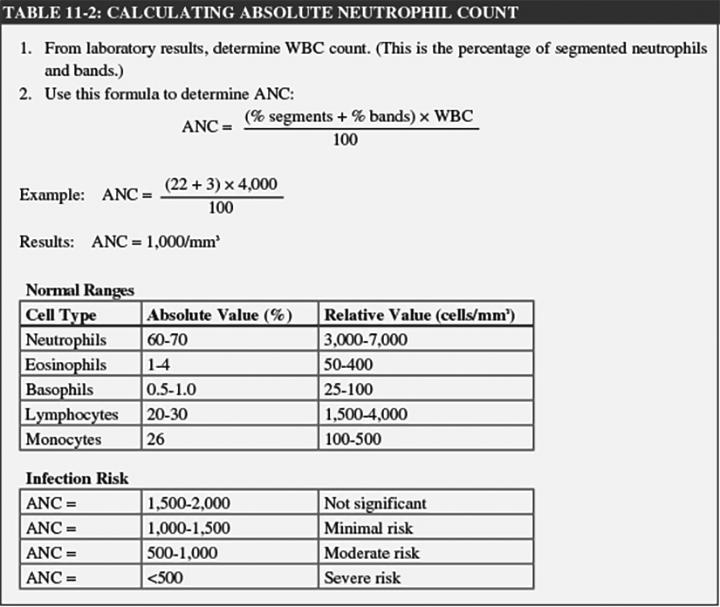
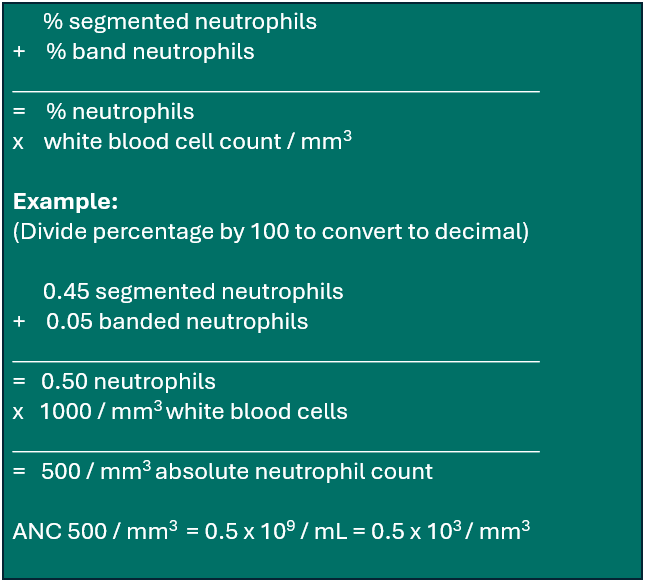
At its core, the Absolute Granulocyte Count is a measure of the total number of granulocytes—a category of white blood cells that includes neutrophils, eosinophils, and basophils—present in a microliter of blood. These cells serve as the “front-line infantry” of the immune system. Historically, calculating this number was a labor-intensive manual process involving microscopes and manual counters. However, the tech revolution has transformed this into a high-speed digital operation.
From Manual Microscopy to Automated Flow Cytometry
The transition from manual counting to automated hematology analyzers represents a monumental leap in medical technology. Modern laboratories utilize flow cytometry and automated cell counters that leverage laser-based technology. When a blood sample is processed, cells pass through a laser beam one by one. The machine measures “light scatter”—how the light bounces off the cell—to determine size, granularity, and internal complexity. This raw optical data is processed in milliseconds, allowing for an AGC calculation that is far more accurate and reproducible than any manual count could ever be.
The Role of Computer Vision in White Blood Cell Classification
While flow cytometry is the standard for volume, “Digital Morphology” is the new frontier. Advanced imaging systems now use high-resolution cameras and computer vision algorithms to take thousands of photos of a blood smear. These AI-driven systems are trained on massive datasets to identify the subtle nuances between a healthy neutrophil and a precursor cell. By digitizing the slide, technology allows for remote pathology (tele-pathology), where a specialist thousands of miles away can review the automated flagging of an abnormal AGC.
Understanding AGC through Data Analysis and Software Integration
The raw number of a granulocyte count is only as valuable as the software environment in which it lives. In modern healthcare tech, the AGC is a dynamic data point integrated into Laboratory Information Systems (LIS) and Electronic Health Records (EHR).
Interpreting the Data: Software Algorithms in Modern Lab Information Systems
When a hematology analyzer calculates an AGC, the data is immediately ingested by the LIS. This software doesn’t just display a number; it applies “delta checking” algorithms. These algorithms compare the current AGC to the patient’s historical data. If there is a sudden, statistically significant drop (suggesting conditions like neutropenia), the software triggers an automated alert. This technological “safety net” ensures that life-threatening changes in a patient’s immune status are flagged before a human eye even sees the report.
Cloud-Based Diagnostics: Real-Time Patient Monitoring
With the migration of medical data to the cloud, AGC results are now part of a broader “Big Data” play. Cloud-integrated platforms allow oncology clinics to monitor the AGC of patients undergoing chemotherapy in real-time. By utilizing API (Application Programming Interface) integrations between the lab and the provider’s dashboard, doctors can receive push notifications on their mobile devices the moment a patient’s granulocyte count falls below a critical threshold. This seamless flow of data reduces the “vein-to-brain” time—the interval between drawing blood and making a clinical decision.
The Role of AI and Machine Learning in Predicting Granulocyte Trends
We are moving away from reactive medicine toward predictive analytics. In the context of Absolute Granulocyte Counts, Machine Learning (ML) is proving to be a game-changer for patient outcomes, particularly in oncology and infectious disease.

Predictive Analytics for Neutropenia and Infections
One of the most significant risks for patients with a low AGC is sepsis. Tech companies are currently developing AI models that analyze longitudinal AGC data alongside other vitals like heart rate and temperature. These models can predict a “crash” in granulocyte levels 24 to 48 hours before it occurs. By identifying patterns in the rate of decline that are invisible to the human eye, these software tools allow for prophylactic intervention, potentially saving lives through early antibiotic or growth-factor administration.
Enhancing Diagnostic Precision with Neural Networks
Neural networks—AI systems modeled after the human brain—are being trained to differentiate between benign fluctuations in AGC and malignant trends. For instance, an AGC can spike due to simple stress or a severe bacterial infection. AI software can correlate the AGC with other digital biomarkers to provide a “probability score” for specific diagnoses. This reduces the “noise” in diagnostic data, allowing technologists and clinicians to focus on the most high-risk cases.
Wearable Tech and the Future of At-Home AGC Monitoring
The “Holy Grail” of hematology technology is the transition from centralized lab testing to Point-of-Care (POC) and at-home monitoring. This is where the Absolute Granulocyte Count meets the world of consumer electronics and miniaturized sensors.
Miniaturization of Diagnostic Sensors
Recent breakthroughs in microfluidics are paving the way for handheld devices that can measure AGC from a single drop of blood, similar to how glucose monitors work for diabetics. These “lab-on-a-chip” technologies use electrochemical sensors or miniature optical readers to provide an AGC reading in minutes. For a patient with a suppressed immune system, this technology means the difference between a quick check at the breakfast table and a risky, exhausting trip to a hospital lab.
The IoT Ecosystem in Chronic Disease Management
These at-home AGC monitors are designed to be part of the Internet of Things (IoT) ecosystem. A handheld device can sync via Bluetooth to a smartphone app, which then securely uploads the AGC data to the hospital’s server. This creates a “Closed-Loop” system where the patient’s biological data is constantly monitored by AI and medical staff, ensuring that the AGC remains within a safe “Brand-of-Health” window.
Cybersecurity and Data Privacy in Hematological Records
As Absolute Granulocyte Counts become digitized and stored in the cloud, they become part of the larger conversation surrounding digital security. Bio-data is increasingly a target for cyber threats, making the “Tech” side of AGC as much about encryption as it is about biology.
Protecting Sensitive Bio-Data
The AGC is a piece of Protected Health Information (PHI). Under regulations like HIPAA (Health Insurance Portability and Accountability Act) and GDPR (General Data Protection Regulation), the technology used to transmit AGC data must utilize high-level encryption (AES-256). Furthermore, as we move toward blockchain-based medical records, the “ledger” of a patient’s AGC history could be stored in a decentralized, immutable format. This ensures that the data cannot be tampered with or accessed by unauthorized parties, maintaining the integrity of the patient’s diagnostic history.
The Importance of Interoperability Standards
For AGC data to be useful across different tech platforms, it must adhere to interoperability standards like HL7 (Health Level Seven) and FHIR (Fast Healthcare Interoperability Resources). These standards are the “language” that allows a hematology analyzer from one manufacturer to “speak” to an EHR from another. The tech-focused view of AGC emphasizes that the value of the count is magnified when it can be seamlessly shared and understood across the entire digital healthcare infrastructure.
Conclusion: The Future of AGC is Digital
The question “What is absolute granulocyte count?” can no longer be answered by biology alone. In the modern world, the AGC is a digital asset—a product of sophisticated optical sensors, complex software algorithms, and predictive AI. As we look to the future, the integration of hematology with tech will only deepen. From AI that predicts immune failure to wearable chips that monitor our white blood cells in real-time, the Absolute Granulocyte Count is a cornerstone of the burgeoning MedTech revolution.
By understanding the technological framework behind the AGC, we gain a clearer picture of how data is transforming healthcare from a series of reactive snapshots into a continuous, high-definition stream of life-saving information. The AGC is not just a number; it is a data-driven insight into the human body’s most vital defense mechanism, powered by the cutting edge of 21st-century technology.
aViewFromTheCave is a participant in the Amazon Services LLC Associates Program, an affiliate advertising program designed to provide a means for sites to earn advertising fees by advertising and linking to Amazon.com. Amazon, the Amazon logo, AmazonSupply, and the AmazonSupply logo are trademarks of Amazon.com, Inc. or its affiliates. As an Amazon Associate we earn affiliate commissions from qualifying purchases.