
In the world of finance, timing is often just as important as the asset itself. For seasoned traders and novice investors alike, understanding the rhythm of the New York Stock Exchange (NYSE) and the Nasdaq is fundamental to building a successful portfolio. While the simple answer to “what time does the US stock market open” is 9:30 AM Eastern Time, the reality of modern electronic trading is far more nuanced.
For the modern investor, the “opening bell” is more than just a sound; it signifies the beginning of a high-liquidity environment where billions of dollars change hands. However, in an era of global connectivity and 24/7 financial news, the traditional trading day is just one piece of a larger puzzle. To master your personal finances and maximize your investment returns, you must understand not only the standard hours but also the extended sessions, holiday schedules, and the strategic implications of market timing.
Understanding Standard Market Hours and Exchange Schedules
The backbone of American equity trading is defined by the standard operating hours of the two largest exchanges in the world: the New York Stock Exchange and the Nasdaq. For the vast majority of retail investors, these hours represent the primary window for executing trades with the highest level of liquidity and the narrowest bid-ask spreads.
The NYSE and NASDAQ: Core Trading Windows
The standard trading session for the US stock market begins at 9:30 AM ET and concludes at 4:00 PM ET, Monday through Friday. These hours were established to provide a concentrated period of activity, ensuring that there are enough buyers and sellers in the market at any given time to facilitate fair pricing.
During these six and a half hours, “Market Makers” and institutional algorithms are most active. This period is characterized by high volume, which generally benefits the individual investor. High volume means that if you want to sell a share of a blue-chip company, there is almost certainly a buyer ready to take the other side of the trade at a price very close to the last quoted value. For those focusing on personal finance and long-term wealth building, the core trading window is the safest time to execute “market orders,” as the risk of price slippage is minimized.
Weekend and Holiday Observances
It is equally important for investors to know when the doors are closed. The US stock market is closed on Saturdays and Sundays, providing a cooling-off period for the financial system. Additionally, the markets observe several federal holidays throughout the year. These include:
- New Year’s Day
- Martin Luther King, Jr. Day
- Presidents’ Day
- Good Friday
- Memorial Day
- Juneteenth National Independence Day
- Independence Day
- Labor Day
- Thanksgiving Day (with an early close on the following Friday)
- Christmas Day
Understanding the holiday schedule is vital for cash flow management. If you are planning to liquidate a portion of your portfolio to fund a large purchase or a side hustle, you must account for these closures, as they can delay the settlement process—the time it takes for cash to actually land in your bank account after a sale.
Beyond the Bell: Pre-Market and After-Hours Trading Sessions
While the physical floor of the NYSE may have set hours, the digital world of finance never truly sleeps. “Extended-hours trading” allows investors to buy and sell stocks outside of the traditional 9:30 AM to 4:00 PM window. This is made possible through Electronic Communication Networks (ECNs), which match buyers and sellers digitally without a centralized exchange floor.
The Mechanics of Extended Hours Trading
Extended trading is divided into two main segments: the pre-market session and the after-hours session.
- Pre-Market Trading: Generally occurs between 4:00 AM ET and 9:30 AM ET.
- After-Hours Trading: Generally occurs between 4:00 PM ET and 8:00 PM ET.
Historically, these sessions were the exclusive playground of institutional investors and hedge funds. However, today, most major brokerage platforms allow retail investors to participate. Accessing these sessions is crucial for those who want to react immediately to breaking news, such as quarterly earnings reports or sudden geopolitical shifts, which frequently occur outside of standard hours.
Risks and Rewards of Trading Outside Regular Hours
While the ability to trade at 7:00 PM provides flexibility, it comes with significant risks that any finance-conscious individual must weigh. The primary concern is lower liquidity. Because there are fewer participants, the “spread”—the difference between what a buyer is willing to pay and what a seller is willing to accept—can become quite wide.
For example, during regular hours, a stock might have a bid of $100.00 and an ask of $100.01. In the after-hours session, that same stock might have a bid of $98.00 and an ask of $102.00. An unwary investor using a “market order” could end up buying at a significantly higher price or selling at a much lower price than they intended. Therefore, when trading in extended hours, the use of limit orders is essential to protect your capital.
Strategic Timing: How Market Hours Impact Your Investment Portfolio
Knowing the opening time is the first step, but understanding the behavior of the market at different times of the day is what separates successful investors from the rest. The market does not move in a linear fashion; it has a distinct “pulse” that changes from the opening bell to the final closing tick.
The Power Hour: Volatility at the Open and Close
The first and last hours of the trading day are often referred to as the “Power Hours.” From 9:30 AM to 10:30 AM, the market processes all the news and events that happened overnight. This leads to high volatility and heavy trading volume. For day traders, this is the most profitable time; for long-term “buy and hold” investors, it is often a time to wait and let the “dust settle” before making a move.
Similarly, the period from 3:00 PM to 4:00 PM sees a surge in activity as institutional fund managers rebalance their portfolios and “close out” their positions for the day. Understanding this cycle is a key part of financial literacy. By avoiding the chaotic volatility of the open and close, a retail investor can often find more stable pricing during the “mid-day lull” (typically between 12:00 PM and 2:00 PM ET).
Global Market Interconnectivity and Time Zone Management
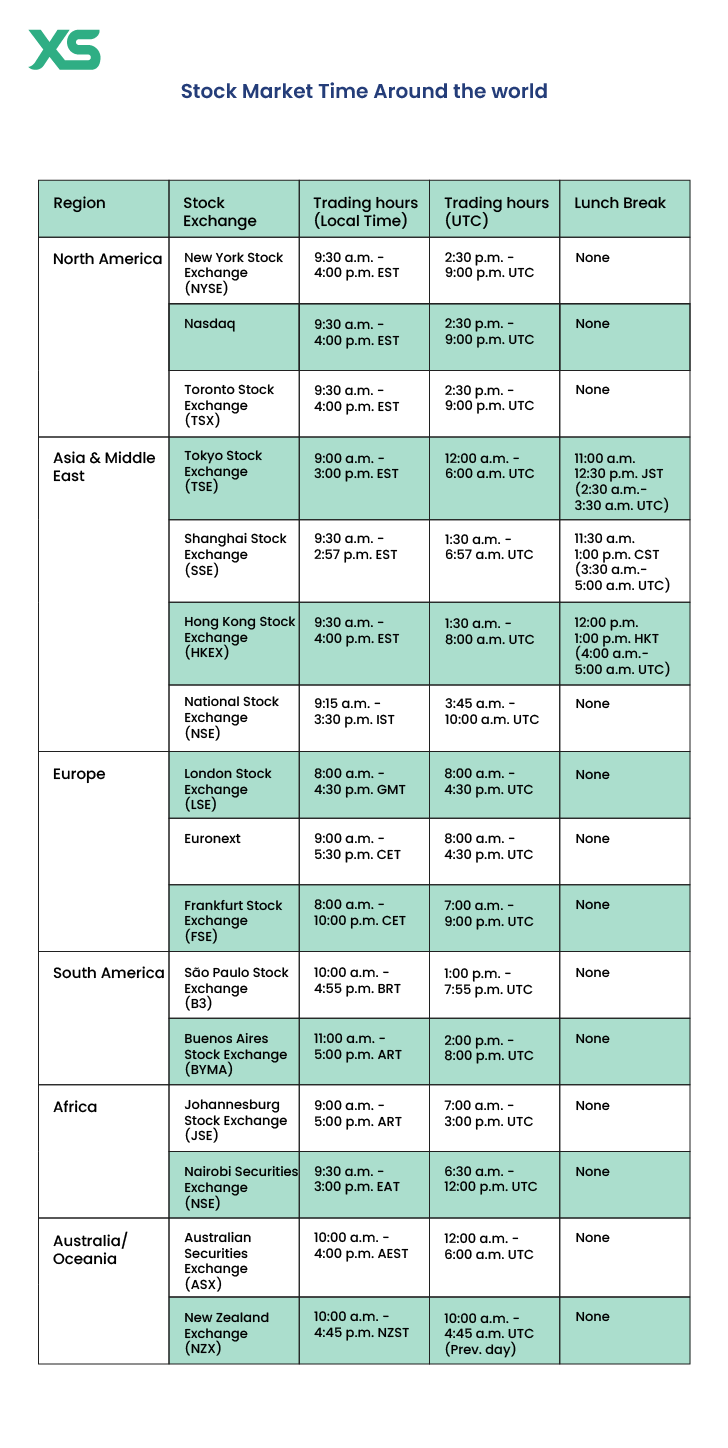
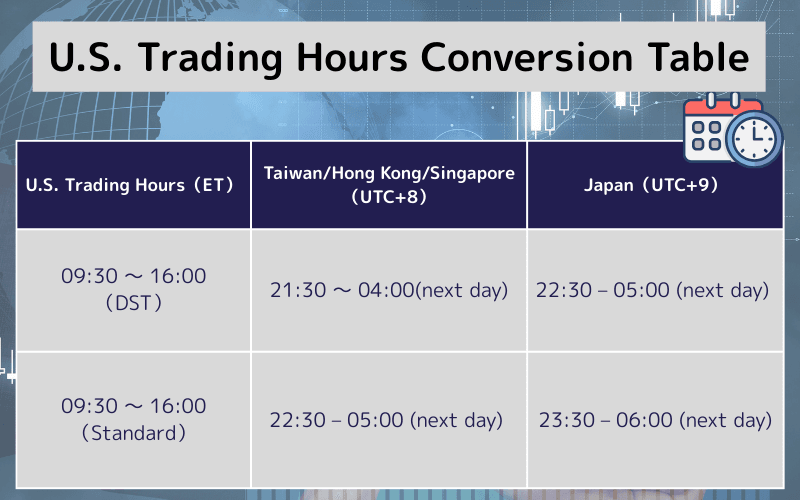
For those living outside the Eastern Time Zone, managing US investments requires a bit of mental math. An investor in London sees the US market open at 2:30 PM local time, while a trader in Tokyo is looking at a 10:30 PM start.
This global nature of finance means that the US market open is often influenced by what happened earlier in the day in the European (LSE) and Asian (Nikkei, Hang Seng) markets. If European markets slumped in their afternoon session, it often signals a “gap down” or a lower opening for the US markets. Keeping an eye on these global movements is a sophisticated way to manage your business finance and hedge against potential losses.
Tools and Resources for Tracking Real-Time Market Movement
In the age of fintech, there is no excuse for being uninformed. To manage your money effectively, you need a suite of tools that provide real-time data and help you navigate the complexities of market hours.
Financial Dashboards and Trading Platforms
Modern brokerages have democratized access to data that was once the sole province of Wall Street. Platforms provide real-time quotes, technical charts, and news feeds that update instantly. When selecting a tool for your personal finance journey, ensure it offers:
- Real-time data: Many free sites have a 15-minute delay, which can be disastrous in a fast-moving market.
- Extended hours access: Verify that your broker allows you to toggle between regular and extended-hours views.
- Custom Alerts: Set notifications for when a stock hits a certain price during the pre-market so you are prepared when the 9:30 AM bell rings.
Automation and Order Types for Passive Investors
For those who treat investing as a side hustle or a long-term savings vehicle rather than a full-time job, automation is the best tool available. You don’t need to be awake at 9:30 AM to be a successful investor.
By using sophisticated order types, you can manage your money while you sleep:
- GTC (Good ‘Til Canceled) Orders: These stay active across multiple days until they are filled or you cancel them.
- Stop-Loss Orders: These automatically sell your position if the price drops below a certain level, protecting your downside during volatile opening hours.
- Recurring Investments: Many modern apps allow you to schedule purchases at specific times, effectively “dollar-cost averaging” your way into the market regardless of daily fluctuations.

Conclusion: Mastering the Clock for Financial Success
“What time does the US stock market open?” is a question that leads to the heart of financial strategy. While the 9:30 AM to 4:00 PM window remains the gold standard for liquidity and stability, the savvy investor knows that the market’s influence extends far beyond those hours.
By understanding the mechanics of pre-market and after-hours sessions, recognizing the patterns of volatility throughout the day, and leveraging the right financial tools, you can transform a simple schedule into a powerful investment advantage. Whether you are managing a personal retirement account or seeking to grow a business portfolio, mastering the clock is an essential step toward long-term financial independence. Remember, in the market, time is not just money—time is opportunity.
aViewFromTheCave is a participant in the Amazon Services LLC Associates Program, an affiliate advertising program designed to provide a means for sites to earn advertising fees by advertising and linking to Amazon.com. Amazon, the Amazon logo, AmazonSupply, and the AmazonSupply logo are trademarks of Amazon.com, Inc. or its affiliates. As an Amazon Associate we earn affiliate commissions from qualifying purchases.