
In the world of professional brand strategy, the concept of an “archetype” serves as the foundational DNA for how a company communicates, behaves, and resonates with its audience. Derived from Jungian psychology, these archetypes allow brands to transcend their products and become living characters in the consumer’s narrative. Among the twelve primary archetypes—ranging from the Hero to the Sage—none is more misunderstood, volatile, or potentially transformative than the Trickster.
In a brand context, the Trickster is not a villain or a fraud. Instead, it is the ultimate disruptor. It is the persona that uses humor, satire, and unconventional wisdom to challenge the status quo, expose the absurdities of a category, and forge a raw, authentic connection with an audience that is weary of corporate polish. To understand “what is a trickster” in the professional branding landscape is to understand the power of strategic mischief.
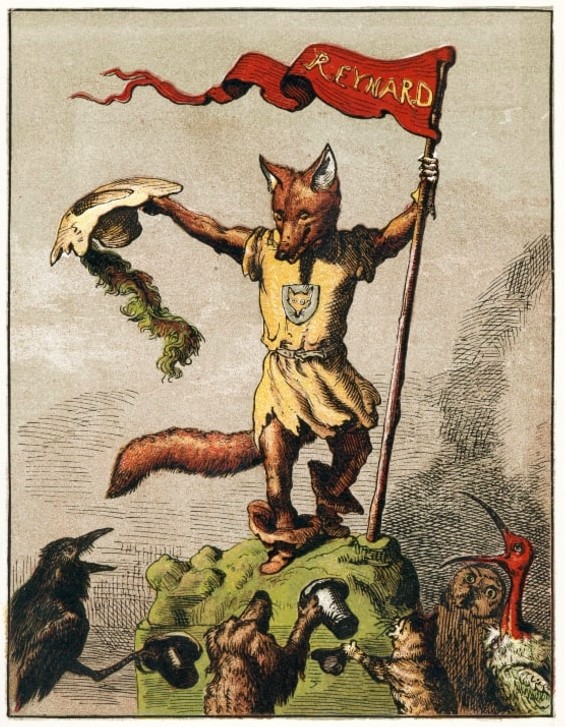
The Psychology of the Trickster Archetype
The Trickster is a universal figure found in every culture’s mythology, from the Norse Loki to the Native American Coyote. In modern brand strategy, the Trickster serves a specific psychological purpose: it acts as a release valve for the tensions of society and the marketplace.
Jungian Roots and Cultural Significance
Carl Jung identified the Trickster as a collective shadow figure—a character that points out what the rest of us are too polite or too afraid to acknowledge. In branding, this translates to the “truth-teller.” While most brands strive to appear perfect, the Trickster brand wins by highlighting imperfections. They are the ones who say, “Isn’t this industry a bit ridiculous?” By acknowledging the “elephant in the room,” the Trickster gains immediate psychological leverage over competitors who are stuck playing by traditional rules.
Why Consumers Gravitate Toward the “Rule Breaker”
We live in an era of “brand fatigue.” Modern consumers are bombarded with thousands of marketing messages daily, most of which follow a predictable, safe, and often sterile formula. The Trickster provides an “anti-brand” experience. When a brand acts like a Trickster, it signals to the consumer that it is “one of them”—someone who sees through the corporate facade. This builds a unique form of loyalty based on shared irreverence rather than traditional aspirational marketing.
Core Characteristics of a Trickster Brand
A Trickster brand is defined not just by what it says, but by how it subverts expectations. It operates on the edge of the “acceptable,” often using its agility to outmaneuver larger, more established legacy brands.
Unpredictability as a Strategic Asset
For a traditional brand, consistency is the ultimate goal. For a Trickster, consistency is a trap. The Trickster thrives on the “pattern interrupt.” Whether it is a surprise product drop, a bizarre social media interaction, or an advertisement that mocks the concept of advertising itself, the goal is to keep the audience guessing. This unpredictability ensures that the brand remains the center of conversation, as the public waits to see “what they will do next.”
Humor, Satire, and Irony
The primary tool of the Trickster is the “joke.” However, in brand strategy, humor is never just for laughs; it is a weapon used to dismantle a competitor’s positioning. Satire allows a brand to critique the industry it occupies. For example, a skincare brand using the Trickster archetype might mock the overly dramatic, pseudo-scientific language used by high-end competitors, thereby positioning itself as the honest, “no-nonsense” alternative.
Challenging the Status Quo
The Trickster’s mission is often to level the playing field. They are the “David” to the corporate “Goliath.” By using wit instead of a massive budget, a Trickster brand can make a billion-dollar competitor look slow, out of touch, or overly serious. This makes the Trickster the natural choice for startups looking to disrupt an entrenched market or for legacy brands needing a radical “reboot” to stay relevant.
Case Studies: Modern Brands Mastering the Trickster Identity

To see the Trickster in action, one must look at the brands that have successfully pivoted from being “just another company” to being cultural icons through the use of strategic mischief.
The Old Spice Transformation
Perhaps the most famous brand pivot in history, Old Spice transitioned from a “grandfather’s aftershave” to a viral powerhouse by embracing the Trickster. Through the “The Man Your Man Could Smell Like” campaign, the brand used surrealism, rapid-fire humor, and a complete subversion of masculine tropes. They weren’t just selling soap; they were winking at the audience, acknowledging the absurdity of traditional fragrance commercials. This “trick” saved the brand from irrelevance.
Paddy Power: The King of Mischief Marketing
The Irish bookmaker Paddy Power has built its entire corporate identity around the Trickster archetype. They frequently engage in “ambush marketing” and public stunts that walk the fine line between genius and controversy. By constantly poking fun at sports stars, politicians, and even their own customers, Paddy Power has created a brand that feels like a “mate at the pub” rather than a financial institution. Their power lies in their willingness to be the “bad boy” of the betting world.
Duolingo: The Relentless Presence of Duo
In the digital space, Duolingo has masterfully applied the Trickster archetype to its mascot, Duo the Owl. On platforms like TikTok, Duo is portrayed not as a helpful teacher, but as a slightly unhinged, persistent “stalker” who will go to extreme lengths to make sure you do your Spanish lesson. This self-aware, meme-driven approach has turned a functional utility app into a lifestyle brand with a massive, highly engaged young following.
Strategic Implementation: How to Adopt the Trickster Persona
Adopting the Trickster archetype is a high-risk, high-reward strategy. If done poorly, the brand looks offensive or desperate. If done well, it becomes untouchable.
Identifying the “Enemy” (Boredom or Pretentiousness)
To be an effective Trickster, a brand must know what it is fighting against. The “enemy” is rarely a specific competitor; it is usually a state of being within the industry. Is the industry too boring? Too expensive? Too fake? The Trickster defines itself by being the opposite. The first step in this strategy is identifying the “conventional wisdom” of your sector and finding a creative way to flip it on its head.
Balancing Risk with Reputation
The danger of the Trickster is that they can go too far. A brand that is purely chaotic loses its credibility. The secret to a professional Trickster strategy is the “Core Truth.” Underneath the jokes and the stunts, the product or service must actually work. The mischief is the wrapper, but the content must be solid. Strategy teams must establish “Guardrails of Irreverence”—clear boundaries of what the brand will joke about and what remains sacred.
The Future of the Trickster in a Digital World
As we move further into a digital-first economy, the Trickster archetype is becoming more valuable than ever. In an age of AI-generated content and deepfakes, the human element of “wit” is a rare and premium commodity.
Social Media and Viral Trickery
Social media is the natural habitat of the Trickster. The algorithm rewards engagement, and nothing drives engagement like a controversial or hilarious “take.” Brands that can navigate the “meme-o-sphere” using the Trickster persona can achieve organic reach that would cost millions in paid advertising. The Trickster understands that on the internet, attention is the only true currency.

From Jester to Visionary: The Evolution of Disruption
Finally, we are seeing the Trickster evolve. It is no longer just about being the “Jester” who makes people laugh. Modern Trickster brands like Liquid Death (a water company that brands itself like a heavy metal beer) or MSCHF (a product studio that creates viral “art” products) are proving that the Trickster can be a visionary. They are showing that by breaking the rules of how a “business” should behave, you can create a brand that is more than a company—it becomes a cultural movement.
In conclusion, “what is a trickster” in the world of branding? It is the brave, witty, and slightly rebellious soul of the marketplace. It is the strategy of using intelligence and humor to bypass the traditional gates of consumer skepticism. In a world that is increasingly predictable, the Trickster remains the most exciting—and effective—way to build a brand that people actually care about.
aViewFromTheCave is a participant in the Amazon Services LLC Associates Program, an affiliate advertising program designed to provide a means for sites to earn advertising fees by advertising and linking to Amazon.com. Amazon, the Amazon logo, AmazonSupply, and the AmazonSupply logo are trademarks of Amazon.com, Inc. or its affiliates. As an Amazon Associate we earn affiliate commissions from qualifying purchases.