
In the contemporary landscape of music production, the synthesizer stands as perhaps the most transformative technological innovation since the invention of the recorded medium. Far beyond a mere keyboard instrument, a synthesizer is a complex electronic system designed to generate, manipulate, and shape audio signals from the ground up. Whether through the physical circuitry of vintage analog hardware or the sophisticated algorithms of modern software, synthesis represents the intersection of mathematical precision and artistic expression. To understand what a synthesizer is in modern music is to understand the very backbone of digital audio technology.
The Architecture of Sound: Understanding the Core Components
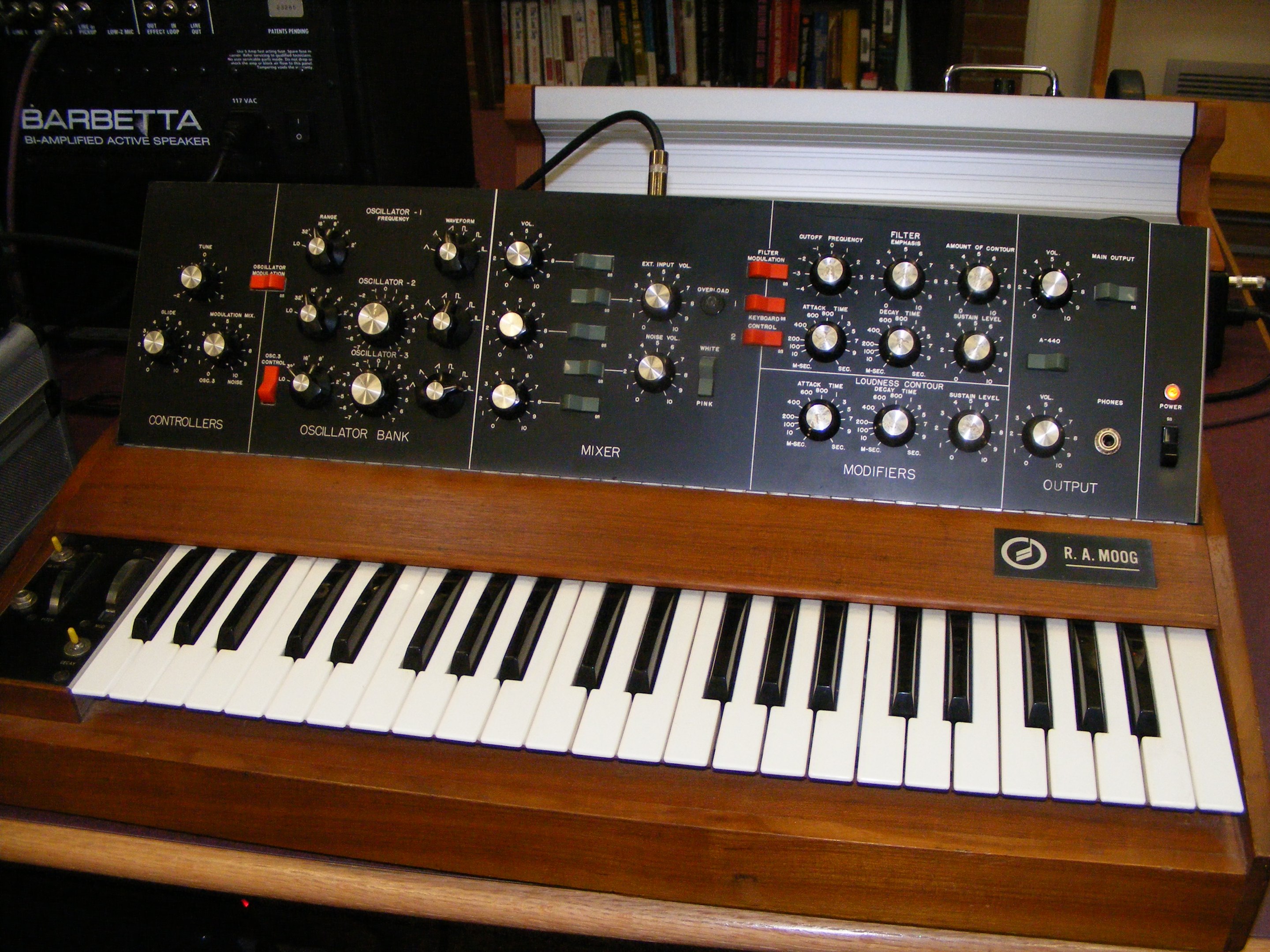
At its most fundamental level, a synthesizer is a device that produces sound electronically by creating electrical signals (in analog systems) or digital data (in software systems) that are then converted into audible sound waves through a speaker. Unlike acoustic instruments, which rely on physical vibration—such as a string or a column of air—a synthesizer utilizes a chain of technological modules to “synthesize” a sound from scratch.
Oscillators: The Digital and Analog Heartbeat
The journey of a sound begins with the oscillator. In the tech world, the oscillator is the primary sound source, generating a continuous periodic waveform. These waveforms—most commonly Sine, Sawtooth, Square, and Triangle waves—serve as the raw data for the synthesizer. In analog tech, these are Voltage Controlled Oscillators (VCOs), where electrical current dictates the pitch. In the digital realm, these are replaced by Numerically Controlled Oscillators (NCOs) or complex wavetables that can store thousands of digital snapshots of sound, allowing for a level of sonic complexity that physical hardware struggle to emulate.
Filters and the Science of Subtraction
Once a raw sound is generated, it is often harsh and unrefined. This is where the filter—specifically the Voltage Controlled Filter (VCF) or its digital equivalent—comes into play. Filtering is a subtractive technology. By utilizing low-pass, high-pass, or band-pass filters, a producer can “carve” the sound, removing specific frequencies to create depth and character. This process is analogous to photo editing software removing specific color spectrums to change the mood of an image; it is a technical refinement of raw data into a usable asset.
Envelopes and Modulators: Defining Time and Movement
Sound is not static; it changes over time. To control this, synthesizers use Envelope Generators (ADSR: Attack, Decay, Sustain, Release) and Low-Frequency Oscillators (LFOs). These components are the “automation” tools of the synthesizer. They dictate how quickly a sound reaches its peak volume, how it lingers, and how it fades. From a technical standpoint, modulation is the process of using one signal to control the parameters of another, creating the rhythmic pulses and evolving textures that define genres like techno, cinematic scoring, and ambient soundscapes.
The Shift from Hardware Gadgets to Software Ecosystems
The history of the synthesizer is a mirror of the history of computing. What began as massive, room-filling machines like the RCA Mark II has evolved into high-performance software that can run on a mobile device. This shift from physical gadgets to digital environments has democratized music production, making high-end sound design accessible to anyone with a workstation.
The Rise of Virtual Studio Technology (VST)
In the late 1990s, the introduction of Virtual Studio Technology (VST) revolutionized the industry. A VST synthesizer is a software plugin that replicates the functionality of physical hardware within a Digital Audio Workstation (DAW). These software tools use Digital Signal Processing (DSP) to calculate the behavior of electrical circuits. The tech advantage here is immense: while a physical Moog synthesizer might be limited by its physical components, a digital VST can offer infinite oscillators, complex routing matrices, and the ability to save and recall “presets” instantly.
Digital Signal Processing (DSP) and Emulation
One of the most impressive feats in modern music tech is the ability to emulate the “warmth” of analog circuitry using digital code. Engineers use complex algorithms to model the unpredictable behavior of transistors and vacuum tubes. This involves solving non-linear differential equations in real-time to ensure that the digital replica responds to user input with the same organic feel as a hardware unit. This high-level engineering allows modern producers to have the “sound” of a multi-million dollar 1970s studio inside a laptop.
Mobile and Cloud-Based Synthesis
The miniaturization of processing power has brought synthesis to the palm of our hands. Apps for iOS and Android now feature powerful synthesis engines that utilize multi-touch interfaces for sound manipulation. Furthermore, we are seeing the rise of cloud-based synthesis, where complex sound rendering is handled on remote servers, allowing for collaborative music production in real-time across different geographical locations.
Cutting-Edge Trends: AI, Neural Synthesis, and Granular Tech
As we move further into the decade, the definition of a synthesizer continues to expand, driven by breakthroughs in Artificial Intelligence (AI) and non-traditional synthesis methods. These technologies are pushing the boundaries of what is possible in sound design, moving away from standard waveforms toward more abstract, data-driven audio.
AI-Driven Sound Design and Machine Learning
AI is currently the most significant trend in music technology. New synthesizers are incorporating machine learning models that can analyze existing sounds and generate entirely new timbres based on those characteristics. For example, neural synthesizers can “morph” between a violin and a trumpet, creating a hybrid sound that could not exist in the physical world. These tools allow producers to describe a sound in natural language—such as “metallic and shimmering”—and have the AI configure the internal parameters of the synth to match that description.
Granular Synthesis and Data Deconstruction
Granular synthesis is a tech-heavy method that treats sound as a series of “grains”—tiny fragments of audio typically lasting between 1 to 50 milliseconds. By manipulating the speed, pitch, and position of these grains, the synthesizer can turn a simple recording of a voice into a massive, ethereal pad or a glitchy rhythmic texture. This process requires significant CPU overhead, making it a benchmark for the processing power of modern music computers and specialized hardware gadgets.
Spatial Audio and 3D Synthesis
With the rise of immersive audio formats like Dolby Atmos, synthesizers are being updated to support spatialized sound. Modern soft-synths now include “per-note” spatial positioning, allowing the sound to move through a 360-degree field. This integration of spatial computing into synthesis is essential for the future of VR gaming, cinematic experiences, and the burgeoning “metaverse” audio landscape.
Building a Modern Tech Stack: Hardware vs. Software
For the modern technologist or producer, the choice between hardware and software synthesizers is less about sound quality and more about workflow and tactile interaction. Both paths offer unique technical advantages and cater to different styles of digital creativity.
The Tactile Appeal of Hardware and Modular Systems
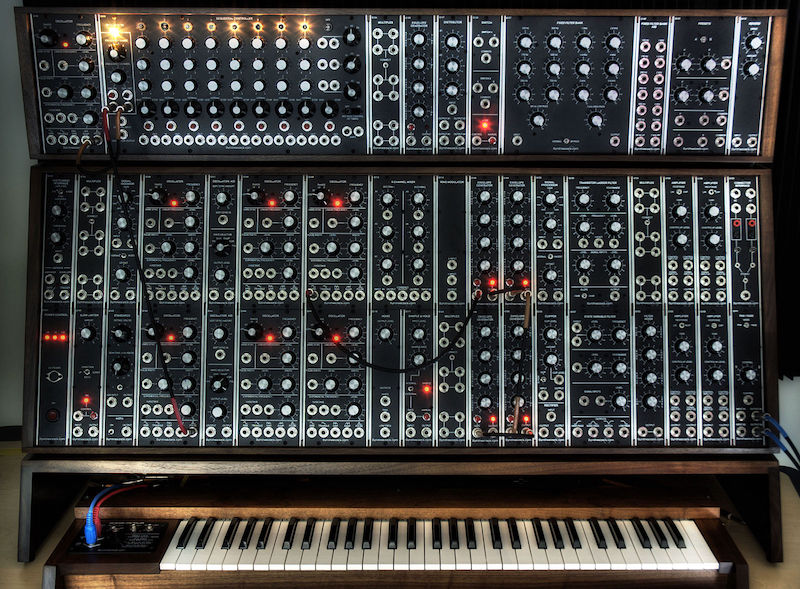
Hardware synthesizers, particularly modular systems (Eurorack), represent the pinnacle of “gadget” culture in music. These systems allow users to physically patch cables between different modules, creating a custom signal path. The tech appeal here lies in the “hands-on” control—turning physical knobs and flipping switches provides a haptic feedback that software cannot fully replicate. Additionally, many modern hardware synths are hybrid units, featuring analog signal paths controlled by digital processors, offering the best of both worlds.
The Efficiency and Scalability of Software
On the other hand, software synthesizers are the workhorses of the modern industry. The primary advantage of software is scalability. A producer can open 50 instances of a software synthesizer on a single computer, whereas doing the same with hardware would require a massive physical space and a complex web of wiring. Software also integrates seamlessly with other digital tools, allowing for intricate automation and total recall of every parameter within a project file.
Hybrid Ecosystems and MIDI Controllers
The bridge between these two worlds is the MIDI (Musical Instrument Digital Interface) controller. MIDI is the universal language of music tech, a protocol that allows devices to communicate with each other. By using a MIDI controller, a producer can have the tactile experience of hardware while controlling the powerful engines of software. This hybrid approach is the standard in professional studios, combining the flexibility of digital tools with the ergonomics of physical interfaces.

The Future of Synthesis in the Digital Age
The synthesizer is no longer just an instrument; it is a sophisticated platform for digital innovation. From its roots in voltage-controlled circuits to the current frontier of AI and spatial audio, the synthesizer remains the most versatile tool in a musician’s arsenal. As processing power continues to increase and machine learning becomes more integrated into our creative workflows, the line between the human creator and the technological tool will continue to blur.
For anyone interested in the future of technology, the synthesizer offers a fascinating case study in how we can use digital tools to augment human creativity. It is a testament to our ability to turn raw data and electrical signals into emotional, resonant experiences. Whether you are a software developer, a gadget enthusiast, or a professional producer, the world of synthesis provides an endless landscape for technical exploration and sonic discovery. As we look forward, the next generation of synthesizers will likely move beyond the screen and the keyboard, integrating with bio-feedback, augmented reality, and even more advanced forms of artificial intelligence to redefine what it means to create sound.
aViewFromTheCave is a participant in the Amazon Services LLC Associates Program, an affiliate advertising program designed to provide a means for sites to earn advertising fees by advertising and linking to Amazon.com. Amazon, the Amazon logo, AmazonSupply, and the AmazonSupply logo are trademarks of Amazon.com, Inc. or its affiliates. As an Amazon Associate we earn affiliate commissions from qualifying purchases.