
In the rapidly evolving landscape of global technology, we often focus on the visible manifestations of progress: sleek smartphones, sophisticated artificial intelligence, and high-performance electric vehicles. However, behind these breakthroughs lies a foundation of high-stakes chemical engineering. Among the most critical, yet least understood, components in the tech manufacturing ecosystem is the polar aprotic solvent.
While the term sounds like it belongs exclusively to a graduate-level organic chemistry lab, polar aprotic solvents are the functional “operating systems” of the physical hardware world. They are the mediums in which the components of our digital lives are born, cleaned, and powered. From the lithium-ion batteries in your pocket to the semiconductors driving the latest AI models, these unique chemical structures are indispensable to modern technological advancement.
The Architecture of Innovation: Understanding Polar Aprotic Solvents
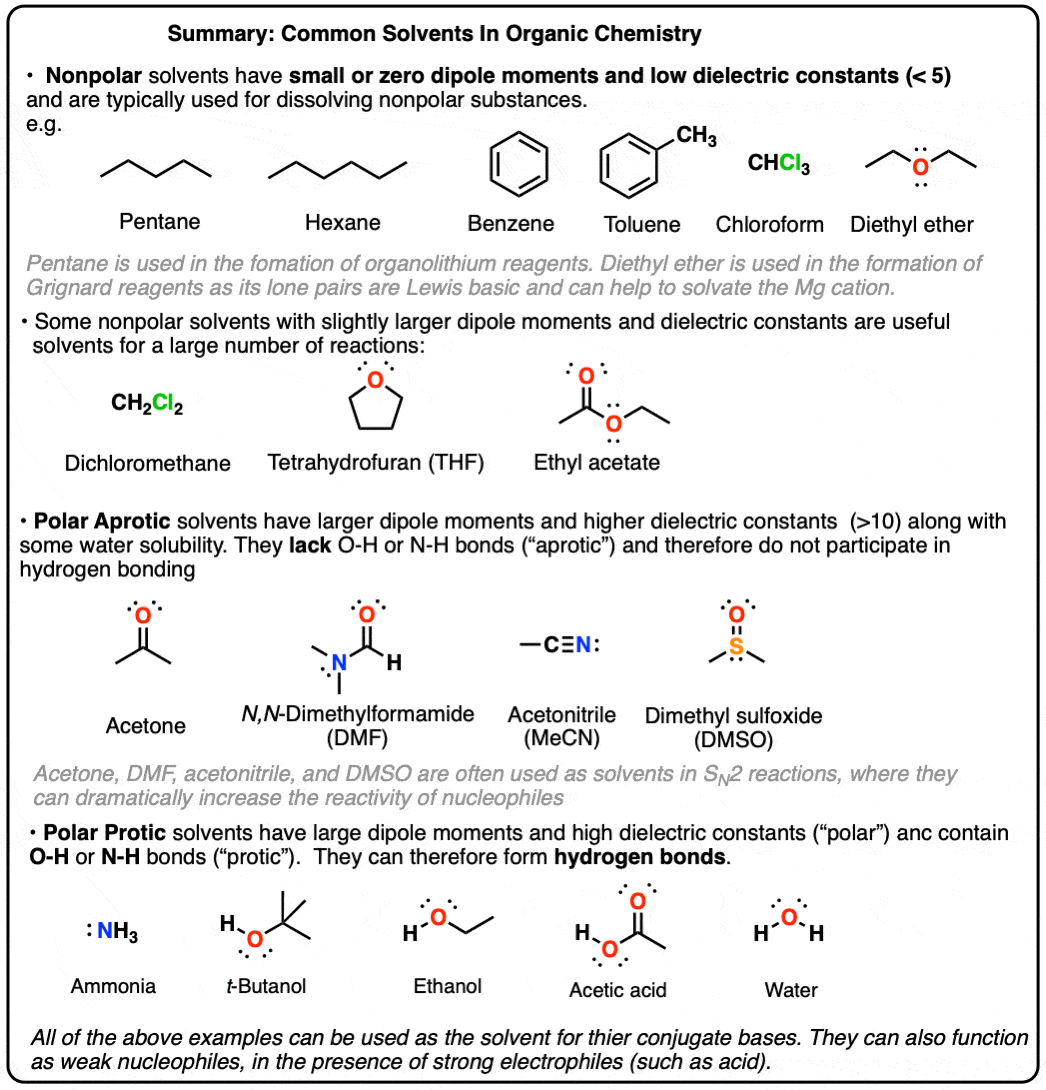
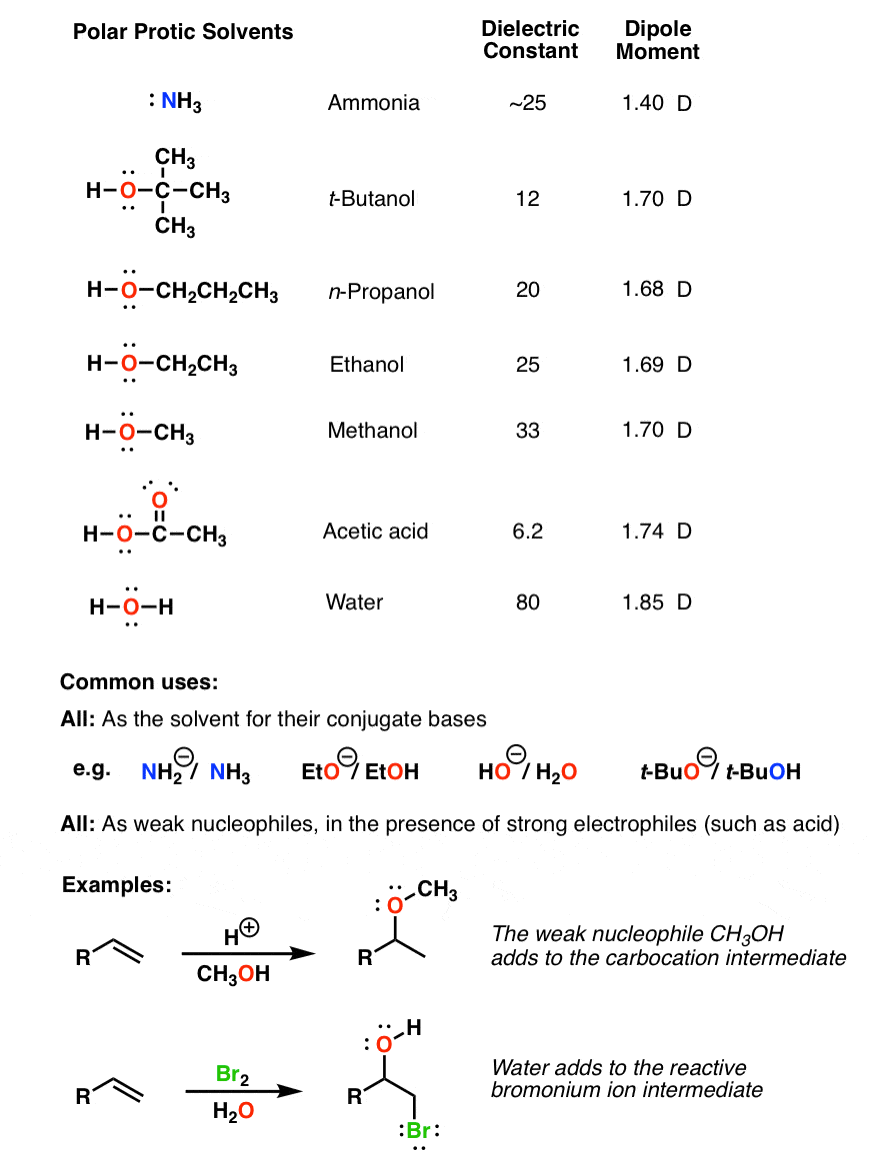
To understand why these substances are vital to technology, we must first understand their unique molecular architecture. In chemistry, a “solvent” is a substance that dissolves a solute, resulting in a solution. The “polar” designation means the molecule has a significant dipole moment—parts of the molecule are more negatively or positively charged than others. The “aprotic” designation is the clincher: these molecules do not have a hydrogen atom bonded to an oxygen or nitrogen atom, meaning they cannot donate protons (H+ ions).
The Molecular Mechanics of Efficiency
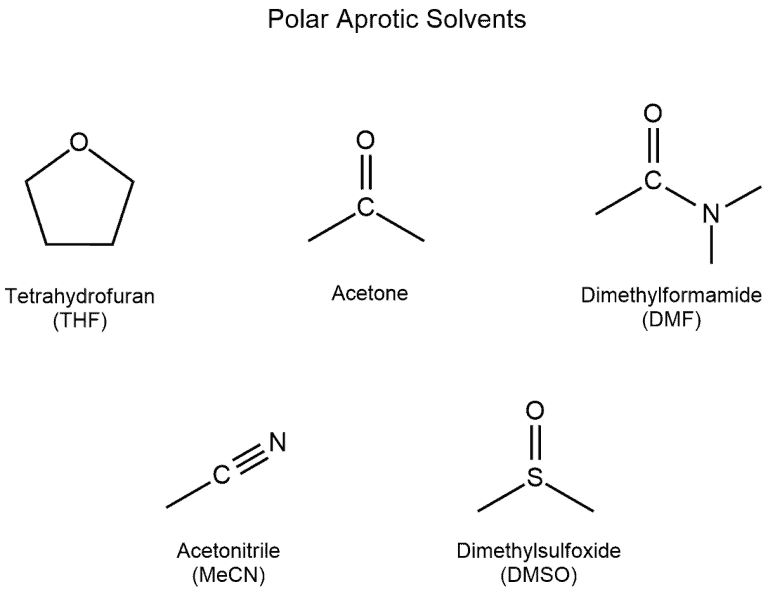
The absence of labile protons in polar aprotic solvents—such as Dimethyl Sulfoxide (DMSO), Dimethylformamide (DMF), and Acetone—creates a specific environment where certain chemical reactions can happen much faster than in water or alcohol. In technical manufacturing, speed and precision are everything. Because these solvents do not “interfere” with nucleophilic reactions, they allow engineers to synthesize complex polymers and electronic materials with high purity and extreme efficiency.
Stability in Extreme Environments
For technology applications, thermal and chemical stability are non-negotiable. Polar aprotic solvents are favored in tech tutorials and manufacturing blueprints because they remain liquid over a wide range of temperatures and possess high boiling points. This stability allows them to be used in high-temperature industrial processes, such as the curing of advanced coatings for aerospace components or the production of high-strength synthetic fibers used in wearable tech.
Powering the Mobile Revolution: Batteries and Energy Storage
Perhaps the most significant tech application of polar aprotic solvents today is in the field of energy storage. As the world transitions toward renewable energy and electric mobility, the demand for high-performance batteries has skyrocketed.
The Role in Lithium-Ion Electrolytes
Every lithium-ion battery consists of an anode, a cathode, and an electrolyte. The electrolyte is the medium that allows lithium ions to move between the electrodes. Because lithium is highly reactive, the electrolyte cannot contain “protic” hydrogen (like water), which would cause the battery to fail or even explode. Polar aprotic solvents, such as Ethylene Carbonate (EC) and Propylene Carbonate (PC), are the industry standard for these electrolytes. They provide the necessary polarity to dissolve lithium salts while remaining chemically inert enough to prevent unwanted side reactions.
Enhancing Energy Density and Charging Speeds
The tech industry is currently in a race to increase energy density (more power in a smaller space) and decrease charging times. Research into next-generation polar aprotic solvents is at the heart of this race. By optimizing the viscosity and dielectric constant of these solvents, engineers are developing batteries that can withstand higher voltages and faster ion transport. This isn’t just a chemical improvement; it is the hardware update that will eventually allow a smartphone to charge in five minutes or an electric vehicle to travel 600 miles on a single charge.
The Silicon Foundation: Solvents in Semiconductor Manufacturing
If batteries are the heart of modern tech, semiconductors are the brain. The manufacturing of integrated circuits (ICs) is arguably the most precise industrial process on the planet, and polar aprotic solvents are essential at every stage of the “fab” (fabrication) process.
Precision Cleaning and Surface Preparation
As chips shrink to the 3nm and 2nm nodes, even a single atom of contamination can ruin a wafer. Polar aprotic solvents are used in precision cleaning to remove organic residues and metallic contaminants without etching the delicate silicon structures. Their ability to dissolve a wide range of organic compounds while remaining “non-aggressive” toward the semiconductor substrate makes them the go-to choice for tech giants like TSMC, Intel, and Samsung.
Photolithography and Resists
Photolithography—the process of using light to etch patterns onto silicon—relies heavily on “photoresists.” These light-sensitive materials are typically dissolved in polar aprotic solvents to ensure an even, ultra-thin coating on the silicon wafer. The choice of solvent affects the “spin-coat” quality and the resolution of the final circuit. Without the specific evaporation rates and solubility profiles of these solvents, the high-density microprocessors that power today’s AI and cloud computing would be impossible to manufacture.
Digital Security and the Global Chemical Supply Chain
In the realm of digital security and hardware integrity, we rarely discuss the chemicals used in manufacturing. However, the tech industry’s reliance on specific polar aprotic solvents creates a unique set of vulnerabilities and strategic considerations.
Geopolitical Risks and Material Sovereignty
Just as the world is concerned about the supply of rare earth minerals, there is a growing realization that the supply of high-purity industrial solvents is a bottleneck in the tech supply chain. Many of the most effective polar aprotic solvents are produced in specialized facilities that are concentrated in specific geographic regions. For tech companies, securing a stable supply of “electronic-grade” solvents is as much a matter of digital security as protecting against a cyberattack. A disruption in the supply of N-Methyl-2-pyrrolidone (NMP), for example, would immediately halt a significant portion of the world’s battery and semiconductor production.
The Shift Toward Sustainable and Green Chemistry
A major trend in the tech-industrial complex is “Green Tech.” Traditional polar aprotic solvents often carry environmental and health risks. Consequently, a new frontier in tech software and simulation is the discovery of “Green” polar aprotic solvents. Software-driven molecular modeling is being used to find bio-based alternatives that offer the same performance as DMF or NMP but with a lower carbon footprint and reduced toxicity. This transition is essential for companies aiming to meet ESG (Environmental, Social, and Governance) targets while maintaining technological superiority.
The Future: AI-Driven Material Discovery
As we look toward the future of technology, the development of new polar aprotic solvents is no longer left to trial and error. We are entering the era of AI-accelerated materials science.
Generative AI in Chemical Discovery
Tech companies are now deploying generative AI models to predict the properties of theoretical molecules. By training AI on vast datasets of chemical interactions, researchers can identify new polar aprotic solvents that have never existed in nature. These “designer solvents” can be tailored for specific tech applications, such as liquid-cooling systems for massive AI data centers or advanced electrolytes for solid-state batteries. This intersection of software (AI) and hardware (chemical engineering) is where the next decade of tech breakthroughs will be won.
Conclusion: The Liquid Foundation of the Digital Age
What is a polar aprotic solvent? It is more than just a chemical definition; it is a fundamental enabler of the digital age. By providing a stable, highly reactive, and versatile medium, these solvents allow us to push the boundaries of what is physically possible in electronics and energy.
As tech enthusiasts, we must appreciate that the “magic” of a touchscreen or the speed of a 5G network is deeply rooted in the molecular dance facilitated by these liquids. The next time you see a headline about a breakthrough in battery life or a faster processor, remember that a polar aprotic solvent likely played a silent, but starring, role in making that technology a reality. The future of tech is not just written in code; it is dissolved, cleaned, and powered by the unique chemistry of the polar aprotic medium.
aViewFromTheCave is a participant in the Amazon Services LLC Associates Program, an affiliate advertising program designed to provide a means for sites to earn advertising fees by advertising and linking to Amazon.com. Amazon, the Amazon logo, AmazonSupply, and the AmazonSupply logo are trademarks of Amazon.com, Inc. or its affiliates. As an Amazon Associate we earn affiliate commissions from qualifying purchases.