
In the rapidly evolving landscape of automotive engineering and propulsion technology, the term “NA engine” stands as a foundational concept. NA, which stands for Naturally Aspirated, refers to an internal combustion engine that relies solely on atmospheric pressure for its air intake. Unlike its counterparts that use forced induction—such as turbochargers or superchargers—the naturally aspirated engine is a masterclass in fluid dynamics and mechanical purity.
Understanding the NA engine is essential for anyone interested in the intersection of mechanical engineering and digital optimization. While the industry is currently pivoting toward electrification and high-pressure forced induction to meet stringent emissions standards, the technology behind natural aspiration remains a benchmark for throttle response, linear power delivery, and engineering simplicity.
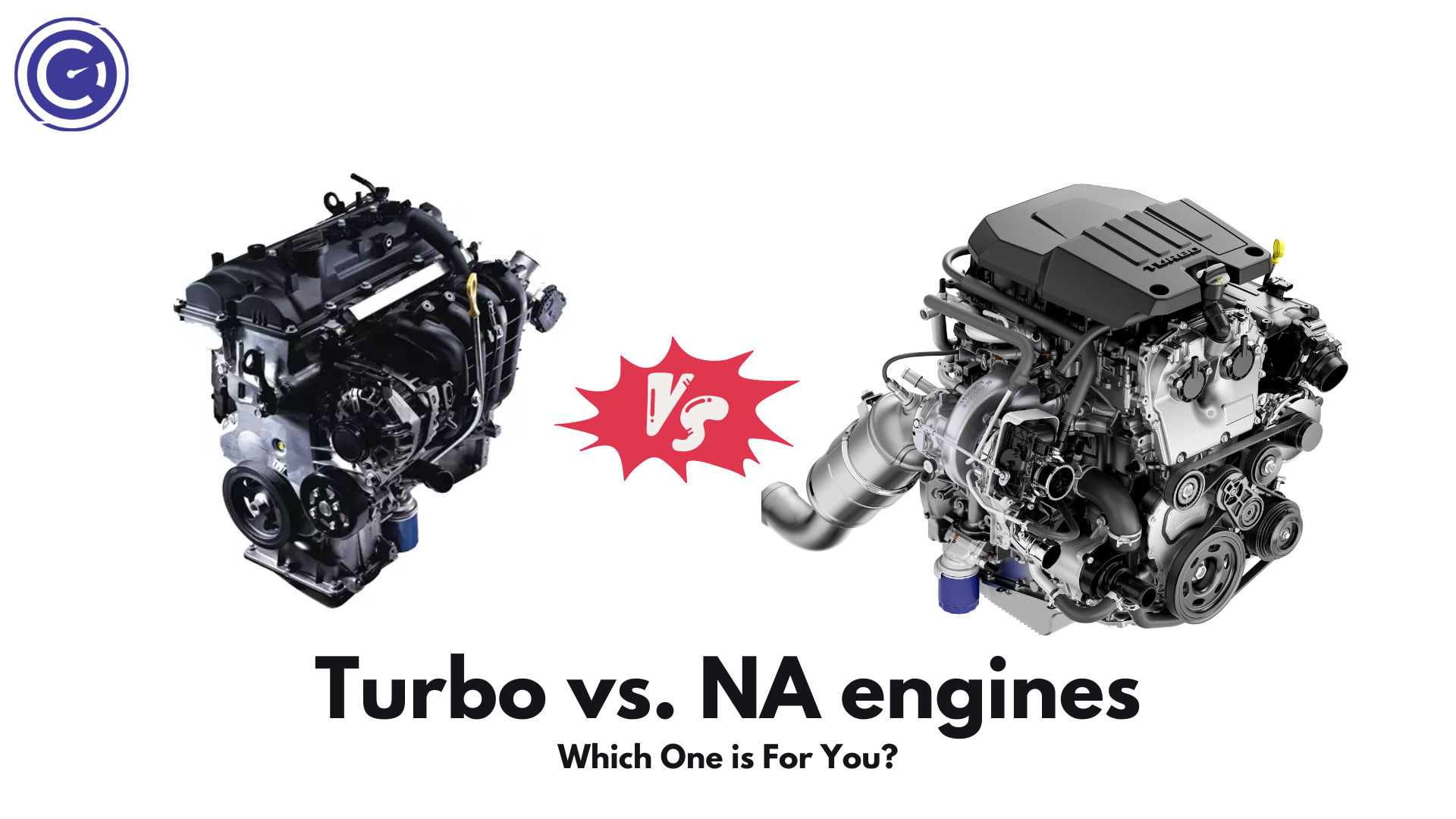
The Fundamental Mechanics of Natural Aspiration
To appreciate a naturally aspirated engine, one must first understand the physics of the “intake stroke.” In a standard four-stroke internal combustion cycle, the engine acts essentially as a high-precision air pump. The NA engine’s ability to generate power is dictated by how efficiently it can “breathe” without external assistance.
The Atmospheric Pressure Advantage
In a naturally aspirated setup, when the piston moves downward during the intake stroke, it creates a partial vacuum within the cylinder. Because the air pressure outside the engine (atmospheric pressure) is higher than the pressure inside the cylinder, air is pushed into the combustion chamber. This process is “natural” because it doesn’t utilize a mechanical or exhaust-driven pump to force air in. The tech behind this involves meticulous tuning of intake manifolds and runners to ensure that the air moves with maximum velocity and minimal turbulence.
The Four-Stroke Cycle in an NA Context
The efficiency of an NA engine is heavily reliant on the harmony of the four-stroke cycle: Intake, Compression, Power, and Exhaust. In the absence of a turbocharger, the “Intake” phase is the most critical. Engineers use “Plenum” chambers—large reservoirs of air—to stabilize pressure so that each cylinder receives a consistent volume of oxygen. This mechanical honesty ensures that the engine’s output is directly proportional to its displacement and its ability to spin at higher revolutions per minute (RPM).
Volumetric Efficiency: The Holy Grail of NA Design
In the world of engine technology, Volumetric Efficiency (VE) is the ratio of the mass of air-fuel mixture drawn into the cylinder to the mass of the same volume at static atmospheric pressure. A perfect NA engine would have a VE of 100%. However, through advanced fluid dynamics and “Inertia Charging”—where the speed of the incoming air is used to “stuff” more air into the cylinder just before the valve closes—some high-tech NA engines can exceed 100% VE at specific RPM ranges. This is a pinnacle of mechanical “tech” achieved without the complexity of forced induction.
NA vs. Forced Induction: A Comparative Technological Analysis
The debate between Naturally Aspirated engines and Forced Induction (FI) engines (Turbos and Superchargers) is a central theme in modern automotive tech. Each approach represents a different philosophy regarding efficiency, heat management, and power density.
The Rise of Turbocharging and Supercharging
Forced induction uses a compressor to increase the density of the air entering the engine. A turbocharger uses exhaust gases to spin a turbine, while a supercharger is belt-driven by the engine itself. While these technologies allow smaller engines to produce massive power, they introduce complexity. They require intercoolers to manage the heat generated by compressing air and sophisticated wastegate systems to prevent over-boost. In contrast, the NA engine remains a “purer” tech solution, avoiding the thermal “soak” often associated with high-performance turbo setups.
Throttle Response and Linear Power Delivery
From a user-experience and control-interface perspective, the NA engine offers “Instantaneous Throttle Response.” Because there is no turbine that needs to “spool up” (a phenomenon known as turbo lag), the delay between the driver pressing the pedal and the engine reacting is nearly zero. The power delivery is linear; the faster the engine spins, the more power it makes. This predictability is highly valued in precision engineering and high-performance racing software where input-output latency must be minimized.
Thermal Management and Component Longevity
Technologically, NA engines are often more robust over long lifecycles. They operate at lower internal pressures and temperatures compared to turbocharged engines. This reduced thermal stress means that components like head gaskets, pistons, and valves are not subjected to the extreme “boost” pressures that can lead to premature mechanical failure. For applications requiring long-term reliability and digital monitoring of steady-state heat, the NA configuration provides a more stable baseline.
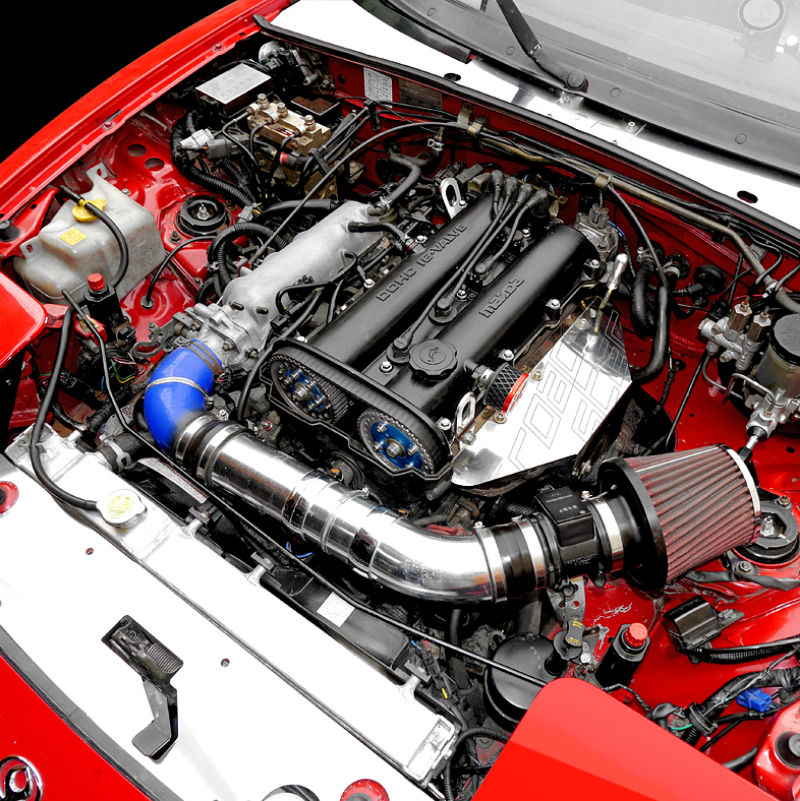
The Engineering Pinnacle: High-RPM Performance and Materials
Because NA engines cannot rely on “boost” to create power, engineers must look toward the “RPM” (Revolutions Per Minute) side of the equation. To make more power, the engine must burn more fuel-air mixture in a shorter amount of time. This has led to some of the most impressive material science breakthroughs in the tech world.
Lightweight Alloys and Reciprocating Mass
To achieve high RPMs—sometimes exceeding 9,000 or even 10,000 RPM in racing applications—the internal components must be incredibly light yet strong. This has pushed the development of titanium connecting rods, forged aluminum pistons, and plasma-coated cylinder walls. Reducing “reciprocating mass” is a high-tech challenge that involves balancing rotational inertia with structural integrity, a field where computer-aided design (CAD) and finite element analysis (FEA) are indispensable.
Variable Valve Timing (VVT) and Lift
One of the most significant technological leaps for NA engines was the introduction of Variable Valve Timing and Lift (exemplified by systems like Honda’s VTEC or BMW’s Vanos). In a fixed-cam engine, you have to choose between low-end torque or high-end power. VVT technology uses hydraulic or electronic actuators to change the camshaft profile in real-time. This allows the engine to have a “civilized” map for fuel economy and a “high-performance” map for power, effectively giving the engine two different mechanical personalities controlled by the ECU (Engine Control Unit).
The Sound of Efficiency: Acoustic Engineering in NA Intakes
While often thought of as an aesthetic choice, the “sound” of an NA engine is actually a byproduct of acoustic resonance tuning. Engineers design intake runners of specific lengths so that the sound waves produced by the valves opening and closing actually help push air into the engine (Resonance Charging). This is a complex field of “Acoustic Tech” that uses the physics of sound to improve the volumetric efficiency of the hardware.
The Digital Transition: How Software Optimizes Analog Hardware
Modern NA engines are far from “simple” analog machines. They are deeply integrated with sophisticated sensors and software that manage every millisecond of the combustion process.
Electronic Control Units (ECUs) and Precise Fuel Injection
The “brain” of a modern NA engine is the ECU. In the past, carburetors used mechanical jets to deliver fuel. Today, high-pressure Direct Injection (DI) systems spray fuel at pressures exceeding 2,000 PSI directly into the combustion chamber. Software algorithms calculate the exact micro-second to fire the injector based on air temperature, humidity, and throttle position. This digital oversight allows NA engines to run leaner and cleaner than ever before, squeezing every bit of energy out of a drop of fuel.
Sensors and Real-time Atmospheric Adjustments
A naturally aspirated engine is sensitive to its environment. As you drive up a mountain, the air becomes thinner (less dense), and atmospheric pressure drops. To compensate, a suite of sensors—including the MAF (Mass Air Flow) and MAP (Manifold Absolute Pressure) sensors—continuously feed data to the ECU. The software then adjusts the ignition timing and fuel trim in real-time to prevent “knock” or “pinging.” This seamless integration of hardware and software is what allows a modern NA engine to operate perfectly in environments ranging from Death Valley to the Swiss Alps.
The Future of NA Technology in a Hybrid and Electric World
As the tech industry moves toward a “Net Zero” future, the role of the naturally aspirated engine is changing. It is no longer the primary workhorse for every vehicle, but it is finding a new niche in high-tech hybridized powertrains.
NA Engines as Range Extenders
In many modern Hybrid Electric Vehicles (HEVs), manufacturers prefer NA engines over turbocharged ones. Why? Because NA engines are lighter and more thermally efficient at a constant RPM. In a series hybrid, where the engine acts as a generator to charge a battery, the NA engine can be tuned to run at its “sweet spot” of maximum efficiency indefinitely. This makes it an ideal tech partner for electric motors, providing a reliable, low-maintenance power source that complements the battery’s output.

The Collectibility and Legacy of Analog Engineering
In the realm of high-end gadgets and luxury tech, there is a growing movement toward “analog excellence.” Just as mechanical watches thrive in an era of smartwatches, naturally aspirated engines are becoming “heritage tech.” They represent a peak of mechanical engineering that doesn’t rely on the digital “crutch” of turbocharging. For enthusiasts and engineers, the NA engine remains the ultimate expression of the Internal Combustion Engine (ICE) as a pure, high-revving, and highly responsive machine.
In conclusion, a Naturally Aspirated engine is far more than just an “old” way of building a motor. It is a sophisticated piece of technology that balances atmospheric physics, advanced metallurgy, and high-speed digital processing. Whether it is serving as a high-efficiency generator in a hybrid or providing the soul of a high-performance machine, the NA engine remains a vital chapter in the story of human mobility and technical innovation.
aViewFromTheCave is a participant in the Amazon Services LLC Associates Program, an affiliate advertising program designed to provide a means for sites to earn advertising fees by advertising and linking to Amazon.com. Amazon, the Amazon logo, AmazonSupply, and the AmazonSupply logo are trademarks of Amazon.com, Inc. or its affiliates. As an Amazon Associate we earn affiliate commissions from qualifying purchases.