
The human body is often described as the most complex machine on Earth. While much of our technological fascination is directed toward the processing power of the brain or the locomotive efficiency of our limbs, one of the most remarkable mechanical outputs we possess is the human bite force. In the realm of biomechanical engineering and dental technology, “bite force” is not merely a biological curiosity; it is a critical metric used to design prosthetics, calibrate surgical robotics, and develop wearable sensors.
Understanding the magnitude and mechanics of how we apply pressure through our jaws requires a deep dive into advanced sensor technology, materials science, and digital simulation. As we push the boundaries of what is possible in reconstructive surgery and bio-mimetic engineering, the study of human bite force has transitioned from simple anatomical observation to a high-tech frontier of digital health.

Quantifying Human Power: The Evolution of Measurement Tools
To understand bite force, we must first measure it with precision. In a technical context, human bite force is defined as the vertical force exerted by the masticatory muscles during occlusion. For the average adult, this force typically ranges between 500 and 700 Newtons, though individuals with specific conditions like bruxism can exert significantly more. Measuring these forces requires sophisticated hardware capable of surviving a high-pressure, moisture-rich environment.
From Gnathodynamometers to Digital Sensors
The history of measuring bite force began with the gnathodynamometer, a rudimentary mechanical lever system. However, modern technology has replaced these imprecise tools with electronic transducers. Today, researchers use strain-gauge transducers and piezoelectric sensors. These devices convert the mechanical stress of a bite into an electrical signal, which is then processed into high-resolution data.
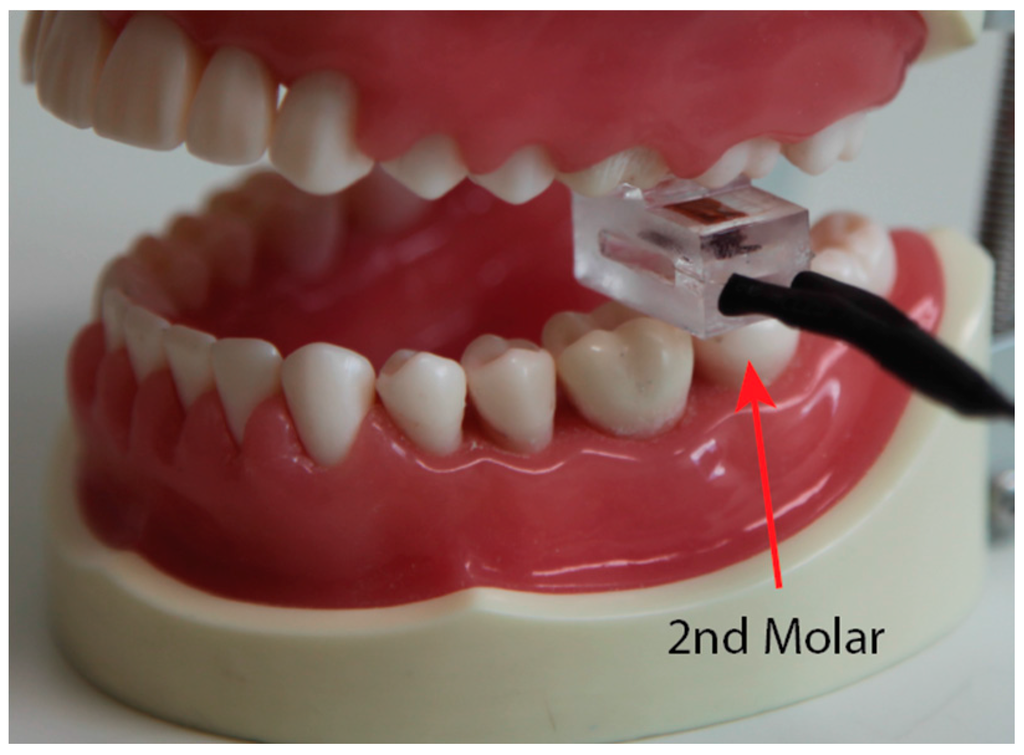
The industry standard has shifted toward ultra-thin flexible sensors, such as the T-Scan system. These digital occlusal analysis tools consist of a grid of pressure-sensitive resistors. When a patient bites down on the sensor, it provides a real-time, 3D map of force distribution across the dental arch. This allows engineers to see not just the peak force, but the timing and balance of the “bite event,” which is crucial for calibrating hardware and dental implants.
The Role of Electromyography (EMG) in Bite Force Analysis
While pressure sensors measure the output at the tooth level, Electromyography (EMG) technology measures the input from the muscles. By placing surface electrodes over the masseter and temporal muscles, tech-driven diagnostics can track the electrical activity that precedes the bite.
Integrating EMG data with digital force sensors provides a comprehensive “biometric profile.” This data fusion is essential for developing AI-driven diagnostic tools that can predict structural failures in dental work before they occur. By analyzing the synergy between muscle activation and force output, software can now identify whether a patient’s bite force is within a safe mechanical range or if it poses a risk to their biological or prosthetic structures.
Biomechanical Simulation: AI and Finite Element Analysis
Measuring the force is only the first step; predicting how that force interacts with different materials and structures is where software engineering takes center stage. In the fields of orthopedics and dentistry, Finite Element Analysis (FEA) has become the gold standard for simulating human bite force.
Digital Twins of the Human Mandible
One of the most exciting trends in medical technology is the creation of “Digital Twins.” By using high-resolution Cone Beam Computed Tomography (CBCT) scans, engineers can create a 3D digital replica of a person’s skull and jaw. This model is then imported into FEA software, where researchers can apply “virtual” bite forces.
This technology allows engineers to test how a specific jaw structure responds to 800 Newtons of pressure without ever touching a patient. These simulations reveal “stress hotspots”—areas where the bone or a prosthetic implant is most likely to fracture. By manipulating variables in the software, engineers can optimize the shape and placement of implants to ensure they can withstand the unique bite force profile of an individual user.

Predicting Stress Distribution via Machine Learning
Machine learning (ML) is now being layered over traditional FEA simulations. By feeding thousands of bite force datasets into neural networks, researchers are developing predictive models that can estimate long-term wear and tear.
For instance, an AI tool can analyze a patient’s bite force distribution and predict how a 3D-printed ceramic crown will hold up after ten years of use. This level of predictive maintenance, common in aerospace and automotive engineering, is now being applied to human biology. The result is a shift toward “personalized engineering,” where every dental or facial intervention is backed by a data-driven simulation of the user’s specific biomechanical capabilities.
Prosthetics and Robotics: Replicating Natural Force
The ultimate challenge in studying bite force is replicating it. For those who have lost natural function due to trauma or disease, technology must step in to provide a solution that is both strong enough to process food and sensitive enough to avoid self-damage.
Bio-mimicry in Modern Dental Implants
Modern dental implants are wonders of materials science. They are typically made from Grade 5 Titanium or Zirconia, materials chosen for their high “modulus of elasticity,” which closely mimics human bone. The engineering goal is to create a “bio-mimetic” interface. If an implant is too rigid, the bite force will be transferred directly to the bone, causing resorption; if it is too soft, it will fail under pressure.
Advanced CAD/CAM (Computer-Aided Design and Manufacturing) technologies allow for the milling of these components with micron-level precision. By using 5-axis CNC machines or industrial-grade 3D printers, engineers can create occlusal surfaces that are perfectly tuned to the user’s specific bite force dynamics, ensuring that the artificial teeth distribute pressure as efficiently as natural ones.
Wearable Tech and Smart Intraoral Devices
The next frontier in bite force technology is the “smart” prosthetic. Research is currently underway into intraoral wearables—small, sensor-laden mouthguards or “smart teeth” that monitor bite force in real-time. These gadgets are designed for athletes or patients with sleep disorders.
If a “smart guard” detects that the wearer is clenching their jaw with a force exceeding a certain threshold (often associated with stress or intense physical exertion), it can send a haptic alert to a smartphone or a smartwatch. This bio-feedback loop allows users to consciously modulate their jaw tension, preventing the mechanical failure of their teeth and reducing the risk of tension-related headaches. This is a prime example of how digital security—in this case, the “security” of one’s own physical health—is being managed through the Internet of Things (IoT).
The Future of Oral Tech: Beyond Physical Limits
As we look toward the future, the study of human bite force is moving beyond the repair of the body and toward the enhancement of it. The intersection of robotics, AI, and biotechnology is opening doors to “augmented” human capabilities.
Bio-feedback Systems and Preventative Health
Future iterations of bite-force tech will likely focus on preventative diagnostics. Imagine a sensor embedded in a permanent crown that measures the acidity and pressure of every meal. This data could be uploaded to a cloud-based health platform, where AI algorithms monitor for signs of systemic issues. A sudden change in bite force symmetry, for example, could be an early digital biomarker for neurological conditions like Parkinson’s or ALS, which often manifest in changed muscle control before other symptoms appear.
Tele-dentistry and Remote Monitoring Tech
The rise of tele-health is also driving innovation in bite force measurement. Portable, consumer-grade digital impression kits and pressure-sensitive films are being developed to allow patients to record their bite dynamics at home. This data can then be sent to a specialist thousands of miles away.
For engineers, this means a massive influx of “real-world” data. Rather than relying on controlled laboratory settings, tech companies can analyze how thousands of people use their jaws in daily life. This “big data” approach will refine our understanding of human bite force, leading to more resilient gadgets, safer surgical protocols, and a more profound understanding of the mechanical power housed within the human frame.
In conclusion, “what is a human bite force” is no longer just a question for biologists. It is a critical inquiry for the tech industry. Through the use of advanced sensors, AI simulations, and bio-mimetic materials, we are not only measuring this force—we are mastering it. As technology continues to integrate with our biology, our ability to quantify, simulate, and replicate the power of the human jaw will stand as a testament to the incredible synergy between human anatomy and digital innovation.
aViewFromTheCave is a participant in the Amazon Services LLC Associates Program, an affiliate advertising program designed to provide a means for sites to earn advertising fees by advertising and linking to Amazon.com. Amazon, the Amazon logo, AmazonSupply, and the AmazonSupply logo are trademarks of Amazon.com, Inc. or its affiliates. As an Amazon Associate we earn affiliate commissions from qualifying purchases.