
In the modern era of sleek tablets, high-refresh-rate OLED screens, and AI-driven educational software, the term “hornbook” might sound like an archaic relic from a fantasy novel. However, for those interested in the evolution of technology, user interface (UI) design, and the democratization of information, the hornbook represents the “Version 1.0” of portable educational hardware.
To understand what a hornbook is in a technological context is to understand the lineage of the devices we carry in our pockets today. It was the first mass-produced, durable, and handheld interface designed specifically for the consumption of data. This article explores the transition of the hornbook from a physical educational tool to its conceptual influence on modern software, EdTech (Educational Technology), and the future of digital literacy.
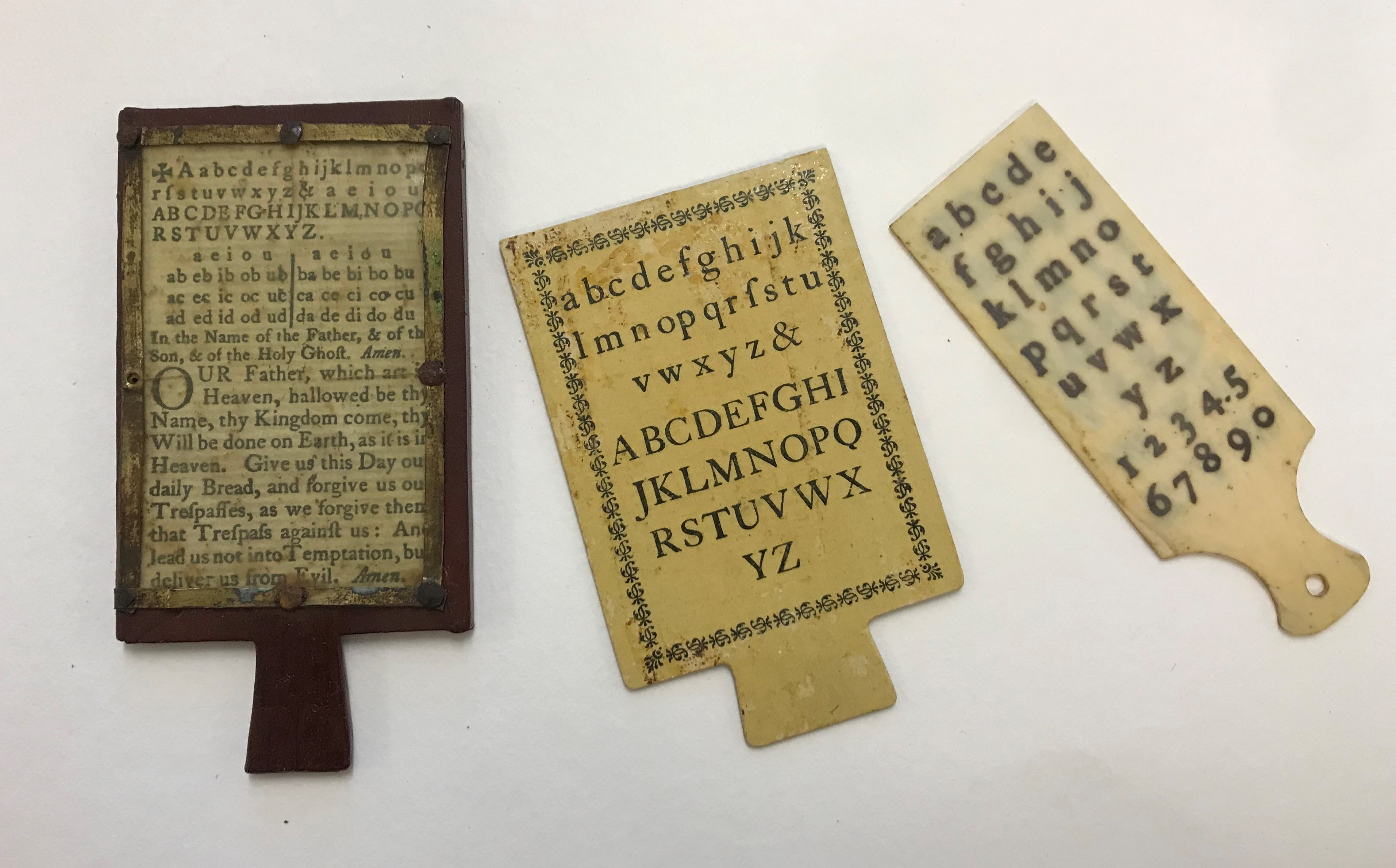
The Architecture of Information: The Original Handheld Device
Long before the Kindle or the iPad, the hornbook served as the primary interface for literacy. Originating in the 14th century, its design was remarkably “tech-forward” for its time, focusing on durability, portability, and user ergonomics.
Form Factor and Ergonomics
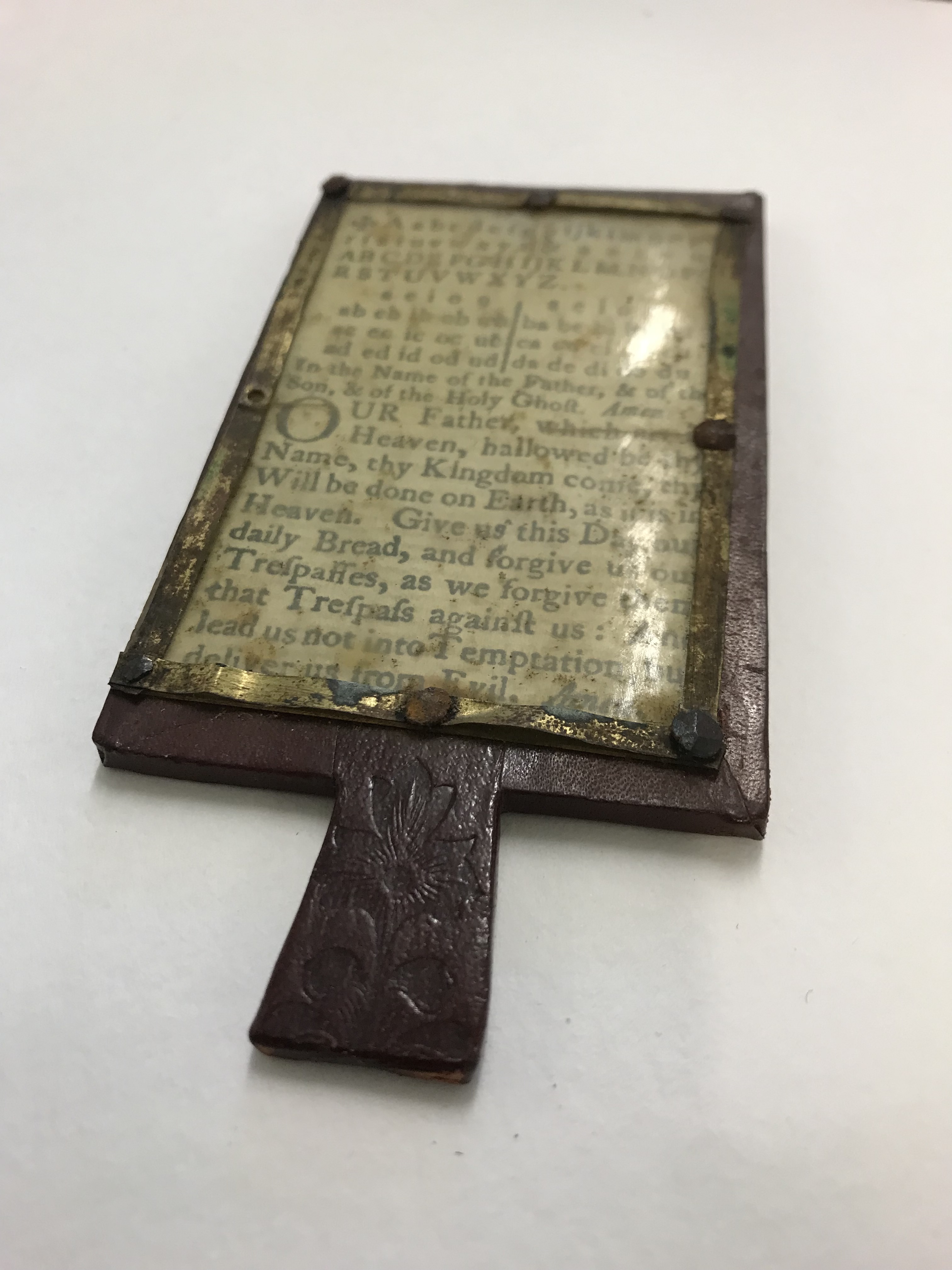
The physical construction of a hornbook consisted of a wooden paddle—often with a handle—onto which a piece of parchment or paper was fixed. This paper contained the foundational data of the era: the alphabet, Roman numerals, or basic prayers. To protect this “data” from the environmental hazards of a classroom or home, a thin, transparent sheet of animal horn was placed over the paper and secured with brass tacks.
From a hardware design perspective, the hornbook was the first device to address the “mobile user.” The handle allowed for easy gripping by small hands, and the “protective casing” (the horn) ensured that the content remained legible despite heavy use. This was the precursor to the screen protector and the ruggedized tablet, proving that the need for durable hardware interfaces is a centuries-old technological challenge.
The Durability of Physical Data
In the tech world, we often discuss “data persistence.” The hornbook was a masterpiece of analog data persistence. Unlike expensive vellum manuscripts or fragile scrolls, the hornbook was designed to be dropped, stepped on, and passed down through generations. It represented a shift from “high-end” technology (monastic books) to “consumer” technology. By creating a device that could survive the rigors of daily life, early technologists—then known as craftsmen—paved the way for the concept of ubiquitous computing, where tools are always at hand and ready for use.
The Digital Hornbook: How UX Design Inherited Ancient Wisdom
As we moved into the digital age, the “hornbook” evolved from a physical object into a design philosophy. In software development and User Experience (UX) design, the principles of the hornbook—simplicity, foundational knowledge, and ease of access—remain paramount.
Skeuomorphism and Familiarity
When Apple first introduced the iPad, the UI relied heavily on skeuomorphism—designing digital elements to look like their physical counterparts. The digital “bookshelf” and the page-turning animations were direct descendants of the hornbook’s tactile experience. The hornbook taught us that for a new technology to be adopted, it must be intuitive.
The “one-page” constraint of the hornbook is mirrored in modern mobile app design. Developers today strive to fit the most critical information onto a single “viewport” or screen. Just as a child in the 16th century looked at their hornbook to see the entire alphabet at once, a modern user looks at a dashboard to see their most vital metrics. This “at-a-glance” utility is the core of successful UI architecture.
Micro-learning and Information Chunking
The hornbook was the original platform for “micro-learning.” It didn’t attempt to teach a child everything at once; it focused on the building blocks. In modern EdTech software, this is known as “chunking.” Software like Duolingo or Khan Academy utilizes this ancient logic by breaking down complex subjects into small, digestible “screens” of information.
By identifying the hornbook as the progenitor of the “learning module,” tech developers can better understand how to structure tutorials and onboarding flows. The goal is to minimize cognitive load—a principle that the hornbook mastered by presenting only the most essential characters and symbols in a fixed, unchangeable format.
Modern EdTech: AI and the Next Generation of Educational Tools
Today, the “hornbook” has been subsumed by the “smart” device. However, the integration of Artificial Intelligence (AI) is bringing back the personalized, one-on-one nature of the original tool, albeit with significantly more processing power.
Adaptive Learning Algorithms
The original hornbook was static, but the modern digital hornbook is dynamic. Through Machine Learning (ML), educational software can now adapt the “content on the paddle” to the specific needs of the user. If a student struggles with a specific concept, the AI modifies the interface to reinforce that foundational data. This is the ultimate realization of the hornbook’s mission: to provide the foundational “key” to all other knowledge.
In the tech sector, we see this in “intelligent onboarding” for SaaS (Software as a Service) platforms. A modern app doesn’t just show you a manual; it acts as a digital hornbook, guiding you through the “alphabet” of the software’s features based on your behavior and skill level.
Beyond the Screen: AR and VR Primers
As we move toward Augmented Reality (AR) and Virtual Reality (VR), the concept of the hornbook is expanding into three-dimensional space. An AR “hornbook” might be a virtual overlay that identifies parts of a machine for a technician or translates a foreign language in real-time.
These tools serve the same purpose as the wooden paddle of old: they provide a simplified, accessible window into a complex world. The “interface” is no longer a piece of horn; it is a digital layer superimposed on reality. This represents the next frontier of tech tutorials, where the “book” is no longer a separate object but a part of the user’s field of vision.
The Hornbook of Digital Ethics and Data Sovereignty
As technology becomes more complex, the need for a “hornbook of digital literacy” has never been greater. In this context, the hornbook is not a device, but a set of foundational principles regarding how we interact with the digital world, specifically concerning security and privacy.
Protecting the Integrity of Knowledge
In the medieval era, the horn sheet protected the ink from being smudged or altered. In the digital age, we use encryption and blockchain technology to ensure “data integrity.” A modern digital hornbook for developers and tech-savvy users is the “Readme” file or the “Documentation”—the foundational text that explains how a system works and how to use it safely.
Ensuring that this foundational information is “covered” and protected from malicious actors is a primary concern of cybersecurity. Just as the horn kept the alphabet clear for the student, modern security protocols keep our digital identities clear and uncorrupted.
Open Source Documentation as a Modern Hornbook
The open-source movement is perhaps the truest spiritual successor to the hornbook. The hornbook was a tool for the masses, designed to break the monopoly that the elite had on information. Similarly, open-source software and its accompanying documentation provide the “alphabet” of the modern world—code—to anyone with an internet connection.
GitHub repositories and developer wikis serve as the “hornbooks” for the next generation of engineers. They provide the basic syntax and structures (the “alphabets”) upon which the entire digital economy is built. Understanding the “hornbook” of a specific programming language is the first step toward digital mastery.

Conclusion: The Persistence of the Foundation
What is a hornbook? In the 1500s, it was a piece of wood and a thin slice of animal horn. In the 2020s, it is the fundamental logic of our user interfaces, the structure of our educational apps, and the “getting started” guides of our most complex software.
The hornbook reminds us that no matter how advanced our gadgets become, the human need for a simple, durable, and foundational interface remains constant. As tech professionals, whether we are designing a new mobile app, training an AI model, or securing a network, we are essentially building modern hornbooks. We are creating the tools that allow users to grasp the basics of a complex system, providing them with the “handle” they need to hold onto knowledge in an ever-changing digital landscape.
The evolution from a wooden paddle to a smartphone is a story of material science and electronic engineering, but the evolution of the concept of the hornbook is a story of how we make information accessible, permanent, and empowering. As we look toward the future of tech, we must never lose sight of the hornbook’s primary lesson: the most powerful tools are often the ones that focus on the basics.
aViewFromTheCave is a participant in the Amazon Services LLC Associates Program, an affiliate advertising program designed to provide a means for sites to earn advertising fees by advertising and linking to Amazon.com. Amazon, the Amazon logo, AmazonSupply, and the AmazonSupply logo are trademarks of Amazon.com, Inc. or its affiliates. As an Amazon Associate we earn affiliate commissions from qualifying purchases.