
In the world of real estate investment and property management, the structural integrity of a building is more than just a matter of aesthetics; it is a critical component of the asset’s valuation and long-term financial viability. Among the various architectural choices available to developers and homeowners, the hipped roof stands out as a premier option that balances high-end curb appeal with significant financial advantages. Often characterized by its four sloping sides that meet at a ridge or a single point, the hipped roof is a staple in both traditional and contemporary design.

However, for the savvy investor or the budget-conscious homeowner, understanding what a hipped roof is requires looking beyond the shingles and rafters. It requires an analysis of construction costs, insurance premiums, maintenance lifecycles, and the eventual impact on resale value. This article explores the hipped roof through a financial lens, categorizing it as a strategic investment in the longevity and security of a real estate portfolio.
Understanding the Hipped Roof as a Real Estate Asset
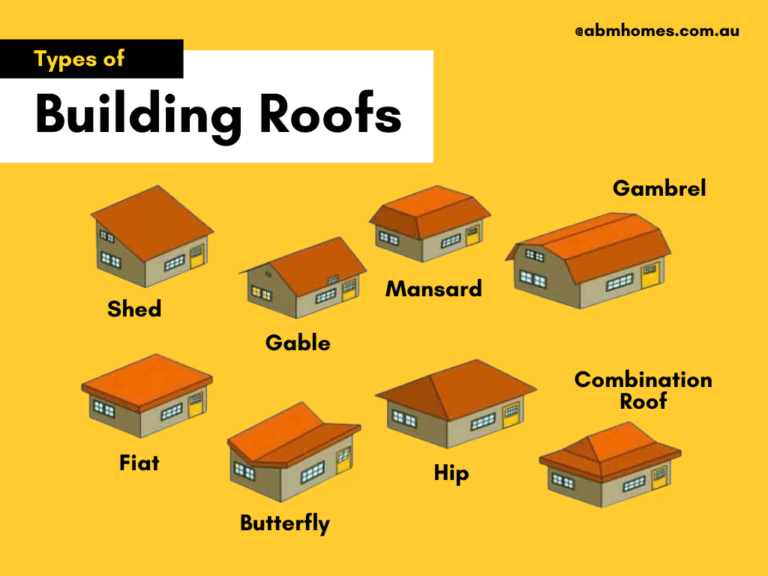
To evaluate the financial implications of a hipped roof, one must first understand its structural composition. Unlike a gable roof, which has only two sloping sides and flat ends, a hipped roof features slopes on all four sides. These sides are generally of equal length and come together at the top to form a ridge. In cases where the building is square, the roof takes on a pyramidal shape.
Stability and Longevity: The Investor’s Perspective
From a “Money” perspective, the primary value of a hipped roof lies in its inherent stability. Because the roof slopes inward from all four sides, the structure is self-bracing. This geometric configuration makes it significantly more durable than its counterparts during extreme weather events. For a property owner, this translates to a “hardened” asset. In regions prone to high winds or heavy snow, a hipped roof reduces the risk of structural failure, which preserves the underlying value of the property and prevents the catastrophic financial loss associated with roof collapses.
Aesthetic Appeal and Market Valuation
Real estate is as much about perception as it is about square footage. Hipped roofs are often associated with high-end architectural styles, such as French Provincial, Mediterranean, and Colonial designs. This association creates a “prestige premium.” When a property is listed on the market, the visual symmetry and perceived sturdiness of a hipped roof can justify a higher asking price. Appraisers often view the hipped roof as a superior feature compared to the more common and cheaper gable roof, potentially adding several percentage points to the home’s total valuation.
Cost-Benefit Analysis: Installation vs. Appreciation
While the financial benefits of a hipped roof are numerous, they come with a higher initial capital expenditure. For an investor or a homeowner planning a renovation, it is essential to conduct a cost-benefit analysis to determine if the long-term gains outweigh the upfront costs.
Upfront Capital Expenditure: Why Hipped Roofs Cost More
A hipped roof is undeniably more expensive to construct than a simple gable roof. There are three primary drivers for this increased cost:
- Material Volume: Because the roof covers all four sides of the structure, it requires more roofing material (shingles, underlayment, and flashing) than a gable roof of the same footprint.
- Complexity of Framing: The internal structure of a hipped roof involves complex “hip rafters” and “jack rafters.” This requires a higher level of carpentry skill and significantly more man-hours to complete.
- Waste Factors: Cutting shingles and materials to fit the diagonal hips results in more material waste, which adds to the total bill.
For a standard residential property, a hipped roof can cost 20% to 50% more than a gable roof. However, in the context of business finance and asset management, this is often viewed as a “front-loaded” investment that pays dividends through durability.
Material Efficiency and Long-Term Durability
Despite the higher initial cost, the life-cycle cost of a hipped roof can be lower. Because the design minimizes the exposure of “flat” vertical surfaces (like the gables of a gable roof), there is less siding to maintain and fewer areas for water to penetrate. In the long run, the reduction in siding repair and the increased protection of the building’s envelope can lead to lower “O&M” (Operations and Maintenance) expenses, improving the net operating income (NOI) for rental or commercial properties.

Risk Management: Insurance Premiums and Disaster Mitigation
In the realm of personal and business finance, risk management is paramount. The hipped roof is perhaps the most “insurable” roof shape in the industry, particularly in coastal regions or areas susceptible to hurricanes and tornadoes.
Wind Resistance: The Financial Shield
The aerodynamic properties of a hipped roof are a major financial asset. During high-wind events, wind flows over the sloped surfaces rather than catching against a flat gable end. This “uplift” resistance is critical. Insurance companies have decades of actuarial data showing that hipped roofs are far less likely to be blown off during a storm. For a property owner, this means the risk of a total loss claim is significantly reduced.
Navigating Homeowners Insurance Discounts
Because of the reduced risk, many insurance providers offer substantial discounts on premiums for homes with hipped roofs. In states like Florida or Texas, these discounts can be as high as 20% to 35% of the annual premium. Over a 30-year mortgage, the savings on insurance alone can often pay for the entire cost of the roof. Investors should always request a “wind mitigation inspection” to ensure the insurance company recognizes the hipped roof’s structural advantages, thereby maximizing the property’s cash flow by reducing fixed insurance costs.
Maintenance and Life-Cycle Costing
A wise financial manager looks at the “Total Cost of Ownership” (TCO). While the hipped roof offers protection and value, it also presents unique maintenance requirements that must be factored into a long-term financial plan.
Managing Drainage and Gutter Systems
Because a hipped roof has eaves on all four sides, it requires a more extensive gutter system than other roof types. From a maintenance budget perspective, this means:
- Higher Cleaning Costs: There are more linear feet of gutters to clear of debris.
- Increased Component Failure Points: More downspouts and miters increase the chances of leaks over time.
However, the benefit is superior drainage. By shedding water away from all four sides of the foundation, a hipped roof provides better protection against foundation settling and basement flooding—two of the most expensive repairs a property owner can face.
The Secondary Market: Reselling Homes with Hipped Roof Designs
When it comes time to liquidate a real estate asset, the hipped roof serves as a powerful selling point. In a competitive market, buyers are increasingly looking for “low-maintenance” and “weather-hardy” homes. Marketing a property as having a “full-hip roof” signals to the buyer that they will enjoy lower insurance rates and greater peace of mind. This can lead to a faster sale and a higher closing price, directly impacting the investor’s Internal Rate of Return (IRR).
Furthermore, the lack of gables means there are no large vertical walls at the roofline that require frequent painting or siding replacement. This reduced “exterior skin” maintenance is a hidden financial benefit that adds to the overall attractiveness of the property on the secondary market.
Conclusion: Is the Hipped Roof a Sound Financial Decision?
When asking “what is a hipped roof,” the answer should not merely be a description of its four slopes. Instead, it should be recognized as a sophisticated financial instrument in the world of property ownership. It represents a trade-off: higher initial capital expenditure in exchange for lower risk, reduced insurance premiums, and enhanced market value.
For the homeowner, it is a way to protect their most significant personal investment. For the real estate investor, it is a tool for risk mitigation and a strategy for increasing long-term yield. While the complexity of its design makes it more expensive to build, the hipped roof’s ability to withstand the elements and appeal to the market makes it a gold standard in architectural finance. In the final analysis, the hipped roof isn’t just a way to cover a building; it’s a way to secure a financial future.
aViewFromTheCave is a participant in the Amazon Services LLC Associates Program, an affiliate advertising program designed to provide a means for sites to earn advertising fees by advertising and linking to Amazon.com. Amazon, the Amazon logo, AmazonSupply, and the AmazonSupply logo are trademarks of Amazon.com, Inc. or its affiliates. As an Amazon Associate we earn affiliate commissions from qualifying purchases.