
In the world of marketing and brand strategy, few concepts are as potent—yet as difficult to replicate—as the “signature product.” When a specific item becomes synonymous with a geographic location or a cultural movement, it ceases to be a mere commodity and transforms into a powerful brand asset. In Washington, D.C., that asset is the Half Smoke.
To the uninitiated, a half smoke might look like a standard sausage or an oversized hot dog. However, from a brand strategy perspective, the half smoke represents a masterclass in regional identity, narrative-driven marketing, and cultural equity. This article explores the anatomy of the half smoke not as a culinary recipe, but as a branding phenomenon that demonstrates how local icons achieve global recognition.
The Anatomy of a Signature Brand: Defining the Half Smoke
Every strong brand begins with a unique value proposition (UVP). For the half smoke, its identity is rooted in its distinction from the generic “hot dog” or “sausage” categories. In branding, if you are perceived as “just another” version of an existing product, your pricing power and market share are limited. The half smoke avoids this trap through specific, defensible characteristics.
The Product Core: Distinctive Characteristics
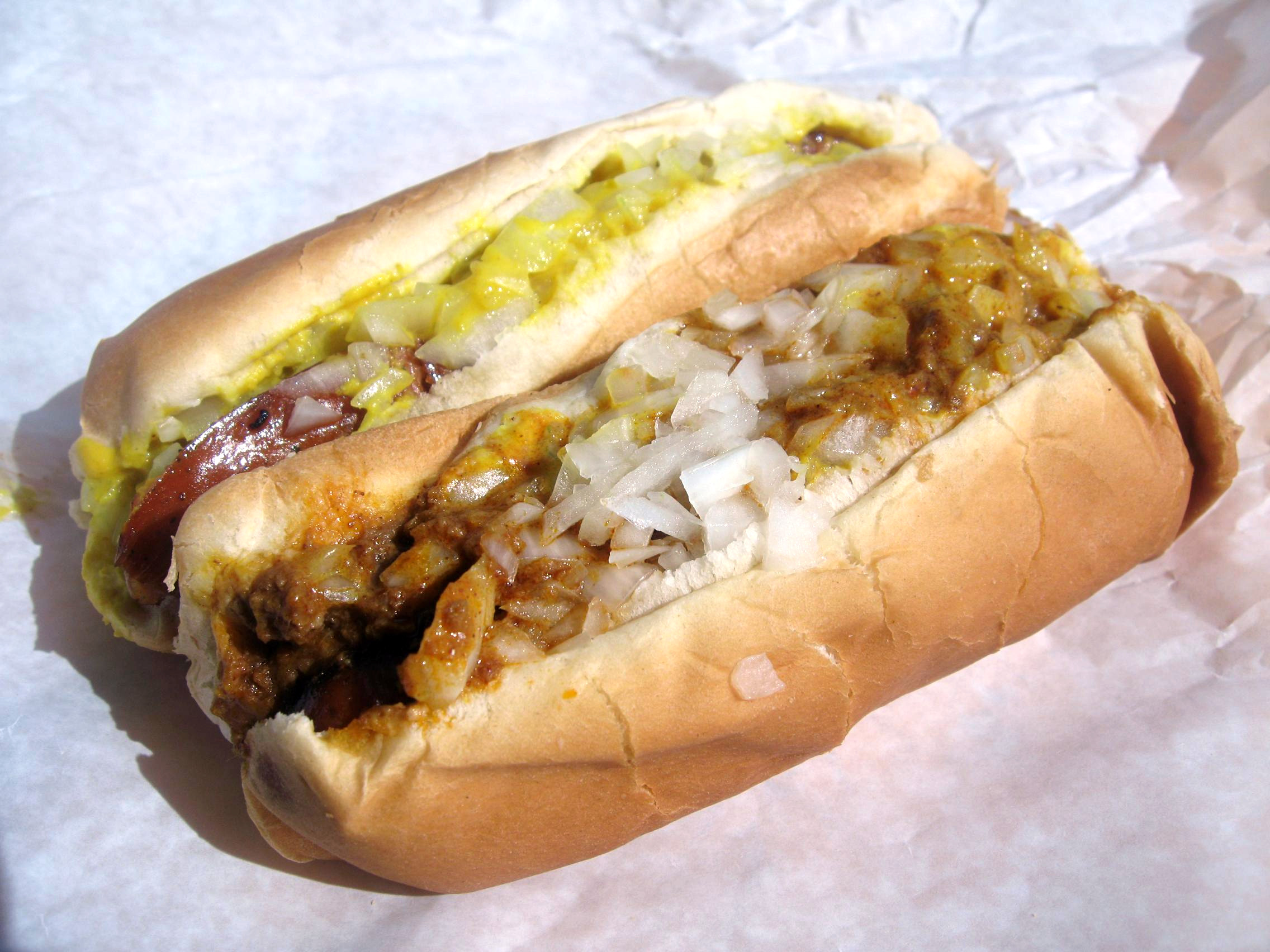
A brand’s physical attributes must reflect its promise. The half smoke is traditionally a sausage made of half beef and half pork (hence the name “half”), though all-beef versions exist. It is more coarsely ground than a standard frankfurter, heavily spiced with herbs and red pepper, and—most importantly—smoked.
From a design and sensory branding perspective, the half smoke offers a “snap” and a flavor profile that generic competitors lack. This “product excellence” is the foundation upon which the brand is built. You cannot build a lasting brand on a mediocre product; the half smoke’s longevity is a testament to its consistent quality and unique sensory profile.
The Origin Story: Building Mythos and Authenticity
In brand strategy, an “origin story” provides the emotional hook that connects a consumer to a product. While the exact origins of the half smoke are debated, its association with the mid-20th century culinary landscape of the nation’s capital provides a sense of “heritage branding.”
Brands that can claim historical roots often enjoy a level of trust that new market entrants cannot buy. The half smoke isn’t just a food item; it is a piece of Washingtonian history. By leaning into this history, the product creates a sense of authenticity—a high-value currency in modern marketing where consumers are increasingly skeptical of “manufactured” trends.
Place Branding: How the Half Smoke Became the Icon of Washington, D.C.
Place branding is the process of image communication and management with the purpose of creating a favorable reputation for a city or region. Just as Philadelphia has the cheesesteak and Chicago has the deep-dish pizza, Washington, D.C. uses the half smoke to define its local flavor.
The Ben’s Chili Bowl Effect
No discussion of the half smoke as a brand is complete without mentioning Ben’s Chili Bowl. In corporate strategy, this is known as a “Flagship Partnership.” Ben’s Chili Bowl, located on U Street, has acted as the primary brand ambassador for the half smoke since 1958.
The restaurant has leveraged its own brand equity—built through its history as a community pillar during the Civil Rights Movement—to elevate the half smoke. When a brand becomes associated with a physical landmark that attracts world leaders, celebrities, and tourists, its visibility increases exponentially. The “Ben’s Half Smoke” is no longer just a menu item; it is a “must-do” experience, shifting the product from a functional purchase (hunger) to an experiential one (tourism/culture).
Cultural Integration and Communal Ownership
A brand reaches its zenith when the community takes “ownership” of it. The half smoke has successfully integrated into the fabric of D.C. life. It is served at baseball stadiums, street carts, and high-end restaurants alike.
This ubiquity across different socioeconomic tiers is a branding triumph. It creates a “universal brand” that appeals to the local resident and the international visitor simultaneously. By being “of the people,” the half smoke avoids the “elitist” trap that many regional delicacies fall into, ensuring its market remains broad and resilient.
Brand Differentiation: Lessons from the Half Smoke’s Market Position
In a crowded marketplace, differentiation is the key to survival. The half smoke provides several lessons for brand managers looking to carve out a niche in a saturated industry.
Resisting Commoditization through Local Exclusivity
The greatest threat to a brand is commoditization—when a product is seen as interchangeable with others. The half smoke resists this by maintaining a degree of “geographical exclusivity.” While you can find sausages anywhere, a “D.C. Half Smoke” carries a specific connotation.
By limiting its “authentic” production to a specific region, the brand creates a “scarcity mindset.” Tourists feel compelled to try it because they cannot get the “real thing” elsewhere. This strategy of localized exclusivity builds a moat around the brand, protecting it from national competitors who might try to mass-produce a similar item.
Sensory Branding and Emotional Connection
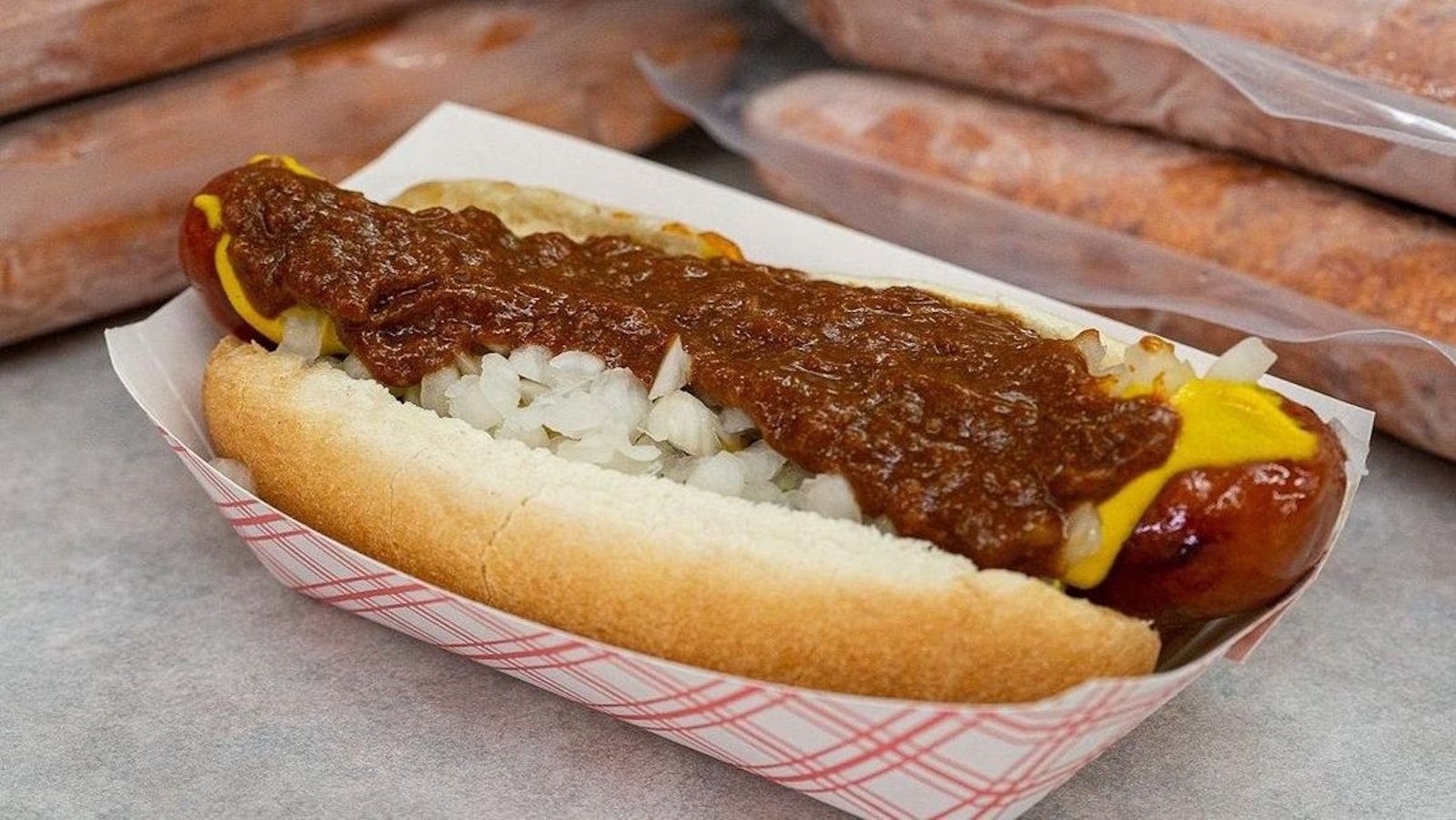
Effective branding appeals to the emotions, often through sensory triggers. The smell of a smoked sausage on a D.C. street corner, the visual of the chili-topped bun, and the specific texture of the meat all contribute to a “sensory brand identity.”
These sensory cues trigger nostalgia. For former residents or frequent visitors, the half smoke becomes a “bridge” to their memories of the city. In marketing, emotional loyalty is far more valuable than rational loyalty. A consumer might rationally know that a hot dog is cheaper, but they will emotionally choose the half smoke because of the feelings and memories associated with the brand.
Strategies for Scaling a Local Brand Without Losing Soul
As local brands grow, they often face the “expansion dilemma”: how do you scale without losing the authenticity that made you successful in the first place? The half smoke faces this challenge as D.C. chefs and entrepreneurs look to export the concept.
The Expansion Dilemma
When a brand goes “corporate” or “national,” it often loses its “cool factor.” To prevent this, the half smoke must be marketed not just as a product, but as a “story of D.C.” Successful expansion strategies for regional brands often involve:
- Maintaining Ingredient Integrity: Ensuring the specific “half-and-half” ratio and smoking process remain consistent.
- Story-First Marketing: Leading with the history of the product rather than just the price.
- Selective Partnership: Licensing the name only to vendors who understand the brand’s cultural significance.
Modernizing the Legacy Brand for New Demographics
To remain relevant, a brand must evolve. We see this with the half smoke as modern chefs experiment with artisanal versions—using wagyu beef, organic spices, or plant-based alternatives.
This “premiumization” of the brand allows it to capture a younger, more health-conscious or “foodie” demographic without alienating the core base. By offering a “Gold Standard” version of the traditional product, the half smoke brand can move up-market, increasing its margins and ensuring its survival in an evolving culinary landscape.

Conclusion: The Half Smoke as a Brand Blueprint
The half smoke is more than just a culinary staple; it is a resilient and powerful brand. It succeeds because it adheres to the fundamental principles of brand strategy: it has a clear differentiation, a compelling origin story, a strong geographic association, and a deep emotional connection with its audience.
For marketers and business leaders, the “What is a Half Smoke?” question yields a simple answer: it is a case study in how to turn a local commodity into a cultural icon. By focusing on authenticity and community integration, the half smoke has secured its place not just on the plates of Washingtonians, but in the annals of successful regional branding. Whether you are building a software startup or a local bakery, the lessons of the half smoke—consistency, story, and place—remain the ingredients for a brand that lasts.
aViewFromTheCave is a participant in the Amazon Services LLC Associates Program, an affiliate advertising program designed to provide a means for sites to earn advertising fees by advertising and linking to Amazon.com. Amazon, the Amazon logo, AmazonSupply, and the AmazonSupply logo are trademarks of Amazon.com, Inc. or its affiliates. As an Amazon Associate we earn affiliate commissions from qualifying purchases.