
In the world of alternative investments and high-margin reselling, niche markets often provide the most consistent returns for those with specialized knowledge. While many investors flock to stocks, crypto, or real estate, a quiet but lucrative secondary market has thrived for decades: the world of Victorian-era antiques. At the heart of this market sits the “fairy lamp.” To the uninitiated, a fairy lamp may look like a simple glass candle holder, but to the seasoned antique dealer or personal finance strategist, it represents a high-demand asset class with a fascinating history and significant profit potential.

Understanding what a fairy lamp is—and why it commands such high prices at auction—is the first step in tapping into a specialized side hustle or diversifying a tangible asset portfolio.
1. Understanding the Asset: The Anatomy and History of Fairy Lamps
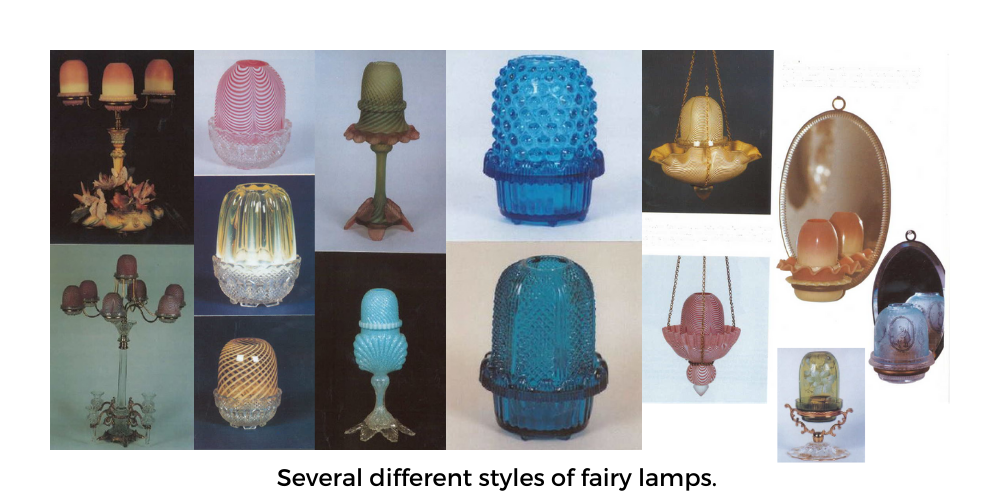
From a business perspective, a fairy lamp is a small, portable candle lamp consisting of two or three parts: a base (sometimes called a cup or saucer) and a dome-shaped shade that sits over a candle. These were designed to protect the flame from drafts and to diffuse light through decorative glass.
The Victorian Origin: Clarke’s Pyramid and Cricklite
The fairy lamp was patented in the mid-19th century, most notably by Samuel Clarke. In the 1880s, Clarke revolutionized the home lighting market by marketing these lamps not just as functional items, but as safety devices. Before electricity was widespread, open flames were a constant fire hazard. Clarke’s “Pyramid” and “Cricklite” brands became household names, creating a consumer brand loyalty that survives in collector circles today. For an investor, the “Clarke” stamp on the glass is equivalent to a “designer label,” significantly increasing the item’s liquidity and market value.
Materiality and Manufacturing: Glass as a Value Driver
The valuation of a fairy lamp is primarily driven by the quality of its glass. During the height of their popularity, prestigious glassmakers like Webb, Stevens & Williams, and various Bohemian factories produced shades in highly sought-after styles. For those looking to generate income through reselling, identifying the type of glass is crucial. Rare glass types such as Burmese (a yellow-to-pink gradient), Peachblow, and Satin glass represent the “blue-chip” stocks of the fairy lamp world.
2. Market Dynamics: Why Fairy Lamps are a Lucrative Side Hustle
The secondary market for fairy lamps operates on the classic economic principles of scarcity and specialized demand. Because these items are fragile and were produced over a century ago, the supply of mint-condition pieces is constantly dwindling, while the “shabby chic” and “maximalist” interior design trends continue to drive new buyers into the market.
Scarcity and Demand in the Antique Market
Unlike modern mass-produced decor, Victorian fairy lamps cannot be replenished. This “finite supply” model makes them an excellent hedge against inflation. In the world of online income, flipping antiques like fairy lamps offers a much higher profit margin than dropshipping or retail arbitrage. A savvy picker might find a rare fairy lamp at an estate sale for $20 and flip it on a specialized auction site for $400 to $600, depending on the glass pattern and rarity.
Identifying Authentic Pieces vs. Reproductions
In any high-value market, counterfeits are a risk. During the 1950s and 1970s, companies like Fenton and Viking produced “revival” fairy lamps. While these have their own market value, they do not command the same prices as original 19th-century Clarke lamps. As a financial strategy, one must learn the tactile differences—the weight of the glass, the presence of pontil marks (where the glass was blown), and the specific glow of uranium glass under UV light. Misidentifying a reproduction as an original can be a costly mistake, whereas identifying an undervalued original is where the profit lies.
3. Valuation Strategies: How to Price Your Inventory
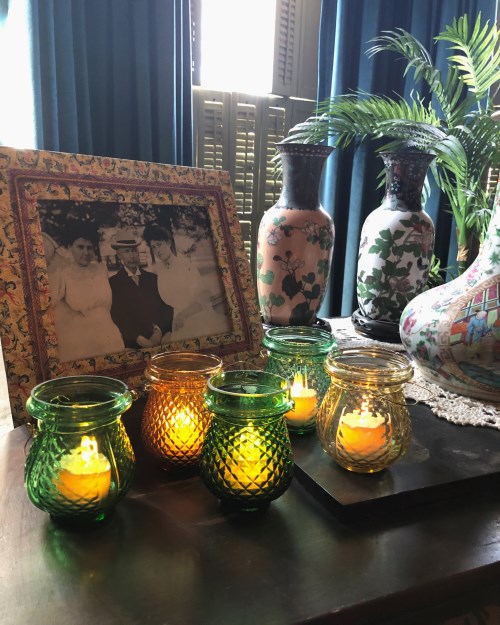
Valuing a fairy lamp requires more than just looking at eBay “Sold” listings; it requires an understanding of the nuances that drive collector desire. In the business of antiques, condition is everything, but rarity can sometimes override minor flaws.
Factors Influencing Price: Color, Patterns, and Signatures
When conducting an appraisal for resale, the hierarchy of value usually follows this order:
- Rarity of Glass: Art glass (hand-blown with multiple colors) is worth significantly more than pressed glass (clear or single-colored).
- Completeness: A fairy lamp consists of multiple pieces. A “married” set (a shade and base that didn’t originally go together) is worth less than an original matching set.
- Signatures: Lamps with “S. Clarke” embossed on the base or specific maker’s marks are easier to authenticate and thus easier to sell at a premium.
- Complexity: Lamps with multiple tiers or those mounted on ornate metal or porcelain stands (often featuring fairies or floral motifs) reach the highest price points in the four-figure range.
The Impact of Provenance on Resale Value
In the world of high-end investing, provenance—the history of an item’s ownership—can add a “premium” to the price. If a fairy lamp can be traced back to a specific prestigious collection or a notable Victorian estate, its narrative value increases. For a reseller, documenting this history is a form of value-added marketing that justifies a higher asking price.
4. Navigating the Sales Channels: Where to Buy and Sell
To turn the knowledge of fairy lamps into a viable income stream, one must master the logistics of the marketplace. This involves both “sourcing” (buying low) and “placement” (selling high).
Digital Platforms: eBay, Etsy, and Specialized Auctions
For the average side-hustler, eBay remains the most liquid market for fairy lamps due to its global reach. However, for high-end art glass pieces, specialized auction houses (like Morphy Auctions or Bertoia) may yield better results. Etsy is an excellent platform for “mid-tier” lamps where the buyer is looking for aesthetic decor rather than a pure investment. When selling online, high-resolution photography and “keyword-rich” descriptions (mentioning “Victorian,” “Art Glass,” and “Clarke”) are essential for maximizing ROI.
In-Person Sourcing: Estate Sales and Antique Shows
The most successful resellers often find their best “buy-in” prices at local estate sales or small-town auctions where the executors of an estate may not realize the specific value of “that old glass candle holder.” Developing a “eye” for these items allows an investor to spot value where others see clutter. Additionally, attending major antique shows allows for networking with “big-ticket” collectors who may be looking for specific pieces to complete their sets, allowing for private, high-margin sales without platform fees.
5. Risk Management and Portfolio Diversification
Investing in physical antiques like fairy lamps comes with a different set of risks than traditional financial instruments. Understanding these risks is part of a responsible business strategy.
Avoiding the Pitfalls of Fragile Assets
The most obvious risk is breakage. A single crack or “flea bite” (a tiny chip) can reduce a lamp’s value by 50% to 90%. Therefore, an investor must factor in the costs of specialized insurance, climate-controlled storage, and high-quality shipping materials. In the “Money” niche, this is known as “carrying cost.” If the cost of storing and insuring the item exceeds the projected appreciation, the investment may not be sound.
Long-term Growth vs. Short-term Flipping
A fairy lamp can be treated as a “flip” (buying and selling within 30 days for a quick 20-50% profit) or as a “hold” (buying a rare piece and waiting for the market to peak). Generally, the most unique and rare pieces of art glass appreciate over time, making them a “buy and hold” asset. Conversely, common pressed-glass fairy lamps are better suited for high-volume, short-term flipping.
In conclusion, a fairy lamp is far more than a decorative relic of the Victorian era. It is a sophisticated asset class within the antique market that offers high entry-level accessibility for resellers and deep complexity for serious investors. By mastering the history, glass types, and market dynamics of these small but mighty objects, anyone with an eye for detail can turn a hobby into a profitable business venture. Whether you are looking for a creative side hustle or a way to diversify your physical assets, the fairy lamp market provides a luminous opportunity for financial growth.
aViewFromTheCave is a participant in the Amazon Services LLC Associates Program, an affiliate advertising program designed to provide a means for sites to earn advertising fees by advertising and linking to Amazon.com. Amazon, the Amazon logo, AmazonSupply, and the AmazonSupply logo are trademarks of Amazon.com, Inc. or its affiliates. As an Amazon Associate we earn affiliate commissions from qualifying purchases.