
In the realm of high-level brand strategy, every word serves a purpose. From the punchy rhythm of a tagline to the expansive vision of a mission statement, language is the vehicle through which a brand’s soul is communicated to the world. However, there is a sophisticated literary tool that often goes underutilized in the corporate world, yet holds the power to elevate a brand from a mere vendor to a cultural icon: the epigraph.
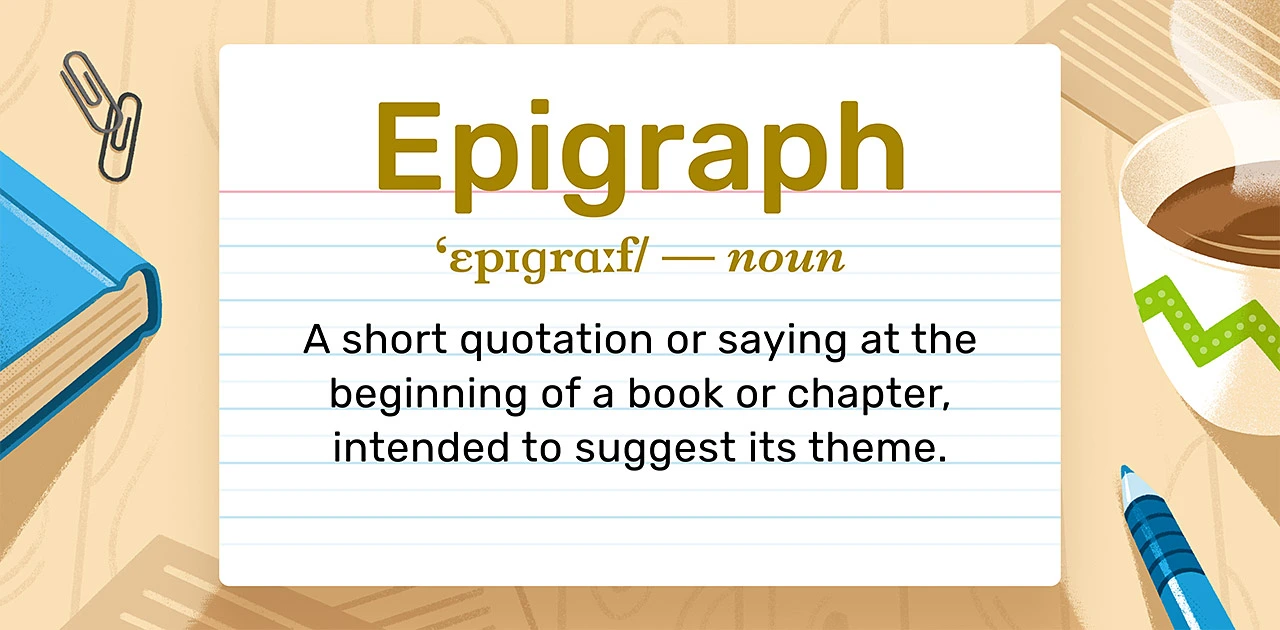
Traditionally, an epigraph is a short quotation or saying at the beginning of a book or chapter, intended to suggest its theme. In the context of branding and corporate identity, an epigraph serves as a thematic anchor. It is the “pre-introduction” that sets the emotional and intellectual stage for the consumer’s journey. It frames the brand’s narrative within a broader human context, signaling to the audience that they are about to engage with something deeper than a simple transaction.
1. What is a Brand Epigraph? Redefining a Literary Tool for Business
To understand the epigraph in a branding context, one must first distinguish it from more common marketing elements. While a tagline is a promise of value and a slogan is a call to action, an epigraph is an invitation to a philosophy.
The Distinction Between Epigraphs and Taglines
A tagline like Nike’s “Just Do It” is designed for instant recall and brand association. It is consumer-facing and action-oriented. In contrast, a brand epigraph is often found in the internal brand book, on the opening page of an annual report, or etched into the foyer of a corporate headquarters. It doesn’t necessarily mention the product. Instead, it might quote a philosopher, a scientist, or an anonymous proverb that encapsulates the spirit behind the innovation.
The Psychological Impact of Framed Narratives
When a brand uses an epigraph, it employs a psychological technique known as “framing.” By opening a brand presentation or a website’s “About” section with a poignant quote, the brand inherits the authority and wisdom of the source. It tells the customer, “Our values are aligned with this timeless truth.” This creates an immediate sense of gravity and intellectual prestige, positioning the brand as a thought leader rather than just a market competitor.
Creating an Intellectual Barrier to Entry
In luxury branding, the epigraph serves an additional purpose: exclusivity. By referencing complex ideas or historical wisdom, a brand signals that it caters to a sophisticated audience. It suggests that to fully appreciate the brand, one must understand the depth of the philosophy that drives it. This elevates the brand’s perceived value and fosters a sense of “intellectual belonging” among its clientele.
2. The Strategic Function of the Epigraph in Corporate Identity
Incorporating an epigraph into a brand strategy is not merely an aesthetic choice; it is a strategic maneuver designed to solidify corporate identity and unify internal culture.
Humanizing the Corporate Machine
In an era where consumers are increasingly skeptical of “faceless” corporations, the epigraph provides a glimpse into the company’s moral and philosophical compass. It replaces corporate jargon with human wisdom. For a tech firm, an epigraph about the nature of human connection can soften the coldness of software code. For a financial institution, a quote about stewardship and legacy can build trust far more effectively than a chart showing quarterly growth.
Unifying Internal Brand Culture
A brand is only as strong as the people who build it. For internal teams, the epigraph acts as a North Star. When employees understand the “why” behind their work—framed through a compelling epigraph—they are more likely to feel a sense of purpose. It becomes a shared reference point that transcends departmental silos, ensuring that the marketing team, the product developers, and the executive suite are all reading from the same metaphorical book.
Establishing the Brand’s “Hero’s Journey”
Every great brand story follows a narrative arc. The epigraph serves as the “Prologue” to this story. It identifies the tension the brand seeks to resolve. For example, a sustainable fashion brand might use an epigraph about the beauty of the natural world to frame its entire supply chain as a quest to protect that beauty. This transforms the purchase of a garment into a meaningful act within a larger story.
3. Implementing the Epigraph Across Different Brand Touchpoints
Once a brand identifies its core epigraph, the challenge lies in its execution. To be effective, the epigraph must be integrated subtly and strategically across various brand touchpoints.
Digital Experience: Website Headers and Landing Pages
In digital design, the epigraph can be used to create a “moment of pause.” Before the user is hit with a “Buy Now” button or a list of features, a minimalist landing page featuring nothing but a powerful epigraph can create a profound first impression. This is particularly effective for high-end service providers, architects, and creative agencies where the “vision” is the primary selling point.
Physical Spaces: Architecture and Interior Branding
For physical brands, the epigraph can be literally built into the environment. Imagine a corporate headquarters where the mission-critical philosophy is subtly etched into the glass of the boardroom or displayed in a minimalist font in the lobby. This turns the physical office into a “temple” of the brand’s values, influencing the mindset of both employees and visiting clients.
Printed Collateral: Brand Books and Annual Reports
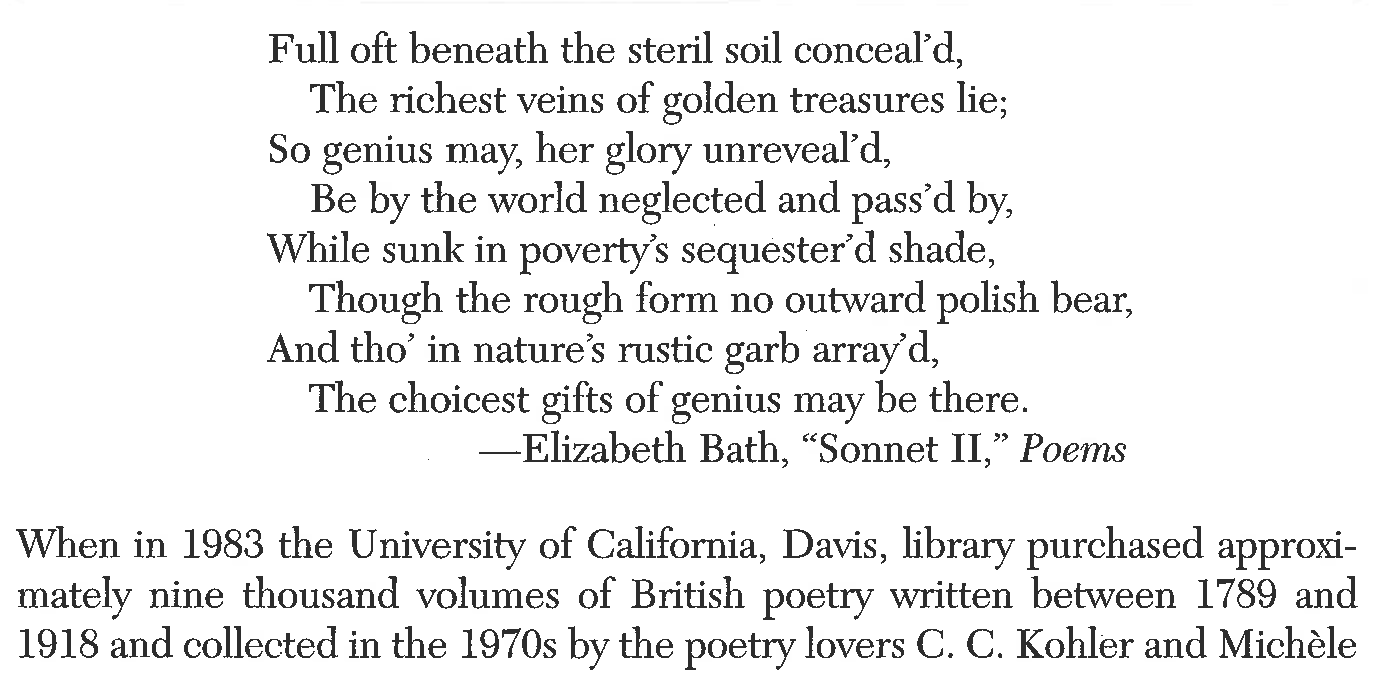
The most traditional home for an epigraph is in printed media. A brand book—the “bible” of a company’s identity—should almost always begin with an epigraph. It sets the tone for the design guidelines and tone-of-voice instructions that follow. Similarly, an annual report that begins with a quote about resilience or long-term vision can help shareholders see past short-term market fluctuations and focus on the brand’s enduring strength.
4. Case Studies: Brands that Use Epigraphs to Command Authority
While many brands use quotes in their social media, few use the epigraph as a foundational pillar of their identity. Those that do often command the highest levels of brand equity.
The Luxury Sector: Chanel and Heritage
Luxury houses like Chanel often use the words of their founders as epigraphs. Quotes from Coco Chanel serve not just as inspiration, but as a “ruling” on what the brand stands for. By opening their collections or marketing films with her words, they maintain a direct line to their heritage, ensuring that the brand remains timeless even as designers change.
The Innovation Sector: Apple’s “Think Different”
While “Think Different” was a campaign tagline, the legendary “Crazy Ones” poem functioned as a brand epigraph for the entire Apple ecosystem in the late 90s and early 2000s. It wasn’t about the specifications of the iMac; it was a philosophical statement about the type of person who uses Apple products. It framed the brand as the tool of the rebel and the visionary.
The Sustainability Movement: Patagonia
Patagonia often uses quotes from naturalists and environmentalists in their catalogs and films. These epigraphs serve to remind the consumer that the brand’s true “competitor” is environmental degradation. By framing their business through the lens of environmental philosophy, they have built a community of brand advocates that is arguably the most loyal in the retail industry.
5. How to Craft or Select a Compelling Epigraph for Your Brand
Selecting the right epigraph requires a deep dive into the brand’s DNA. It is a process of curation and alignment.
Identifying Your Core Archetype
Before choosing an epigraph, you must know your brand archetype. Is your brand the “Explorer,” the “Sage,” or the “Creator”? An Explorer brand might look to the journals of Ernest Shackleton for an epigraph, while a Sage brand might look to the meditations of Marcus Aurelius. The quote must resonate with the fundamental personality of the business.
Original vs. Curated Epigraphs
Should you use a famous quote or write something original? A curated quote from a historical figure brings instant authority and “borrowed equity.” However, an original epigraph—written by the founder or a visionary leader—can be more authentic and specific to the brand’s unique mission. The key is brevity and resonance; it must be a “truth” that the brand intends to live by.

Testing for Resonance and Longevity
A brand epigraph is not a seasonal headline; it should be intended to last for decades. When selecting one, ask:
- Does this quote still hold true if our product line changes?
- Does this evoke an emotional response in our core demographic?
- Is it simple enough to be remembered, but deep enough to be pondered?
In conclusion, the epigraph is the ultimate tool for brands that wish to communicate depth and purpose. By reaching beyond the language of commerce and tapping into the world of philosophy and literature, a brand can frame its narrative in a way that is both timeless and transformative. In a marketplace crowded with noise, the quiet, authoritative voice of an epigraph can be the most powerful sound of all.
aViewFromTheCave is a participant in the Amazon Services LLC Associates Program, an affiliate advertising program designed to provide a means for sites to earn advertising fees by advertising and linking to Amazon.com. Amazon, the Amazon logo, AmazonSupply, and the AmazonSupply logo are trademarks of Amazon.com, Inc. or its affiliates. As an Amazon Associate we earn affiliate commissions from qualifying purchases.