
In the realm of real estate investing and personal finance, land is often considered the ultimate tangible asset. However, owning a piece of property does not always mean you have exclusive control over every square inch of it. Enter the “easement.” For investors, homeowners, and developers, understanding easements is not merely a legal necessity; it is a critical component of financial due diligence. An easement can significantly impact a property’s market value, its development potential, and the long-term return on investment (ROI).
This guide explores the financial intricacies of easements, how they function within the real estate market, and what every wealth-conscious property owner needs to know before signing a closing statement.
1. The Financial Fundamentals of Easements
At its core, an easement is a legal right that allows one party to use a portion of land owned by another party for a specific, limited purpose. From a “Money” perspective, an easement represents a non-possessory interest in real estate. While the titleholder remains the owner, they must “burden” their property to accommodate the needs of another entity, whether that is a neighbor, a utility company, or the government.
The Dominant vs. Servient Estate
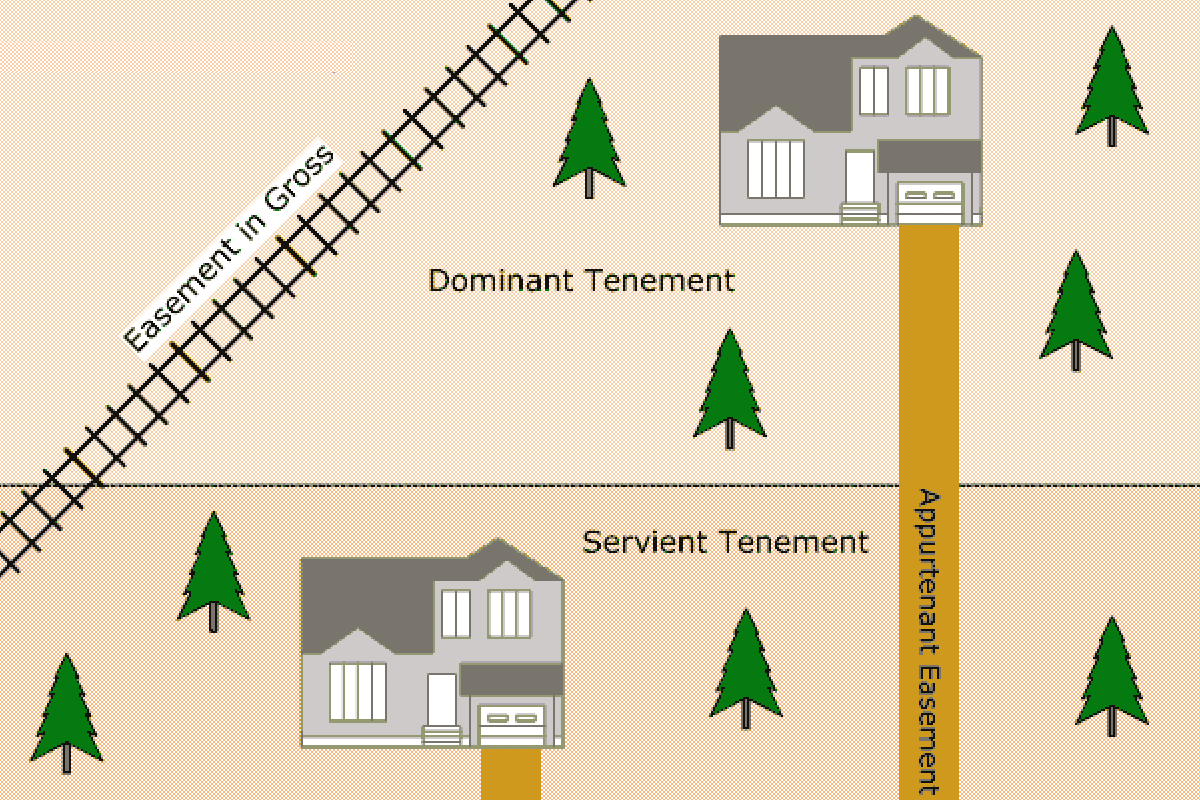
In the financial analysis of a property, it is vital to identify which side of the easement the property sits on. The “Dominant Estate” is the party that benefits from the easement. For example, if your land is landlocked and you have an easement to drive across a neighbor’s parcel, your property value is enhanced because it gains accessibility. Conversely, the “Servient Estate” is the property that is burdened by the easement. For the servient owner, the easement can represent a liability or a restriction on how the land can be utilized, which may negatively impact its appraisal value.
Private vs. Public Easements
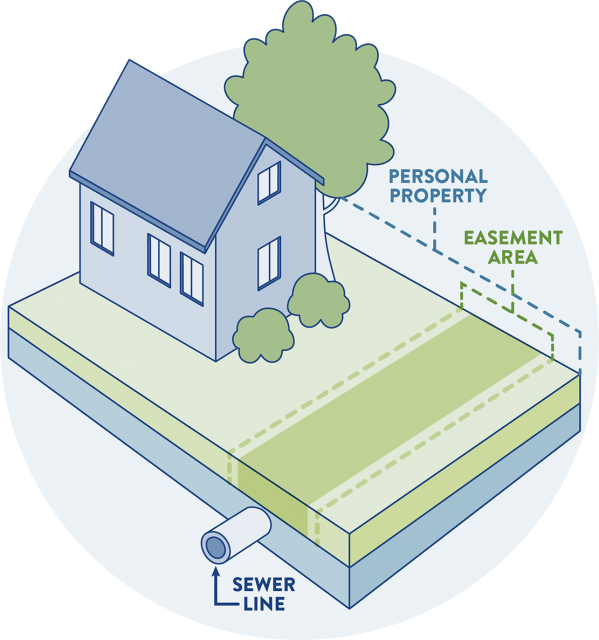
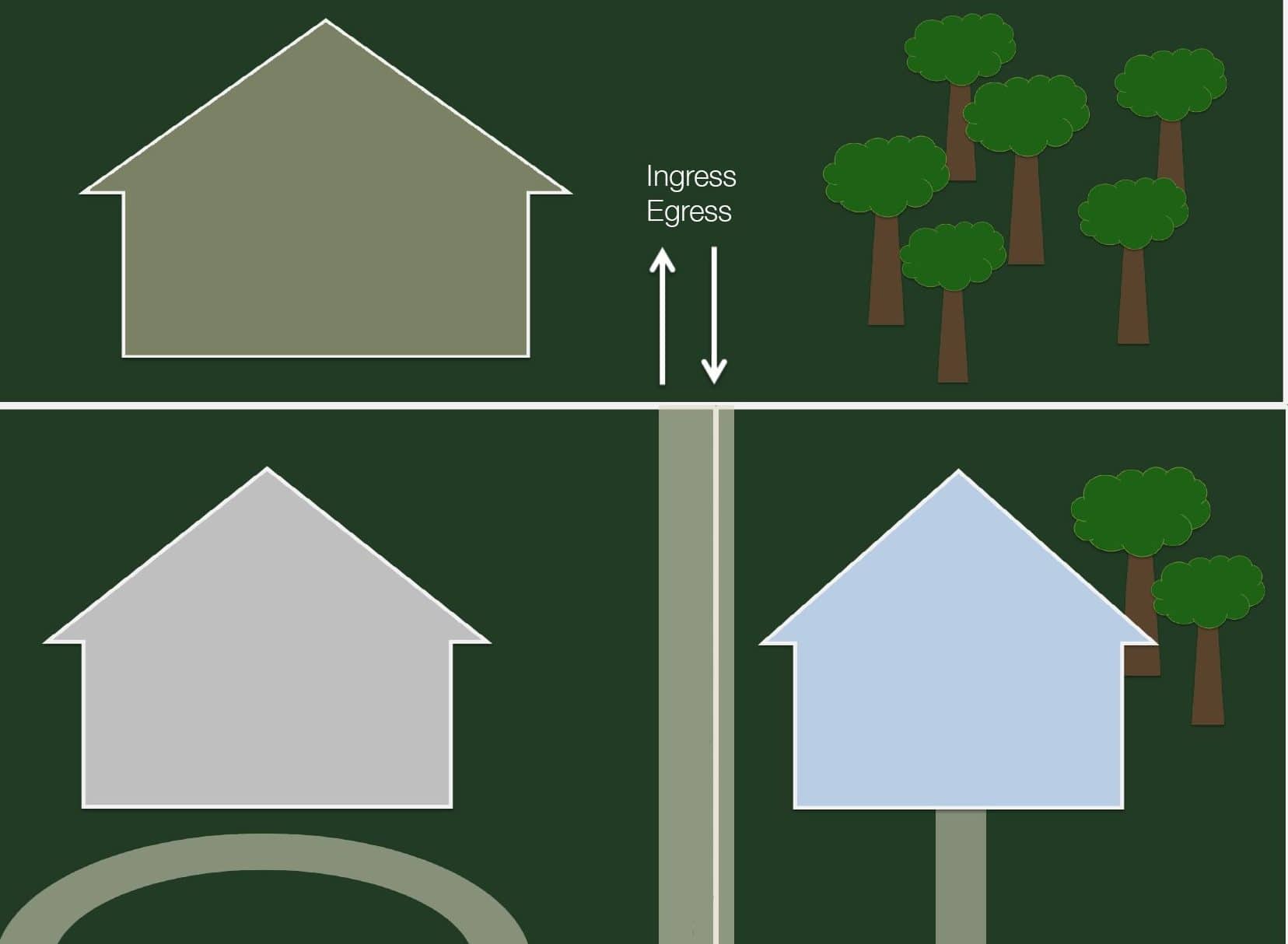
Easements generally fall into two financial categories: private and public. Private easements are often negotiated between neighbors (such as for a shared driveway) and can sometimes be purchased or sold, creating a direct financial transaction. Public easements, such as those for power lines, water pipes, or public sidewalks, are usually non-negotiable and are mandated by local municipalities or utility providers. For an investor, public easements are often a double-edged sword: they provide the necessary infrastructure for the property to function but may limit the footprint of where new structures can be built.
2. Common Types of Easements and Their Economic Impact
Not all easements are created equal. The type of easement attached to a property title can dictate everything from the cost of property insurance to the feasibility of a commercial development project.
Easements Appurtenant
An easement appurtenant “runs with the land.” This means the easement is permanently attached to the property, regardless of who owns it. From an investment standpoint, this is the most common type found in residential real estate. If you buy a home with an easement appurtenant that allows you access to a nearby lake, that right adds significant “lifestyle value” which translates into a higher resale price. Because it is permanent, it provides financial stability and predictability for future buyers.
Easements in Gross
Unlike easements appurtenant, an easement in gross attaches to a specific individual or entity rather than the land itself. The most frequent example is a utility easement. A power company holds an easement in gross to maintain lines across your backyard. For a property owner, these are generally viewed as neutral or slightly negative financial factors. They rarely add value to the property, but if a utility company has the right to dig up your expensive landscaping to fix a pipe, it represents a potential hidden cost.
Prescriptive Easements
Prescriptive easements are perhaps the most financially dangerous for landholders. These arise when someone uses a portion of your land openly, notoriously, and continuously for a statutory period (often 5 to 20 years) without your explicit permission. If a neighbor consistently uses your path to get to the woods and you never stop them, they may eventually gain a legal easement. This can lead to a “clouded title,” making the property much harder to sell or refinance, as it signals a lack of control over the asset.
3. How Easements Affect Property Valuation and ROI
For any real estate investor, the bottom line is how an encumbrance affects the “highest and best use” of the land. Easements can act as invisible barriers to wealth creation if they are not factored into the initial purchase price.
Diminution of Value
The most direct financial impact of an easement is the potential reduction in property value. If an easement prevents a developer from building an additional dwelling unit (ADU) or a swimming pool, the property’s income potential is capped. Appraisers will often subtract value from a property if an easement is deemed “intrusive.” For instance, a high-voltage power line easement through the middle of a residential lot can decrease the market price by 10% to 30%, depending on the local market’s sensitivity to such structures.
Enhancing Marketability and Utility
Conversely, some easements are essential for a property to have any value at all. Access easements for landlocked parcels are the difference between a worthless piece of dirt and a buildable lot. Furthermore, utility easements—while restrictive—bring the water, electricity, and fiber-optic internet that make modern properties habitable and profitable. In commercial real estate, reciprocal parking easements between shopping centers can drive higher foot traffic and higher rents for all involved parties.
Impact on Mortgage Lending and Title Insurance
Lenders are risk-averse. If an easement is too restrictive, a bank may refuse to issue a mortgage, viewing the collateral as insufficient. Similarly, title insurance companies meticulously document easements. If an undisclosed easement is discovered after the purchase, it can lead to costly legal battles. Investors must ensure their title insurance policy covers “easement disputes” to protect their capital from unforeseen legal drains.
4. Strategic Due Diligence: Navigating Easements for Profit
Smart money moves involve uncovering what others miss. During the due diligence phase of a real estate transaction, easements should be a primary focus of your financial investigation.
Reviewing Surveys and Title Reports
The first step in any property investment is a professional land survey and a preliminary title report. These documents will map out exactly where easements lie. A “blanket easement,” which allows a utility company to place equipment anywhere on the property, is a major red flag that requires negotiation. By identifying these early, an investor can either negotiate a lower purchase price or require the seller to clear the title of unnecessary encumbrances.
Negotiating Easement Agreements
Easements are not always static; they can be business opportunities. If a developer needs an easement through your property to reach a new subdivision, you are in a position to negotiate a “Right of Way” payment. This can be a significant source of one-time income or even ongoing lease payments. Understanding the market rate for such access is a niche but lucrative aspect of real estate finance.
Terminating Easements to Unlock Value
Sometimes, the most profitable move an investor can make is terminating an old, obsolete easement. Easements can be extinguished through “merger” (buying the neighboring property), “abandonment” (proving the holder no longer uses it), or by reaching a financial settlement with the easement holder. Clearing a property of a restrictive easement can “unlock” the land for development, instantly increasing the property’s equity.
5. The Long-Term Financial Outlook of Easement Management
As real estate markets become more crowded and land becomes scarcer, the complexity of easements is likely to grow. From a personal finance perspective, managing your property rights is just as important as managing your stock portfolio.
Maintenance Responsibilities and Liability
One often overlooked financial aspect is the cost of maintenance. Generally, the dominant estate (the user) is responsible for maintaining the easement area, but disputes are common. If a shared driveway develops a sinkhole, who pays for the repair? Without a clear, recorded easement agreement that outlines cost-sharing, you could find yourself in an expensive litigation process that eats into your annual savings.
Tax Implications
In some jurisdictions, granting a “Conservation Easement”—where you agree to never develop a portion of your land—can lead to massive federal income tax deductions and lower property tax assessments. For high-net-worth individuals, this is a sophisticated financial tool used to preserve wealth and protect the environment simultaneously. It allows the owner to retain ownership of the land while significantly reducing the “carrying costs” (taxes) of the asset.
Conclusion: Easements as a Component of Net Worth
In the world of money and real estate, knowledge is the most valuable currency. An easement is more than just a line on a map; it is a legal and financial instrument that dictates the flow of value. Whether you are a first-time homebuyer looking to protect your equity or a seasoned investor seeking to maximize ROI, understanding the nuances of easements ensures that your real estate investments remain robust, liquid, and profitable. Always consult with a real estate attorney and a financial advisor to ensure that the easements on your property are working for your financial future, not against it.
aViewFromTheCave is a participant in the Amazon Services LLC Associates Program, an affiliate advertising program designed to provide a means for sites to earn advertising fees by advertising and linking to Amazon.com. Amazon, the Amazon logo, AmazonSupply, and the AmazonSupply logo are trademarks of Amazon.com, Inc. or its affiliates. As an Amazon Associate we earn affiliate commissions from qualifying purchases.