
In the rapidly evolving landscape of healthcare, the Doctor of Nursing Practice (DNP) has emerged as a pinnacle credential for nursing professionals. However, beyond the clinical prestige and advanced diagnostic capabilities, the DNP represents a significant strategic pivot in one’s personal financial portfolio. For many in the medical field, the transition from a Master of Science in Nursing (MSN) to a DNP is not merely an academic pursuit; it is a calculated investment in human capital designed to maximize lifetime earnings, open doors to executive-level compensation, and provide a platform for entrepreneurial ventures.
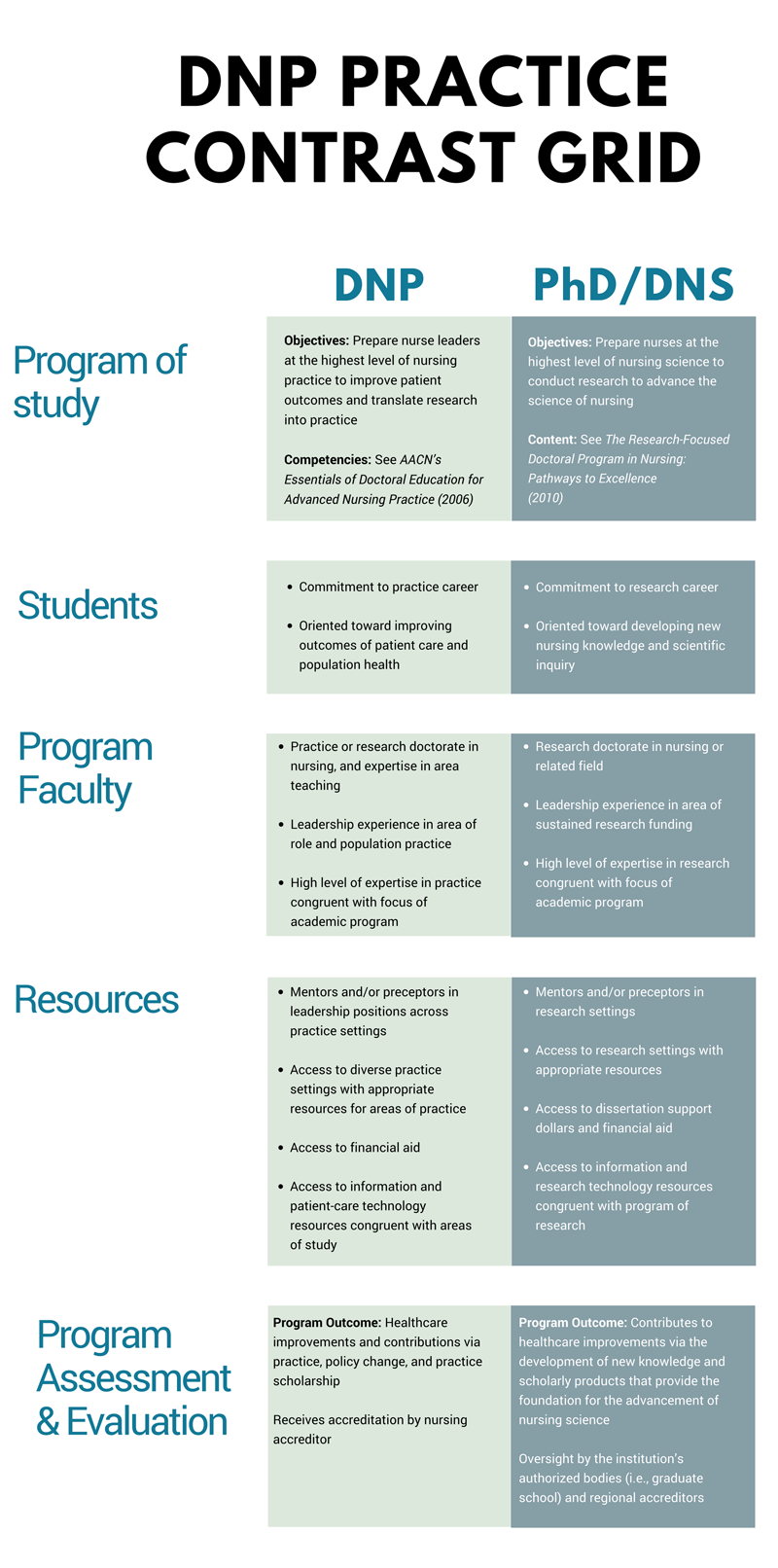
To understand what a DNP is through a financial lens, one must view it as a high-yield asset. As healthcare systems shift toward value-based care and fiscal accountability, the demand for clinicians who can bridge the gap between bedside care and boardroom economics has never been higher. This article explores the DNP degree within the niche of personal finance, business leadership, and career ROI.
The Financial Landscape of the Doctor of Nursing Practice (DNP)
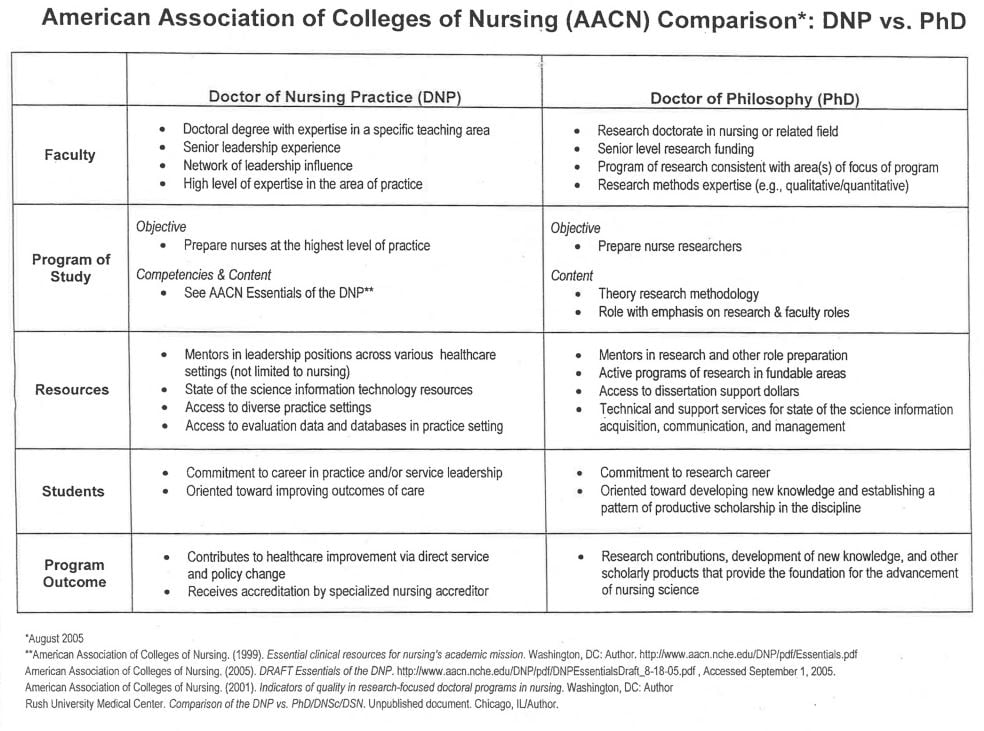
The decision to pursue a DNP is a complex financial equation. Unlike the PhD, which is research-focused and often funded through grants or university stipends, the DNP is a clinical doctorate. This means the individual often carries the burden of tuition, making the analysis of “return on investment” (ROI) critical from day one.
The Cost of Higher Education: Tuition and Opportunity Costs
A DNP program can cost anywhere from $30,000 to over $100,000, depending on the institution’s prestige and whether it is a public or private entity. However, the true cost is the “opportunity cost”—the income lost if a nurse reduces their working hours to study. To mitigate this, many modern DNP programs are structured for the working professional, allowing for “earn-while-you-learn” models. From a financial planning perspective, utilizing employer tuition reimbursement programs can significantly lower the principal investment, effectively turning a high-cost degree into a subsidized asset.
Comparative Analysis: MSN vs. DNP Earning Potential
Historically, the MSN was the standard for Advanced Practice Registered Nurses (APRNs). However, as the American Association of Colleges of Nursing (AACN) moves toward making the DNP the entry-level requirement for advanced practice, the “credential premium” is becoming more pronounced. On average, DNP-prepared nurses command higher starting salaries in specialized fields such as nurse anesthesia, psychiatric mental health, and executive leadership. Over a 20-to-30-year career, the delta between MSN and DNP earnings can amount to hundreds of thousands of dollars in cumulative wealth.
Strategic Career Positioning: Moving into High-Yield Healthcare Leadership
While many DNPs remain in direct patient care, a significant portion of the degree’s value lies in its application to healthcare administration and corporate leadership. The DNP curriculum emphasizes systems leadership and policy, equipping nurses to handle the fiscal complexities of modern hospitals.
Executive Roles and Corporate Compensation
The DNP is a gateway to the C-suite. Roles such as Chief Nursing Officer (CNO), Director of Patient Safety, or Vice President of Clinical Operations are increasingly reserved for those with doctoral preparation. In these positions, the compensation structure shifts from hourly wages or base salaries to executive packages. These packages often include performance-based bonuses, stock options (in private healthcare sectors), and enhanced retirement contributions. For a nursing professional, this shift represents a move from “earned income” to “structured executive wealth.”
The Shift Toward Value-Based Care and Fiscal Responsibility
Modern healthcare reimbursement models are moving away from “fee-for-service” to “value-based care.” The DNP is uniquely positioned to lead this transition. By implementing evidence-based practices that reduce hospital readmission rates and improve patient outcomes, DNP-prepared leaders directly impact a hospital’s bottom line. In the world of business finance, an individual who can demonstrably save an organization millions in Medicare penalties is a high-value asset, often rewarded with significant salary leverage and job security.
Entrepreneurial Opportunities: The DNP as a Business Owner
One of the most overlooked financial benefits of the DNP is the path it clears toward entrepreneurship. As more states grant Full Practice Authority (FPA) to nurse practitioners, the DNP provides the clinical and leadership authority necessary to launch and lead independent businesses.
Independent Practice and Revenue Generation
A DNP-prepared Nurse Practitioner can own and operate their own clinic, specializing in areas like primary care, aesthetics, or mental health. From a business finance perspective, this transforms the nurse from an employee into a business owner. Owning a practice allows for the utilization of various tax strategies, such as S-Corp distributions and deductible business expenses, which are unavailable to W-2 employees. The ability to bill insurance or offer cash-pay services directly creates a scalable revenue stream that is not capped by a corporate salary scale.
Consulting and Specialized Healthcare Ventures
Beyond clinical practice, DNPs are entering the lucrative world of healthcare consulting. Firms look for DNPs to provide expert analysis on clinical workflows, healthcare technology implementation, and legal nurse consulting. These side hustles or full-time ventures often command high hourly rates, sometimes exceeding $200–$500 per hour, providing a diversified income stream that bolsters the professional’s financial stability.
Long-term Wealth Building and Professional Sustainability
The financial journey of a DNP does not end with a higher paycheck. The degree acts as a catalyst for long-term wealth building, offering a level of career longevity and stability that is rare in many other industries.
Retirement Planning and Benefits at the Doctorate Level
Higher-tier professional roles often come with superior benefit packages. DNPs in administrative or academic roles may have access to 403(b) or 401(k) matching programs that are more aggressive than those offered to staff nurses. Furthermore, the physical demands of a DNP role—often involving more oversight and less heavy lifting—allow for a longer career trajectory. While a bedside nurse might face physical burnout by age 55, a DNP in a leadership or faculty position can comfortably continue earning a high income well into their 60s or 70s, significantly increasing the size of their retirement nest egg.
Navigating Student Loan Forgiveness and Financial Assistance Programs
For many, the debt incurred for a DNP is a major deterrent. However, the medical field offers unique financial tools to negate this debt. The Public Service Loan Forgiveness (PSLF) program is a prime example, where DNPs working for non-profit hospitals or government agencies can have their federal loans forgiven tax-free after 120 qualifying payments. Additionally, the Nurse Corps Loan Repayment Program can pay off up to 85% of nursing education debt. When integrated into a comprehensive financial plan, these programs can result in a DNP degree being “paid for” by the state or federal government, resulting in an infinite ROI.

Conclusion: The Business Case for the DNP
What is a DNP in the medical field? While the clinical answer involves advanced patient care and evidence-based practice, the financial answer is much more profound. It is a strategic move toward the upper echelons of healthcare’s economic structure. It is a credential that signifies not just medical expertise, but the ability to manage complex systems, lead organizations, and generate significant revenue.
For the nurse looking to optimize their personal finances, the DNP is a tool for professional diversification. It offers protection against the physical toll of bedside nursing, provides a “moat” around one’s career through specialized expertise, and creates a clear pathway to executive-level wealth or entrepreneurial independence. In the final analysis, the DNP is an investment in one’s own brand equity within the healthcare marketplace—a move that pays dividends in both professional fulfillment and fiscal security. Whether it is through increased base pay, business ownership, or high-level consulting, the DNP remains one of the most robust financial investments a medical professional can make in the 21st century.
aViewFromTheCave is a participant in the Amazon Services LLC Associates Program, an affiliate advertising program designed to provide a means for sites to earn advertising fees by advertising and linking to Amazon.com. Amazon, the Amazon logo, AmazonSupply, and the AmazonSupply logo are trademarks of Amazon.com, Inc. or its affiliates. As an Amazon Associate we earn affiliate commissions from qualifying purchases.