
In the modern marketplace, where attention is the most valuable currency, the concept of the “Dandy man” has transcended its 18th-century sartorial origins to become a profound blueprint for personal branding and corporate identity. To ask “what is a dandy man?” in a professional context is to explore the psychology of differentiation, the power of visual equity, and the strategic implementation of a unique market persona.
At its core, a Dandy is not merely someone who dresses well; he is an individual who uses his appearance and demeanor as a deliberate tool for social and professional influence. In the world of brand strategy, the Dandy represents the pinnacle of “niche positioning”—the art of becoming so distinct that competition becomes irrelevant. This article examines the Dandy through the lens of modern branding, dissecting how businesses and individuals can leverage these principles to build an unshakeable identity.

Defining the Dandy: The Archetype of Aesthetic Differentiation
The traditional definition of a Dandy involves a man who places particular importance on physical appearance, refined language, and leisurely hobbies, often pursued with the appearance of nonchalance. From a brand strategy perspective, this is the earliest form of high-level lifestyle marketing. The Dandy does not follow trends; he sets a standard that others feel compelled to observe.
Historical Roots and Modern Reinvention
Historically, figures like Beau Brummell redefined the Dandy by moving away from the excessive ornamentation of the aristocracy toward a refined, perfectly tailored simplicity. In branding terms, this was a pivot from “loud” marketing to “sophisticated” marketing. Today’s Dandy man in the business world is the executive or entrepreneur who understands that their personal image is the first touchpoint of their brand’s value proposition. Whether it is the signature black turtleneck of Steve Jobs or the meticulous bespoke suits of a luxury real estate mogul, the modern Dandy uses consistency to build brand recall.
The Power of the “Visual Signature”
A brand is essentially a promise, and the Dandy’s visual signature is a promise of excellence and attention to detail. When a Dandy man enters a room, his “visual identity” communicates his values—discipline, taste, and a refusal to settle for the mediocre—before he ever speaks. For a brand, this means developing a visual language (logos, color palettes, typography) that functions as a silent ambassador. The Dandy teaches us that if your visual signature is weak or inconsistent, your market authority will suffer.
The Dandy Strategy: Crafting a Unique Personal Brand
To embody the Dandy man in a brand context is to commit to the “luxury of the specific.” In a world of mass-marketed, generic solutions, the Dandy is a “premium” entity. Crafting this type of brand requires a rigorous commitment to specific strategic pillars: consistency, detail, and narrative.
Consistency as a Competitive Advantage
One of the most defining traits of the Dandy is his unwavering consistency. He does not “take days off” from his identity. In brand strategy, consistency is what builds trust. If a brand’s messaging is erratic, the audience becomes confused and retreats. The Dandy man understands that his brand is a 24/7 commitment. By maintaining a high standard of presentation and conduct at all times, he creates a reliable “user experience” for everyone he interacts with. This reliability is the foundation of brand equity.
The Psychology of Detail in Brand Perception
The Dandy is obsessed with the minute: the specific fold of a pocket square, the polish of a shoe, the choice of a cufflink. This is not vanity; it is an obsession with quality control. In corporate branding, the “Dandy approach” translates to ensuring every micro-interaction—from the font in an email footer to the user interface of an app—is flawlessly executed. When a brand pays attention to the details that its competitors ignore, it signals to the consumer that it will also pay attention to the details of their needs. This creates a perception of high value and justifies premium pricing.
Marketing the Dandy Persona in the Digital Age
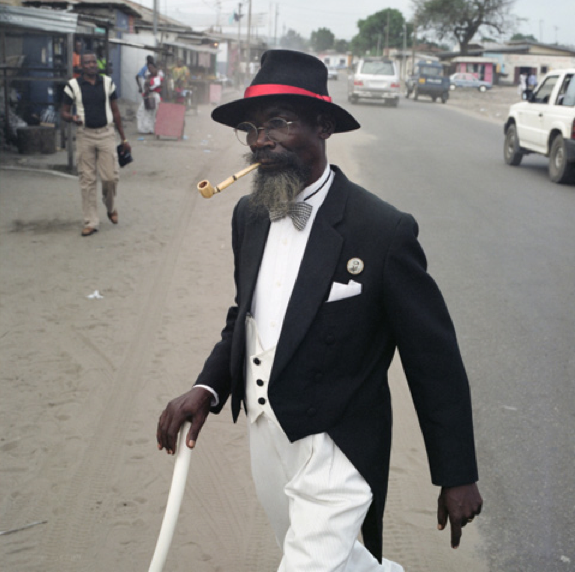
The digital landscape has provided a new stage for the Dandy man, where “aesthetic authority” can be scaled across global platforms. However, marketing a Dandy-inspired brand requires a delicate balance between curated excellence and perceived authenticity.
Curating Authenticity vs. Performance
There is a common misconception that branding is about “faking it.” The true Dandy, however, lives his brand. It is an authentic expression of his internal standards. For modern brands, the lesson is clear: marketing must be rooted in an actual corporate culture of excellence. If a company markets itself with the elegance of a Dandy but delivers a “fast-fashion” level of service, the brand will collapse under the weight of its own hype. Authentic Dandyism in branding means ensuring that the “back-end” operations of a business are as refined as the “front-end” marketing materials.
Leveraging Social Proof through Aesthetic Authority
The Dandy man naturally attracts followers because human beings are biologically wired to be drawn to order, beauty, and confidence. By positioning himself as an authority on taste, the Dandy creates a “halo effect”—people assume that because he is an expert in his appearance, he is also an expert in his field. This is a powerful marketing tool known as “Authority Bias.” Brands that adopt this Dandy-like authority can command the market’s attention, turning their customer base into a community of followers who aspire to the brand’s lifestyle.
Case Studies: Modern Brands and Individuals Embodying the Dandy Spirit
To understand how the Dandy man archetype translates into successful business models, we can look at specific entities that have used aesthetic rigor and personal identity to dominate their respective markets.
Luxury Markets and the “Dandy” Influence
Brands like Hermès and Brunello Cucinelli are the corporate embodiments of the Dandy man. They do not compete on price; they compete on the “purity of their vision.” Brunello Cucinelli, in particular, has built a multi-billion dollar empire based on “Humanistic Capitalism” and a very specific, refined aesthetic. Cucinelli himself is the ultimate modern Dandy, using his personal image to sell a lifestyle of Italian elegance and philosophical depth. The brand is successful because it sells more than clothes; it sells a Dandy-esque identity that consumers want to adopt.
Scaling Personal Influence into Corporate Identity
Consider the rise of the “Personal Brand CEO.” Figures like Richard Branson or Tom Ford have utilized their personal personas to anchor their corporate entities. Tom Ford, perhaps the most literal modern Dandy, built a global powerhouse by making his personal standards of glamour and perfection the standard for his entire company. Every Tom Ford product feels like it was personally vetted by the man himself. This is the Dandy strategy scaled: the individual’s commitment to excellence becomes the company’s primary marketing engine.
The ROI of Dandyism: Why the Strategy Works
While some might dismiss the Dandy as a relic of the past, the “Return on Investment” (ROI) of this branding strategy is undeniable. By investing in a Dandy-like approach to brand identity, businesses achieve three critical goals:
- Price Elasticity: When you are perceived as a “Dandy” brand—one that is meticulous, unique, and high-quality—consumers are less price-sensitive. They are paying for the identity and the assurance of excellence, not just the utility of the product.
- Market Longevity: Trends fade, but style—as the Dandy knows—is eternal. A brand built on the Dandy principles of timeless quality and distinct identity is less likely to be disrupted by short-term market shifts.
- Talent Attraction: Excellence attracts excellence. A brand that presents itself with the confidence and refinement of a Dandy man will naturally attract high-tier talent and prestigious partners who want to be associated with that level of prestige.

Conclusion: The Dandy Man as a Strategic Necessity
What is a Dandy man? He is the ultimate strategist of the self. He is a reminder that in an automated, mass-produced world, there is immense power in the artisanal, the specific, and the refined. For any professional or brand looking to cut through the noise of the 21st century, the Dandy provides a vital lesson: your identity is your most potent marketing asset.
By embracing the Dandy’s commitment to visual signature, unwavering consistency, and an obsession with detail, a brand can transform from a mere commodity into a cultural icon. The Dandy man does not ask for attention; he commands it by the sheer force of his curated existence. In the realm of brand strategy, there is no higher achievement. Whether you are a solo entrepreneur or a global corporation, incorporating the spirit of the Dandy into your brand identity is not just an aesthetic choice—it is a sophisticated business strategy designed for long-term dominance.
aViewFromTheCave is a participant in the Amazon Services LLC Associates Program, an affiliate advertising program designed to provide a means for sites to earn advertising fees by advertising and linking to Amazon.com. Amazon, the Amazon logo, AmazonSupply, and the AmazonSupply logo are trademarks of Amazon.com, Inc. or its affiliates. As an Amazon Associate we earn affiliate commissions from qualifying purchases.