
In the multi-billion dollar ecosystem of professional football, the “bye week” is often misunderstood by the casual observer as a simple period of rest. However, through the lens of business finance and asset management, a bye week represents a sophisticated strategic pause in a high-stakes operational cycle. Whether in the NFL, where annual revenues exceed $19 billion, or in elite collegiate programs that anchor regional economies, the bye week is a calculated financial maneuver designed to optimize human capital, mitigate risk, and protect the long-term valuation of a sports franchise.

To understand what a bye is in football from a financial perspective, one must view it as a scheduled “maintenance window” for a high-performance organization. It is the point in the fiscal year where the relentless demand for weekly production is suspended to allow for strategic recalibration.
The Revenue Mechanics of the Idle Week
From a pure accounting standpoint, a bye week presents a unique challenge: the management of a “dark week” where primary revenue drivers—ticket sales, concessions, and parking—are non-existent. For a franchise, a home game can generate anywhere from $7 million to $15 million in direct local revenue. When a team is on a bye, that cash flow stops, requiring sophisticated treasury management to ensure operational expenses are covered without the weekly influx of game-day liquidity.
Ticketing and Game-Day Operations: The Cost of a Dark Stadium
The immediate financial impact of a bye week is the absence of “Variable Game-Day Revenue.” This includes everything from $50 parking spots to $15 beers and high-margin luxury suite catering. However, professional teams view this not as a loss, but as a deferment. Because season ticket packages are sold based on a set number of home games, the revenue is often recognized over the course of the season rather than in a single burst. The bye week allows stadium operations to reduce “Variable Costs”—such as security, janitorial services, and temporary staff—thereby improving the net margin for the quarter by lowering overhead during a non-productive week.
Media Rights and Broadcast Valuation: Balancing the Schedule
On a macro-financial level, the bye week is a critical component of the league’s broadcast contracts. Media giants like ESPN, NBC, and Amazon pay billions for the rights to air games. If every team played every week, the season would be shorter, and the “inventory” of content would be exhausted faster. By implementing staggered bye weeks, the league extends the length of the season without increasing the physical toll of extra games. This extension provides more “windows” for advertising revenue, effectively increasing the Total Addressable Market (TAM) for broadcasters and justifying the massive rights fees that form the backbone of a team’s guaranteed income.
The “Bye Week” as a Risk Management Tool
In finance, “Risk Management” involves identifying potential threats to an organization’s capital and taking steps to mitigate them. In football, the primary capital is the roster. Players are multi-million dollar assets, often with guaranteed contracts that must be paid regardless of their ability to perform.
Mitigating Human Capital Depreciation: The ROI of Rest
The physical attrition of a football season is a form of asset depreciation. As players sustain “micro-injuries,” their efficiency drops, and the risk of a “catastrophic failure” (a season-ending injury) increases. From a financial perspective, the bye week is an investment in “Asset Longevity.” By providing a mandatory recovery period, the organization protects its most expensive investments. A star quarterback on a $50 million-per-year contract represents a massive sunk cost if he is injured. If a bye week reduces the probability of injury by even 5%, the “Return on Investment” (ROI) of that rest period is measured in millions of dollars of protected cap space and on-field productivity.
Insurance and Liability: Reducing Injury-Related Financial Losses
Professional sports teams carry extensive insurance policies on their highest-paid players. High injury rates lead to higher premiums and more complex “loss of value” claims. The bye week serves as a structural safety net that insurers look upon favorably. By building “recovery liquidity” into the schedule, the league as a whole stabilizes its risk profile. This systemic stability makes the league more attractive to institutional investors and lenders, as it demonstrates a commitment to preserving the “production equipment” (the players) that generates the revenue.
Economic Impact on Sports Betting and Speculative Markets
The bye week doesn’t just affect the teams; it creates a ripple effect throughout the broader financial ecosystem of sports, particularly in the sports betting and fantasy sports industries. These markets are driven by data, probability, and information arbitrage.
Market Volatility and Information Arbitrage
For the sports betting industry—which has seen a massive influx of institutional capital since its legalization in many U.S. states—the bye week is a period of intense data analysis. When a team enters a bye week, the “market” for their next game remains open for an extended period. This creates opportunities for “sharps” (professional bettors) to look for inefficiencies in the opening lines. Financial analysts in the betting world look at how teams historically perform “off the bye.” If a team has a high “Post-Bye Alpha”—meaning they consistently outperform expectations after a week of rest—investors will move early to capture value before the public shifts the odds.
The “Post-Bye” Performance Premium
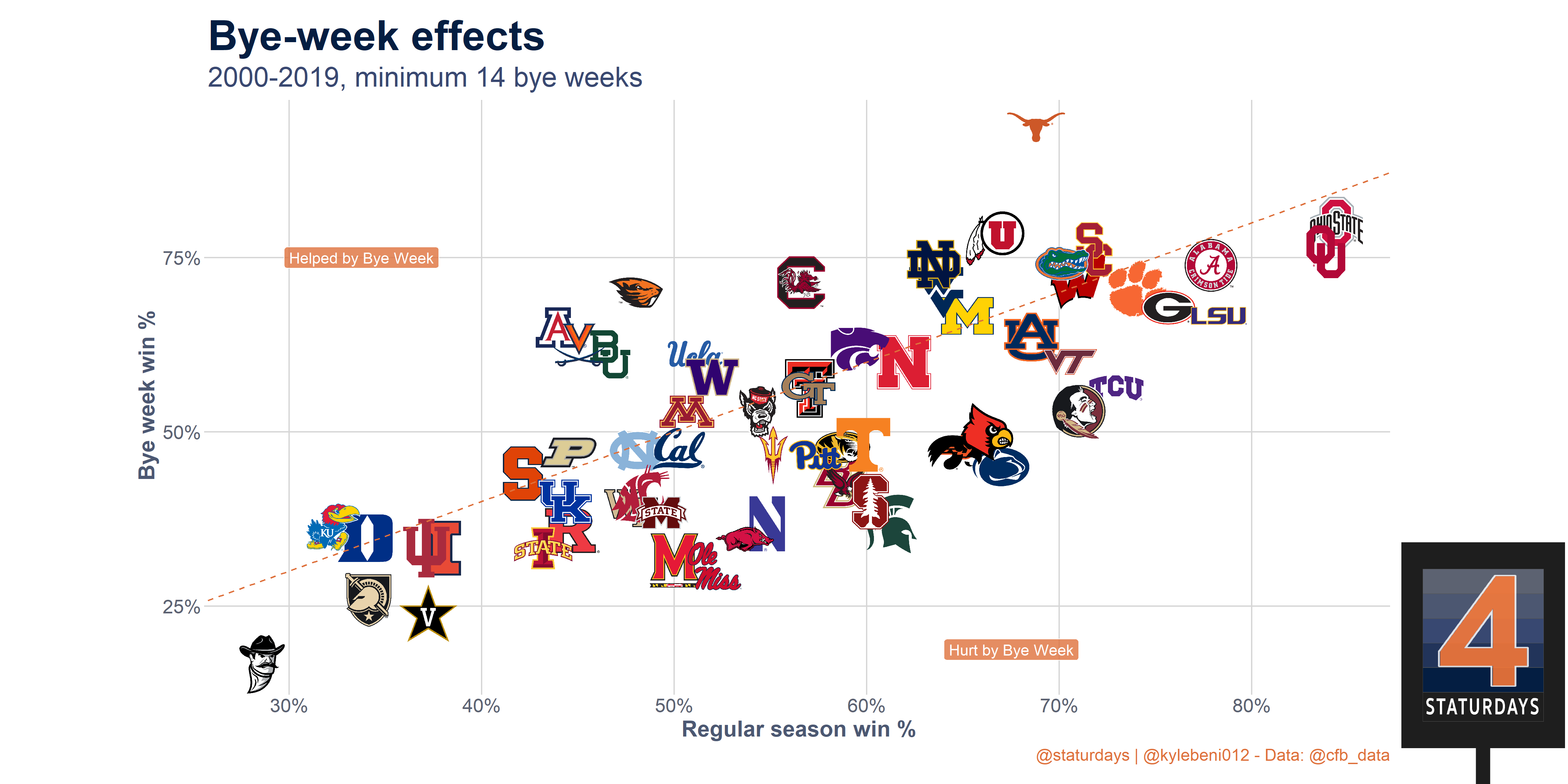
There is a quantifiable “Performance Premium” associated with the bye week. Statistically, coaches with superior organizational management skills tend to see a spike in their team’s win percentage following a bye. From a business strategy perspective, this is equivalent to a “re-org” or a “strategic pivot.” A team can use the extra 14 days to analyze game film (data mining), identify operational weaknesses, and implement new “products” (plays) that their next opponent hasn’t seen. This increased probability of winning has a direct correlation with “Playoff Equity”—the projected future revenue associated with participating in the post-season, which can bring in an additional $20 million to $40 million in revenue for a single franchise.
Strategic Business Operations: The Mid-Season Audit
For the front office, the bye week is far from a vacation. It is the time for a rigorous “Mid-Season Audit.” While the players are recovering, the executive leadership is engaged in high-level financial and personnel planning.
Contractual Incentives and Performance Milestones
Many player contracts are structured with “Performance-Based Incentives.” These are essentially bonuses tied to reaching certain milestones (e.g., 1,000 rushing yards or 10 sacks). During the bye week, the finance department and the General Manager review the “Cap Sheet” to project which players are likely to hit their bonuses. This allows the team to manage their “Salary Cap Liquidity” for the remainder of the fiscal year. If a team is over-leveraged, they may use the bye week to negotiate contract restructures, converting base salary into signing bonuses to free up immediate “Cap Space” for potential mid-season acquisitions (M&A in the sports world).

Brand Optimization and Community Reinvestment
Finally, the bye week is a critical window for “Brand Management.” Without the distraction of a weekend game, players and team executives often engage in community outreach, corporate partnership events, and “B2B” (Business-to-Business) networking. This strengthens the “Brand Equity” of the franchise within its local market. From a marketing perspective, the bye week is used to “reset the narrative.” If a team has been underperforming, the bye week is the prime time to launch a new marketing campaign or “fan engagement” initiative to ensure that ticket sales for the remaining home games do not soften.
In conclusion, a bye in football is much more than a gap in the schedule. It is a vital financial tool used to manage the complex interplay between human performance, revenue generation, and risk mitigation. By treating the bye week as a strategic asset, football franchises ensure they remain solvent, competitive, and profitable in one of the world’s most volatile and lucrative industries. For the savvy investor or business professional, the bye week is the ultimate reminder that in the business of sports, the time spent off the field is just as valuable as the time spent on it.
aViewFromTheCave is a participant in the Amazon Services LLC Associates Program, an affiliate advertising program designed to provide a means for sites to earn advertising fees by advertising and linking to Amazon.com. Amazon, the Amazon logo, AmazonSupply, and the AmazonSupply logo are trademarks of Amazon.com, Inc. or its affiliates. As an Amazon Associate we earn affiliate commissions from qualifying purchases.